
Have you ever noticed that there is still water in your washing machine after completing a cycle? This can be quite frustrating, especially when you’re in a hurry to get your laundry done. But why does this happen? There are several possible reasons for water to remain in the washing machine after washing.
1. Clogged or partially blocked drain hose: One common reason for water remaining in the washing machine is a clogged or partially blocked drain hose. Over time, lint, debris, or other foreign objects can build up in the hose, obstructing the flow of water out of the machine. This can lead to water pooling inside the machine instead of draining out completely.
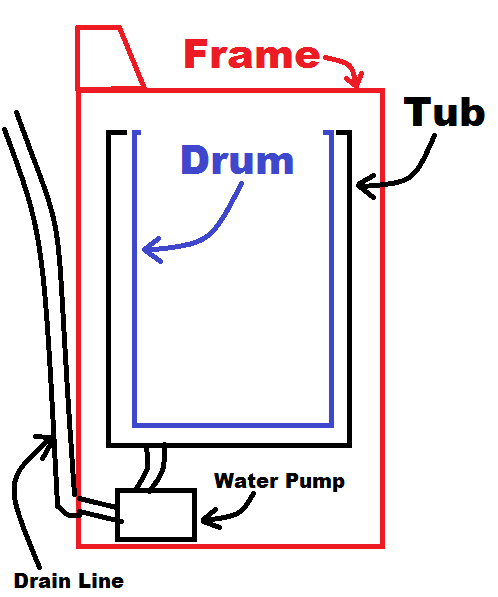
2. Faulty drain pump: Another potential cause of water retention is a faulty drain pump. The drain pump is responsible for removing water from the machine during the drain cycle. If the pump is not functioning properly, it may not be able to remove all of the water from the machine, resulting in water remaining in the tub.
3. Improperly leveled machine: A washing machine that is not properly leveled can also contribute to water retention. If the machine is not level, the water may not be able to drain out completely, causing it to remain in the tub. It’s important to ensure that your washing machine is level by adjusting the feet or using a leveling tool.
It’s worth noting that some water remaining in the washing machine after a cycle is normal, as there is often a small amount of water left to keep the seals lubricated. However, if you notice a significant amount of water remaining, it’s important to investigate and address the issue to prevent any potential damage to your machine or your laundry.
- Common Reasons for Water Remaining in the Washing Machine after Washing
- Blocked Drainage System
- Faulty Water Pump
- Clogged Filter
- Overloaded Machine
- Impact of an overloaded machine
- Tips to avoid overloading the machine
- Unbalanced Load
- Causes of an unbalanced load:
- How to prevent an unbalanced load:
- Incorrect Water Level Settings
- How to check and adjust the water level settings
- Additional Tips
- Video on the topic
- Front Load Washing Machine not Draining Water – Washing Machine full of Water
- How to Drain the Water Out of Your Washing Machine
- Answers to frequently asked questions
Common Reasons for Water Remaining in the Washing Machine after Washing

When you remove your clothes from the washing machine after a cycle, it can be frustrating to find that there is still water remaining in the drum. This issue can be caused by various factors, including:
| 1. Clogged Drain Pump | If the drain pump is clogged, it may not be able to effectively remove all of the water from the machine. This can be caused by debris or small objects getting stuck in the pump. Regular cleaning and maintenance of the drain pump can help prevent this issue. |
| 2. Faulty Water Inlet Valve | The water inlet valve is responsible for filling the washing machine with water. If it is faulty or not functioning properly, it may not be able to fully shut off the water supply, resulting in water remaining in the machine after washing. The valve may need to be replaced to resolve this issue. |
| 3. Clogged or Kinked Drain Hose | A clogged or kinked drain hose can prevent the water from properly draining out of the washing machine. This can be caused by lint, debris, or even a small piece of clothing getting stuck in the hose. It is important to regularly check and clean the drain hose to ensure proper drainage. |
| 4. Wash Load Imbalance | If the load of laundry is not evenly distributed in the drum, it can cause the machine to become off-balance. This can lead to issues with the machine’s ability to drain the water completely. Ensuring that the load is balanced before starting the cycle can help prevent this problem. |
| 5. Defective Water Level Sensor | The water level sensor is responsible for detecting the water level in the washing machine. If it is defective or malfunctioning, it may not accurately sense when the water has been fully drained. Replacing the water level sensor may be necessary to fix this issue. |
By addressing these common issues, you can resolve the problem of water remaining in your washing machine after washing. It is always recommended to consult the manufacturer’s manual or seek professional help if you are unsure how to troubleshoot or fix these issues.
Blocked Drainage System
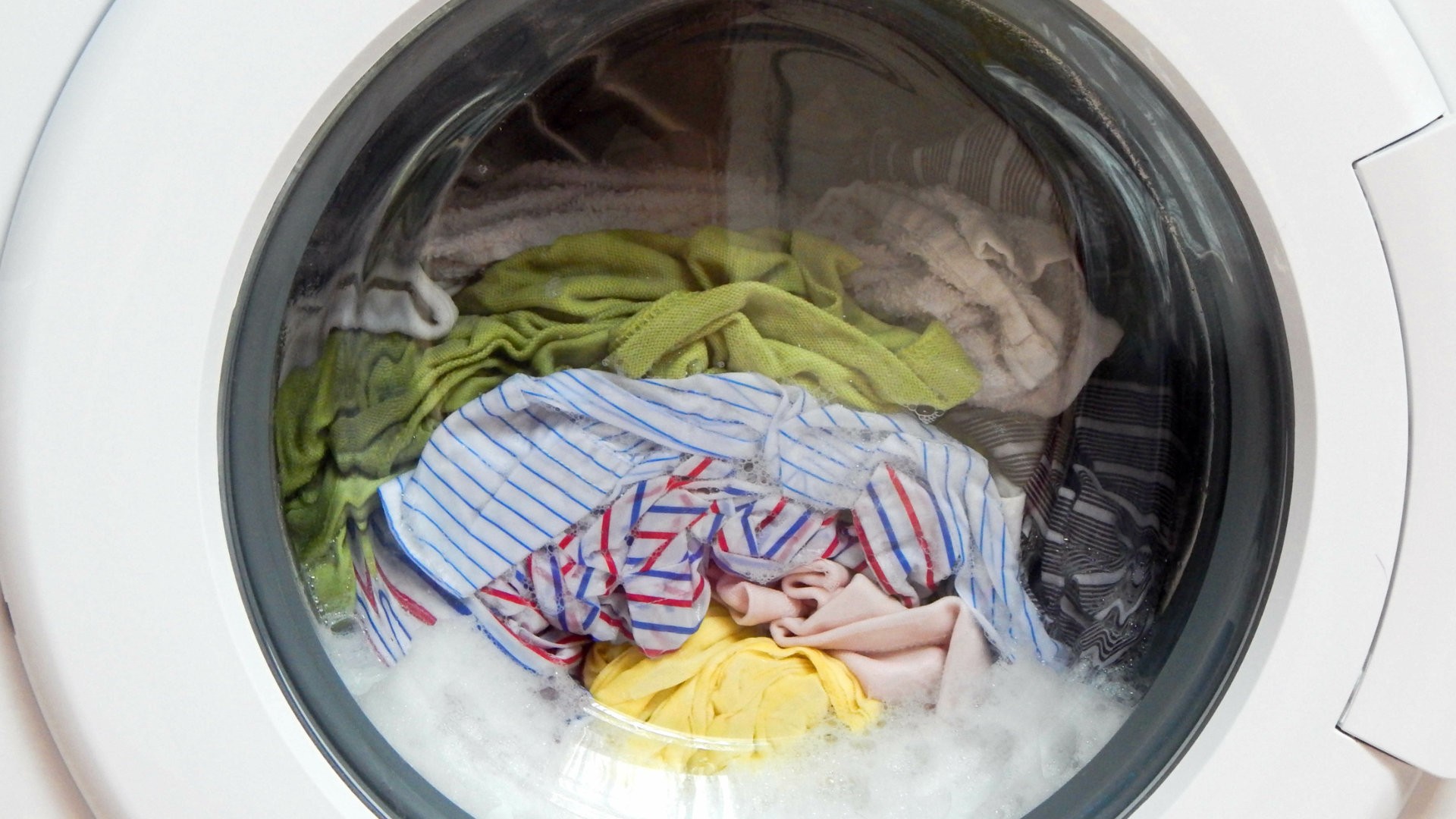
A common reason for water remaining in the washing machine after a wash is a blocked drainage system. The drainage system is responsible for removing the water from the machine once the wash cycle is complete. If the drainage system is blocked, the water cannot properly drain out and may be left behind in the machine.
Causes of a blocked drainage system:
- Lint and debris: Over time, lint, hair, and other debris can accumulate in the drainage system, leading to a blockage. This can hinder the flow of water and cause it to remain in the machine.
- Foreign objects: Occasionally, small objects such as coins, buttons, or even socks can find their way into the drainage system, causing a blockage. These objects can become lodged in the pipes and prevent water from draining properly.
- Improper installation: If the drainage hose is not installed correctly or is kinked, it can obstruct the flow of water and result in a blockage. It is essential to ensure that the hose is properly aligned and free from any restrictions.
Signs of a blocked drainage system:
- Water remaining in the drum: One of the clearest signs of a blocked drainage system is water remaining inside the washing machine, even after the cycle has finished.
- Slow drainage: If you notice that the water is draining slowly during the wash cycle or takes longer than usual to drain out completely, it could indicate a blockage in the drainage system.
- Unpleasant odor: A blocked drainage system can lead to stagnant water, which can cause a foul smell to emanate from the washing machine.
How to fix a blocked drainage system:
- Clean the drainage filter: Depending on the model of your washing machine, there may be a filter located near the drainage pump. Cleaning this filter regularly can prevent debris from building up and causing a blockage.
- Check for foreign objects: Carefully inspect the drainage hose and drainage pump for any foreign objects that may be causing the blockage. Remove any objects that you find, taking care not to damage the hose or pump.
- Clear the drainage pipes: If the blockage persists, you may need to manually clear the drainage pipes. This can be done using a plumbing snake or a wire coat hanger to remove any built-up debris.
- Consult a professional: If you are unable to resolve the issue on your own, it may be necessary to seek the assistance of a professional technician. They will have the necessary tools and expertise to diagnose and fix the problem.
By addressing a blocked drainage system, you can ensure that the water drains properly from your washing machine and prevent any potential damage or malfunctions.
Faulty Water Pump
An issue that can cause water to remain in the washing machine after washing is a faulty water pump. The water pump is responsible for draining the water out of the machine during the rinse and spin cycles. If the water pump is not functioning properly, it may not be able to drain all of the water from the machine.
A faulty water pump can be caused by a variety of issues. It could be due to a blockage in the pump, such as debris or a foreign object preventing it from working correctly. Another possible cause is a problem with the pump motor, such as a burnt-out motor or a malfunctioning motor control board.
To determine if the water pump is the cause of the water remaining in the machine, you can perform a few checks. Start by unplugging the machine and draining any leftover water manually. Then, inspect the water pump for any visible signs of damage or blockage. You can also check the pump motor by listening for any unusual sounds or vibrations when the machine is running.
If you suspect that the water pump is faulty, it is recommended to contact a qualified technician to diagnose and repair the issue. They will be able to safely access and replace the water pump if necessary. Trying to repair the water pump yourself can be dangerous and may cause further damage to the machine or result in injury.
Remember, if there is water remaining in the washing machine after washing, it’s essential to address the issue promptly. Leaving water in the machine can lead to mold or mildew growth and can cause damage to the machine itself.
Summary:
- A faulty water pump can cause water to remain in the washing machine after washing.
- The issue can be caused by a blockage in the pump or a problem with the pump motor.
- To determine if the water pump is faulty, you can inspect it for damage or listen for unusual sounds when the machine is running.
- It is recommended to contact a qualified technician for diagnosis and repair of a faulty water pump.
Clogged Filter
One common reason why water may remain in the washing machine after a wash cycle is a clogged filter. The filter in a washing machine helps to prevent larger debris and lint from entering the drainage system.
Over time, this filter can become clogged with lint, hair, and other particles, obstructing the flow of water out of the machine. When the filter is clogged, water may not be able to drain properly, leading to water remaining in the machine.
To resolve this issue, it is important to regularly clean and maintain the filter. The location and method of cleaning the filter may vary depending on the brand and model of the washing machine. Generally, the filter can be found near the bottom of the machine, behind a small door or panel.
Before cleaning the filter, ensure that the washing machine is unplugged and that there is no water or debris around the filter area. Use caution when removing the filter, as it may be connected to the drain pump or other components. Clean the filter by rinsing it under running water and removing any accumulated lint or debris.
Once the filter is clean, carefully reattach it to the machine, ensuring it is securely in place. Restart the machine and run a short cycle to check if the water drains properly. Regularly cleaning the filter will help prevent clogs and ensure optimal drainage, reducing the likelihood of water remaining in the washing machine after a wash cycle.
Overloaded Machine
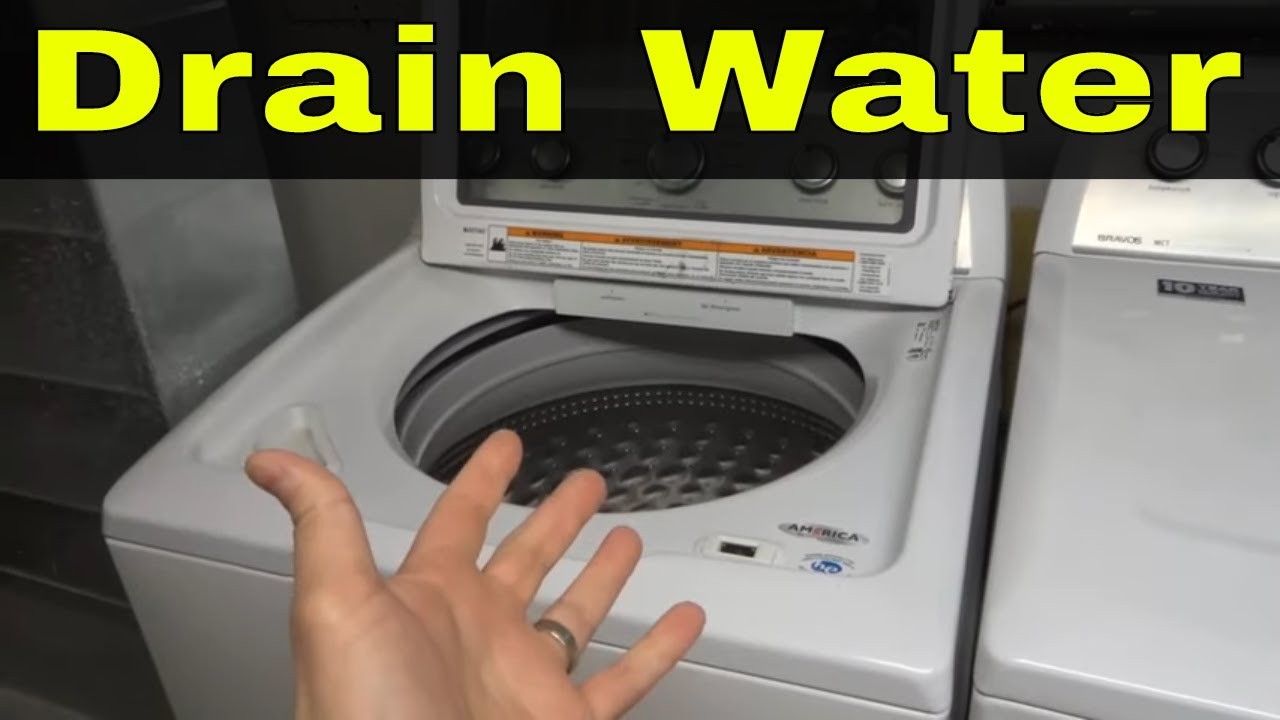
Another common reason for water remaining in the washing machine after a wash cycle is an overloaded machine. It’s important to follow the manufacturer’s guidelines and not exceed the recommended load capacity of your washing machine. Overloading the machine can prevent proper drainage and cause water to remain in the drum.
When the washing machine is overloaded, the clothes cannot move freely and can become clumped together. This prevents the water from properly circulating and draining out of the machine. As a result, some water may be left behind after the wash cycle is complete.
Impact of an overloaded machine

Aside from water remaining in the washing machine, overloading can also cause other issues. The excessive weight can put strain on the machine’s motor and other components, leading to premature wear and tear. This can result in costly repairs or even the need to replace the entire machine.
In addition, overloading can affect the effectiveness of the washing process. The detergent may not be able to evenly distribute throughout the clothes, resulting in uneven or inadequate cleaning. Over time, this can lead to a buildup of dirt and grime on the clothes, potentially causing them to become discolored or giving off an unpleasant odor.
Tips to avoid overloading the machine
To prevent water from remaining in the washing machine and avoid the negative consequences of overloading, it’s important to follow these tips:
- Read the manufacturer’s guidelines to determine the recommended load capacity for your washing machine.
- Weigh your laundry before adding it to the machine to ensure you’re within the recommended weight limit.
- Leave enough space in the drum for the clothes to move around freely during the wash cycle.
- If you have a large load of laundry, consider dividing it into smaller loads and washing them separately.
By properly adhering to the recommended load capacity and taking the time to properly load your washing machine, you can help ensure that water drains out completely after each wash cycle.
Unbalanced Load
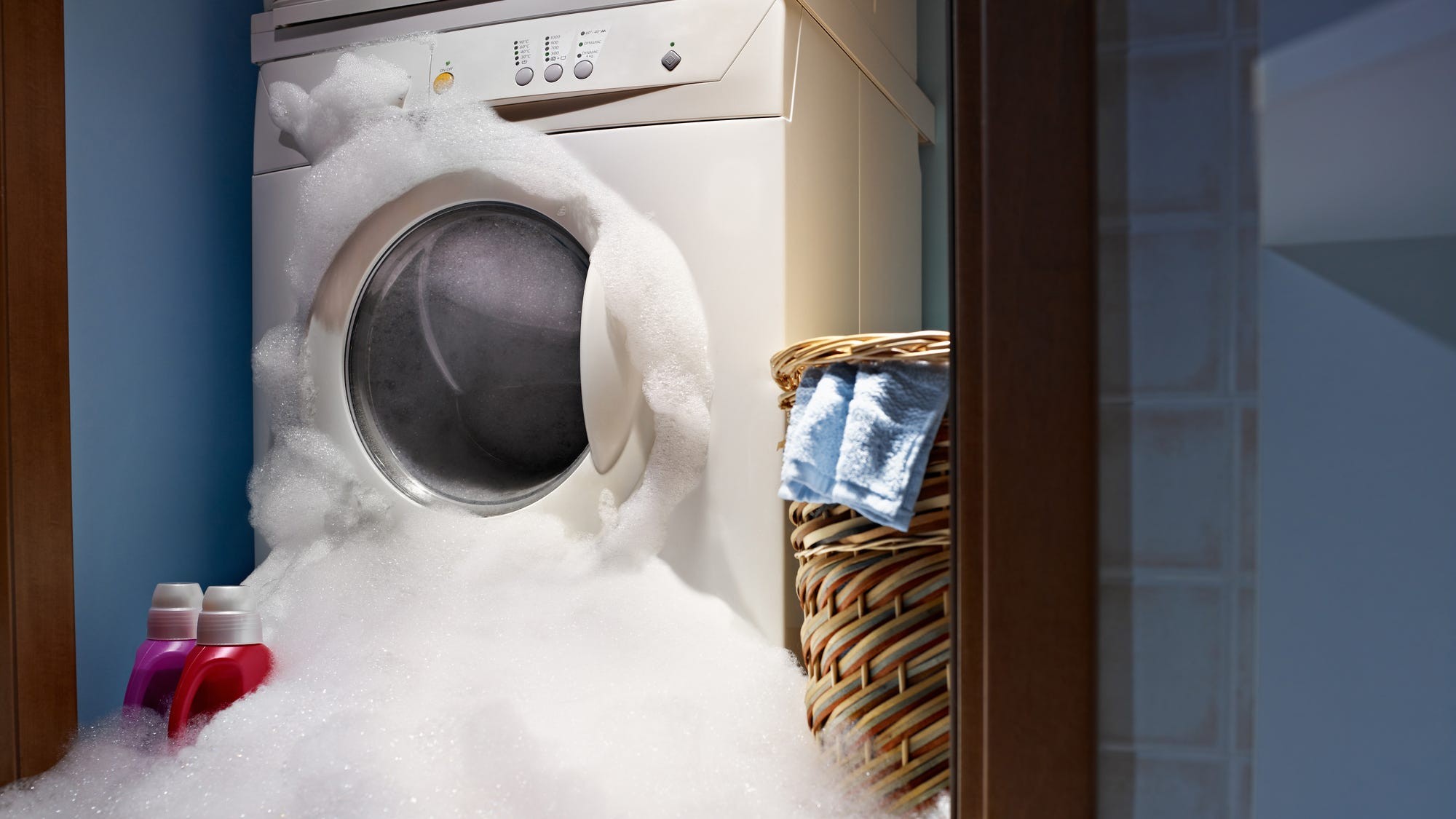
If water remains in the washing machine after a wash cycle, one possible reason could be an unbalanced load. An unbalanced load occurs when the laundry inside the machine is not distributed evenly. This can cause the machine to be unable to spin properly and drain the water.
Causes of an unbalanced load:
- Mixing different types of fabrics:
- Overloading the machine:
- Uneven distribution of laundry:
When washing laundry, it is important to separate different types of fabrics, such as heavy and lightweight items. Mixing them together can create an unbalanced load, leading to water retention in the machine.
Putting too much laundry into the machine can lead to an unbalanced load. It is recommended to follow the manufacturer’s guidelines for the maximum load capacity of the machine.
If the laundry is not distributed evenly inside the machine, it can cause imbalance. Make sure to distribute the items evenly around the agitator or drum.
How to prevent an unbalanced load:
- Sort laundry by fabric type and weight:
- Avoid overloading the machine:
- Distribute laundry evenly:
- Use the correct wash cycle:
Separate heavy and lightweight items to ensure a balanced load.
Follow the manufacturer’s guidelines for the maximum load capacity.
Place the laundry evenly around the agitator or drum to prevent imbalance.
Some machines have specific cycles for larger or delicate loads. Use the appropriate cycle for the type of laundry being washed.
By taking these precautions and ensuring a balanced load, water retention in the washing machine can be minimized or avoided altogether.
Incorrect Water Level Settings
One possible reason for water remaining in the washing machine after washing is incorrect water level settings. If the water level is set too high, it can lead to excess water being left behind in the machine.
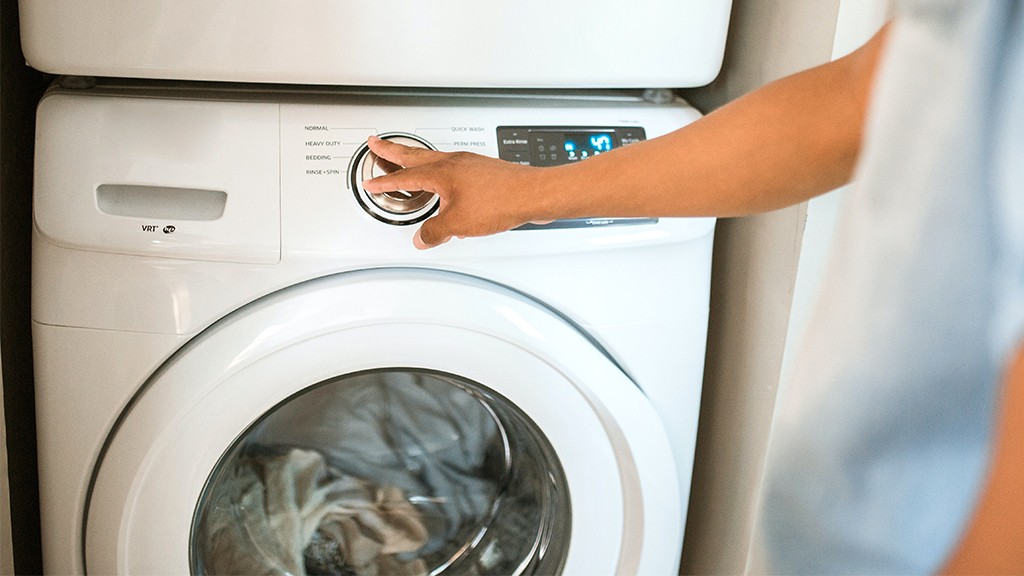
Most modern washing machines have different water level settings that can be adjusted based on the size of the load. These settings are usually displayed as small, medium, and large or as specific water levels in liters.
How to check and adjust the water level settings
To check the water level settings on your washing machine, refer to the user manual provided by the manufacturer. The location of the water level settings may vary depending on the model of your washing machine.
Once you locate the water level settings, check if they are set correctly. If the water level setting is too high for the size of the load, adjust it to a lower setting. This will ensure that the machine does not fill up with excess water that cannot be drained fully.
It is important to note that smaller loads may require a lower water level setting, while larger loads may require a higher water level setting. Adjusting the water level settings according to the load size will help prevent water from remaining in the machine after washing.
Additional Tips
Here are some additional tips to consider:
| 1. | Always follow the manufacturer’s instructions for your specific washing machine model. |
| 2. | Ensure that the washing machine is not overloaded, as this can also lead to water not draining properly. |
| 3. | Regularly clean the filter and drain pump of the washing machine to remove any debris that may be causing drainage issues. |
| 4. | If the problem persists, it is recommended to contact a professional technician or the manufacturer for further assistance. |
By checking and adjusting the water level settings on your washing machine, you can ensure that the appropriate amount of water is used for each load, preventing water from remaining in the machine after washing.
Video on the topic
Front Load Washing Machine not Draining Water – Washing Machine full of Water
How to Drain the Water Out of Your Washing Machine
Answers to frequently asked questions
Read more practical tips and expert opinions about modern devices at appliances-news.com. Here you will find answers to questions about any technology.


