
Excessive foam in the washing machine can be a frustrating and messy problem. Not only does it make a mess in your laundry area, but it can also prevent your clothes from getting properly cleaned. Understanding the causes of excessive foam and knowing what steps to take can help you resolve this issue and ensure that your washing machine operates smoothly.
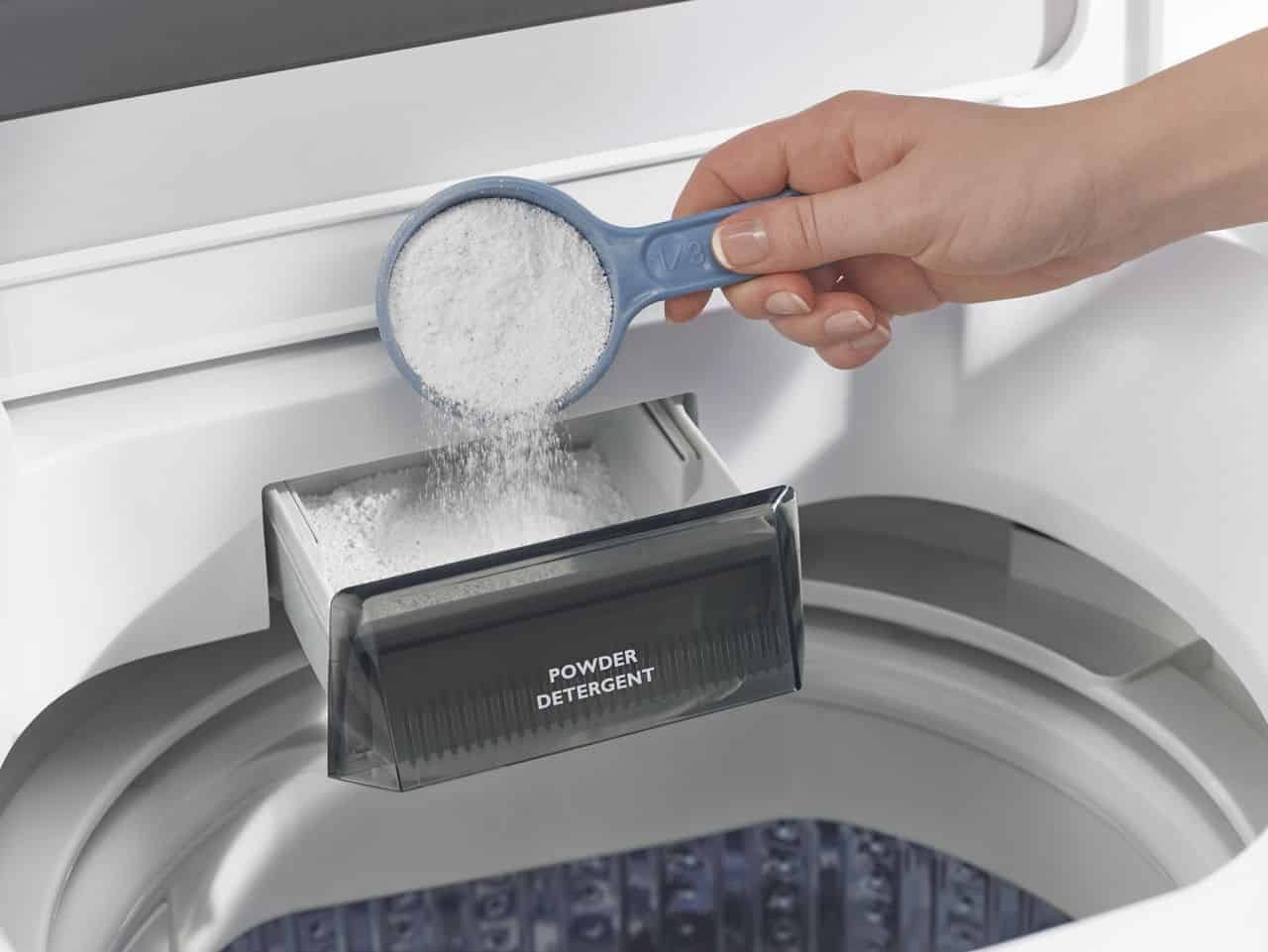
One possible cause of excessive foam is using too much detergent. It’s important to follow the manufacturer’s instructions and use the recommended amount. Using more detergent than necessary can lead to excessive foam, as the machine may not be able to rinse it all away.
If you are unsure about the appropriate amount of detergent to use, start with a smaller amount and gradually increase if necessary. Using a high-efficiency (HE) detergent designed for your specific type of washing machine can also help reduce foam.
Another cause of excessive foam is hard water. Hard water contains minerals like calcium and magnesium, which can react with the detergent and create more foam. If you have hard water, using a water softener can help reduce foam in your washing machine.
If you don’t have a water softener, you can try adding vinegar to the rinse cycle. Vinegar works as a natural fabric softener and can help break down the foam. However, be cautious and only use a small amount to avoid any potential damage to your machine.
Clogged drain hoses or a malfunctioning pump can also cause excessive foam. If the foam doesn’t go away after adjusting your detergent usage or using a water softener, it’s recommended to check the drain hoses and pump for any clogs or issues. Cleaning or replacing these parts if necessary can help resolve the problem.
Regular maintenance, such as cleaning the washing machine’s filter and tub, can also help prevent excessive foam in the future. Following the manufacturer’s guidelines for maintenance and periodically running an empty cycle with hot water and vinegar can help keep your machine clean and functioning properly.
In conclusion, excessive foam in the washing machine can be a nuisance, but with the right approach, it can be resolved. By using the correct amount of detergent, addressing hard water issues, and maintaining your machine, you can enjoy clean and foam-free laundry.
- Causes of Excessive Foam in the Washing Machine
- Using too much detergent
- How to fix it:
- Hard water
- 1. Use the right amount of detergent
- 2. Consider using a water softener
- Incorrect detergent type
- Overloading the machine
- Dirty or clogged drain pump filter
- Video on the topic
- What to do if there is too much foam in the washing machine? | Miele
- Answers to frequently asked questions
Causes of Excessive Foam in the Washing Machine
- Using too much detergent: One of the most common causes of excessive foam in the washing machine is using too much detergent. When too much detergent is used, it creates more suds than the washing machine can handle, leading to excessive foam.
- Using the wrong type of detergent: Using a detergent that is not suitable for your washing machine can also result in excessive foam. It is important to use the detergent specifically designed for your machine, as different machines have different requirements.
- Using fabric softener in the wrong compartment: If fabric softener is poured into the detergent compartment of the washing machine instead of the designated fabric softener compartment, it can cause excessive foam. Fabric softener is not designed to be mixed with detergent and can result in a soapy residue that leads to more foam.
- Overloading the washing machine: Overloading the washing machine with too many clothes can prevent the machine from properly rinsing out the detergent, leading to excessive foam. It is important to follow the machine’s recommended load capacity to avoid this issue.
- Using low-quality detergent: Using a low-quality or cheap detergent can also cause excessive foam in the washing machine. These detergents may not be as effective in breaking down dirt and grime, leading to more suds and foam.
By addressing these potential causes, you can help reduce excessive foam in your washing machine and ensure optimal washing performance.
Using too much detergent
One common cause of excessive foam in a washing machine is using too much detergent. While it may be tempting to add extra detergent to ensure your clothes get clean, using more than the recommended amount can actually backfire.
Detergent is designed to remove dirt and stains by creating suds and breaking down oils and grime. However, if you use too much detergent, the washing machine may not be able to rinse it all out properly. As a result, the excess detergent can become trapped in the fabric, leading to a build-up of foam during the wash cycle.
To prevent excessive foam caused by using too much detergent, it’s important to follow the manufacturer’s guidelines for your specific washing machine and detergent. Typically, the recommended amount of detergent is based on the size of the load and the level of soiling. Using too little detergent may not effectively clean your clothes, but using too much can cause foam and potentially damage your washing machine.
How to fix it:

If you suspect that using too much detergent is causing excessive foam in your washing machine, there are a few steps you can take to fix the issue:
- Measure the detergent: Use a measuring cup or the detergent cap to ensure you’re using the correct amount of detergent for each load.
- Adjust the detergent amount: If you’re consistently experiencing excessive foam, try reducing the amount of detergent you use. Experiment with gradually decreasing the dosage until you find the right amount for your specific machine and laundry needs.
- Use high-efficiency detergents: If you have a high-efficiency washing machine, make sure you’re using a detergent specifically designed for these machines. High-efficiency detergents are formulated to produce less suds and are less likely to cause excessive foam.
By ensuring you’re using the correct amount of detergent and following the manufacturer’s guidelines, you can prevent excessive foam in your washing machine and ensure your clothes come out clean and fresh every time.
Hard water
Hard water refers to water that contains a high concentration of minerals such as calcium and magnesium. This type of water is common in many areas and is known to cause a variety of issues, including excessive foam in washing machines.
When hard water is used in a washing machine, the minerals can react with soap or detergent, creating more foam than usual. This excessive foam can lead to poor cleaning performance and can even cause the washing machine to overflow.
To prevent excessive foam caused by hard water, there are several steps you can take:
1. Use the right amount of detergent
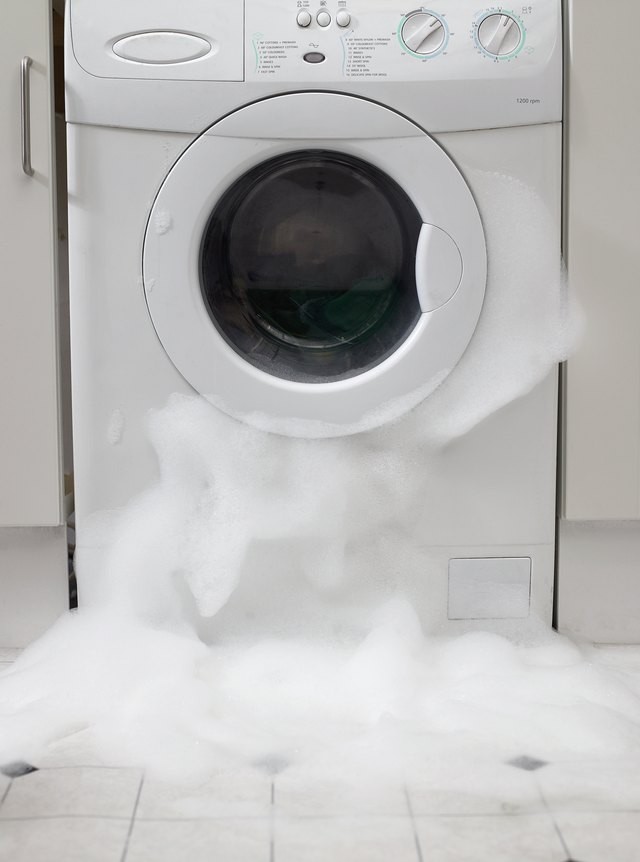
Be sure to follow the manufacturer’s guidelines for the recommended amount of detergent. Using too much detergent can lead to more foam, especially when combined with hard water. If you’re unsure about the proper amount, start with a smaller amount and adjust as needed.
2. Consider using a water softener
A water softener can help reduce the mineral content in hard water, which in turn can reduce the amount of foam in your washing machine. You can either install a whole-house water softener or use a portable water softener specifically designed for washing machines.
Note: If you choose to use a water softener, make sure to follow the manufacturer’s instructions for installation and maintenance.
Dealing with excessive foam in a washing machine due to hard water can be frustrating, but by following these steps, you can minimize the problem and ensure that your laundry gets clean without any issues.
Incorrect detergent type
If you are experiencing excessive foam in your washing machine, one possible reason could be using the incorrect detergent type. Using the wrong detergent can lead to excessive suds that the machine may not be able to handle.
When purchasing detergent, make sure to check the labels and choose the correct type for your machine. There are specific detergents designed for high-efficiency (HE) washing machines, standard top-load washers, and front-load washers. Using the wrong detergent can not only cause excessive foam, but it may also affect the overall cleaning performance of your machine.
How to fix:
- Check the detergent packaging and ensure that it is suitable for your specific type of washing machine.
- If you are unsure, consult the manufacturer’s guidelines or contact the customer support for your machine.
- Consider using a low-sudsing or HE detergent, especially if you have a front-load or high-efficiency washing machine.
Note: Using too much detergent can also contribute to excessive foam. Follow the recommended dosage guidelines provided by the detergent manufacturer.
By using the correct detergent type and following the recommended dosage, you can minimize excessive foam and optimize the performance of your washing machine.
Overloading the machine
One common cause of excessive foam in the washing machine is overloading the machine. When you put too many clothes in the machine, it can result in improper circulation of water and detergent, leading to excessive foam buildup. This is especially common when washing large items such as blankets or comforters.
When you overload the machine, the clothes do not have enough space to move freely, which prevents proper rinsing and agitating. This can cause excess detergent to remain in the clothes, leading to excessive foaming during the rinse cycle.
To avoid overloading the machine, make sure to follow the manufacturer’s guidelines for the maximum load capacity. It is also important to distribute the clothes evenly in the drum to promote proper water flow. If you are washing large items, consider washing them separately or in smaller loads to prevent excessive foam.
Dirty or clogged drain pump filter
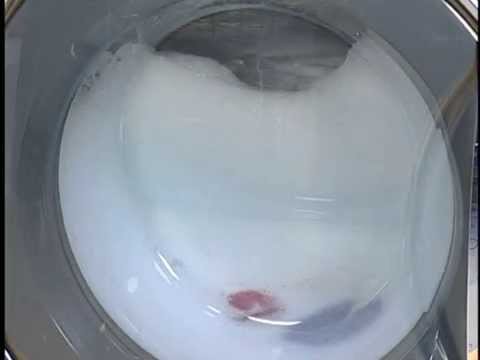
Another common cause of excessive foam in the washing machine is a dirty or clogged drain pump filter. The drain pump filter is responsible for trapping debris, such as lint and coins, that may have gotten into the washing machine during the wash cycle.
If the drain pump filter is dirty or clogged, it can impact the washing machine’s ability to drain properly, leading to excessive foam. To check and clean the drain pump filter, follow these steps:
- Unplug the washing machine and turn off the water supply.
- Locate the drain pump filter, which is typically found at the front or bottom of the washing machine.
- Prepare a shallow container or towel to collect any water that may spill out during the cleaning process.
- Carefully remove the filter cover or cap.
- Inspect the drain pump filter for any signs of debris or blockages. If necessary, remove any visible debris and clean the filter with a brush or running water.
- Once the drain pump filter is clean, reinstall it by placing it back in its original position and securing the cover or cap.
- Turn on the water supply and plug in the washing machine.
Regularly checking and cleaning the drain pump filter can help prevent excessive foam and ensure that your washing machine functions properly. If the issue persists, it may be necessary to contact a professional technician for further assistance.
Video on the topic
What to do if there is too much foam in the washing machine? | Miele
Answers to frequently asked questions
Read more practical tips and expert opinions about modern devices at appliances-news.com. Here you will find answers to questions about any technology.


