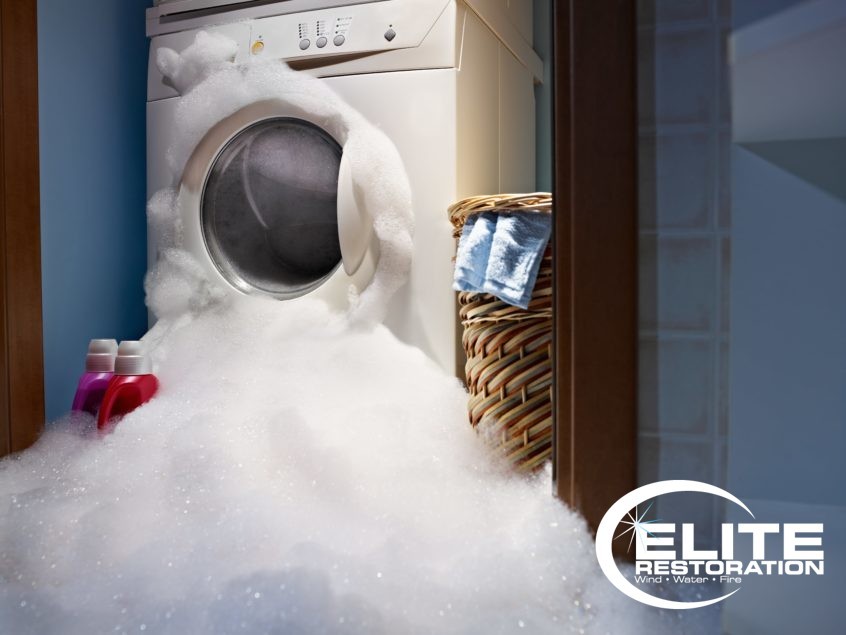
If you’ve noticed water pooling on the floor around your washing machine, it’s important to address the issue as soon as possible. A leaking washing machine can not only cause damage to your floors and walls, but it can also lead to electrical problems and other serious issues. In this article, we’ll explore some common causes of washing machine leaks from the bottom and provide you with some steps to take to fix the problem.
One possible cause of a leaking washing machine is a damaged or worn out hose. Over time, the hoses that supply water to your machine can become brittle or develop small cracks, leading to leaks. To check if a hose is the culprit, turn off the water supply and inspect the hoses for signs of damage. If you find any cracks or holes, you’ll need to replace the hose with a new one.
Another potential cause of a leaking washing machine is a faulty pump. The pump is responsible for draining water from the machine during the wash and spin cycles. If the pump is damaged or not functioning properly, it can cause water to leak from the bottom of the machine. In this case, you may need to call a professional to repair or replace the pump.
Additionally, a clogged or blocked drain pipe can also be the cause of a washing machine leak. Over time, lint, debris, and other particles can build up in the drain pipe, preventing water from flowing freely and causing it to back up and leak from the bottom of the machine. To fix this issue, you can try using a plumber’s snake or a combination of vinegar and baking soda to clear the blockage.
Remember, if you’re not comfortable performing any of these tasks yourself, it’s always best to consult a professional. They will have the knowledge and experience to diagnose and fix the problem correctly, ensuring that your washing machine is back up and running in no time.
- Common Causes of Washing Machine Leaks
- Damaged Hoses and Connections
- Faulty Water Inlet Valve
- Tips for preventing future leaks:
- Overloading the Washing Machine
- Effects of Overloading
- Preventing Overloading
- Worn Out Pump or Tub Seal
- Video on the topic
- LG washing machine top-rear vent leaking water. Leak from the back. Fix or preventive maintenance
- ✨ Whirlpool Washer Leaking – EASY FIX – $20.00 DIY FIX ✨
- Answers to frequently asked questions
Common Causes of Washing Machine Leaks
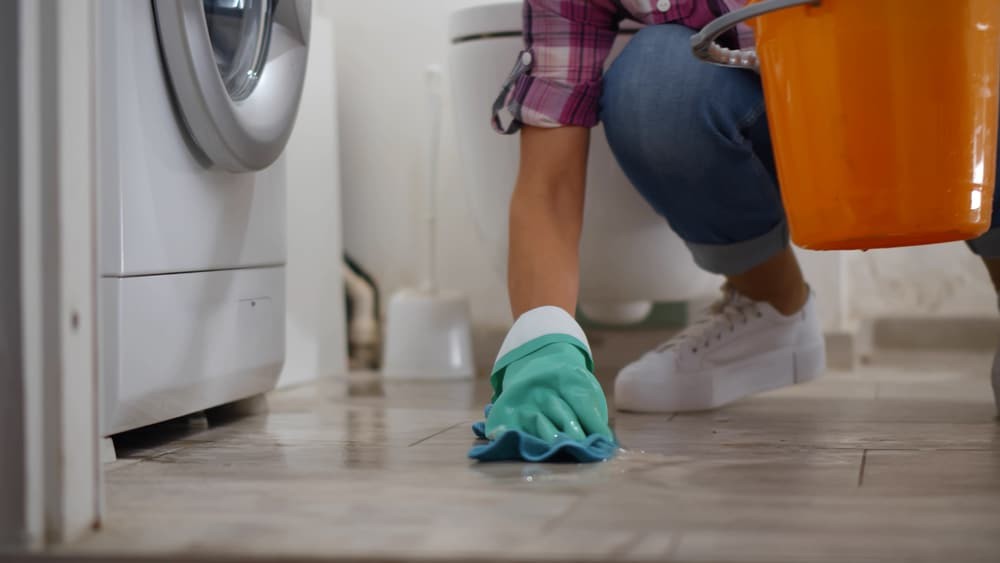
When your washing machine starts leaking from the bottom, it can be frustrating and inconvenient. Understanding the common causes of these leaks can help you identify the issue and determine the appropriate solution.
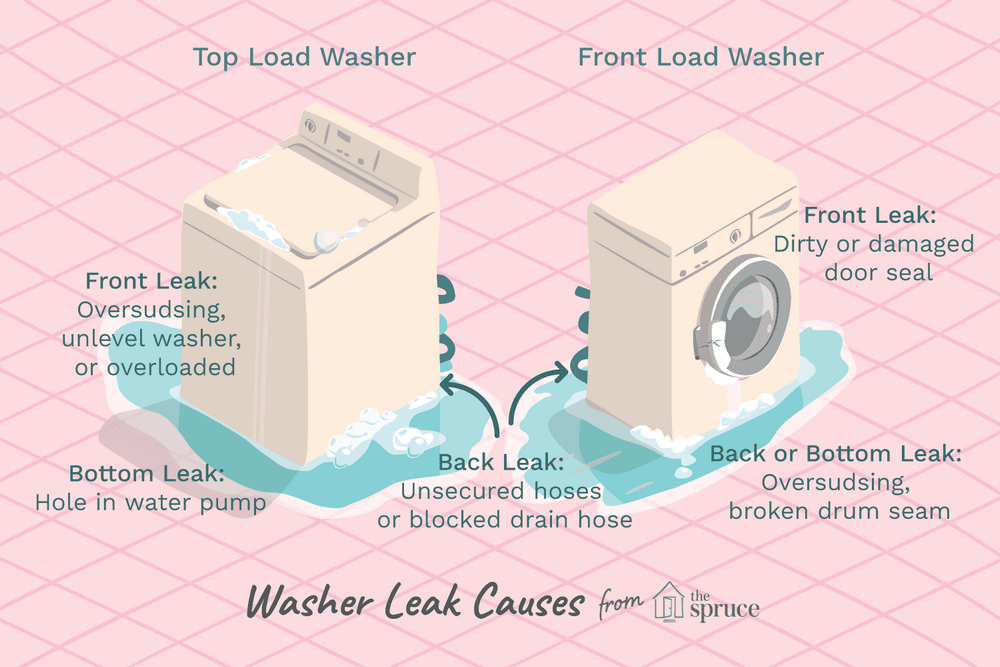
- 1. Faulty Hose Connections: One of the most common causes of washing machine leaks is a loose or damaged hose connection. Check the connections between the water inlet and outlet hoses and the back of the washing machine. Tighten any loose connections and replace any hoses that are cracked or damaged.
- 2. Damaged Door Seal: If you have a front-loading washing machine, a damaged door seal can cause leaks. Inspect the seal for any signs of wear, tear, or damage. If you notice any issues, replace the seal to prevent further leaks.
- 3. Overflowing or Clogged Drain: If your washing machine leaks water during the drain cycle, it may be due to an overflowing or clogged drain. Check the drain hose and remove any debris or obstructions that may be preventing proper drainage.
- 4. Faulty Pump: A faulty pump can also cause leaks from the bottom of the washing machine. If you notice water leaking while the machine is in use, the pump may be damaged or worn out. Consider replacing the pump to resolve the issue.
- 5. Cracked Tub or Drum: In some cases, a cracked tub or drum can cause water to leak from the bottom of the washing machine. If you suspect a crack, inspect the tub or drum for any visible signs of damage. If a crack is found, it may be necessary to replace the tub or drum.
Remember, if you are unsure about how to fix the issue or if you cannot identify the cause of the leak, it is always best to consult a professional. They will have the expertise and knowledge to diagnose and repair the problem effectively.
Damaged Hoses and Connections
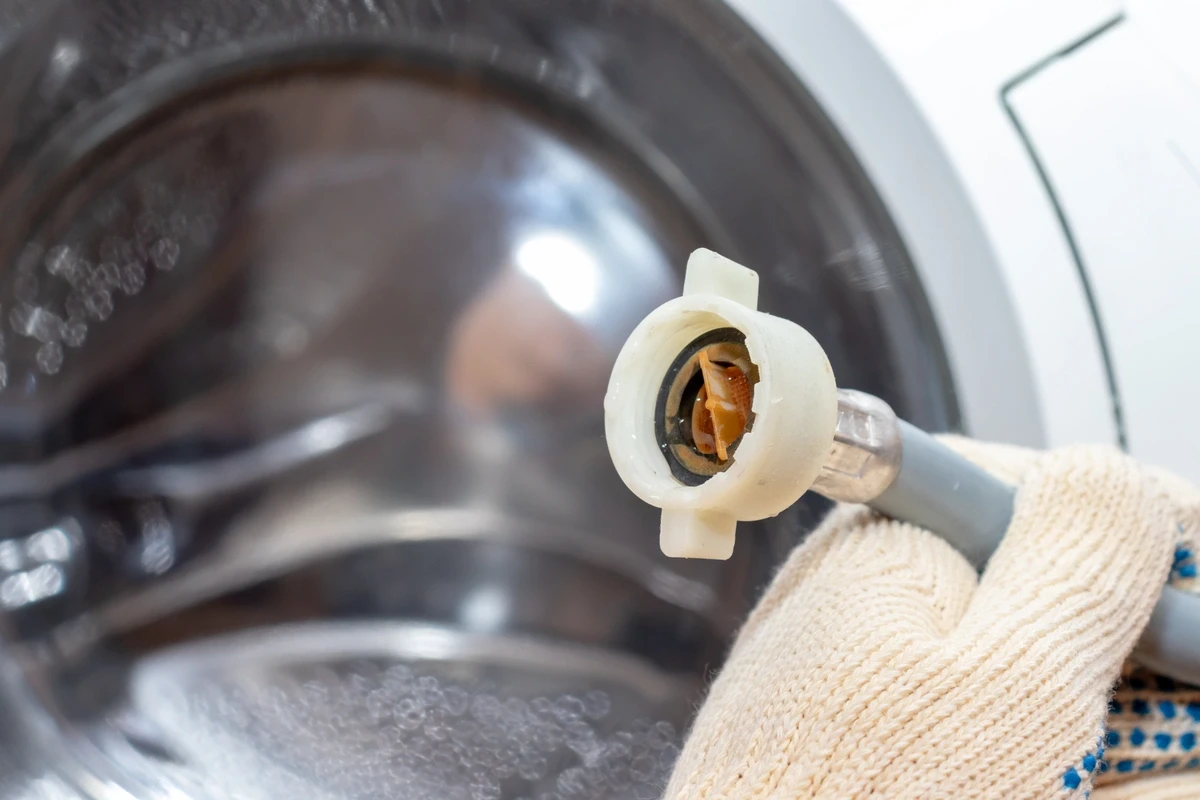
One common cause of a washing machine leaking from the bottom is damaged hoses or connections. Over time, these hoses can become worn or develop cracks, causing water to leak out. It’s important to regularly check the condition of the hoses and connections and replace them if necessary.
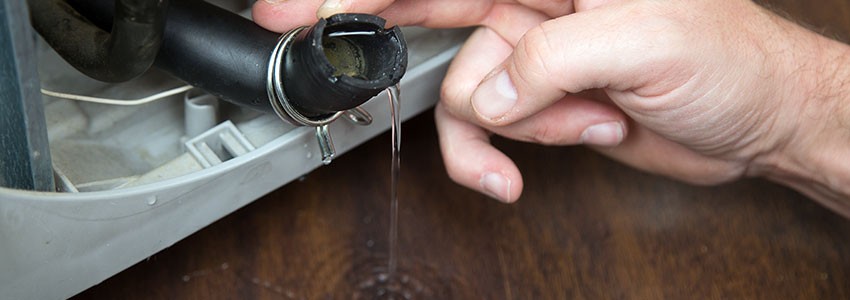
To inspect the hoses, start by unplugging the washing machine and turning off the water supply. Then, locate the hoses at the back of the machine. Check for any signs of damage, such as bulging, cracking, or leaking. If you notice any issues, it’s best to replace the hose as soon as possible.
In addition to the hoses, it’s also important to check the connections between the hoses and the water supply valve and the washing machine itself. Make sure the connections are tight and secure. If they appear loose or damaged, tighten the connections or replace them if needed.
When replacing hoses or connections, it’s important to use the correct type and size for your washing machine. Refer to the manufacturer’s instructions or consult a professional if you’re unsure. It’s also a good idea to consider using stainless steel hoses, as they are more durable and less likely to develop leaks.
Regularly inspecting and maintaining the hoses and connections of your washing machine can help prevent leaks and other issues. By addressing any damage or wear early on, you can avoid more significant problems and potentially expensive repairs in the future.
Faulty Water Inlet Valve
If your washing machine is leaking from the bottom, one possible cause could be a faulty water inlet valve. The water inlet valve is responsible for controlling the flow of water into the machine. Over time, this valve can become worn out or damaged, causing leaks.
To check if the water inlet valve is the source of the leak, you can perform a simple test. Start by turning off the water supply to the machine and unplugging it from the power source. Next, remove the supply hoses connected to the back of the machine. Inspect the valve for any signs of damage or wear. You may also want to inspect the hoses for any cracks or loose connections.
If you notice any issues with the water inlet valve or the hoses, they will need to be replaced. You can find replacement parts at your local home improvement store or from the manufacturer. It’s important to make sure you get the correct replacement parts to ensure proper functionality.
Before installing the new water inlet valve, make sure to thoroughly clean the area around the valve and remove any debris. Once the new valve is installed, reattach the supply hoses and turn on the water supply. Check for any leaks and run a test cycle to ensure the issue is resolved.
Tips for preventing future leaks:
- Regularly inspect and clean the water inlet valve and hoses.
- Be cautious when installing or moving the machine to avoid damaging the valve or hoses.
- Consider installing a water leak detection device near your washing machine as an extra precaution.
Overloading the Washing Machine
One of the common reasons why a washing machine may leak from the bottom is due to overloading. Overloading the washing machine can put excessive strain on the internal components, leading to leaks.
When you overload the machine, there is not enough space for the water to circulate properly during the washing cycle. This can cause the water to splash out of the machine and leak from the bottom.
Effects of Overloading

When you overload the washing machine, it can lead to several issues:
- Excessive vibration: The machine may start to shake violently during the spinning cycle, causing the water to spill out from the bottom.
- Damage to the drum: Overloading can cause the drum to become unbalanced, resulting in leaks from the bottom.
- Deterioration of seals: Overloading can put extra pressure on the seals of the washing machine, causing them to wear out and eventually lead to leaks.
Preventing Overloading
To prevent overloading and avoid leaks from the bottom of your washing machine, follow these guidelines:
- Follow the manufacturer’s instructions: Check the recommended load capacity for your washing machine and stick to it.
- Separate heavy items: Wash heavy items like blankets and towels separately to ensure balanced loads.
- Use a laundry scale: If you’re unsure about the weight of your laundry, use a laundry scale to measure it before loading.
By taking these precautions, you can prevent overloading your washing machine and minimize the risk of leaks from the bottom.
Worn Out Pump or Tub Seal
If you notice that your washing machine is leaking water from the bottom, there is a possibility that the pump or the tub seal has worn out. The pump is responsible for circulating water in the machine, while the tub seal prevents water from leaking between the tub and the surrounding components. If either of these parts becomes worn out or damaged, water can escape and cause leaks.
To determine if the pump or tub seal is the root cause of the leak, you can perform a simple inspection. Start by unplugging the washing machine and moving it away from the wall, ensuring that the water supply is turned off. Examine the area around the pump and tub to see if there are any visible signs of wear, such as cracks or holes. Additionally, check for any water stains or dampness that may indicate a leak.
If you suspect that the pump is the culprit, you can try cleaning it first as debris and clogs can often cause leaks. Remove any visible dirt or debris from the pump and check for obstructions in the hoses. If cleaning the pump does not solve the issue, it may need to be replaced.
Similarly, if you suspect that the tub seal is the problem, it will need to be replaced. This is a more complex task, and it is recommended to consult the washing machine’s manual or hire a professional technician to ensure proper installation.
Overall, a worn-out pump or tub seal can lead to leaks in your washing machine. By inspecting these parts and taking appropriate action, you can address the issue and prevent further damage to your appliance.
Video on the topic
LG washing machine top-rear vent leaking water. Leak from the back. Fix or preventive maintenance
✨ Whirlpool Washer Leaking – EASY FIX – $20.00 DIY FIX ✨
Answers to frequently asked questions
Read more practical tips and expert opinions about modern devices at appliances-news.com. Here you will find answers to questions about any technology.