Keeping your hair healthy and hydrated is essential, and using a conditioner is a great way to achieve this. However, to get the maximum benefit from your conditioner, it’s important to know where and how to apply it. In this article, we will explore the best places and techniques for pouring conditioner to achieve luscious, smooth hair.
The tips of your hair: One of the best places to pour conditioner is on the tips of your hair. This area is often the driest and most damaged, so applying conditioner here helps to nourish and repair the ends. To have maximum effect, make sure to use enough conditioner and gently massage it into the tips of your hair before rinsing.
The mid-lengths of your hair: Another important area to focus on when applying conditioner is the mid-lengths of your hair. This is where your hair may be prone to tangles and frizz, and conditioner can help to detangle and smooth out the hair. Pour a small amount of conditioner onto your palms and run them through the mid-lengths of your hair, making sure to distribute it evenly.
The roots of your hair: While it’s important to condition your hair, it’s best to avoid pouring conditioner directly onto the roots. The roots of your hair produce natural oils that help to keep your scalp moisturized, and adding too much conditioner here can make your hair look greasy. Instead, focus on the tips and mid-lengths of your hair, where the conditioner is most needed.
Remember, using the right technique and applying conditioner to the right places can make a big difference in achieving healthy and beautiful hair. Experiment with different amounts and methods of applying conditioner to find what works best for your hair type and texture. With a little practice, you’ll be able to pour conditioner like a pro and enjoy the benefits of hydrated and silky hair.
- Key considerations for placing your conditioner
- Top places to pour conditioner in your home
- Techniques for pouring conditioner effectively
- Extra tips for maximizing the benefits of conditioner
- 1. Leave the conditioner on for a few minutes
- 2. Use a wide-toothed comb
- 3. Try deep conditioning treatments
- 4. Avoid applying conditioner to the roots
- 5. Use a leave-in conditioner
- Video on the topic
- Ice Fan Trick to Sleep in the Heat + 20 Ways to Cool a Room Fast
- The (Overdue) Collapse Of Short Term Rentals
- Answers to frequently asked questions
Key considerations for placing your conditioner
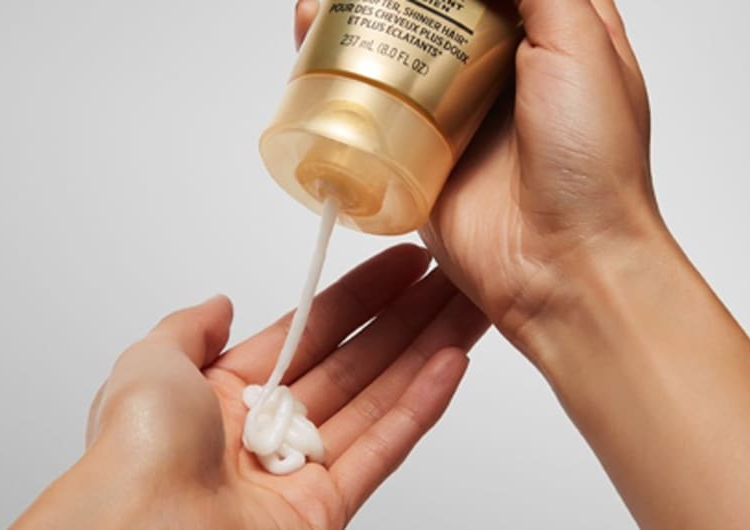
When it comes to placing your conditioner, there are a few key considerations to keep in mind. These considerations will help you determine the best location and technique for maximum conditioning and styling benefits.
1. Hair type: Consider your hair type when deciding where to pour conditioner. Different hair types require different levels of hydration and nourishment. For example, if you have dry or damaged hair, it’s best to concentrate the conditioner on the ends of your hair, where it needs the most moisture. On the other hand, if you have oily hair, it’s better to avoid applying conditioner to your roots as it may weigh your hair down.
2. Conditioning purpose: Determine the purpose of your conditioner. Are you looking to deeply condition, add volume, or tame frizz? The purpose of your conditioner will help guide you to the correct placement. For example, if you’re looking to add volume, apply the conditioner to your roots and work it through to the ends. If you’re looking to tame frizz, concentrate the conditioner on the mid-lengths and ends.
3. Application technique: The way you apply the conditioner can also affect its effectiveness. Generally, it’s best to start with a small amount and gradually add more if needed. Apply the conditioner evenly, using your fingers or a wide-tooth comb to distribute it throughout your hair. Avoid applying too much conditioner, as it can weigh your hair down and make it look greasy.
4. Rinse-off technique: Once the conditioner has been applied, rinse it off thoroughly. Leaving residue behind can lead to product buildup and weigh your hair down. Rinse your hair with cool or lukewarm water to seal the cuticles and lock in the moisture. Avoid using hot water, as it can strip away the natural oils and leave your hair dry.
5. Frequency of use: Consider how often you use conditioner. Using conditioner too frequently can lead to product buildup and make your hair look greasy. On the other hand, not using conditioner enough can result in dry and brittle hair. Find a balance that works for your hair type and adjust your conditioning routine accordingly.
By considering these key factors, you can ensure that you are placing your conditioner in the most beneficial way for your hair type and desired results. Whether you have dry, oily, or frizzy hair, finding the right placement and technique will help you achieve healthier, more manageable locks.
Top places to pour conditioner in your home
When it comes to conditioning your home, it’s important to consider the different areas where conditioner can be most effective. Below are the top places to pour conditioner in your home to maximize its benefits:
- Living Room: Pour conditioner near the air vents or place a bowl of conditioner on a heat-resistant surface. This will help distribute the conditioner evenly throughout the room and improve the air quality.
- Bedroom: Pour conditioner on a clean cloth and place it near your bed. This will create a soothing and relaxing atmosphere, promoting better sleep.
- Kitchen: Pour conditioner in a small spray bottle and spray it on kitchen surfaces. This will help combat odors and leave your kitchen smelling fresh and clean.
- Bathroom: Pour conditioner in the toilet tank to prevent the buildup of mineral deposits and stains. This will keep your toilet looking and smelling fresh.
- Closet: Place a bowl of conditioner in your closet to keep clothes smelling fresh and prevent musty odors.
- Office: Pour conditioner on a cotton ball and place it near your workspace. This will create a calming and pleasant environment, helping to improve focus and productivity.
Remember, when pouring conditioner in these areas, be mindful of any sensitive surfaces and always use a non-staining and non-toxic conditioner. By strategically placing conditioner in these top areas, you can enjoy the benefits of a fresh and conditioned home!
Techniques for pouring conditioner effectively
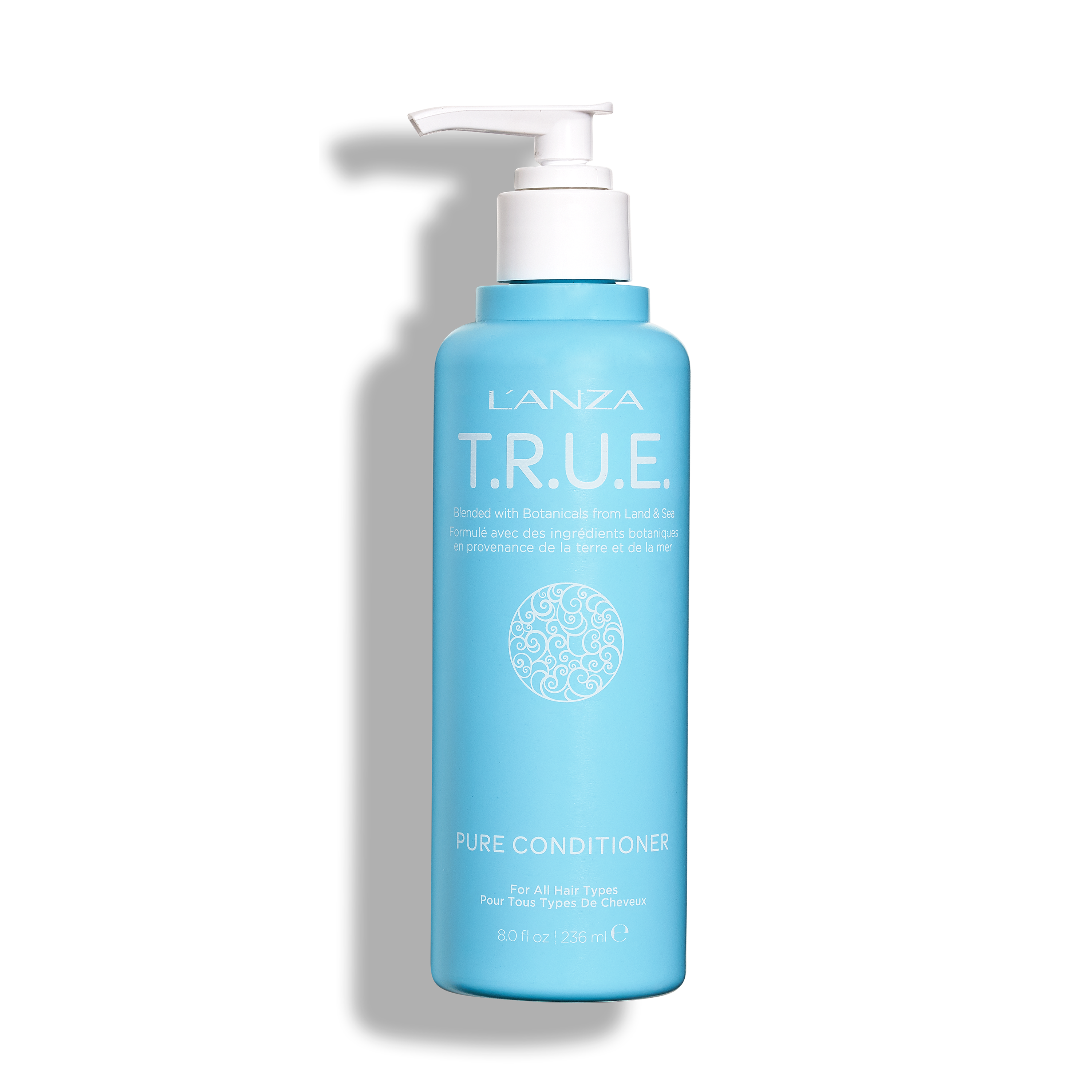
When it comes to conditioning your hair, how you pour the conditioner can make a big difference in its effectiveness. Here are some techniques to help you effectively apply conditioner for optimal results:
1. Section your hair: Before applying conditioner, divide your hair into sections. This will ensure that every strand is coated with conditioner and that it is evenly distributed throughout your hair.
2. Start from the ends: Begin applying conditioner from the ends of your hair and work your way up towards the roots. This helps to prevent the roots from becoming too greasy while ensuring that the ends, which are typically drier, receive more moisture.
3. Mix conditioner with water: To help distribute conditioner more evenly and prevent it from weighing your hair down, mix it with a little water. This creates a lighter consistency that is easier to work through your hair.
4. Leave it on: For maximum conditioning benefits, leave the conditioner on for a few minutes before rinsing it out. This allows the product to penetrate the hair shaft and provide deep hydration.
5. Use a wide-tooth comb: After applying conditioner, use a wide-tooth comb to gently detangle your hair. This helps to evenly distribute the product and prevents breakage.
By following these techniques, you can ensure that your conditioner is applied effectively, resulting in healthier, more manageable hair. Experiment with different methods to find the one that works best for your hair type and desired results.
Extra tips for maximizing the benefits of conditioner
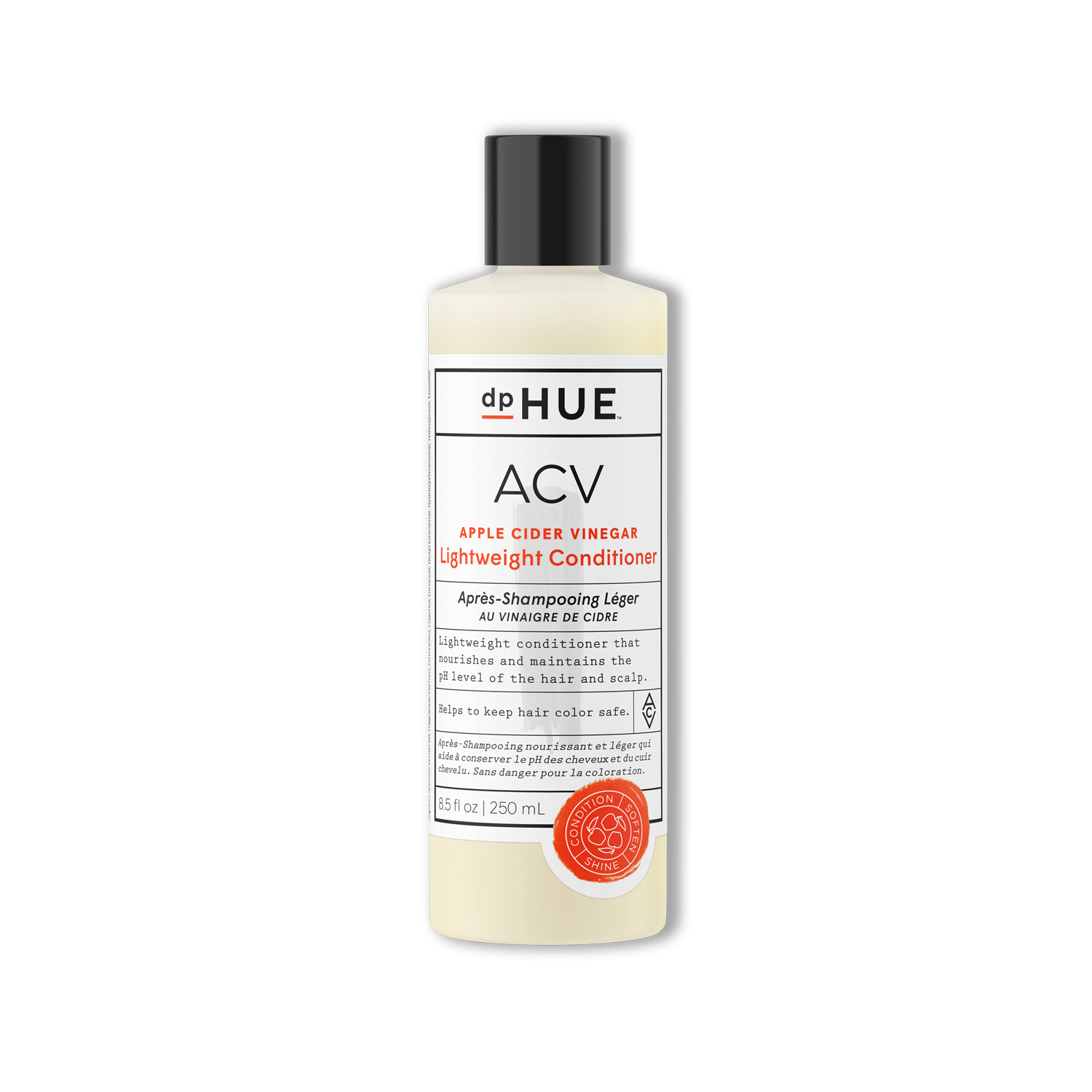
While conditioner is an essential part of any hair care routine, there are some extra tips and techniques you can use to maximize its benefits. Here are a few recommendations:
1. Leave the conditioner on for a few minutes
After applying conditioner to your hair, let it sit for a few minutes before rinsing it out. This allows the conditioner to penetrate the hair shaft and provide more nourishment and moisture.
2. Use a wide-toothed comb

Instead of using a brush to work the conditioner through your hair, opt for a wide-toothed comb. This helps to distribute the conditioner evenly and reduces the risk of breakage or damage.
3. Try deep conditioning treatments

For an extra boost of moisture, consider incorporating a deep conditioning treatment into your routine once or twice a week. These treatments typically require leaving the conditioner on for a longer period of time or using a special heat source to help the product penetrate the hair shaft.
4. Avoid applying conditioner to the roots

Applying conditioner directly to the roots of your hair can weigh it down and make it look greasy. Instead, focus on applying conditioner to the mid-lengths and ends of your hair, where it is most needed.
5. Use a leave-in conditioner

If you have particularly dry or damaged hair, consider using a leave-in conditioner after washing your hair. This can provide all-day moisture and protection, while also helping to detangle and style your hair.
| Benefits of extra tips for maximizing the benefits of conditioner: |
|---|
| Enhanced moisture and nourishment for the hair |
| Reduced risk of breakage or damage |
| Improved manageability and styling |
| Prevention of greasy roots |
| Long-lasting moisture and protection with leave-in conditioner |
By following these extra tips and techniques, you can maximize the benefits of conditioner and achieve healthier, more beautiful hair.
Video on the topic
Ice Fan Trick to Sleep in the Heat + 20 Ways to Cool a Room Fast
The (Overdue) Collapse Of Short Term Rentals
Answers to frequently asked questions
Read more practical tips and expert opinions about modern devices at appliances-news.com. Here you will find answers to questions about any technology.