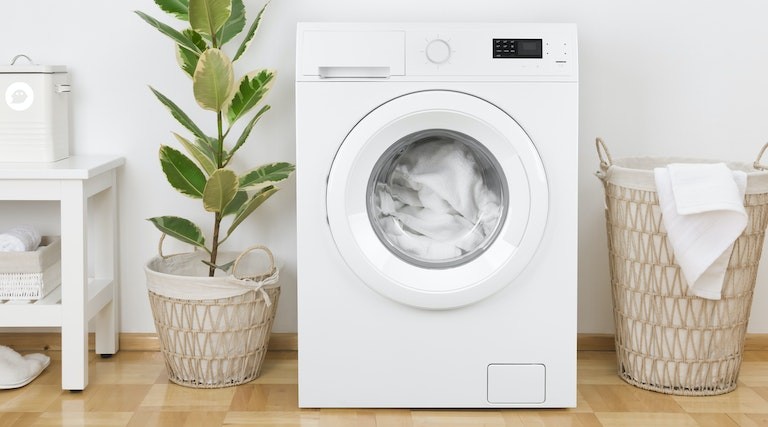
Having a washing machine that doesn’t wash the laundry can be frustrating and inconvenient. However, there are several common issues that can cause this problem, and most of them can be easily solved.
One of the most common reasons for a washing machine not washing the laundry is a clogged or blocked water supply line. This can happen due to the build-up of sediment or debris in the line. To fix this issue, you can start by turning off the water supply to the machine and then disconnecting the supply hose. Inspect the hose for any clogs or blockages, and clean it if necessary. Also, check the inlet valve on the machine for any debris and clean it as well.
Another possible cause for a washing machine not washing the laundry is a malfunctioning water inlet valve. The water inlet valve is responsible for controlling the flow of water into the machine, and if it is faulty or damaged, it may not allow enough water to enter the machine. In this case, you will need to replace the water inlet valve. This can be done by purchasing a new valve that matches the make and model of your washing machine and following the manufacturer’s instructions for installation.
Additionally, a washing machine not washing the laundry could be due to a problem with the motor or the belt that drives it. If the motor is not running or the belt is broken or loose, the machine will not be able to agitate the water and laundry properly. You can try to troubleshoot this issue by inspecting the motor and belt for any visible damage or signs of wear. If necessary, you will need to replace the motor or belt to restore proper functionality to the machine.
In conclusion, there are several potential solutions for a washing machine drawing water but not washing the laundry. By checking the water supply line, the water inlet valve, and the motor and belt, you can identify and resolve the issue. If you are unsure about how to perform any of these tasks, it is always best to consult the manufacturer’s manual or seek professional help.
- Common Issues with a Washing Machine
- 1. Water Leakage
- 2. Not Draining Properly
- 3. Not Spinning
- 4. Excessive Noise
- 5. Not Dispensing Detergent
- Troubleshooting Steps for a Washing Machine Not Cleaning Clothes
- 1. Check the water temperature
- 2. Verify the detergent amount
- 3. Clean the washing machine drum
- 4. Inspect the water inlet valve
- 5. Check the agitator or impeller
- 6. Examine the washing machine belt
- Possible Reasons for a Washing Machine Filling with Water but Not Agitating
- Video on the topic
- Top-Load Washer Leaking Water — Top-Load Washing Machine Troubleshooting
- What Is Washing Machine Drain Problem Solved Part 1 Lambretta Ramesh
- Washing Machine Will Not Fill With Water – Keeps Draining – How To Fix?
- Answers to frequently asked questions
Common Issues with a Washing Machine
When your washing machine is not working properly, it can be frustrating and inconvenient. Here are some common issues that you may encounter with your washing machine:
1. Water Leakage
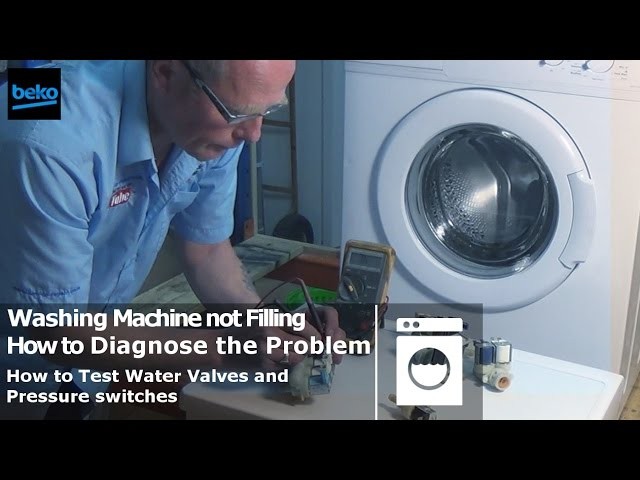
One common problem with washing machines is water leakage. This can occur due to a variety of reasons, such as a worn-out door seal, a faulty pump, or a damaged water hose. If you notice water leaking from your washing machine, it is important to address the issue as soon as possible to avoid further damage.
2. Not Draining Properly

If your washing machine is not draining properly, it may be due to a clogged drain hose or a faulty pump. A clogged drain hose can prevent the water from being expelled from the machine, leading to standing water in the drum. In some cases, you may need to manually clean the drain hose or replace it altogether.
3. Not Spinning
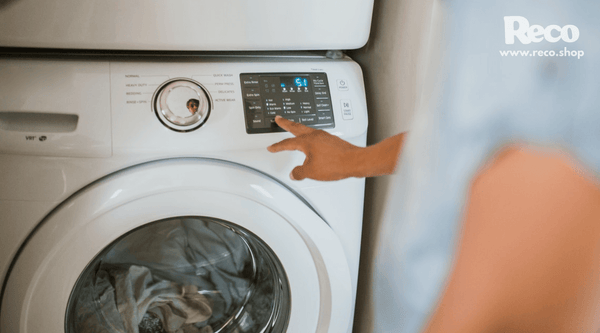
Another common issue with washing machines is when they fail to spin. This can be caused by a number of factors, such as a malfunctioning lid switch, a broken drive belt, or a faulty motor. If your washing machine is not spinning, it may result in wet and unwashed clothes at the end of the cycle.
4. Excessive Noise
If your washing machine is making excessive noise during operation, it may indicate a problem. This can be caused by a faulty drum bearing, worn-out belts, or loose components. It is important to address the issue promptly to prevent further damage to the machine and to ensure that it operates smoothly and quietly.
5. Not Dispensing Detergent
If your washing machine is not dispensing detergent properly, it may be due to a clogged dispenser or a malfunctioning dispenser mechanism. This can result in clothes that are not properly cleaned. It is important to clean the dispenser regularly and check for any damage or blockages.
These are just a few common issues that can occur with a washing machine. It is important to troubleshoot and address these problems to ensure that your washing machine functions optimally and provides clean and well-washed laundry.
Troubleshooting Steps for a Washing Machine Not Cleaning Clothes
If your washing machine is not cleaning clothes properly, it can be frustrating and leave you with dirty laundry. However, there are a few troubleshooting steps you can take to try and resolve the issue:
1. Check the water temperature
The water temperature plays an important role in the effectiveness of your washing machine. If the water is too cold, it may not be able to effectively remove dirt and stains. Make sure the water temperature is set appropriately for the type of clothing you are washing.
2. Verify the detergent amount
Using too much or too little detergent can impact the cleaning performance of your washing machine. Always follow the manufacturer’s instructions for the correct amount of detergent based on the load size and soil level. Additionally, consider using high-quality detergents that are specifically formulated for your type of washing machine.
3. Clean the washing machine drum
Over time, dirt, lint, and residue can build up inside the washing machine drum, which can affect its cleaning performance. Regularly clean the drum and remove any debris or build-up. You can use a mixture of vinegar and water or a washing machine cleaner to thoroughly clean the drum.
4. Inspect the water inlet valve
The water inlet valve controls the amount of water that enters the washing machine. If it is not functioning properly, it can result in inadequate water flow, leading to poor cleaning performance. Inspect the water inlet valve for any clogs or damage, and replace it if necessary.
5. Check the agitator or impeller

The agitator or impeller is responsible for agitating or spinning the clothes during the wash cycle. If it is not working correctly, it can prevent the clothes from being cleaned thoroughly. Inspect the agitator or impeller for any obstructions or damage, and ensure it is properly attached to the washing machine motor.
6. Examine the washing machine belt
A worn or loose washing machine belt can result in reduced cleaning performance. Inspect the belt for any signs of wear, such as cracks or fraying, and replace it if necessary. Additionally, check the tension of the belt to ensure it is properly tightened.
By following these troubleshooting steps, you should be able to determine the cause of your washing machine not cleaning clothes properly and take the necessary measures to resolve the issue. If the problem persists, it may be advisable to consult a professional technician or consider replacing the washing machine.
Possible Reasons for a Washing Machine Filling with Water but Not Agitating
When your washing machine is filling with water but not agitating the laundry, there can be several potential causes. Understanding these possible reasons can help you diagnose and resolve the issue. Here are some common culprits to consider:
1. Defective Motor: A faulty motor can prevent the agitator from spinning. A burned-out motor or malfunctioning motor switch may be to blame. In this case, it is best to call a professional technician to inspect and repair the motor.
2. Broken Agitator: If the agitator itself is broken or damaged, it will not be able to move and agitate the clothes. Inspect the agitator for any visible signs of wear or breakage. If necessary, replace the agitator to restore normal functioning.
3. Worn or Broken Belts: The washing machine’s motor is connected to the agitator through belts. Over time, these belts can become worn, loose, or broken, preventing the agitator from spinning. Inspect the belts for any signs of damage and replace them if necessary.
4. Faulty Lid Switch: The lid switch is a safety feature that prevents the machine from agitating when the lid is open. If the lid switch is broken or malfunctioning, it may signal the machine to fill with water but not agitate. Test the lid switch and replace it if needed.
5. Malfunctioning Timer: The timer controls the various cycles of the washing machine. If the timer is not functioning correctly, it may not signal the machine to agitate after filling with water. Check the timer for any signs of damage or wear and replace it if necessary.
6. Clogged or Faulty Water Inlet Valve: A clogged or malfunctioning water inlet valve can prevent water from entering the machine properly, which can lead to a lack of agitation. Clean or replace the water inlet valve as needed.
Remember, it is always recommended to consult the washing machine’s manual or contact a professional technician if you are unsure how to diagnose or fix the issue.
Video on the topic
Top-Load Washer Leaking Water — Top-Load Washing Machine Troubleshooting
What Is Washing Machine Drain Problem Solved Part 1 Lambretta Ramesh
Washing Machine Will Not Fill With Water – Keeps Draining – How To Fix?
Answers to frequently asked questions
Read more practical tips and expert opinions about modern devices at appliances-news.com. Here you will find answers to questions about any technology.