
Discovering water leaks in your washing machine when it’s switched off can be frustrating and concerning. There are a few potential reasons why this might be happening, and it’s important to address the issue to prevent further damage.
1. Faulty Inlet Valve: One possible culprit is a malfunctioning inlet valve. This component is responsible for controlling the flow of water into the machine. If the valve fails to close properly when the washing machine is turned off, it can result in a steady drip or even a continuous flow of water into the appliance.
2. Damaged Water Supply Hose: Another common cause of water leakage is a damaged or worn out water supply hose. Over time, the hose may develop cracks or become loose, allowing water to escape. Carefully inspect the hose for any signs of damage, such as cracks, tears, or weakened connections.
3. Clogged Drain Pump or Filter: A clogged drain pump or filter can also lead to water leakage. If these components become blocked with debris, water can back up and overflow onto the floor. Regularly cleaning and maintaining the drain pump and filter can help prevent clogs and reduce the risk of leaks.
In conclusion, water leakage in a washing machine when it is switched off can be caused by a faulty inlet valve, a damaged water supply hose, or a clogged drain pump or filter. Identifying the source of the leak is crucial in order to resolve the issue promptly and prevent further damage to your appliance and home.
- The main reasons for water leakage in a switched-off washing machine
- 1. Faulty water inlet valve
- 2. Defective water level switch
- Faulty water inlet valve
- Cracked or damaged water hose
- Causes of cracked or damaged water hose
- Prevention and solution
- Worn out or defective water pump
- Broken drum seal or gasket
- Clogged or blocked drainage system
- Signs of a clogged or blocked drainage system:
- How to fix a clogged or blocked drainage system:
- Overflowing detergent dispenser
- Additional tips to prevent an overflowing detergent dispenser:
- Video on the topic
- How to Fix Whirlpool Washer Leaking Water Inside Tub | Washer Filling When OFF | Model #WTW5600XW0
- Answers to frequently asked questions
The main reasons for water leakage in a switched-off washing machine

Water leakage in a switched-off washing machine can be a major inconvenience and potential cause of damage to your home. Understanding the main reasons for this problem can help you address the issue quickly and efficiently.
1. Faulty water inlet valve
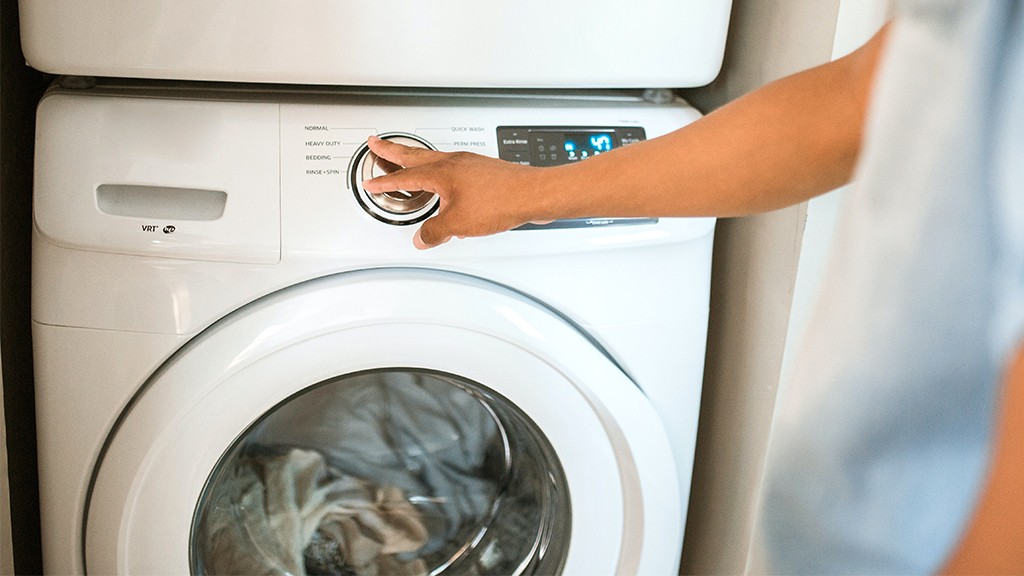
The water inlet valve is responsible for controlling the flow of water into the washing machine. If it becomes faulty or damaged, it may not completely shut off the water supply, even when the machine is turned off. This can result in small amounts of water continuously leaking into the machine.
2. Defective water level switch

The water level switch, also known as the pressure switch, detects the amount of water in the washing machine’s tub. If this switch malfunctions, it may not properly signal the machine to stop filling with water. As a result, water can continue to enter the machine, even when it is not in use.
It is important to note that water leakage in a switched-off washing machine can also be caused by other factors, such as a damaged hose or a clogged drain pipe. If you have ruled out the above-mentioned reasons, it may be necessary to seek the assistance of a professional technician to identify and resolve the issue.
If you experience water leakage in your washing machine, it is crucial to handle the situation promptly to prevent further damage. Failure to address this problem can lead to mold growth, deterioration of electrical components, and other costly repairs. Always consult the manufacturer’s manual or contact a qualified technician for proper guidance and assistance.
Faulty water inlet valve

A common reason for water leakage in a washing machine when it is switched off is a faulty water inlet valve. The water inlet valve is responsible for controlling the flow of water into the machine during the wash cycle. Over time, the valve can become worn out or develop cracks, causing water to leak even when the machine is not in use.
If you notice water leaking into your washing machine when it is switched off, it is important to check the water inlet valve for any signs of damage. You can do this by inspecting the valve for cracks or leaks. Additionally, you can try turning off the water supply to the machine and see if the leakage stops. If it does, it is likely that the water inlet valve is defective and needs to be replaced.
Replacing a faulty water inlet valve is a relatively simple task that can be done by a professional or experienced DIYer. However, if you are not confident in your abilities, it is always best to call a professional technician to ensure the job is done correctly and safely.
In conclusion, a faulty water inlet valve is one of the common reasons for water leakage in a washing machine when it is switched off. By identifying and replacing the defective valve, you can prevent further leaks and ensure the proper functioning of your washing machine.
Cracked or damaged water hose
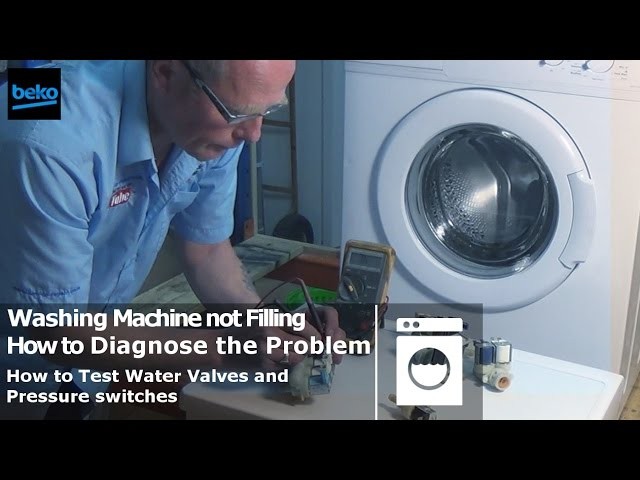
One of the common reasons why water may be leaking into the washing machine when it is switched off is due to a cracked or damaged water hose. The water hose is responsible for carrying water from the main supply to the washing machine. Over time, these hoses can become brittle or develop small cracks, leading to water leakage.
If you notice water pooling near the washing machine even when it is not in use, it is crucial to inspect the water hose. Look for any visible signs of damage such as cracks, bulges, or visible wear and tear. The hose should be flexible but not overly soft or stiff.
Causes of cracked or damaged water hose
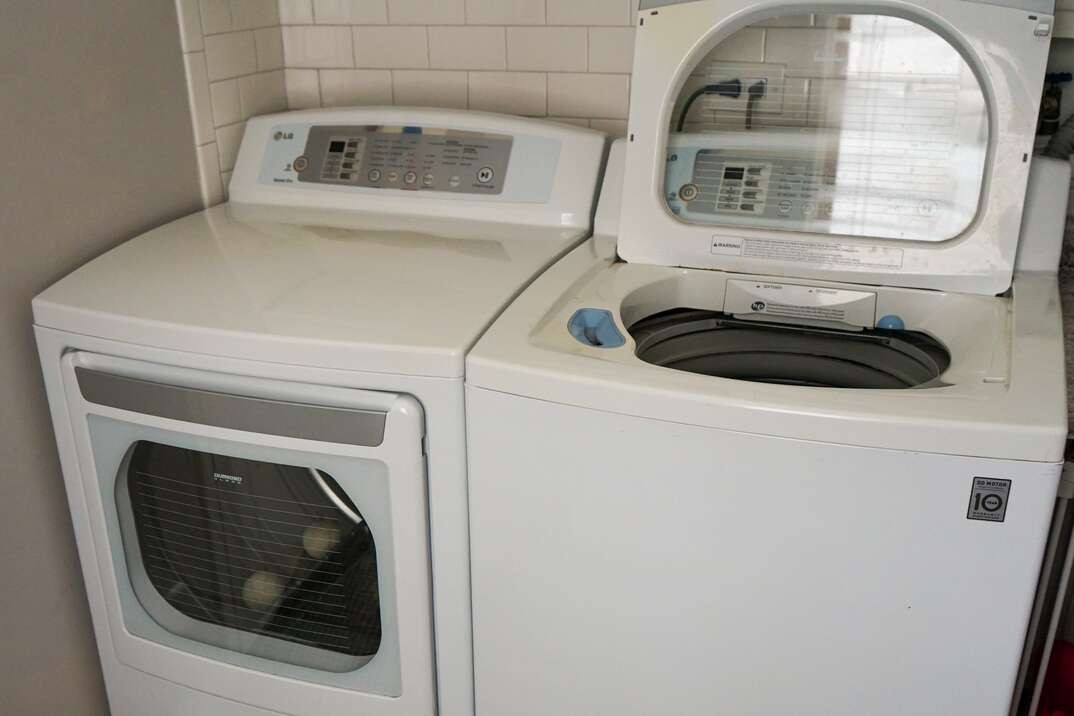
Several factors can contribute to the cracking or damaging of a water hose in a washing machine:
- Aging: Over time, the water hose may weaken due to age and extended usage. Regular wear and tear can lead to cracks or small holes in the hose.
- High water pressure: If the water pressure in your area is excessively high, it can put strain on the hose, causing it to crack or burst.
- Incorrect installation: If the water hose is not properly installed, with excessive bending or kinking, it can lead to weak spots in the hose, making it more prone to damage.
Prevention and solution
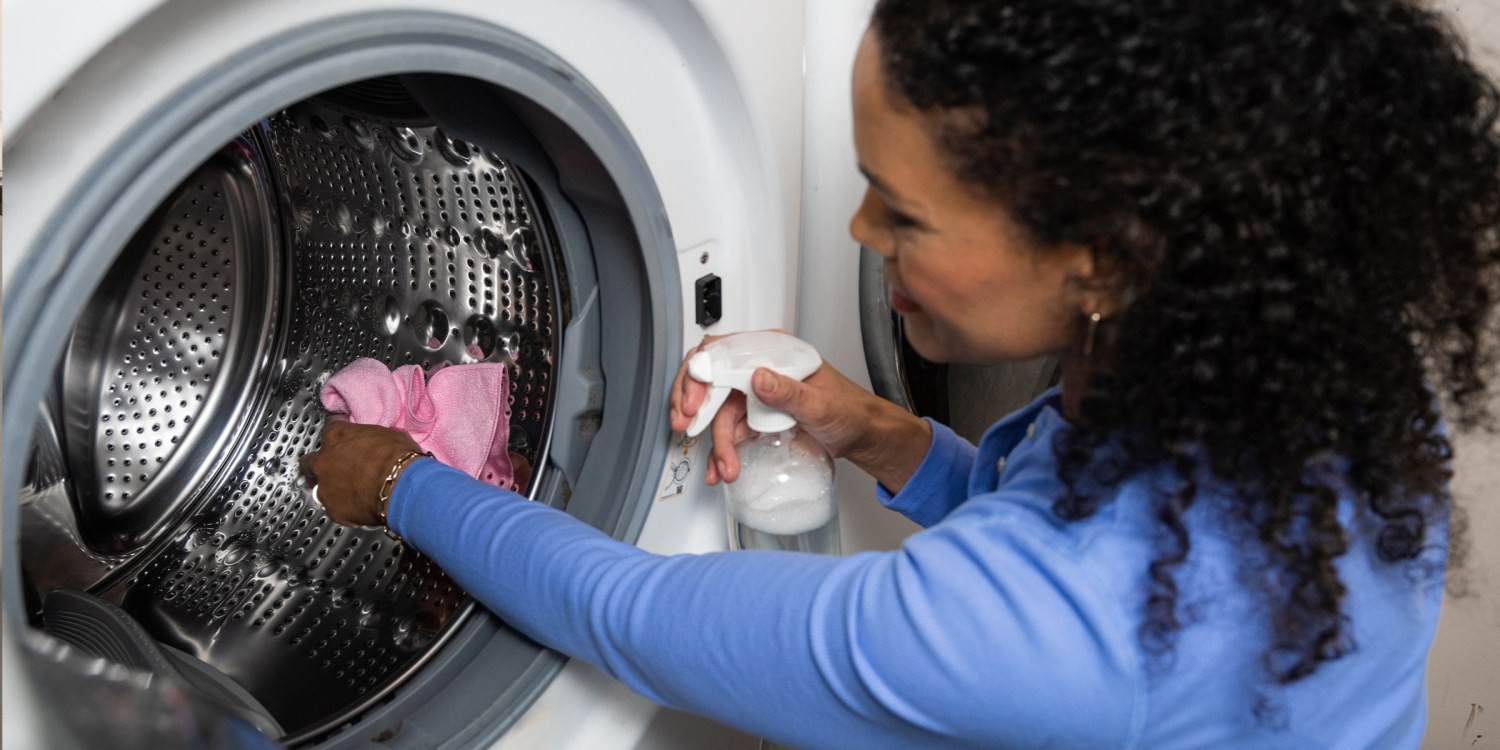
To prevent water leakage from a cracked or damaged water hose, it is essential to take proper maintenance and preventive measures:
- Regularly inspect the water hose for any signs of damage or wear and tear. Replace the hose if any issues are detected.
- Avoid overloading the washing machine, as excessive vibrations can put strain on the hose and lead to damage.
- Ensure the water pressure is within the recommended range. If the pressure is too high, consider installing a pressure regulator.
- Follow the manufacturer’s instructions for proper installation of the water hose. Avoid excessive bending or kinking.
By being proactive and conducting regular maintenance, you can prevent water leakage from a cracked or damaged water hose in your washing machine, ensuring its efficient operation and longevity.
Worn out or defective water pump
If water is leaking into the washing machine when it is switched off, one possible reason is a worn out or defective water pump. The water pump is responsible for circulating water throughout the machine during the wash and rinse cycles. If the pump is damaged or worn out, it may not be able to properly drain water from the machine, leading to leaks.
To check if the water pump is the culprit, you can perform a simple test. First, unplug the machine and remove any water that might be inside. Then, locate the water pump, which is usually located at the bottom of the machine. Inspect the pump for any signs of damage, such as cracks or leaks. Additionally, check if the pump is spinning freely or if it is making any unusual noises. A pump that is not spinning or making strange sounds may indicate a problem.
If you suspect that the water pump is the cause of the leaks, it is recommended to replace it. You can contact a professional repair service or consult the manufacturer’s instructions for guidance on how to replace the water pump. Alternatively, if you have some DIY skills, you might be able to replace the pump yourself. Just make sure to follow the proper safety precautions and consult a guide or tutorial specific to your washing machine model.
Remember, a worn out or defective water pump can cause water leakage in a washing machine even when it is switched off. It is important to address this issue promptly to avoid further damage and potential safety hazards.
Broken drum seal or gasket
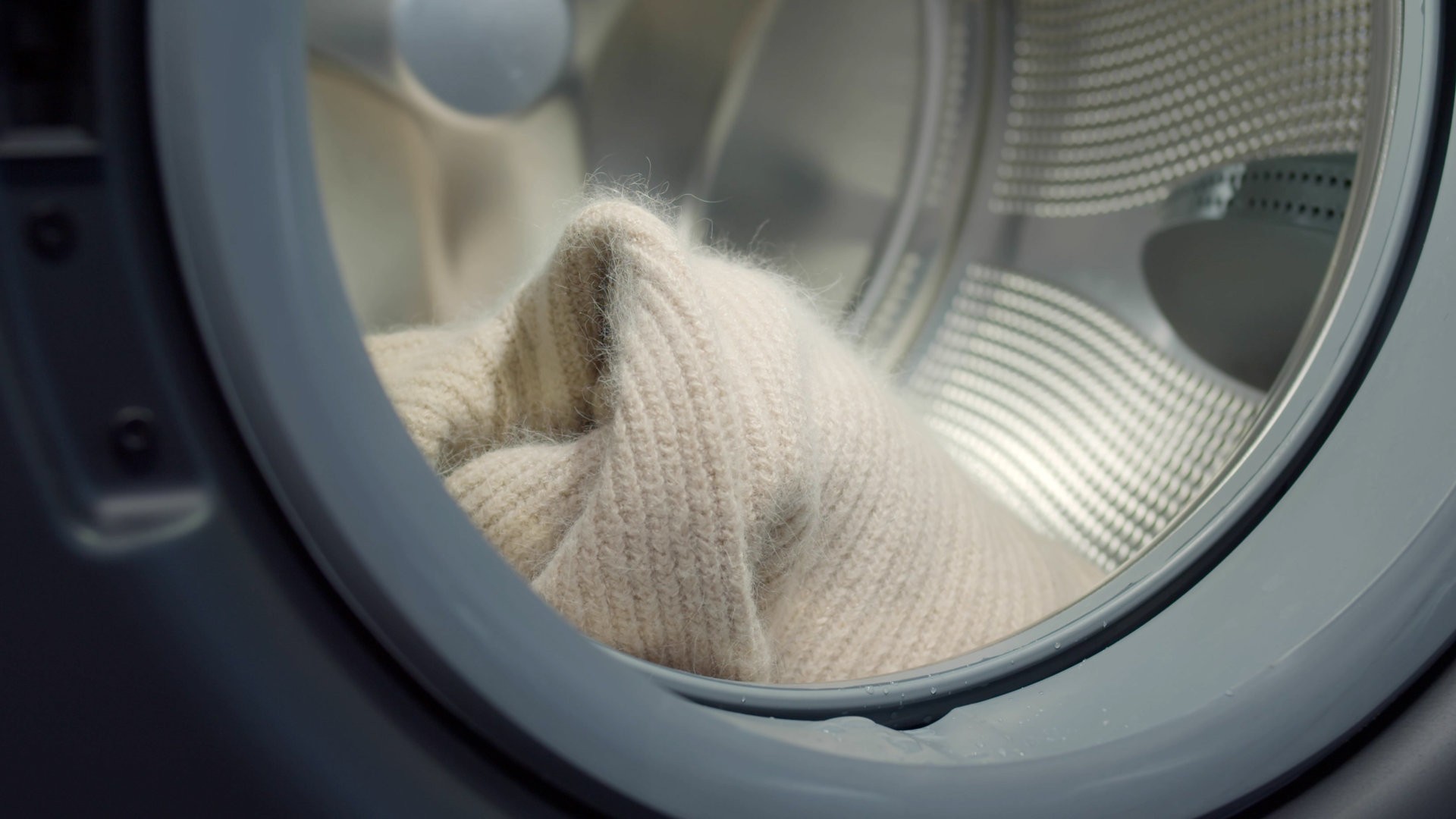
The drum seal or gasket is a rubber or silicone part that creates a watertight seal between the drum and the outer tub of the washing machine. This seal prevents water from leaking out of the machine during the wash and spin cycles. However, if the drum seal or gasket is broken or damaged, water can leak into the machine even when it is switched off.
Common causes of a broken drum seal or gasket include wear and tear over time, excessive use of detergent or harsh chemicals, and physical damage such as tears or holes. When the seal or gasket is compromised, water can seep through and collect in the bottom of the machine, leading to leakage.
If you suspect a broken drum seal or gasket, there are a few signs to look out for. First, check for any visible damage such as cracks, tears, or deformities. You may also notice water pooling around the washing machine or leaking onto the floor. Additionally, an unpleasant odor or mildew growth inside the machine can be a sign of water leakage due to a broken seal or gasket.
To fix a broken drum seal or gasket, you will need to replace the damaged part. This typically involves removing the old seal or gasket and installing a new one. It is recommended to consult the washing machine’s user manual or seek professional assistance for this repair, as the process can vary depending on the make and model of the machine.
Preventing a broken drum seal or gasket can be done by following a few simple maintenance steps. Avoid overloading the washing machine with too many clothes, as this can put excessive strain on the drum seal or gasket. Use the appropriate amount of detergent, as excessive use can cause damage over time. It is also important to clean the seal or gasket regularly to remove any dirt or debris that could cause deterioration.
In conclusion, a broken drum seal or gasket can be a common cause of water leakage into a washing machine when it is switched off. Regular maintenance, proper usage, and prompt repairs can help prevent this issue and ensure the longevity of the machine.
Clogged or blocked drainage system

One possible reason why water is leaking into the washing machine when it is switched off is a clogged or blocked drainage system. The drainage system is responsible for removing dirty water from the machine during the wash and rinse cycles. If it becomes blocked or clogged, the water can back up and leak out of the machine.
A common cause of a clogged or blocked drainage system is the accumulation of lint, debris, or foreign objects in the drain hose or pump filter. Over time, these materials can build up and create a blockage that prevents water from flowing freely through the drainage system. Additionally, small items such as coins or buttons can also get lodged in the pump filter or drain hose, leading to a blockage.
Signs of a clogged or blocked drainage system:
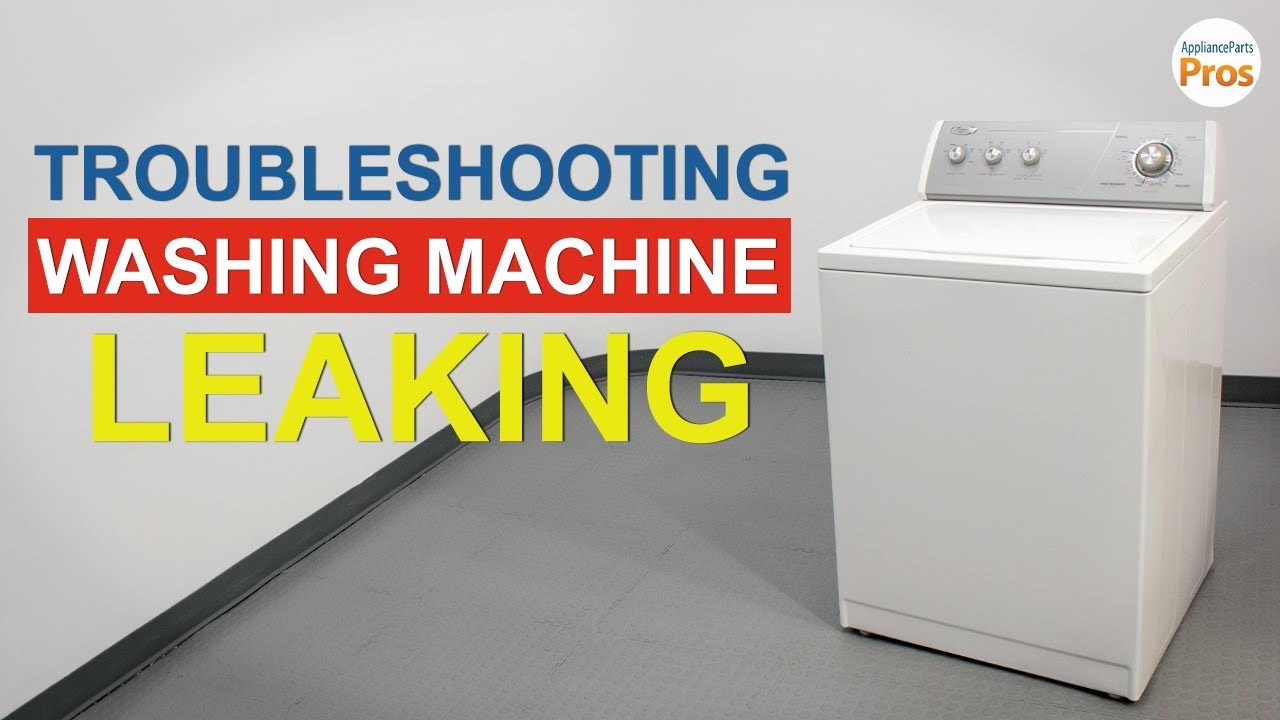
There are several signs that may indicate a clogged or blocked drainage system in a washing machine:
- Water leaking from the machine when it is switched off.
- Slow drainage or standing water in the drum after a wash cycle.
- Unusual noises coming from the machine during the draining process.
How to fix a clogged or blocked drainage system:

If you suspect that a clogged or blocked drainage system is causing the water leakage, here are some steps you can take to fix the issue:
| Step | Instructions |
|---|---|
| 1 | Unplug the washing machine from the power source to ensure safety. |
| 2 | Locate the drain hose, which is usually positioned at the back of the machine. |
| 3 | Inspect the drain hose for any kinks, bends, or blockages. Straighten out any kinks and remove any visible obstructions. |
| 4 | Check the pump filter, which is typically located near the bottom front of the machine. Unscrew the filter cap and remove any debris or objects that may be causing a blockage. |
| 5 | Run a test cycle with the machine empty to ensure that the issue has been resolved. |
If the problem persists after following these steps, it may be necessary to seek professional assistance to diagnose and repair the drainage system. A qualified technician will have the expertise and tools to effectively address the issue and prevent further water leakage in the future.
Overflowing detergent dispenser
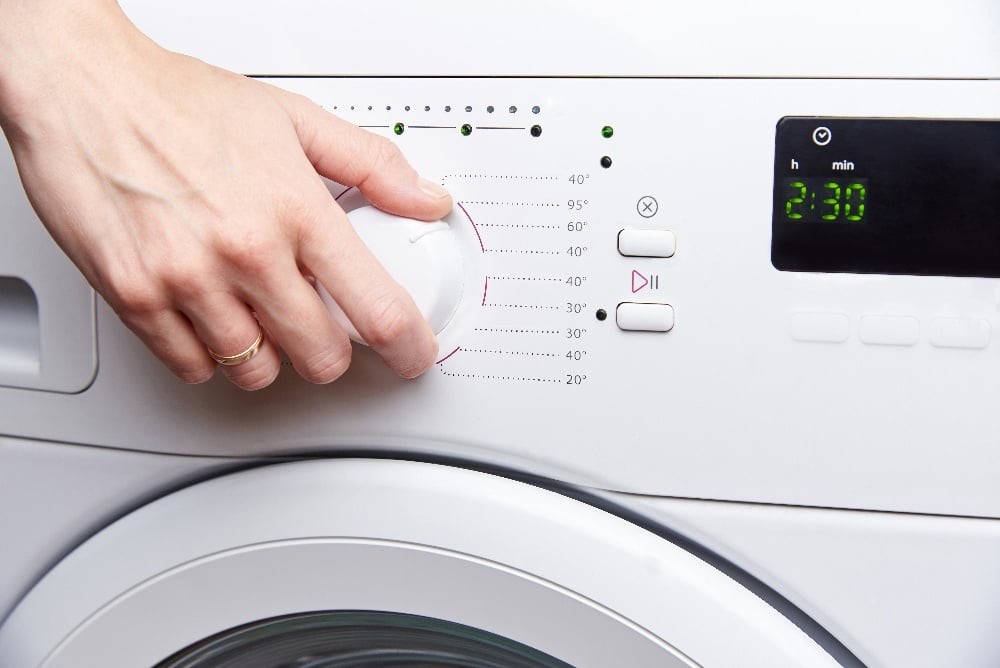
If water is leaking into the washing machine even when it is switched off, one potential cause could be an overflowing detergent dispenser.
Overfilling the detergent dispenser can create a buildup of soap and residue, which can cause water to leak out of the washing machine. When too much detergent is used or if it is not properly diluted, it can create excess suds that overflow from the dispenser and lead to leaks.
To prevent this issue, it is important to follow the manufacturer’s instructions regarding the proper amount of detergent to use for each load. Using too much detergent not only increases the risk of leaks, but it can also result in poor cleaning performance and may even damage the washing machine over time.
Furthermore, make sure to check that the detergent dispenser is free from any clogs or blockages. Sometimes, residue or leftover detergent can accumulate and prevent the dispenser from properly releasing the detergent into the washing machine. Regularly cleaning the dispenser by rinsing it with warm water or using a brush can help prevent clogs and leaks.
Additional tips to prevent an overflowing detergent dispenser:
1. Use the right type of detergent: Make sure to use a detergent specifically designed for use in washing machines. These detergents are formulated to produce less suds, reducing the risk of overflow. Avoid using hand soaps, dish soaps, or other cleaning agents not meant for washing machines.
2. Properly measure the detergent: Use measuring cups or follow the guidelines on the detergent packaging to ensure the correct amount of detergent is used for each load. More is not always better, and using too much detergent can lead to leaks and other issues.
By addressing the overflowing detergent dispenser issue, you can reduce the risk of water leakage when the washing machine is switched off and improve its overall performance.
Video on the topic
How to Fix Whirlpool Washer Leaking Water Inside Tub | Washer Filling When OFF | Model #WTW5600XW0
Answers to frequently asked questions
Read more practical tips and expert opinions about modern devices at appliances-news.com. Here you will find answers to questions about any technology.


