
The pressostat is a crucial component in a washing machine, responsible for regulating the water level during the washing process. It serves as a pressure switch that monitors the pressure inside the washing machine’s drum. By effectively controlling the water level, the pressostat ensures optimal washing performance and protects the machine from potential damage.
When you start a wash cycle, the drum begins to fill with water. Simultaneously, air is trapped in a chamber connected to the pressostat. As the water level rises, so does the air pressure inside the chamber. The pressostat has a diaphragm that detects this air pressure change, triggering a switch mechanism.
Once the switch is activated, it sends a signal to the washing machine’s control unit, informing it that the desired water level has been reached. In turn, the control unit stops the water inlet valve, preventing any further water from entering the drum. This process ensures that the water level remains consistent throughout the washing cycle.
The pressostat also has a safety function. If the water level exceeds a certain limit, the pressostat detects the excessive pressure and triggers an overflow protection mechanism. This mechanism interrupts the wash cycle and prevents any potential water overflow, safeguarding your washing machine and surrounding area from water damage.
- Understanding Washing Machine Pressostat
- What is a Pressostat?
- How Does It Work?
- Working Mechanism of Washing Machine Pressostat
- Benefits of Using a Washing Machine Pressostat
- Factors to Consider When Choosing a Washing Machine Pressostat
- Installation Process of Washing Machine Pressostat
- Tools and Materials
- Step-by-Step Instructions
- Maintenance and Troubleshooting of Washing Machine Pressostat
- Regular Maintenance
- Troubleshooting
- Video on the topic
- Fixing Washing Machine Pressure Switch Problems
- Washing machine pressure sensors; testing them with a multimeter
- Washer Pressure switch test DIY Troubleshooting a washing machine that won’t fill or is overflowing.
- Answers to frequently asked questions
Understanding Washing Machine Pressostat
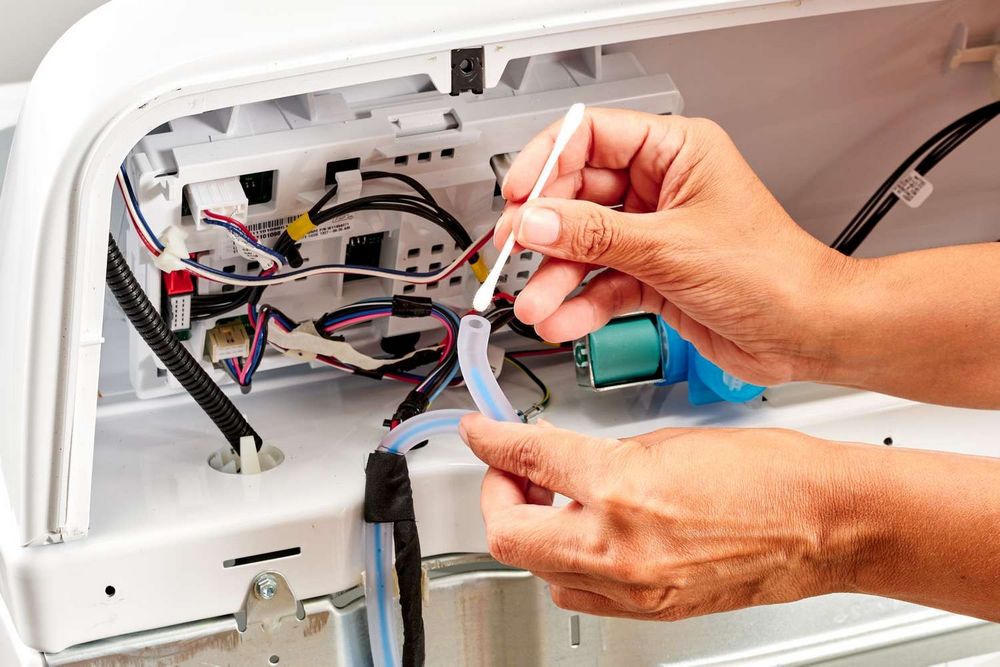
The washing machine pressostat is a crucial component in the functioning of a washing machine. It is responsible for monitoring and controlling the water level inside the machine during the wash cycle. Understanding how the pressostat works is essential for troubleshooting and repairing any issues with your washing machine.
What is a Pressostat?
A pressostat, also known as a pressure switch, is an electronic device that senses and controls the pressure of a fluid. In the context of a washing machine, the pressostat measures the water pressure in the drum and sends signals to the control board to regulate the water level and initiate various washing cycles.
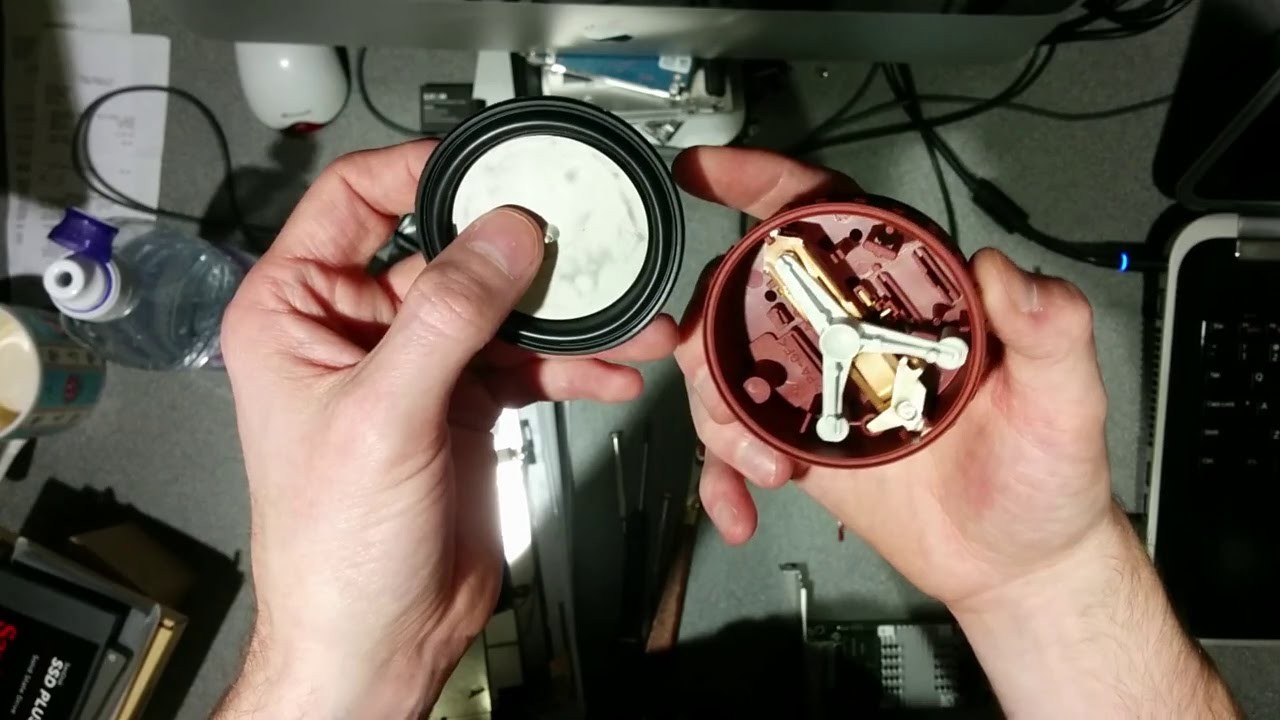
The pressostat consists of a pressure sensor connected to a flexible diaphragm. The diaphragm is exposed to the water pressure inside the drum. As the water level rises or decreases, the pressure on the diaphragm changes. The pressure sensor detects these changes and sends voltage signals corresponding to the water level to the control board.
How Does It Work?

When you start a wash cycle, the pressostat detects the initial water level by measuring the pressure inside the drum. This information is relayed to the control board, which then determines the appropriate amount of water required for the selected cycle. The pressostat continues to monitor the pressure throughout the cycle and adjusts the water level as needed.
During the wash cycle, the pressostat ensures that the water level remains constant. If the water level drops below a certain threshold, the pressostat sends a signal to the control board to activate the water inlet valve and add more water. On the other hand, if the water level exceeds the desired level, the pressostat signals the control board to stop the water flow.
In addition to controlling the water level, the pressostat also plays a role in other washing machine functions. For example, it may signal the motor to start agitating the clothes once the desired water level is reached. It can also trigger the draining process at the end of a cycle by detecting a decrease in pressure caused by opening the drain valve.
Overall, the pressostat is a critical component in ensuring the proper functioning of a washing machine. Understanding how it works can help you diagnose and fix problems related to water level regulation, ensuring a smooth and efficient washing process.
Working Mechanism of Washing Machine Pressostat
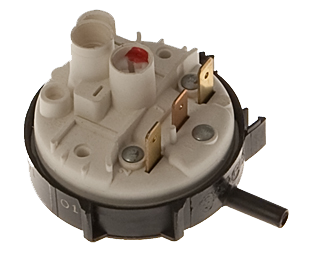
The pressostat is a crucial component of a washing machine’s control system. Its primary function is to monitor and regulate the water level inside the machine during the washing process.
The pressostat works on the principle of air pressure. It consists of a flexible diaphragm and an air duct. The diaphragm is connected to a switch mechanism, which is responsible for controlling the water flow and shutting off the inlet valve when the desired water level is reached.
When the washing machine is turned on, water is supplied to the tub through the inlet valve. As the water fills the tub, it exerts pressure on the diaphragm. The amount of pressure corresponds to the water level inside the machine.
| Water Level | Air Pressure |
|---|---|
| Low | Low |
| Medium | Medium |
| High | High |
As the pressure increases, it moves the diaphragm and activates the switch mechanism. The switch triggers the inlet valve to close, stopping the flow of water into the machine. This ensures that the water level remains within the desired range.
If the water level drops due to drainage or a leakage, the decrease in pressure on the diaphragm causes the switch to open. This, in turn, activates the inlet valve to open and allow more water to enter the machine until the desired level is restored.
By constantly monitoring and adjusting the water level, the pressostat helps prevent overfilling or underfilling of the washing machine, ensuring efficient cleaning and minimal water wastage.
In conclusion, the pressostat is a vital component of a washing machine, responsible for maintaining the appropriate water level during the washing process. Through its mechanism of monitoring air pressure, it ensures efficient and effective operation.
Benefits of Using a Washing Machine Pressostat
A washing machine pressostat offers several advantages for efficient and reliable operation of your washing machine:
- Water Level Control: The pressostat helps monitor and control the water level in your washing machine. By sensing the pressure changes in the water tank, it accurately determines the correct water level needed for each cycle, ensuring optimal washing results while conserving water.
- Prevents Overflows: One of the main functions of a pressostat is to prevent overflows. It does this by monitoring the water level and signaling the machine to stop filling when it reaches the desired level. This prevents any potential damage to the machine or surrounding area caused by excess water.
- Energy Efficiency: With a pressostat, you can choose different water levels according to the size of the load, which helps in conserving energy. By using the appropriate amount of water, the washing machine consumes less energy to heat the water and run the wash cycle, resulting in reduced energy bills.
- Improved Cleaning Performance: As the pressostat ensures the correct water level, it also contributes to better cleaning performance. With the right water level, the detergent is distributed evenly, and the clothes can be thoroughly cleaned without any excess water hampering the process.
- Extended Lifespan: By controlling the water level and preventing overflows, the pressostat helps protect the washing machine from unnecessary wear and tear. This can extend the lifespan of your appliance by reducing the risk of water damage and mechanical issues caused by overfilling.
- Easy to Use: Washing machine pressostats are usually integrated into the machine’s control panel, making them easy to use and adjust. Most models offer intuitive controls and clear indicators, allowing users to select the desired water level and monitor the status of the machine during operation.
Overall, a washing machine pressostat is an essential component that provides precise water level control, prevents overflows, enhances energy efficiency, improves cleaning performance, extends the lifespan of the machine, and offers user-friendly operation. Investing in a washing machine with a functioning pressostat can save you time, money, and hassle in the long run.
Factors to Consider When Choosing a Washing Machine Pressostat
When selecting a washing machine pressostat, there are several important factors to keep in mind to ensure you choose the right one for your needs. Here are some key considerations:
1. Compatibility: It is crucial to ensure that the pressostat you select is compatible with your specific washing machine model. Check the manufacturer’s specifications and compare them with the pressostat’s compatibility list to confirm compatibility.
2. Pressure range: The pressure range is another vital factor to consider. Different washing machines require different pressure levels for optimal operation. Make sure that the pressostat you choose can handle the specific pressure range required by your washing machine.
3. Adjustment options: Some pressostats come with adjustable settings, allowing you to fine-tune the pressure levels to suit your preferences. If you prefer having control over pressure settings, look for a pressostat that offers adjustment options.
4. Quality and durability: The quality and durability of the pressostat are essential in ensuring its longevity and reliable performance. Look for a pressostat made from high-quality materials that can withstand the demands of regular use without wearing out quickly.
5. Brand reputation: Choosing a pressostat from a reputable brand is a wise decision. Reputable brands often have a proven track record of producing reliable and efficient pressostats. Reading customer reviews and seeking recommendations can help you determine which brands are trusted in the industry.
6. Pricing: While price should not be the sole determining factor, it is still important to consider your budget when choosing a pressostat. Compare prices from different manufacturers and consider the value for money that the pressostat offers.
7. Warranty: Last but not least, check the warranty offered by the manufacturer. A longer warranty period can provide you with peace of mind knowing that the pressostat is covered in case of any defects or malfunctions.
By considering these factors, you can make an informed decision and choose the most suitable washing machine pressostat for your specific requirements.
Installation Process of Washing Machine Pressostat
Installing a washing machine pressostat is a crucial step in ensuring the proper functioning of your washing machine. The pressostat, also known as a pressure switch, is responsible for regulating the water level in the drum of the machine.
Tools and Materials
Before you begin the installation process, make sure you have the following tools and materials:
| 1. | Adjustable wrench |
| 2. | Screwdriver |
| 3. | Plumber’s tape |
| 4. | New pressostat |
Step-by-Step Instructions
Follow these steps to install a washing machine pressostat:
- Unplug the washing machine from the power source and turn off the water supply.
- Locate the pressostat in your machine. It is usually located near the top of the machine, behind the control panel.
- Using the adjustable wrench, disconnect the wires connected to the pressostat. Take note of the wire colors and their corresponding terminals.
- Remove the pressostat from its mounting bracket. This is usually done by loosening the screws or clips that hold it in place.
- Place the new pressostat into the mounting bracket and secure it with the screws or clips.
- Connect the wires to the appropriate terminals on the new pressostat, following the notes you made earlier.
- Wrap the threads of the water inlet pipe with plumber’s tape to ensure a tight seal.
- Attach the water inlet pipe to the pressostat, ensuring it is securely connected.
- Turn on the water supply and check for any leaks. If you notice any leaks, tighten the connections further.
- Plug the washing machine back into the power source.
- Run a test cycle on the machine to ensure that the pressostat is functioning properly and regulating the water level correctly.
Following these steps will help you successfully install a new pressostat in your washing machine. It is important to carefully handle the pressostat and make sure all connections are tight to avoid any malfunctioning or water leaks.
Maintenance and Troubleshooting of Washing Machine Pressostat

The pressostat is a crucial component in a washing machine, as it helps regulate the water level during the wash cycle. To ensure the proper functioning of the pressostat, regular maintenance and troubleshooting are necessary. This section will guide you on how to maintain and troubleshoot the pressostat to avoid any issues and keep your washing machine running smoothly.
Regular Maintenance
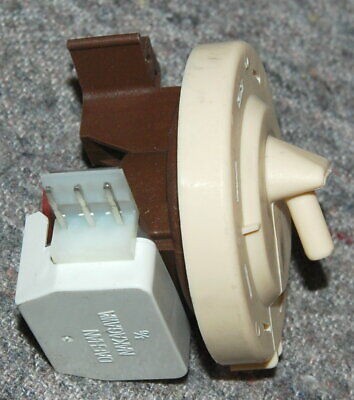
1. Cleaning: Over time, dust and dirt can accumulate on the pressostat, affecting its performance. It is essential to clean the pressostat periodically to remove any debris or buildup. Use a soft cloth or a brush to gently wipe away any dirt from the surface of the pressostat. Avoid using water or any cleaning solutions as it may damage the component.
2. Inspection: While cleaning, also inspect the pressostat for any signs of wear or damage. Check the electrical connections and wires to ensure they are intact and not frayed. If you notice any damage, it is recommended to replace the pressostat with a new one to prevent further issues.
Troubleshooting

1. Water Level Issues: If you notice that the water level in your washing machine is either too high or too low, it may be indicative of a pressostat problem. Firstly, check the air tube connected to the pressostat for any blockages or leaks. Clean or replace the tube if necessary. Also, check the pressure switch settings and make adjustments as required.
2. Inconsistent Water Filling: If your washing machine is not filling with water properly, it could be due to a faulty pressostat. Inspect the switch for any loose connections or signs of damage. Make sure the electrical connections are secure and tighten any loose screws. If the issue persists, it is advisable to consult a professional technician.
3. Constant Filling or Draining: If your washing machine keeps filling or draining water continuously, the pressostat may be malfunctioning. Check for any blockages in the air tube or the pressure chamber. Clean or replace any clogged components. If the problem persists, it may be necessary to replace the pressostat altogether.
4. Error Codes: Many washing machines are equipped with error code systems to indicate specific problems. If you encounter an error code related to the pressostat, refer to your machine’s manual for troubleshooting steps. Follow the recommended procedures to resolve the issue and reset the error code.
By performing regular maintenance and troubleshooting the pressostat, you can prevent common issues and ensure the efficient operation of your washing machine. However, if you are unsure about any repairs or face persistent problems, it is always best to seek professional help to avoid further damage.
Video on the topic
Fixing Washing Machine Pressure Switch Problems
Washing machine pressure sensors; testing them with a multimeter
Washer Pressure switch test DIY Troubleshooting a washing machine that won’t fill or is overflowing.
Answers to frequently asked questions
Read more practical tips and expert opinions about modern devices at appliances-news.com. Here you will find answers to questions about any technology.


