
Is your beloved washing machine suddenly making an unpleasant sawing noise? Don’t panic! A noisy washing machine drum is a common problem that can be addressed with some troubleshooting and simple solutions. In this article, we will guide you through the process of identifying the cause of the noise and fixing it, so you can get back to doing your laundry in peace.
Step 1: Diagnosing the Problem
The first step in fixing a sawing washing machine drum is to identify the cause of the noise. There can be various reasons for this issue, including a loose drum, worn-out bearings, or objects stuck between the drum and the tub. Take a moment to listen closely to the noise and try to determine where it is coming from. Is it a high-pitched squeaking sound or a low rumbling noise?
If you hear a high-pitched squeaking sound, it is likely that the bearings are worn out and need to be replaced. On the other hand, if you hear a low rumbling noise, it could indicate that there is something stuck between the drum and tub. This could be a small item of clothing, a coin, or even a loose screw.
Step 2: Fixing the Loose Drum
If the noise is caused by a loose drum, you can easily fix it by tightening the drum bolts. Start by locating the access panel on the back of your washing machine. Unscrew the panel and look for the bolts that hold the drum in place. Use a wrench to tighten the bolts, making sure not to overtighten them. Once the bolts are secure, test the machine to see if the noise has stopped.
Step 3: Removing Objects from the Drum
If you suspect that there are objects stuck between the drum and tub, you will need to remove them to eliminate the sawing noise. Start by unplugging the washing machine and turning off the water supply. Carefully tilt the machine forward and inspect the area between the drum and tub. If you spot any foreign objects, try to remove them using a pair of long-nose pliers or a magnet. Be gentle while removing the objects to avoid damaging the drum or tub.
By following these troubleshooting steps, you can easily fix a washing machine drum that is sawing. However, if the noise persists or if you are unsure about performing the repairs yourself, it is always best to consult a professional technician. Remember to always prioritize your safety and follow the manufacturer’s instructions. With a little effort and the right knowledge, you’ll have your washing machine running smoothly again in no time!
- Understanding the Issue: Washing Machine Drum Sawing
- Common Causes of Washing Machine Drum Sawing
- Conclusion
- Video on the topic
- I MADE A HUGE MISTAKE! Whirlpool Washer STILL Out Of Balance, see what happened.
- Front Load Washing Machine Drum Vibrating Too Much Problem Repair | Washer & Dryer Shock Absorber
- Whirlpool Washer Won’t Agitate or Spin Properly – Metal Hub Upgrade for Stripped Gearcase Splines
- Answers to frequently asked questions
Understanding the Issue: Washing Machine Drum Sawing
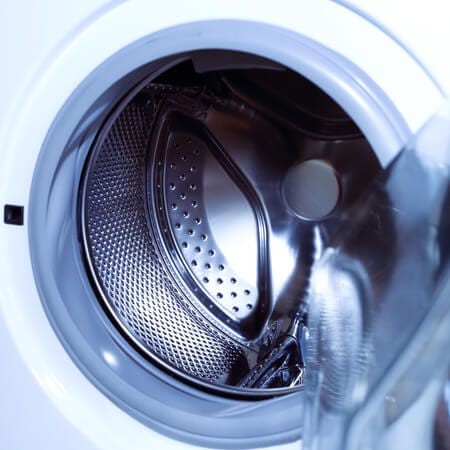
When your washing machine drum starts making a sawing noise, it can be quite alarming. This issue can disrupt your laundry routine and potentially lead to further damage if not resolved quickly. Understanding the causes behind a sawing drum can help you troubleshoot and find the appropriate solution.
A sawing noise typically indicates a problem with the drum or one of its components. This can include issues such as a worn-out drum bearing, a loose pulley belt, or a malfunctioning motor. It is important to identify and address the root cause to prevent further damage and costly repairs.
The drum bearing is a common culprit when it comes to a sawing noise. Over time, the bearing can wear out due to heavy usage or lack of proper maintenance. When this happens, the drum becomes misaligned and starts rubbing against other components, causing the sawing noise. Replacing the drum bearing is necessary to restore the smooth operation of the washing machine.
A loose pulley belt is another potential cause of a sawing drum. If the belt becomes loose or damaged, it can create friction against the drum or other parts, resulting in a loud noise. Tightening or replacing the belt can often resolve the issue and restore the normal functioning of the washing machine.
A malfunctioning motor can also lead to a sawing noise. If the motor is not functioning properly, it can cause the drum to vibrate excessively or rotate unevenly, resulting in a loud sawing sound. In this case, it is recommended to seek professional help to diagnose and repair the motor.
In some instances, foreign objects such as coins, buttons, or other small items can get stuck in the drum or its components, causing a sawing noise. Check the drum thoroughly for any obstructions and remove them as necessary.
In conclusion, when your washing machine drum is sawing, it is important to understand the root cause of the issue in order to find an appropriate solution. Whether it be a worn-out drum bearing, a loose pulley belt, a malfunctioning motor, or foreign objects, addressing the problem promptly will help you restore the smooth operation of your washing machine.
Common Causes of Washing Machine Drum Sawing

When your washing machine drum starts making a sawing noise, it can be frustrating and cause concern. However, there are several common causes for this problem that you can troubleshoot and fix yourself.
1. Overloading the machine: One of the most common causes of a sawing noise is overloading the washing machine drum with too many clothes. When the drum is overloaded, it puts excessive pressure on the bearings and can cause them to wear out, resulting in a sawing noise. To avoid this, make sure to follow the recommended capacity guidelines for your washing machine.
2. Worn out bearings: Over time, the bearings in the washing machine drum can become worn out from regular use. When the bearings wear out, they can cause the drum to spin unevenly, leading to a sawing noise. If this is the case, you will need to replace the bearings to resolve the issue.
3. Loose components: Another common cause of a sawing noise is loose components within the washing machine drum. This can happen if screws or bolts become loose over time. To fix this, you will need to open up the drum and tighten any loose screws or bolts that you find.
4. Foreign objects: Sometimes, a sawing noise can be caused by foreign objects getting stuck in the drum. Small items like coins, buttons, or even small stones can get trapped between the drum and the inner tub, causing a sawing noise when the drum spins. If you suspect this is the case, carefully check the drum for any foreign objects and remove them.
5. Damaged drive belt: A damaged or worn-out drive belt can also cause a sawing noise in the washing machine drum. If the belt becomes loose, frayed, or broken, it can cause the drum to spin irregularly and make a sawing noise. You will need to replace the drive belt to fix this issue.
Conclusion
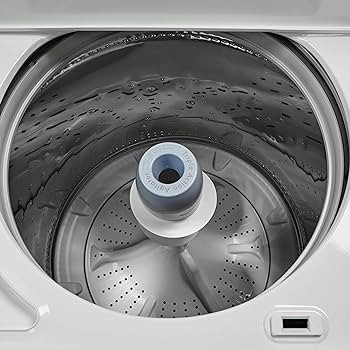
If your washing machine drum is making a sawing noise, it is important to troubleshoot and fix the issue to prevent further damage. By identifying the common causes such as overloading, worn-out bearings, loose components, foreign objects, or a damaged drive belt, you can address the problem and ensure smooth operation of your washing machine.
Video on the topic
I MADE A HUGE MISTAKE! Whirlpool Washer STILL Out Of Balance, see what happened.
Front Load Washing Machine Drum Vibrating Too Much Problem Repair | Washer & Dryer Shock Absorber
Whirlpool Washer Won’t Agitate or Spin Properly – Metal Hub Upgrade for Stripped Gearcase Splines
Answers to frequently asked questions
Read more practical tips and expert opinions about modern devices at appliances-news.com. Here you will find answers to questions about any technology.


