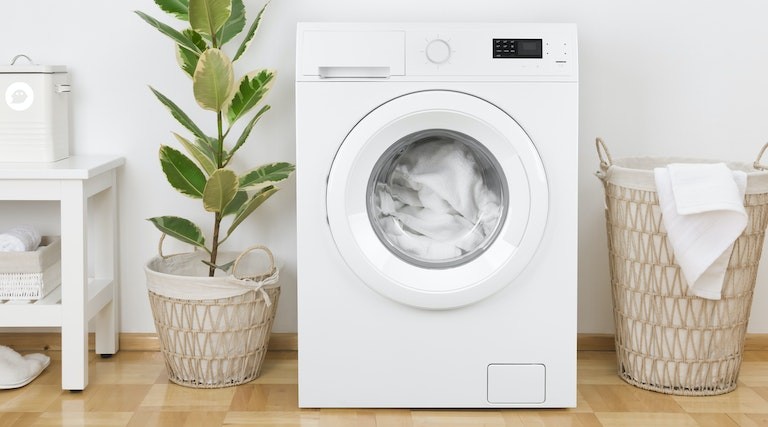
Welcome to the world of modern laundry! Your washing machine is a trusty companion that ensures your clothes stay fresh and clean. To help you make the most out of your washing machine, we’ve compiled a list of essential tips that will make your laundry routine a breeze.
1. Read the manual: Before you start using your washing machine, take the time to read the manual. It may seem tedious, but it will give you a good understanding of how your machine works and the best practices to follow.
2. Sort your laundry: To ensure optimal cleaning, sort your laundry by color and fabric type. This will prevent color bleeding and damage to delicate fabrics. Remember to check the care labels and follow the manufacturer’s instructions.
3. Use the right detergent: Using the right detergent is crucial for getting clean clothes. Choose a detergent that is suitable for your washing machine and the type of laundry you are washing. Remember, more is not always better – follow the recommended dosage for best results.
4. Load your machine correctly: Overloading your washing machine can lead to poor cleaning results and damage to the machine. Follow the manufacturer’s guidelines on load capacity and distribute the laundry evenly in the drum.
5. Select the right cycle: Your washing machine offers a range of cycles for different types of laundry. Take advantage of these options to get the best results. Use the delicate cycle for delicate fabrics, the heavy-duty cycle for heavily soiled items, and the quick wash for small loads.
6. Pre-treat stains: For stubborn stains, it’s best to pre-treat them before washing. Use a stain remover or soak the stained area in a solution of water and detergent for better stain removal.
7. Maintain your machine: To ensure your washing machine continues to perform well, it’s important to maintain it. Clean the drum and detergent dispenser regularly, remove lint from the filter, and check for any signs of wear or damage.
8. Avoid using too much fabric softener: While fabric softener can make your clothes feel soft and smell nice, using too much of it can lead to build-up and reduce the absorbency of your towels and other fabrics. Follow the recommended dosage or try using alternative natural softeners like vinegar.
9. Hang clothes to dry: Whenever possible, hang your clothes to dry instead of using the dryer. This will help prolong the life of your clothes and save energy. If you do use the dryer, use the appropriate heat setting and remove clothes promptly to minimize wrinkles.
10. Regularly clean the washing machine: Over time, residue from detergent and fabric softener can build up in your washing machine. To prevent this, run an empty cycle with hot water and vinegar or a washing machine cleaner every few months.
By following these essential tips, you’ll be able to make the most out of your washing machine and keep your clothes looking their best for years to come.
- Follow the Manufacturer’s Instructions
- Read the Manual
- Use Recommended Detergents
- Sort Your Laundry
- Use the Right Amount of Detergent
- Read the Instructions
- Follow the Guidelines
- Select the Appropriate Wash Cycle
- Consider Using Cold Water
- Benefits of using cold water:
- Video on the topic
- How to use the Super Speed feature on your washing machine | Samsung US
- Answers to frequently asked questions
Follow the Manufacturer’s Instructions
One of the most important tips for using your washing machine effectively is to carefully follow the manufacturer’s instructions. Every washing machine is different, and the manufacturer’s instructions will provide specific details about how to use your particular model.
These instructions will cover important information such as the recommended load size, water temperature, and wash cycle settings. Following these instructions will help ensure that your clothes are cleaned thoroughly and that your washing machine operates efficiently.
Additionally, the manufacturer’s instructions will provide guidance on how to properly maintain and care for your washing machine. This can include tips for cleaning the machine, troubleshooting common issues, and how to prevent damage.
Read the Manual
The first step in following the manufacturer’s instructions is to read the manual that comes with your washing machine. This manual will provide detailed information about the specific features and functions of your machine.
Take the time to thoroughly review the manual before using your washing machine for the first time. Pay attention to any specific warnings or cautions, as well as any special instructions for installation or setup.
Use Recommended Detergents
Another important aspect of following the manufacturer’s instructions is using the recommended detergents. Some washing machines may require specific types or brands of detergents to operate effectively.
Using the wrong detergent or using too much detergent can lead to poor cleaning results, excessive sudsing, or even damage to your washing machine. Make sure to purchase and use the detergents recommended by the manufacturer.
Remember: following the manufacturer’s instructions is crucial for maximizing the performance and lifespan of your washing machine. By doing so, you can ensure that your clothes are cleaned effectively and your machine operates at its best.
Sort Your Laundry
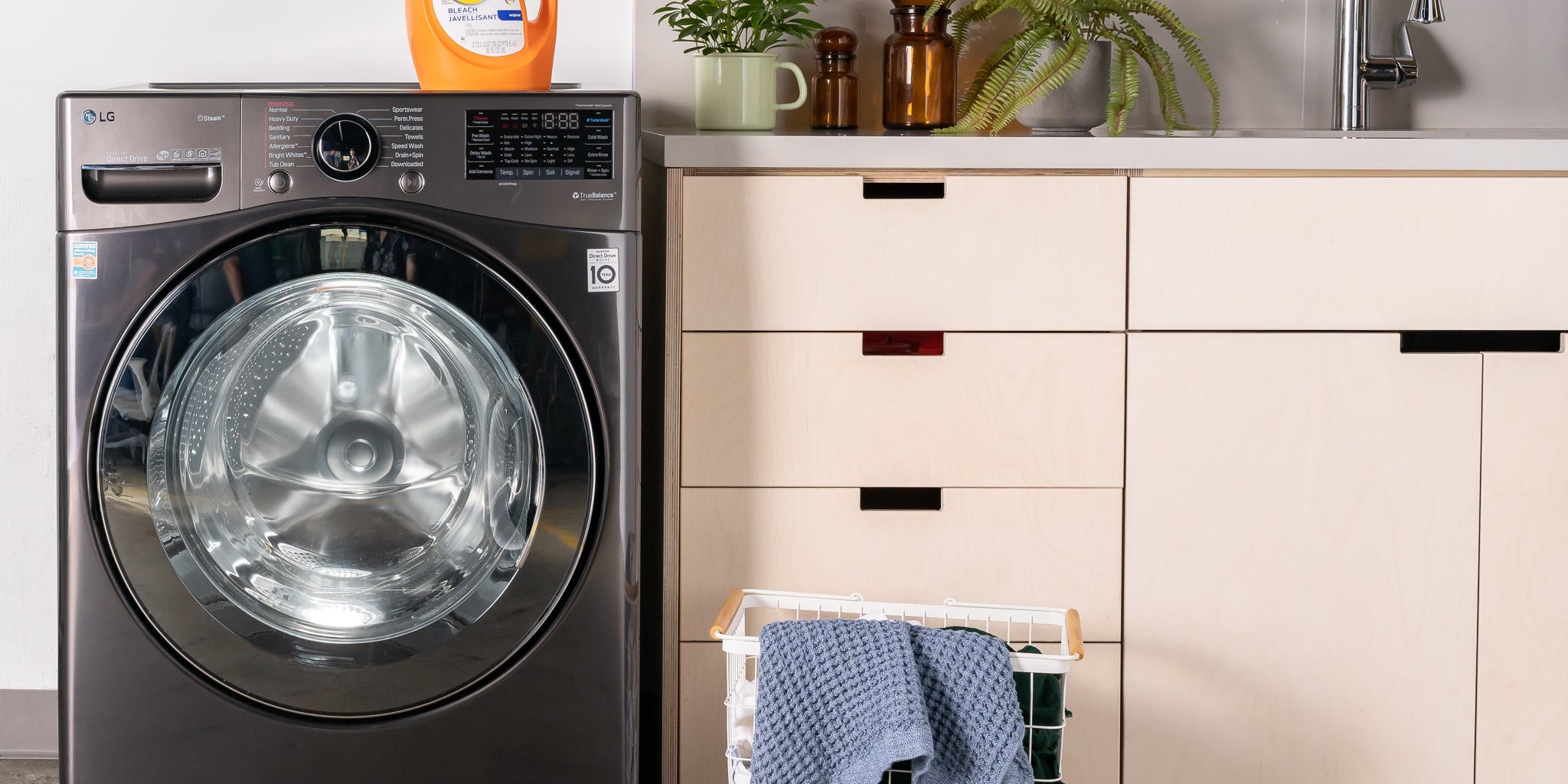
Sorting your laundry before starting a wash cycle can help improve the efficiency and effectiveness of your washing machine. By separating your clothes into different categories, you can prevent color bleeding, protect delicate fabrics, and ensure a more thorough clean.
Here are some categories you can use for sorting:
Colors: Sort your clothes into separate piles based on their color. Dark-colored items, such as blacks and blues, should be washed together, while lighter colors, like whites and pastels, should be washed separately. This will help prevent dark clothes from fading and light clothes from becoming dingy.
Fabrics: Some fabrics require special care, so it’s important to group them together. Delicate materials, such as lace, silk, and satin, should be washed separately from sturdier fabrics like denim and cotton. This will help prevent damage to your more fragile items.
Soil level: If you have heavily soiled items, such as stained clothes or work uniforms, it’s best to wash them separately. This allows for a more focused cleaning process and prevents dirt from transferring onto other clothes.
Wash temperature: Different fabrics and stains require different water temperatures. Sorting your laundry by wash temperature can help ensure that all your clothes receive the appropriate treatment. Separate clothes that require cold water from those that need warm or hot water.
By taking the time to sort your laundry before each wash, you can optimize the performance of your washing machine and keep your clothes looking their best. Remember to always check the care labels on your clothes for specific washing instructions.
Use the Right Amount of Detergent

Using the right amount of detergent is essential for getting clean and fresh laundry. Too much detergent can leave behind residue on your clothes, while too little can lead to ineffective cleaning. Here are some tips to help you determine the correct amount:
Read the Instructions
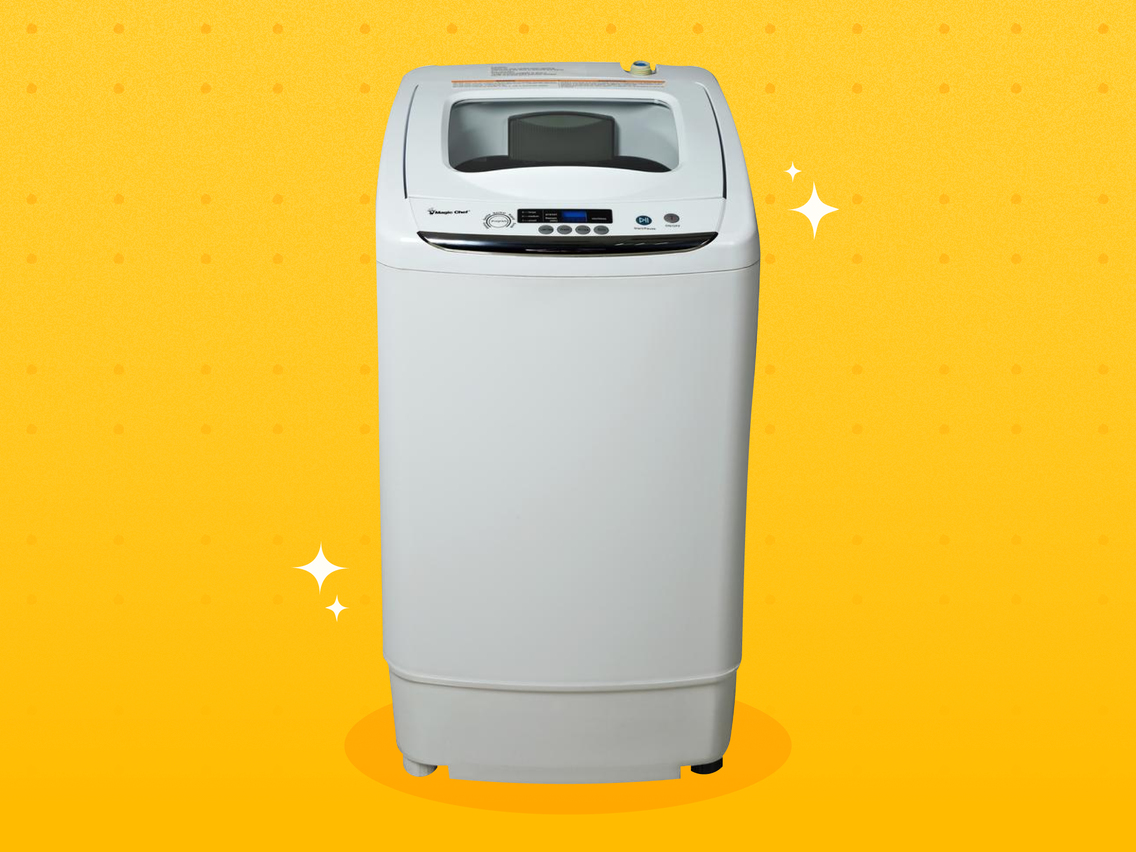
Start by reading the manufacturer’s instructions for your specific washing machine model. They usually provide recommendations on the amount of detergent to use based on the load size and level of dirtiness.
Follow the Guidelines
Most detergent products have guidelines printed on the packaging that suggest the amount to use per load. These guidelines are a good starting point to get an idea of how much detergent is needed.
Here is a general guideline for standard load sizes:
| Load Size | Amount of Detergent |
|---|---|
| Small | 1/4 cup |
| Medium | 1/3 cup |
| Large | 1/2 cup |
Adjust the amount of detergent based on the level of dirtiness. For heavily soiled clothes, you may need to increase the amount slightly.
Remember, using too much detergent can lead to excessive suds and can reduce the effectiveness of the rinse cycle. On the other hand, using too little detergent may not be sufficient to remove stains and odors.
Experiment with different amounts of detergent until you find the right balance for your specific laundry needs. Pay attention to the results and adjust as necessary.
Taking the time to measure and use the right amount of detergent will help ensure that your clothes come out clean, fresh, and free from residue.
Select the Appropriate Wash Cycle
One of the most important tips for using your washing machine effectively is to select the appropriate wash cycle for your laundry. Different fabrics and garments require different cleaning methods, so it is important to choose the right wash cycle to ensure the best results.
Most washing machines offer a variety of wash cycles, including delicate, normal, heavy-duty, and specialty cycles for specific types of fabrics or stains. It is essential to read the manufacturer’s instructions and garment care labels to determine which cycle is best suited for your laundry.
For delicate fabrics such as silk or lace, a gentle or delicate cycle with low agitation and a slow spin speed is recommended to prevent damage. Normal cycles are suitable for everyday items like cotton t-shirts or jeans.
For heavily soiled items or items with tough stains, a heavy-duty or stain removal cycle may be necessary. These cycles often involve extended wash times and increased agitation to effectively remove dirt and stains.
If you have special fabrics or garments that require extra care, such as wool or cashmere, it is recommended to use a specialty cycle specifically designed for these materials. These cycles typically use lower temperatures and shorter wash times to protect delicate fibers.
Remember to also consider the capacity of your washing machine when selecting a wash cycle. Overloading the machine can compromise its cleaning efficiency and result in poorly washed clothes. Similarly, underloading the machine can waste water and energy.
By selecting the appropriate wash cycle for each load of laundry, you can ensure that your clothes are cleaned effectively and keep them looking their best for longer.
Consider Using Cold Water
When it comes to washing clothes, many people automatically reach for hot water without considering the benefits of using cold water. However, using cold water can have several advantages for both your clothes and your wallet.
Firstly, using cold water helps to preserve the colors of your clothes. Hot water can cause colors to fade more quickly, especially in darker garments. By using cold water, you can help your clothes maintain their vibrancy and prevent them from looking dull and worn out.
Secondly, washing with cold water can help to extend the lifespan of your clothes. Hot water can be harsh on fabrics, causing them to shrink, stretch, or become misshapen. Cold water is gentler on clothes, reducing the wear and tear and helping them to last longer.
Additionally, washing with cold water is more energy-efficient. Heating water for laundry can account for a significant portion of your energy consumption. By using cold water, you can save money on your energy bills and reduce your environmental impact.
However, it is important to note that for some stains and heavily soiled items, hot water may still be necessary. In these cases, you can pre-treat the stains with a stain remover before washing them in cold water.
Benefits of using cold water:

- Preserves colors
- Extends the lifespan of clothes
- Energy-efficient
Next time you do a load of laundry, consider using cold water. Not only will it help to keep your clothes looking their best, but it will also benefit the environment and your wallet.
Video on the topic
How to use the Super Speed feature on your washing machine | Samsung US
Answers to frequently asked questions
Read more practical tips and expert opinions about modern devices at appliances-news.com. Here you will find answers to questions about any technology.