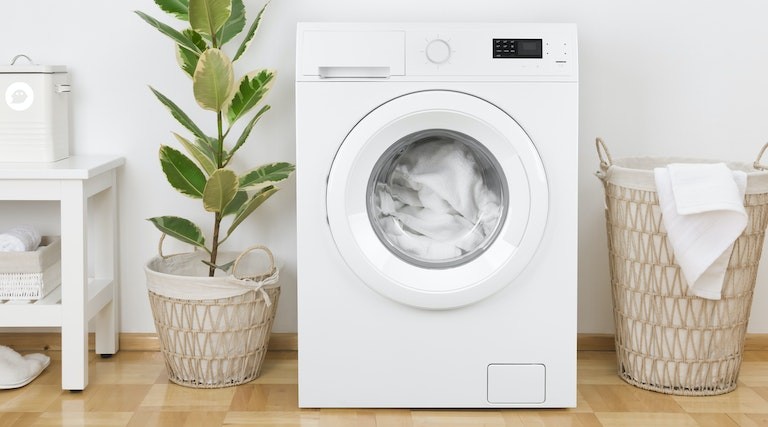
When it comes to doing laundry, one of the most important steps is drying your clothes. But have you ever wondered how the drying process actually works in a washing machine? It may seem like magic, but in reality, it’s a combination of science and engineering.
The drying process in a washing machine begins after the clothes have gone through the wash cycle. Once the wash cycle is complete, the machine drains out the dirty water and spins the clothes at high speeds to remove excess moisture. But this is just the first step in the drying process.
Next, hot air is introduced into the drum of the washing machine. This hot air is generated by a heating element located inside the machine. As the hot air circulates through the drum, it absorbs moisture from the wet clothes, causing the water to evaporate. The evaporated water then exits the machine through a vent or drain.
But how does the washing machine know when the clothes are dry? Most modern washing machines are equipped with sensors that detect the moisture levels in the drum. Once the sensors determine that the clothes are dry, the machine automatically stops the drying process.
Understanding how the drying process works in a washing machine can help you make the most of your laundry routine. By following the recommended settings and properly maintaining your machine, you can ensure that your clothes come out dry and ready to wear every time.
- The Basics of the Drying Process in a Washing Machine
- Understanding the Role of Heat
- Heat Generation
- Heat Distribution
- Heat and Moisture Removal
- The Importance of Proper Airflow
- Mechanical Factors that Aid in Drying
- Video on the topic
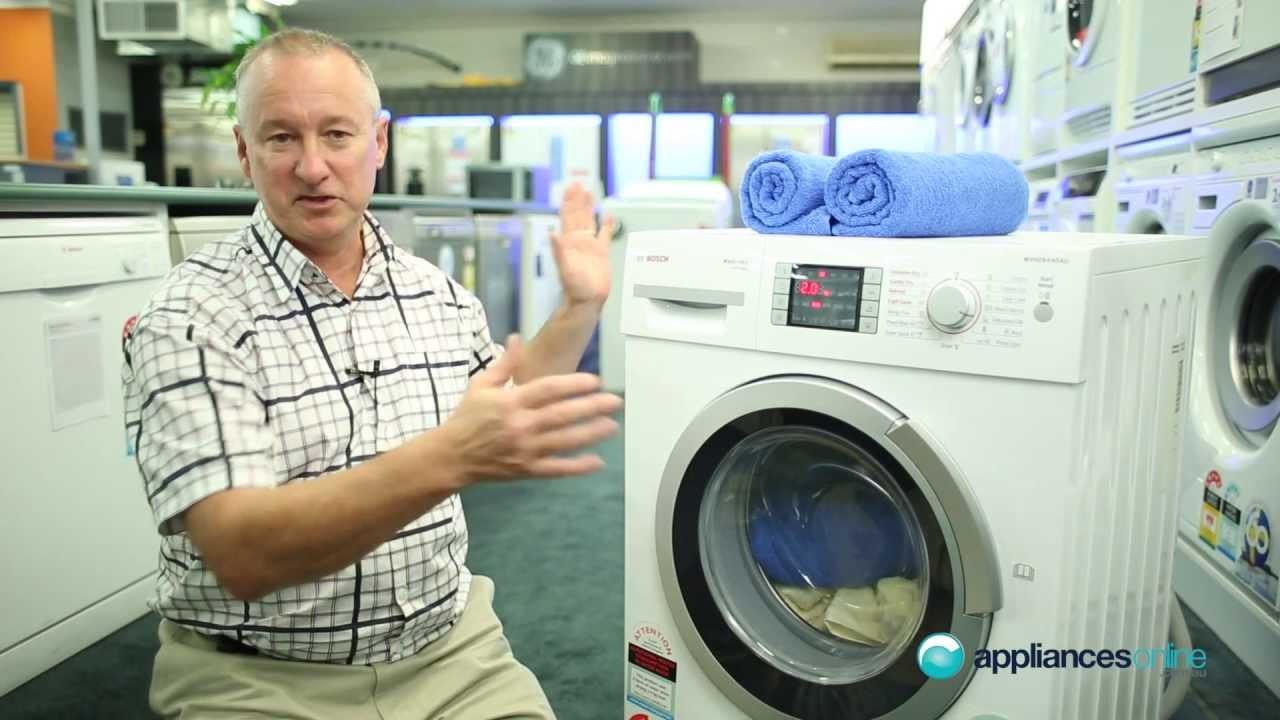
- How to load and use a washer dryer combination laundry machine – Appliances Online
- Scientists Just Figured Out How Washing Machines Work?!
- How does the front loading washing machine work?
- How Does an Electric Dryer Work? — Appliance Repair Tips
- How Does Modern Dry Cleaning Work
- Answers to frequently asked questions
The Basics of the Drying Process in a Washing Machine
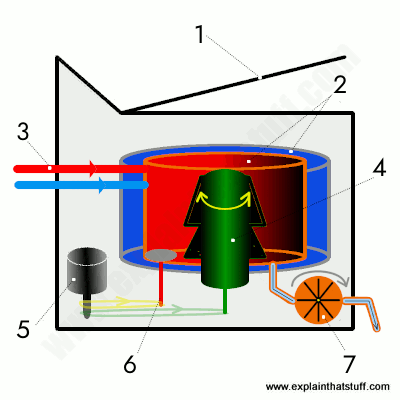
After the cleaning cycle is complete, the drying process in a washing machine begins. This important step eliminates excess moisture from your clothes, making them ready for wear or further storage. Understanding the basics of how this process works can help you achieve better and more efficient drying results.
Unlike air-drying, which relies on natural outdoor air and sunshine, the drying process in a washing machine utilizes a combination of heat and airflow to remove moisture from your clothes. It involves several key components that work together to complete the drying cycle.
Heating Element: At the core of the drying process is the heating element. Located inside the washing machine, the heating element is responsible for producing the necessary heat to evaporate moisture from your clothes. It typically operates at high temperatures to facilitate quick and effective drying.
Drum: The drum is the compartment where your clothes are placed during the drying process. It rotates continuously to ensure that all garments come into contact with the heated air, promoting even drying. The rotating motion also helps to prevent clothes from sticking together or becoming wrinkled.
Airflow System: To enhance the drying process, washing machines are equipped with an airflow system. This system consists of a blower and vents that draw in ambient air and blow it into the drum. The heated air circulates through the drum, absorbing moisture from the clothes, and then is expelled through the vents.
Moisture Sensor: Many modern washing machines are equipped with moisture sensors that monitor the moisture content in the drum. These sensors detect when the clothes are dry and automatically shut off the drying cycle. This feature not only saves energy but also prevents over-drying, which can damage fabrics.
The drying process in a washing machine can vary depending on the machine’s specific settings and features. Some machines offer different drying modes, such as regular, delicate, or eco-friendly, allowing you to choose the appropriate drying level for your clothes.
By understanding the basics of the drying process in a washing machine, you can optimize your drying results and take proper care of your clothes. Remember to follow the manufacturer’s instructions and guidelines for loading the drum and selecting the appropriate drying settings to ensure the best outcome.
Understanding the Role of Heat
Heat plays a crucial role in the drying process of a washing machine. When clothes are wet after the wash cycle, heat is used to evaporate the moisture and dry the garments. Understanding how heat is generated and harnessed in a washing machine can help us appreciate the efficiency of the drying process.
Heat Generation

In most modern washing machines, heat is generated by an electric or gas-powered heating element. This element is designed to produce high temperatures, usually ranging from 120 to 180 degrees Fahrenheit (49 to 82 degrees Celsius). As the heating element heats up, it transfers the heat energy to the air or directly to the clothes through conduction.
Heat Distribution
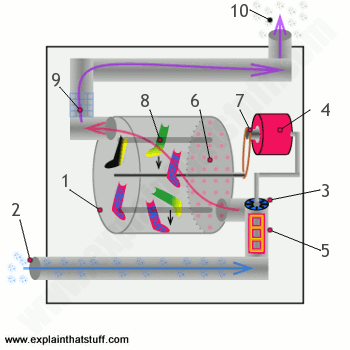
Once heat is generated, it needs to be evenly distributed throughout the drying drum. This is usually achieved through a combination of airflow and mechanical agitation. Many washing machines are equipped with a fan or blower that circulates the hot air throughout the drum, ensuring that all garments are exposed to the heat. Additionally, the rotation of the drum itself helps to mix the clothes and prevent them from clumping together, allowing for better heat distribution.
The drying drum is often lined with small vents or perforations that allow hot air to enter and exit the drum. These vents also aid in the circulation of air, helping to remove moisture from the clothes more efficiently.
Heat and Moisture Removal
As the hot air circulates through the drum, it absorbs the moisture from the wet clothes. This moisture-laden air then needs to be removed from the drum to continue the drying process effectively. Washing machines achieve this by utilizing an exhaust system or an air intake system, which either removes the moist air from the drum or brings in fresh air to replace it.
- An exhaust system typically consists of a vent or duct that leads to the outside of the machine. The moist air is expelled through this vent, allowing for efficient moisture removal.
- An air intake system, on the other hand, brings in fresh air to replace the moist air inside the drum. This helps to maintain proper airflow and facilitate faster drying.
By combining heat generation, heat distribution, and moisture removal, washing machines are able to dry clothes efficiently and effectively. Understanding the role of heat in the drying process can help us make better use of our washing machines and ensure that our clothes are dry and ready to wear in no time.
The Importance of Proper Airflow
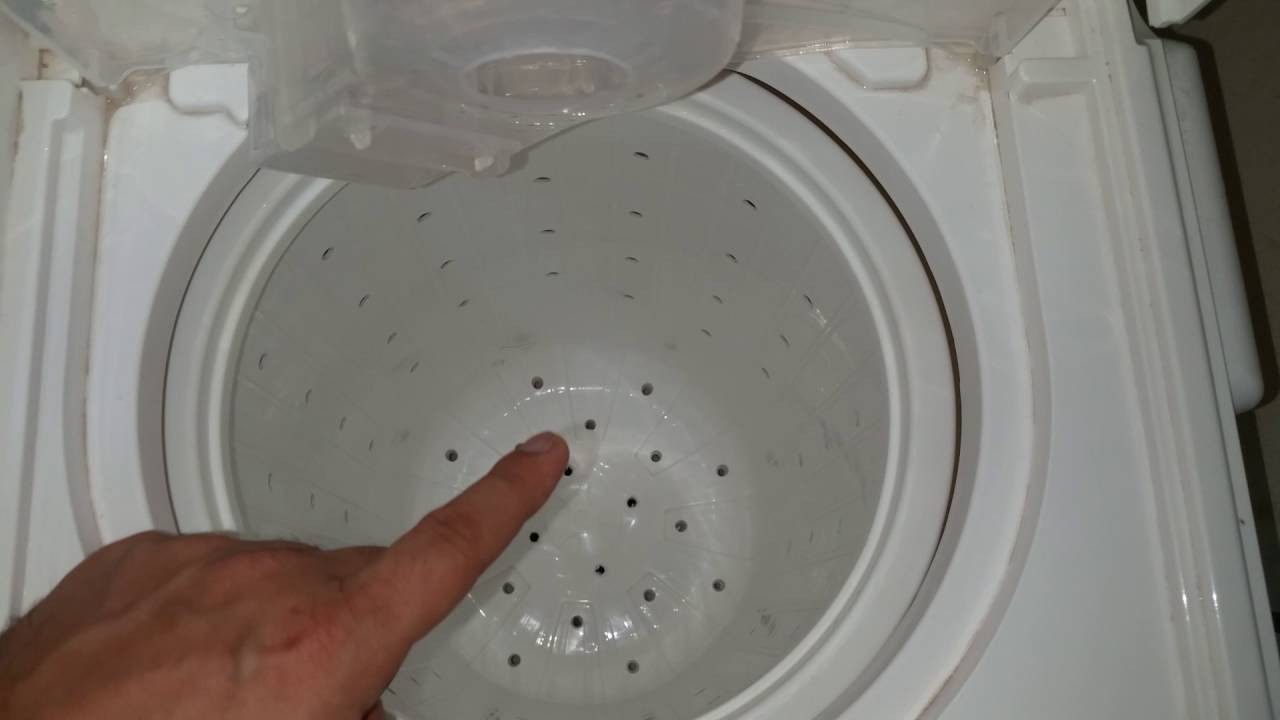
When it comes to the drying process in a washing machine, proper airflow is essential. Without sufficient airflow, clothes may not dry properly, resulting in damp or wrinkled laundry. In order for clothes to dry efficiently, it is important that air can circulate freely throughout the drum.
Proper airflow helps to carry away moisture from wet clothes, allowing them to dry more quickly. If there is a lack of airflow, moisture can become trapped inside the washing machine, leading to a longer drying time. This not only wastes energy and increases utility costs but can also result in musty odors and potential mold growth.
In addition to ensuring the clothes dry thoroughly, proper airflow also helps to prevent overheating. When a washing machine is running, heat is generated to help evaporate moisture from the clothes. Without proper airflow, this heat can become trapped, causing the machine to overheat. This can not only be damaging to the washing machine itself but can also be a safety hazard.
To ensure proper airflow, it is important to clean the lint filter regularly. The lint filter traps lint and other debris from the clothes, preventing it from entering the ventilation system. If the lint filter becomes clogged, it can restrict airflow and hinder the drying process. Cleaning the lint filter after each use is recommended to maintain optimal airflow and drying performance.
In conclusion, proper airflow is crucial for the drying process in a washing machine. It helps ensure that clothes dry efficiently, prevents overheating, and maintains the longevity of the machine. By understanding the importance of proper airflow and taking the necessary steps to maintain it, you can ensure that your laundry is dried effectively and efficiently every time.
Mechanical Factors that Aid in Drying

When it comes to drying clothes in a washing machine, there are several mechanical factors that play a role in the drying process. These factors work together to help remove moisture from your clothes, leaving them dry and ready to wear.
- Centrifugal force: One of the main mechanical factors that aid in drying is centrifugal force. During the spin cycle, the washing machine rapidly spins the drum, forcing the water out of the clothes and towards the walls of the drum. This centrifugal force helps to expel the water and accelerate the drying process.
- Airflow: Another mechanical factor that aids in drying is airflow. Most modern washing machines are equipped with built-in fans or vents that help to circulate air throughout the drum. This airflow helps to carry away the moisture from the clothes, allowing them to dry more quickly.
- Agitation: Agitation is also an important mechanical factor in the drying process. During the wash cycle, the washing machine agitates the clothes by moving them around in the drum. This movement helps to release any trapped water from the fabric fibers, making it easier for the moisture to evaporate during the drying cycle.
- Heat: Heat is another key factor that aids in drying clothes. Most washing machines have a built-in heating element that warms up the air inside the drum. This warm air helps to speed up the evaporation process, allowing the clothes to dry more effectively.
Overall, these mechanical factors work together to create an efficient drying process in a washing machine. By utilizing centrifugal force, airflow, agitation, and heat, your clothes can be dried quickly and efficiently, saving you time and energy.
Video on the topic
How to load and use a washer dryer combination laundry machine – Appliances Online
Scientists Just Figured Out How Washing Machines Work?!
How does the front loading washing machine work?
How Does an Electric Dryer Work? — Appliance Repair Tips
How Does Modern Dry Cleaning Work
Answers to frequently asked questions
Read more practical tips and expert opinions about modern devices at appliances-news.com. Here you will find answers to questions about any technology.