Do you love starting your day with a refreshing glass of juice? If so, you probably know the importance of washing your fruits and vegetables thoroughly before juicing them. Washing your produce effectively not only removes dirt and potential pesticides, but also helps to ensure a clean and safe juice for consumption. In this step-by-step guide, we will walk you through the process of washing your juice ingredients to help you make the most out of your juicing experience.
Step 1: Gather your ingredients
Before you start washing your juice ingredients, gather everything you need for the process. This includes your fruits and vegetables, a clean cutting board, a sharp knife, a colander, and a clean sink. Having all your tools ready will make the washing process much more efficient.
Step 2: Rinse with cold water
The first step in washing your juice ingredients is to give them a thorough rinse with cold water. Hold each fruit or vegetable under running water, making sure to turn and rotate them to remove any dirt or debris. This initial rinse is essential for removing any surface impurities.
Step 3: Scrub gently
For fruits and vegetables with tougher skins, such as apples or cucumbers, it’s a good idea to give them a gentle scrub. Use a clean vegetable brush or your fingers to scrub the surface of the produce, removing any stubborn dirt or wax. Be careful not to scrub too hard to avoid damaging the skin.
Step 4: Soak in a vinegar solution
For an extra level of cleanliness, you can soak your juice ingredients in a mixture of water and vinegar. Fill a clean sink or a large bowl with cold water and add one part vinegar for every three parts water. Let your produce soak in this solution for about 10 minutes, then rinse them again with cold water.
Step 5: Drain and dry
After rinsing your produce, place them in a colander to drain any excess water. Gently pat them dry with a clean kitchen towel or paper towels. It is important to ensure that the fruits and vegetables are completely dry before juicing, as any excess moisture can dilute the flavor of your juice.
Step 6: Proceed with juicing
Now that your juice ingredients are clean and dry, you can proceed with juicing them according to your favorite recipes. Enjoy your fresh and delicious juice knowing that you have taken the necessary steps to ensure its cleanliness and safety.
Expert tip: Always remember to wash your hands thoroughly before handling any food or kitchen tools to maintain proper hygiene throughout the juicing process.
By following this step-by-step guide, you can wash your juice ingredients effectively, ensuring a clean and refreshing drink every time. Happy juicing!
- Why you should wash juice effectively
- The benefits of washing juice before consuming
- 1. Removal of pesticide residues
- 2. Elimination of dirt and bacteria
- 3. Increased freshness
- Step 1: Preparing the juice
- Gather the ingredients
- Wash the produce
- Peel and chop(if necessary)
- Gather fresh fruits or vegetables
- Step 2: Choosing the right method
- 1. Hand-washing
- 2. Dishwasher
- 3. Vinegar soak
- Various methods for washing juice
- Step 3: Washing the juice
- 1. Fill a bowl or sink with clean water
- 2. Gently agitate the juice in the water
- 3. Let the juice rest in the water
- 4. Remove the juice from the water
- 5. Rinse the juice under clean running water
- 6. Pat the juice dry
- Video on the topic
- Complete Interior car detailing guide for beginners!
- HOW TO WASH A CAR FASTER! | Car Wash in 10 minutes or less
- Learn to Clean – House Cleaning 101
- How to Pressure Wash a Concrete Driveway – Step By Step Walkthrough
- Answers to frequently asked questions
Why you should wash juice effectively
Washing juice effectively is essential for maintaining good hygiene and ensuring the safety of your beverages. Here are some reasons why you should prioritize washing juice:
- Removes harmful contaminants: Washing juice effectively helps eliminate any dirt, bacteria, or pesticides that may be present on the fruits or vegetables used for juicing. This is especially important if you consume raw, unpasteurized juice.
- Prevents foodborne illnesses: Freshly made juice can serve as a breeding ground for bacteria if not properly washed. By thoroughly washing the produce, you can reduce the risk of foodborne illnesses caused by pathogens such as E. coli or Salmonella.
- Preserves nutritional value: Washing juice effectively can help retain the vitamins, minerals, and antioxidants present in the fruits and vegetables. It prevents the loss of essential nutrients that may occur due to improper washing or exposure to harmful substances.
- Enhances taste and flavor: Properly washed juice tastes better. Washing removes any dirt or residue that may affect the taste and aroma of the juice. By ensuring clean produce, you can enjoy the natural flavors and freshness of the ingredients.
- Improves shelf life: Washing juice effectively can extend its shelf life. By eliminating surface contaminants, you reduce the chances of spoilage and increase the drink’s longevity, allowing you to enjoy it for a longer time.
By understanding the importance of washing juice effectively, you can ensure that your homemade juices are safe, nutritious, and delicious. Make it a habit to wash your produce thoroughly before juicing to maintain the highest quality standards.
The benefits of washing juice before consuming
Washing juice before consuming it offers several key benefits for your health and overall well-being. Here are some reasons why it is important to wash your juice:
1. Removal of pesticide residues

Many fruits and vegetables used to make juice are treated with pesticides during the growth process. These chemicals can leave residues on the skin of the produce, which can then end up in the juice. By washing your juice before consuming it, you can effectively remove these pesticide residues and reduce your exposure to potentially harmful substances.
2. Elimination of dirt and bacteria

Even if you buy organic produce, it is important to wash your juice to remove any dirt, bacteria, or other contaminants that may be present on the surface. Washing your produce thoroughly can help prevent illnesses such as food poisoning and ensure that you are consuming a clean and safe juice.
In addition to washing your juice, it is also recommended to remove any visible dirt or damaged parts of the fruits and vegetables before juicing them. This further reduces the risk of consuming bacteria or other harmful substances.
3. Increased freshness
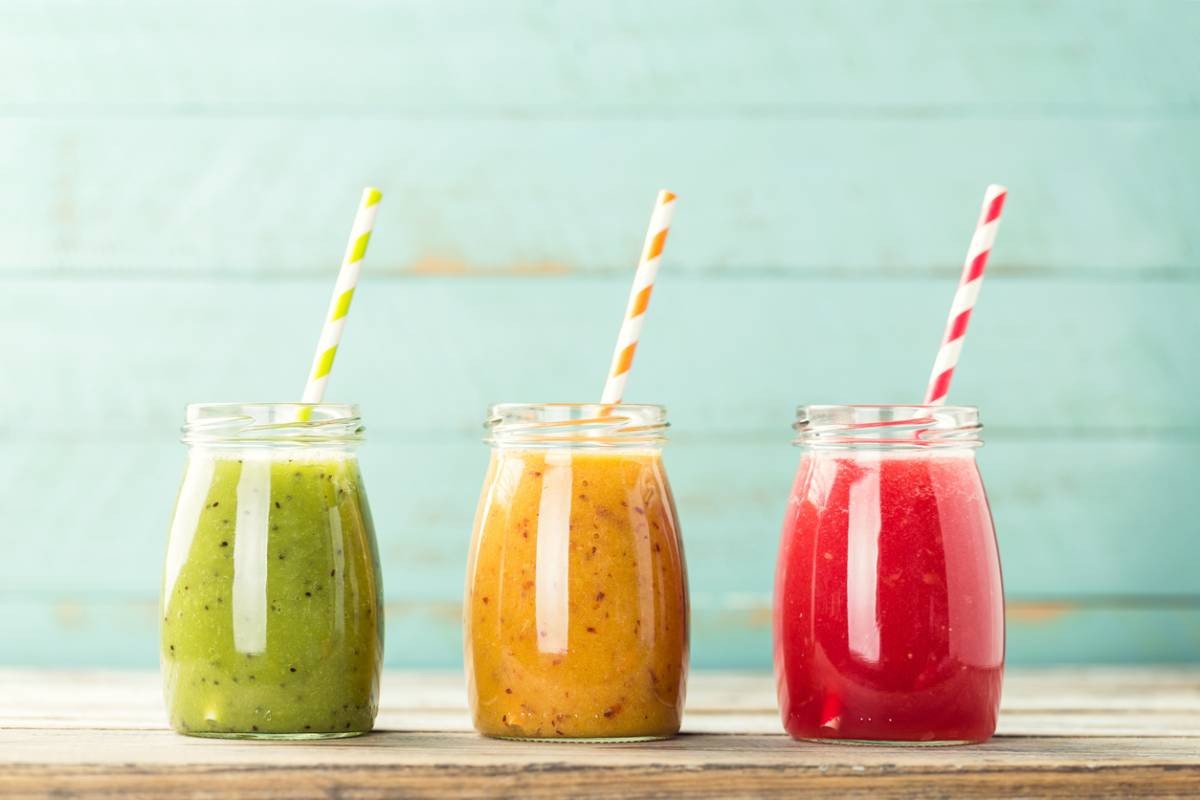
Washing your juice can also help increase its freshness. By removing any dirt or bacteria, you are ensuring that your juice stays fresh for longer. This can result in a better taste and overall quality of the juice, making your juicing experience more enjoyable.
It’s important to note that washing your juice before consuming it is not only beneficial for your health but also for the environment. By washing your produce, you are reducing the amount of chemicals and contaminants that end up in our water systems, promoting a cleaner and healthier environment for all.
Conclusion:
Washing your juice before consuming it is an important step in ensuring its safety and quality. It helps remove pesticide residues, eliminates dirt and bacteria, and increases freshness. By taking the time to wash your produce thoroughly, you are making a conscious effort to prioritize your health and well-being.
Step 1: Preparing the juice
Before you begin washing your juice, it’s important to prepare the ingredients properly. Follow these steps to ensure the best results:
Gather the ingredients
Collect all the fruits and vegetables you’ll be using to make your juice. Make sure they are fresh and free from any signs of spoilage.
Wash the produce
Thoroughly rinse each item under cold running water. Use a gentle scrub brush to remove any dirt or debris on the surface of the fruits and vegetables. Pay special attention to areas with crevices, such as the tops of strawberries and the ridges of celery.
Peel and chop(if necessary)
If your fruits or vegetables have tough outer skins, like oranges or pineapples, it’s essential to peel them before juicing. Use a sharp knife to remove the skin, ensuring you remove as little of the flesh as possible. Additionally, if your produce is large or doesn’t fit into your juicer, cut it into smaller pieces that will fit comfortably.
- For example, if you’re juicing an apple, core and slice it into wedges.
- For leafy greens, such as spinach or kale, remove any tough stems and tear them into smaller pieces.
By properly preparing your juice, you’ll enhance the effectiveness of the washing process and ensure a clean and safe final product.
Gather fresh fruits or vegetables

When preparing to wash juice, it’s important to start with fresh and high-quality fruits or vegetables. Look for produce that is ripe and free of any bruises or blemishes. This will ensure that you get the best flavor and nutrients from your juice.
Choose a variety of fruits and vegetables for your juice to create a balance of flavors and nutrients. Some popular options include apples, oranges, kale, spinach, carrots, and celery. Be sure to wash any dirt or debris off the surface of the produce before using them.
Expert tip:
If possible, try to buy organic produce to avoid any pesticides or chemicals that may be present on conventionally grown fruits and vegetables. Organic options are often more nutritious and have a better taste.
Note:
It’s important to consume fruits and vegetables within a few days of purchasing them to ensure freshness and optimal taste. Wash only the amount you plan to use for your juice recipe to prevent waste.
Step 2: Choosing the right method
After gathering all the necessary supplies and preparing your workspace, it’s time to choose the right method for washing your juice. The method you choose will depend on the type of juice and the level of cleanliness you desire.
1. Hand-washing

If you prefer a more hands-on approach, you can choose to wash your juice by hand. This method requires a gentle touch and close attention to detail. Begin by wetting the juice with warm water, then use a soft cloth or sponge to gently scrub the surface, making sure to reach all crevices and angles. Rinse the juice thoroughly to remove any residue and pat dry with a clean towel.
2. Dishwasher
If you’re looking for convenience and efficiency, using a dishwasher can be a great option. Most juicers are dishwasher safe, but it’s always a good idea to check your specific model’s instructions. Place the juice in the dishwasher, either on the top rack or in a designated section for juicers, and set it to a gentle cycle. Once the cycle is complete, carefully remove the juice and inspect for any remaining dirt or stains. If necessary, you can do some spot cleaning by hand before rinsing and patting dry.
3. Vinegar soak
For stubborn stains or odors, a vinegar soak can be a highly effective method. Fill a sink or basin with warm water and add a cup of white vinegar. Submerge the juice and let it soak for about 15-20 minutes. The acidity of the vinegar will help break down any build-up or residue. After soaking, scrub the juice gently with a soft brush or sponge, then rinse thoroughly. Make sure to remove any vinegar smell by rinsing with clean water, then pat dry with a clean towel.
Remember, it’s important to choose a method that suits your juice and your desired level of cleanliness. If in doubt, refer to your juice’s manual or contact the manufacturer for specific cleaning instructions.
Various methods for washing juice
There are several methods you can use to effectively wash juice before consuming it. Here are a few options:
| Method | Description |
|---|---|
| 1. Running water | One of the easiest and most common methods is to rinse the juice under running water. Make sure to rub the surface of the juice with your hands and turn it around to reach all areas. |
| 2. Soaking in vinegar solution | To remove any bacteria or residue, you can soak the juice in a solution of water and vinegar. Mix one part vinegar with three parts water and let the juice soak for about ten minutes. Rinse thoroughly with water afterwards. |
| 3. Using a produce wash | There are various produce wash products available in the market that can be used to effectively clean juice. Follow the instructions on the product and rinse thoroughly after using. |
| 4. Using a vegetable brush | If the juice has a rough surface, using a vegetable brush can help remove any dirt or debris. Gently scrub the juice with the brush under running water and rinse thoroughly. |
| 5. Commercial juice washes | Some stores offer commercial juice washes that are specifically designed to remove bacteria and other contaminants. Follow the instructions on the product for best results. |
Regardless of the method you choose, always make sure to thoroughly rinse the juice with water after cleaning. This will remove any remaining dirt, bacteria, or cleaning solution and ensure that the juice is safe to consume.
Step 3: Washing the juice
Once you have extracted the juice from the fruits or vegetables, it is essential to wash it thoroughly to remove any impurities or contaminants. Follow these steps to ensure your juice is clean and safe to consume:
1. Fill a bowl or sink with clean water
Start by filling a clean bowl or sink with enough water to completely submerge the juice. Make sure the water is at a comfortable temperature and free from any chemicals or additives.
2. Gently agitate the juice in the water
Place the container of juice into the water and gently agitate it to allow the water to reach every part of the juice. You can use a spoon or your hands to circulate the water around the juice.
3. Let the juice rest in the water
Allow the juice to rest in the water for a few minutes to ensure that any dirt or residue is loosened and detached from the juice. This step will help to dislodge any remaining particles that may be present.
4. Remove the juice from the water
Using clean hands or a spoon, carefully remove the juice from the water and place it back into a clean container. Be cautious not to transfer any dirt or debris that may have settled at the bottom of the water.
5. Rinse the juice under clean running water
After removing the juice from the water, rinse it under clean running water to further eliminate any remaining impurities. Ensure that all parts of the juice are thoroughly rinsed.
6. Pat the juice dry
Use a clean towel or cloth to pat the juice dry before storing it or consuming it. This step will help remove excess moisture and prevent any contaminants from affecting the juice.
By following these steps, you can effectively wash your juice and ensure that it is clean and safe to consume. Remember to always use clean equipment and water to maintain the quality of your juice.
| Step | Instructions |
|---|---|
| 1 | Fill a bowl or sink with clean water |
| 2 | Gently agitate the juice in the water |
| 3 | Let the juice rest in the water |
| 4 | Remove the juice from the water |
| 5 | Rinse the juice under clean running water |
| 6 | Pat the juice dry |
Video on the topic
Complete Interior car detailing guide for beginners!
HOW TO WASH A CAR FASTER! | Car Wash in 10 minutes or less
Learn to Clean – House Cleaning 101
How to Pressure Wash a Concrete Driveway – Step By Step Walkthrough
Answers to frequently asked questions
Read more practical tips and expert opinions about modern devices at appliances-news.com. Here you will find answers to questions about any technology.