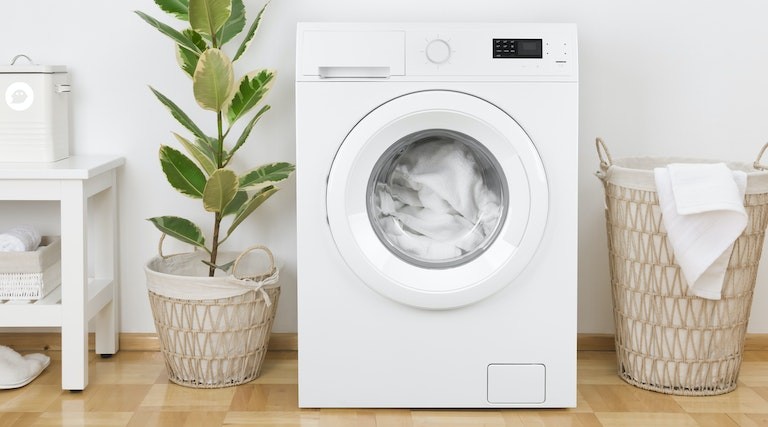
Transporting a washing machine can be a daunting task, especially if you’ve never done it before. Whether you are moving to a new home or simply need to transport your washing machine for repairs, it’s important to follow the right steps to ensure a smooth and safe journey. In this guide, we will provide you with useful tips and a step-by-step guide on how to properly transport your washing machine.
Tip 1: Prepare the washing machine
Before you start moving the washing machine, it’s important to prepare it properly. Start by disconnecting the washing machine from the power source and unplugging any attached cables. Next, turn off the water supply and disconnect the water hoses. Make sure to drain any remaining water from the machine and secure the drum by using a transportation bolt or locking mechanism, if available.
Tip 2: Gather the necessary equipment
To transport your washing machine safely, you will need a few essential tools and materials. First, make sure to have a sturdy dolly or hand truck, as this will make it easier to move the heavy appliance. You will also need some moving blankets or thick towels to protect the washing machine from scratches and bumps during transport. Lastly, don’t forget to have some packing tape and straps to secure the machine in place.
Step 1: Empty the drum
Before you start moving the washing machine, it’s important to empty the drum completely. Remove any clothes or items that may be inside, as they can shift during transport and damage the machine. Additionally, it’s a good idea to clean the drum and any removable parts before moving to prevent any dirt or residue from causing damage.
Step 2: Secure the drum
After the drum is empty, secure it to prevent any movement during transport. Look for transportation bolts or locking mechanisms located at the back of the machine. If your washing machine doesn’t have these features, you can use strong straps or bungee cords to fasten the drum to the body of the machine. This will help prevent the drum from moving and causing damage during transit.
Step 3: Protect the washing machine
Wrap the washing machine in moving blankets or thick towels to protect it from scratches and dents. Secure the blankets with packing tape to ensure they stay in place during transport. Pay extra attention to the corners and edges of the machine, as they are more susceptible to damage. If needed, you can also use additional padding, such as foam or bubble wrap, for added protection.
Step 4: Load and secure the washing machine
Using a dolly or hand truck, carefully load the washing machine onto it. Make sure the machine is properly centered and balanced to prevent tipping or falling during transport. Use straps or ropes to secure the washing machine to the dolly, making sure it is tightly fastened. Double-check all the connections and make any necessary adjustments before moving the machine.
By following these tips and step-by-step instructions, you can safely transport your washing machine without any hassle. Remember to take your time and be cautious during the process to avoid any mishaps. Good luck!
- Planning for a Successful Move
- Measure the Washing Machine and Doorways
- Gather Necessary Supplies
- 1. Moving Dolly
- 2. Packing Materials
- 3. Cleaning Supplies
- 4. Tools
- 5. Straps or Ropes
- 6. Moving Blankets
- Preparing the Washing Machine
- Video on the topic
- Earl’s Court | Hidden London Hangouts (S08E01)
- How to Use Your Front Load Washer: Display & Cycle Options
- I Transformed My Washing Machine into a Fish Tank
- Answers to frequently asked questions
Planning for a Successful Move

When it comes to transporting a washing machine, proper planning is key to ensuring a successful move. This is especially important as washing machines are heavy and bulky appliances that require careful handling to avoid damage or injury. By following some simple guidelines, you can ensure that your washing machine is transported safely and securely.
First and foremost, it is important to gather all necessary supplies and equipment before the move. This may include a dolly or hand truck, moving straps or ropes, and blankets or padding to protect the washing machine during transport. It is also a good idea to have some basic tools on hand, such as a wrench or screwdriver, in case any disassembly is required.
Next, it is important to measure the dimensions of your washing machine and any doorways or narrow spaces it will need to pass through during the move. This will help you determine the best route for transporting the machine and whether any disassembly is necessary. Keeping these measurements in mind will also help you choose a suitable vehicle for transporting the washing machine, such as a van or truck with a ramp or liftgate.
Before loading the washing machine onto the vehicle, make sure to disconnect it from any power or water sources and properly drain any remaining water. This will prevent any leaks or damage during the move. It is also a good idea to secure any loose parts, such as hoses or cables, to prevent them from getting damaged or lost during transport.
When loading the washing machine onto the vehicle, use proper lifting techniques and enlist the help of at least one other person to avoid straining yourself or causing injury. If using a dolly or hand truck, place it securely under the washing machine and use straps or ropes to secure it in place. Make sure the machine is centered and balanced to prevent tipping or shifting during transport.
During the move, drive cautiously and avoid sudden stops or sharp turns that could cause the washing machine to shift or tip. It is also a good idea to place blankets or padding around the machine to protect it from any bumps or vibrations during transport.
Once you have arrived at your new location, carefully unload the washing machine and move it to its designated spot. Take the time to properly reconnect any power or water sources and make sure the machine is level and stable before using it again.
By planning ahead and following these guidelines, you can ensure a successful move for your washing machine, with minimal stress and risk of damage. Remember to take your time and prioritize safety throughout the entire process.
Measure the Washing Machine and Doorways

Before attempting to transport a washing machine, it is essential to accurately measure both the dimensions of the machine and the doorways through which it needs to pass. This step will help you determine if the appliance can be successfully moved without any issues.
Firstly, measure the height, width, and depth of the washing machine. Use a tape measure or ruler to get accurate measurements. Write down these dimensions for reference.
Next, measure the doorways or narrow passages that the washing machine needs to go through during the transportation process. Measure the height and width of the doorframe, taking into account any additional obstacles such as stairwells or other obstructions. Make sure to measure at the narrowest points to ensure an accurate fit.
By measuring both the washing machine and doorways, you will be able to determine if the machine can fit through without any complications. This step is crucial to avoid any damage to the machine or potential injuries during the transportation process.
Important Tip: If the washing machine is too large to fit through the doorways, consider removing the doors or hinges temporarily to create more space. Ensure you have the necessary tools and assistance to perform this task safely.
Remember to take accurate measurements and plan accordingly to ensure a smooth and safe transport for your washing machine.
Gather Necessary Supplies
Transporting a washing machine can be a challenging task, but with the right supplies, you can ensure a safe and hassle-free move. Before you begin the moving process, gather the necessary supplies listed below:
1. Moving Dolly

A moving dolly is an essential tool that will make it easier to transport the washing machine. Choose a dolly with sturdy wheels that can support the weight of the appliance. Make sure it has straps or a bungee cord to secure the washing machine during transportation.
2. Packing Materials

Protect the washing machine from scratches and damage by using packing materials. You’ll need packing tape, bubble wrap, moving blankets, and foam padding. Secure the packing materials tightly to prevent any shifting during transportation.
3. Cleaning Supplies

Before moving the washing machine, it’s important to clean it and remove any remaining water. Prepare a bucket, sponge, and cleaning solution for this task. It’s crucial to dry the appliance thoroughly to prevent mold or mildew growth.
4. Tools

You may need a few tools to disconnect the washing machine from the water supply and electrical outlet. Keep a pair of pliers, an adjustable wrench, and a screwdriver nearby to efficiently detach the necessary connections.
5. Straps or Ropes
To ensure the washing machine stays in place during transportation, secure it with straps or ropes. These will prevent the appliance from shifting or falling out of the moving truck. Make sure the straps are strong and adjustable for a tight fit.
6. Moving Blankets

Moving blankets are essential for protecting the washing machine from bumps and scratches. Place them around the appliance before loading it onto the dolly or into the truck. The blankets will provide an extra layer of cushioning.
| Supplies | Quantity |
|---|---|
| Moving Dolly | 1 |
| Packing Tape | 1 roll |
| Bubble Wrap | 1 roll |
| Moving Blankets | 3-4 |
| Foam Padding | 1 sheet |
| Bucket | 1 |
| Sponge | 1 |
| Cleaning Solution | As needed |
| Pliers | 1 pair |
| Adjustable Wrench | 1 |
| Screwdriver | 1 |
| Straps or Ropes | 2-4 |
Preparing the Washing Machine
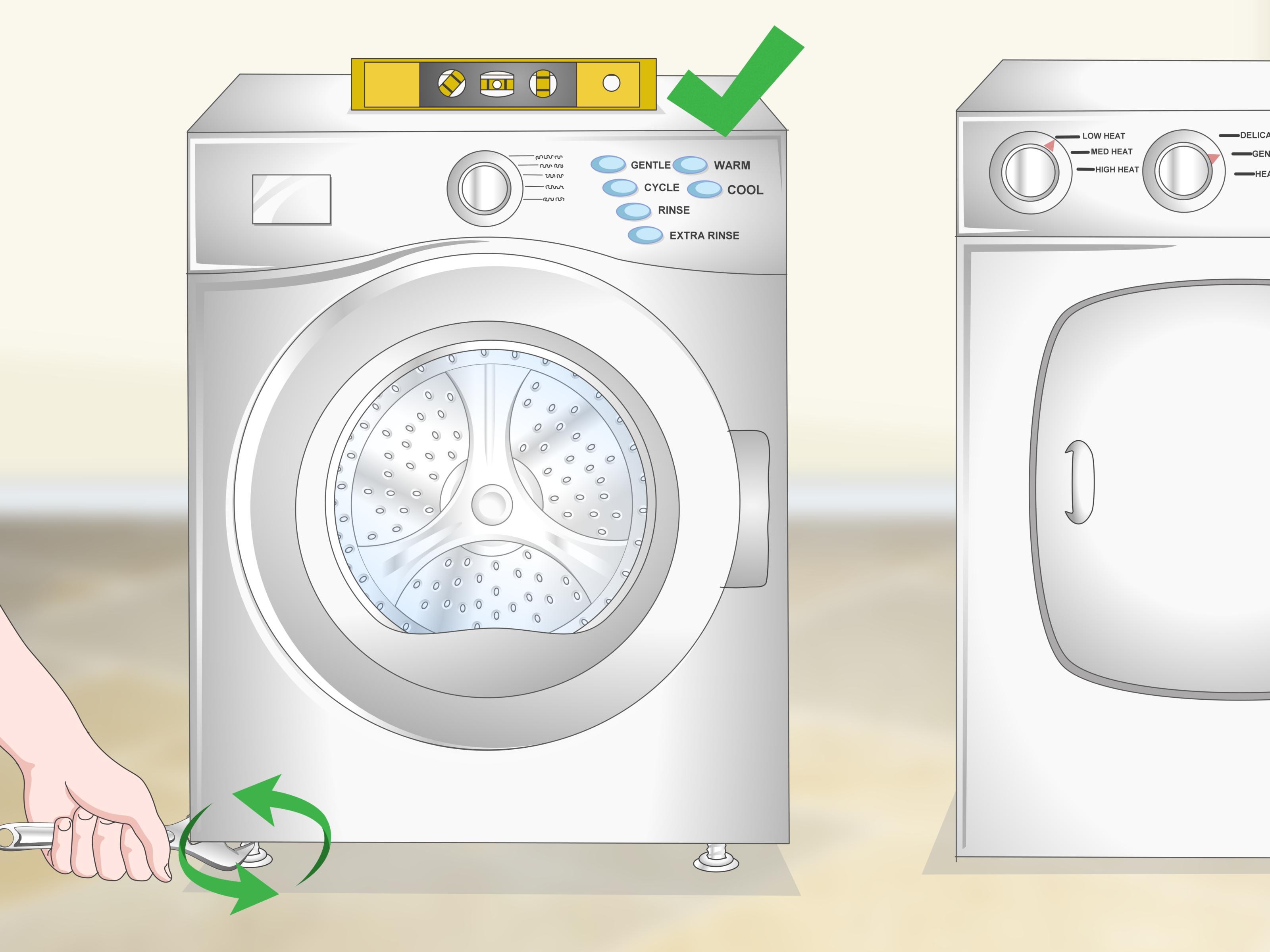
Before transporting your washing machine, it is crucial to ensure that it is properly prepared. Follow these steps to prepare your washing machine:
1. Turn off the power: Unplug the washing machine from the electrical outlet and make sure the power is completely turned off. This will prevent any electrical accidents during transportation.
2. Remove all accessories: Take out any removable parts or accessories from the washing machine, such as lint filters, detergent trays, and drain hoses. These parts can get damaged or lost during transportation.
3. Empty the water: Drain any remaining water from the washing machine to prevent leakage during transportation. Refer to the manufacturer’s instructions on how to properly drain the water from your specific model.
4. Secure the drum: If your washing machine has a drum lock or a transit bolt, make sure to secure the drum to prevent movement and potential damage. Follow the manufacturer’s instructions on how to lock the drum effectively for transport.
5. Clean the machine: Give your washing machine a thorough cleaning before transportation. Remove any dirt, lint, or debris from the drum and the exterior. This will help protect the machine and prevent any dirt from causing damage during transport.
6. Secure the hoses and cords: Bundle up the hose and power cord, and secure them to the washing machine using zip ties or tape. This will prevent them from getting tangled or damaged during transportation.
By properly preparing your washing machine, you can ensure that it will be safely transported without any damage. Following these steps will help you have a smooth and hassle-free moving experience.
Video on the topic
Earl’s Court | Hidden London Hangouts (S08E01)
How to Use Your Front Load Washer: Display & Cycle Options
I Transformed My Washing Machine into a Fish Tank
Answers to frequently asked questions
Read more practical tips and expert opinions about modern devices at appliances-news.com. Here you will find answers to questions about any technology.