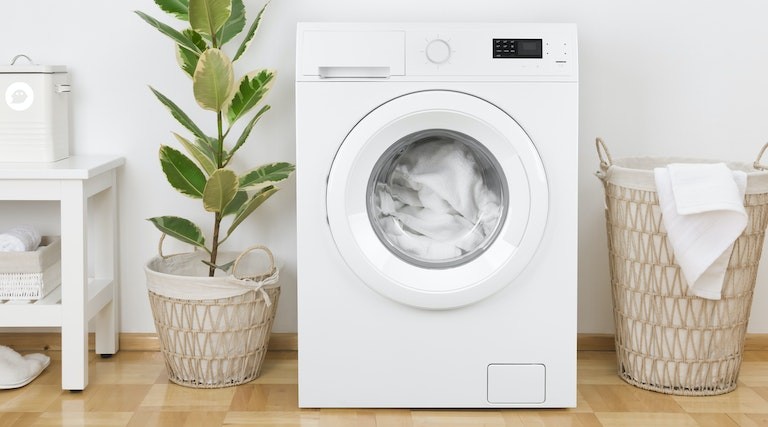
In the fast-paced world we live in, convenience and efficiency are paramount. This extends to the appliances we use, including washing machines. While conventional washing machines have been a staple in households for decades, built-in washing machines have emerged as a game changer in recent years.
So, what exactly sets built-in washing machines apart from their conventional counterparts? For starters, built-in washing machines are seamlessly integrated into your living space. Unlike conventional models that are standalone units, built-in washing machines are designed to be built into kitchen or laundry cabinets, allowing them to blend seamlessly with the rest of your interior design.
Aside from aesthetics, built-in washing machines also offer a range of innovative features that enhance their performance and functionality. These machines often come equipped with advanced cleaning technologies, such as steam or eco-cycles, that ensure your clothes are thoroughly cleaned while minimizing energy consumption.
Furthermore, built-in washing machines are designed to be whisper-quiet. The noise levels generated by these machines are significantly lower compared to conventional ones, making them ideal for open-plan living spaces or apartments where noise can be a concern. Additionally, built-in washing machines often incorporate vibration reduction technology, further dampening any disruptive noise and ensuring a peaceful environment.
If you’re looking to upgrade your laundry experience, a built-in washing machine could be the perfect choice. With their seamless integration, advanced features, and whisper-quiet operation, these machines offer a level of convenience and efficiency that conventional washing machines simply can’t match.
- Understanding the Differences
- Design and Aesthetics
- Customizability
- Space-saving
- Space and Integration
- Installation and Placement
- Benefits of Built-In Installation
- Advantages of Freestanding Placement
- Video on the topic
- The 50 Most Evil Christians in the World
- Best Washing Machines 2026 [don’t buy one before watching this]
- Top 3 Washing Machines in 2026
- You’ve never seen a washing machine quite like this
- Answers to frequently asked questions
Understanding the Differences
When it comes to washing machines, there are some key differences between built-in and conventional models that make them stand apart. Understanding these differences can help you make an informed decision when choosing which type of washing machine is right for you.
One of the main differences is the installation method. Built-in washing machines are designed to be installed seamlessly into your kitchen or laundry room cabinetry. This means they are more aesthetically pleasing and can integrate well with the overall design of your space. On the other hand, conventional washing machines are standalone units that require more floor space.
Another difference lies in the capacity and size. Built-in washing machines tend to be smaller in size and have a lower capacity compared to conventional models. This is because they are designed to fit into specific cabinet dimensions. If you have a smaller household or limited space, a built-in washing machine may be a better choice. However, if you have a large family or need to wash bulky items, a conventional washing machine with a larger capacity may be more suitable.
When it comes to functionality, built-in washing machines often come with advanced features and technology. They may have specific wash cycles for delicate fabrics, a faster spin speed for shorter drying time, or even smart capabilities that allow you to control and monitor your machine remotely. Conventional washing machines, on the other hand, may have fewer features but are often more straightforward and easier to use.
Finally, the price is another factor to consider. Built-in washing machines tend to be more expensive than conventional ones. This is due to the integration and customization options they offer. If budget is a concern, a conventional washing machine may be a more affordable choice.
| Built-In Washing Machines | Conventional Washing Machines |
|---|---|
| Aesthetically pleasing | Require more floor space |
| Smaller size and lower capacity | Larger size and higher capacity |
| Advanced features and technology | Straightforward and easy to use |
| Higher price | More affordable |
Design and Aesthetics
Built-in washing machines, often referred to as integrated or panel-ready machines, offer a unique advantage when it comes to design and aesthetics. Unlike conventional washing machines, built-in models are designed to blend seamlessly with your kitchen or laundry room decor.
One of the key differences in design is the way built-in washing machines are installed. These machines are designed to be built directly into your kitchen or laundry room cabinetry, with a door panel that matches your existing cabinets. This creates a seamless, integrated look that enhances the overall aesthetics of your space. Conventional washing machines, on the other hand, are freestanding and typically come in a limited range of colors and designs.
Customizability
Another advantage of built-in washing machines is the ability to customize the appearance to suit your personal style. With panel-ready models, you have the option to choose a door panel that matches the color and design of your existing cabinets. This allows you to create a cohesive and harmonious look in your space, without compromising on functionality.
In contrast, conventional washing machines often have a standard design that may not complement the style of your kitchen or laundry room. While some models may offer a variety of color options, they may still stand out visually and disrupt the overall aesthetic of the space.
Space-saving
Additionally, built-in washing machines are designed to save space. By integrating the machine into your cabinetry, you can free up valuable floor space that would otherwise be taken up by a freestanding machine. This is especially useful in smaller kitchens or laundry rooms where space is limited.
Conventional washing machines, with their bulky and freestanding design, can take up a significant amount of space and may even require additional room for ventilation. This limits your options for placement and can make your space feel cramped and crowded.
In conclusion, the design and aesthetics of built-in washing machines are distinct from conventional ones. Their ability to seamlessly blend into your existing cabinetry, customizable appearance, and space-saving design make them an attractive choice for those looking to enhance the overall look and feel of their kitchen or laundry room.
Space and Integration
Built-in washing machines are designed to seamlessly integrate into your kitchen or laundry room, maximizing space and creating a sleek and cohesive look. Unlike conventional washing machines, which are freestanding and take up valuable floor space, built-in models are installed directly into your cabinetry or under your countertops. This integration not only saves space but also allows for a more organized and efficient layout.
With a built-in washing machine, you no longer have to sacrifice valuable storage space or disrupt the flow of your kitchen or laundry room. The compact size and integrated design allow for a seamless fit that blends in with the rest of your appliances and cabinetry. This integration also eliminates the need for additional shelving or storage solutions, as the washing machine becomes a part of your overall design.
Furthermore, built-in washing machines often offer customization options to match your existing cabinetry or kitchen décor. You can choose from a variety of finishes and panel options, allowing you to create a cohesive and visually pleasing space. This level of customization is not typically available with conventional washing machines, which often come in a standard finish.
| Space and Integration Benefits |
|---|
| Maximizes valuable floor space |
| Creates a sleek and cohesive look |
| Allows for a more organized and efficient layout |
| Seamless fit that blends in with appliances and cabinetry |
| Eliminates the need for additional shelving or storage solutions |
| Offers customization options |
| Enhances overall design and visual appeal |
Installation and Placement
One of the key differences between built-in washing machines and conventional ones is their installation and placement. Built-in washing machines are designed to be seamlessly integrated into your kitchen or laundry room furniture, while conventional ones are freestanding and can be placed anywhere in your home.
Built-in washing machines are usually installed under kitchen countertops or within cabinets, providing a clean and organized look to the space. This integration not only enhances the aesthetics of your kitchen or laundry room but also maximizes the available space.
Conventional washing machines, on the other hand, can be placed anywhere with access to water and electricity. They often come with their own stands or can be placed on a suitable surface. This flexibility in placement allows you to easily move the machine or switch its location if needed.
It is important to note that built-in washing machines require professional installation, as they need to be properly integrated into the existing furniture and plumbing system. This ensures their proper functioning and prevents any potential damage to the surrounding area.
Benefits of Built-In Installation
The built-in installation of washing machines offers several benefits:
- Aesthetic appeal: Built-in washing machines blend seamlessly with the surrounding furniture, creating a cohesive and stylish look.
- Space-saving: By integrating the machine into existing furniture, you can save valuable floor space, making your kitchen or laundry room appear more spacious.
- Noise reduction: Built-in machines are often designed with noise reduction features, which help minimize the noise and vibrations during operation.
Advantages of Freestanding Placement
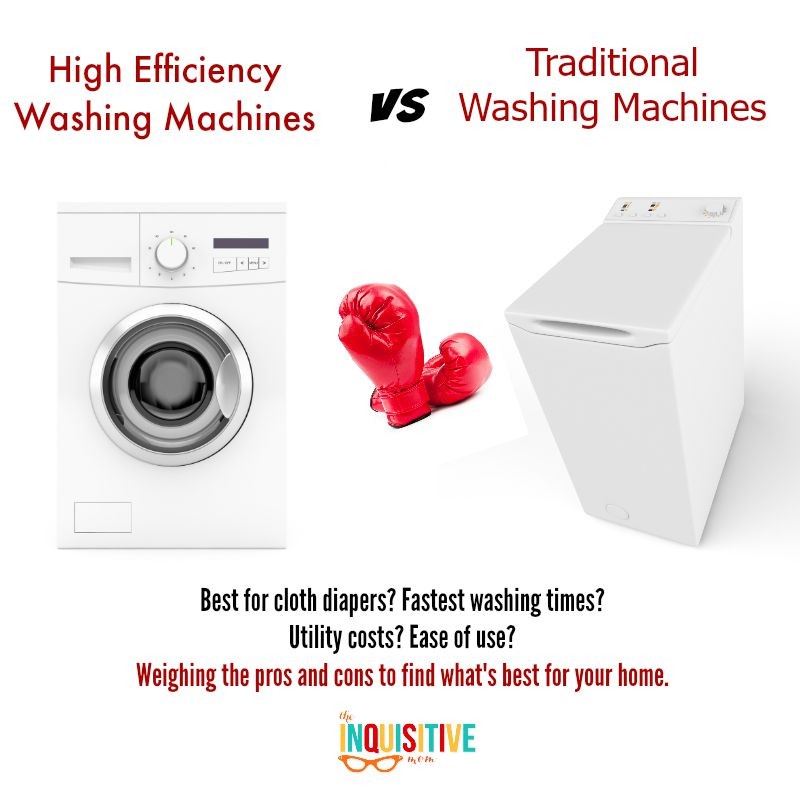
Conventional washing machines offer certain advantages due to their freestanding placement:
- Easy installation: Freestanding washing machines can be quickly and easily installed without the need for professional help.
- Portability: You can easily move or relocate a freestanding washing machine as per your convenience or space requirements.
- Cost-effective: Conventional washing machines often come at a lower price point compared to built-in models.
Ultimately, the choice between a built-in washing machine and a conventional one depends on your personal preferences, space availability, and the overall design of your kitchen or laundry room.
Video on the topic
The 50 Most Evil Christians in the World
Best Washing Machines 2026 [don’t buy one before watching this]
Top 3 Washing Machines in 2026
You’ve never seen a washing machine quite like this
Answers to frequently asked questions
Read more practical tips and expert opinions about modern devices at appliances-news.com. Here you will find answers to questions about any technology.