Is your washing machine not draining properly? It might be time to remove and clean the pump. The pump is responsible for draining water from the machine during the wash cycle, and if it becomes clogged with lint, debris, or foreign objects, it can affect the machine’s performance.
Here is a step-by-step guide on how to remove the pump from your washing machine:
Step 1: Turn off the power to the washing machine and unplug it from the electrical outlet. This step is crucial to ensure your safety during the removal process.
Step 2: Locate the pump. Depending on the make and model of your washing machine, the pump can be found at the front or back of the machine. It is typically connected to the drain hose and positioned near the bottom of the machine.
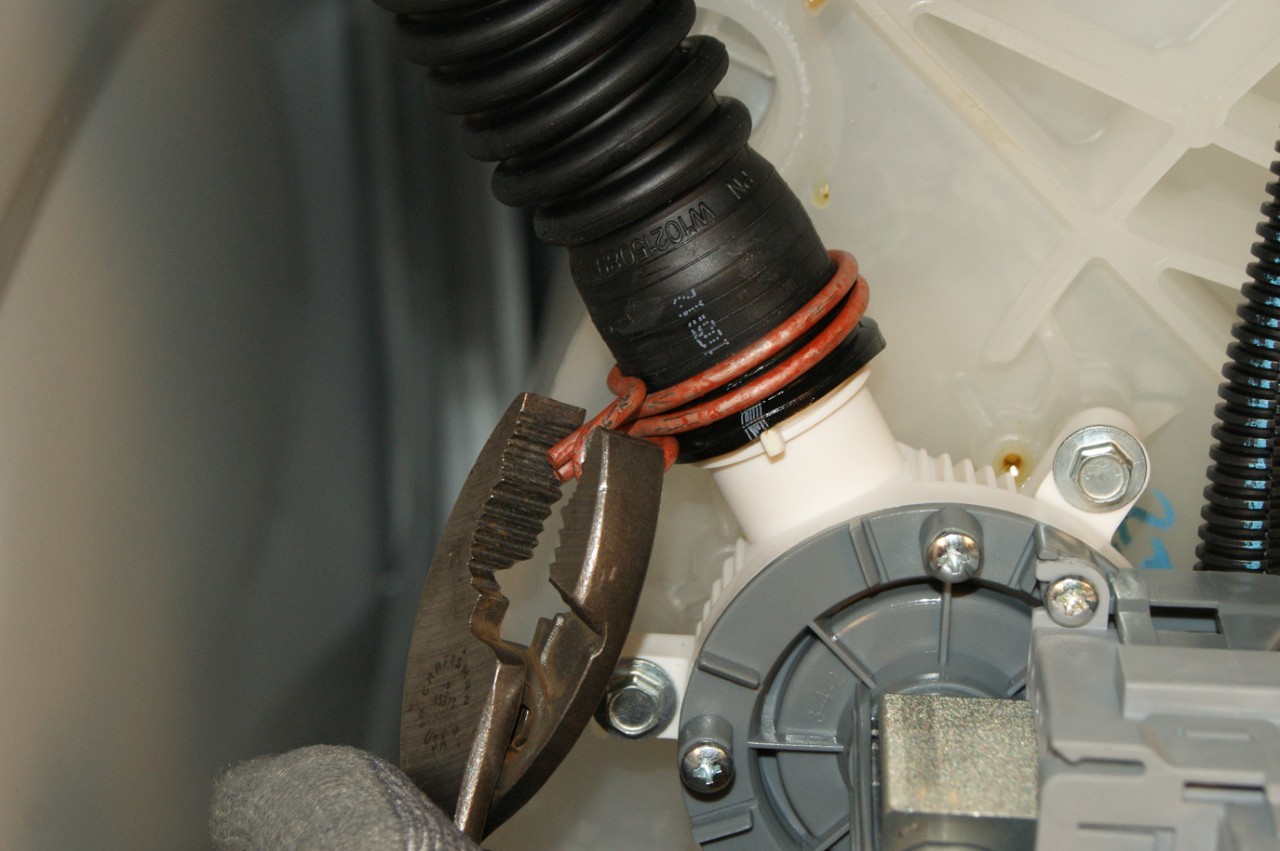
Step 3: Disconnect the drain hose from the pump. Use pliers or a wrench to loosen the clamp securing the hose to the pump. Be prepared for some water to spill out when disconnecting the hose, so it’s a good idea to have a towel or bucket nearby.
Step 4: Remove the mounting screws or clips that secure the pump to the washing machine. These screws or clips may be located on the front or back of the machine, depending on the model. Use a screwdriver or pliers to remove them.
Step 5: Once the screws or clips are removed, carefully pull the pump away from the washing machine. Be gentle to avoid damaging any other components or wiring.
Step 6: Inspect the pump for any blockages or damage. If you notice any debris or foreign objects, carefully remove them using a pair of tweezers or a small brush. Clean the pump thoroughly to ensure optimal performance.
Step 7: To reinstall the pump, simply reverse the steps you took to remove it. Make sure to securely fasten the mounting screws or clips and reconnect the drain hose.
By following this step-by-step guide, you can easily remove and clean the pump in your washing machine, ensuring it functions at its best and prolonging its lifespan. Remember to always prioritize safety and disconnect the power before performing any maintenance. Happy washing!
- Tutorial: Removing the Pump from a Washing Machine
- Tools and Materials Needed:
- Step 1: Preparation
- Step 2: Access the Pump
- Step 3: Disconnect the Hoses
- Step 4: Remove the Pump
- Step 5: Clean or Replace the Pump
- Step 6: Install the New Pump (if applicable)
- Step 7: Reconnect the Hoses
- Step 8: Replace the Back Panel
- Step 1: Gathering the necessary tools
- Step 2: Disconnecting the washing machine
- Step 2.1: Unplug the power cord
- Step 2.2: Shut off the water supply
- Step 3: Locating the pump
- Video on the topic
- Washer Not Draining? Drain Pump Replacement #DC31-00054D
- How to Fix LG Front Load Washer NOT Draining | Model #WM3370HWA/01
- Answers to frequently asked questions
Tutorial: Removing the Pump from a Washing Machine

In this tutorial, you will learn how to remove the pump from a washing machine step by step. The pump is responsible for draining the water from the machine during the wash cycle, and if it becomes clogged or faulty, it can cause issues with the machine’s performance.
Tools and Materials Needed:

- Adjustable wrench
- Bucket or towel
- Pliers
Step 1: Preparation

Before starting any maintenance work on your washing machine, it is important to ensure that the machine is completely disconnected from the power supply. This will prevent any accidents or injuries. Additionally, make sure you have a clean bucket or towel nearby to catch any water that may spill during the process.
Step 2: Access the Pump

To access the pump, you will need to remove the back panel of the washing machine. Use your adjustable wrench to remove the screws holding the panel in place. Once the panel is removed, you will have clear access to the pump.
Step 3: Disconnect the Hoses

Before removing the pump, you will need to disconnect the hoses that are attached to it. Use pliers to loosen the clamps that secure the hoses. Once the clamps are loose, pull the hoses off the pump connections. Be prepared for some water to spill out, as there may still be some water left in the machine.
Step 4: Remove the Pump
Now that the hoses are disconnected, you can proceed to remove the pump. The pump is typically held in place by a few screws or bolts. Use your wrench to carefully remove these screws and set them aside. Once the screws are removed, gently pull the pump away from the machine and place it in a safe location.
Step 5: Clean or Replace the Pump
With the pump removed, you can now inspect it for any debris or clogs. If you notice any blockages, use a small brush or pipe cleaner to remove them. If the pump is damaged or beyond repair, it will need to be replaced. You can source a replacement pump from the manufacturer or a reputable appliance parts store.
Step 6: Install the New Pump (if applicable)

If you have obtained a new pump, follow the manufacturer’s instructions to install and secure it in place. Make sure all the connections are tight and secure.
Step 7: Reconnect the Hoses
Once the pump is installed or cleaned, it’s time to reconnect the hoses. Slide the hoses back onto the pump connections and use pliers to tighten the clamps.
Step 8: Replace the Back Panel

After reconnecting the hoses, carefully replace the back panel of the washing machine. Use your adjustable wrench to securely fasten the screws in place.
That’s it! You have successfully removed and potentially replaced the pump in your washing machine. Remember to always exercise caution when working with electrical appliances and consult a professional if you are unsure about any steps in the process.
Step 1: Gathering the necessary tools

Before starting the process of removing the pump from your washing machine, it’s important to gather all the necessary tools. Having the right tools on hand will make the task easier and more efficient. Here are the tools you will need:
- Phillips screwdriver
- Flathead screwdriver
- Pliers
- Bucket or towels (to catch any water that may spill)
- Wrench (if required by your specific washing machine model)
Make sure you have these tools readily available before you proceed to the next steps. It’s also a good idea to wear protective gloves to prevent any injuries.
Step 2: Disconnecting the washing machine
Before you begin disassembling the washing machine and removing the pump, it is important to first disconnect the machine from all power sources and turn off the water supply. This step is crucial to ensure your safety and prevent any potential accidents.
To disconnect the washing machine, follow these steps:
Step 2.1: Unplug the power cord

Locate the power cord at the back of the washing machine. Gently pull the plug out of the electrical outlet to disconnect the machine from the power source. Make sure to properly secure the power cord to prevent it from accidentally falling back into the outlet during the disassembling process.
Step 2.2: Shut off the water supply
In order to prevent water leakage and potential damage, turn off the water supply that is connected to the washing machine. Look for the water shut-off valve usually located behind the machine or in the utility room. Rotate the valve clockwise until it is completely closed.
By disconnecting the washing machine from its power source and turning off the water supply, you are now ready to proceed with the next steps of removing the pump from the washing machine.
Step 3: Locating the pump

Before proceeding with the removal of the pump, you need to locate its position in the washing machine. The pump is responsible for draining the water from the machine during the wash and spin cycles, so it is usually located at the bottom of the appliance.
To find the pump, you will need to access the back or bottom of the washing machine. Take the necessary safety precautions, such as unplugging the appliance and wearing protective gloves. Refer to the user manual or the manufacturer’s website for specific instructions on how to access the pump.
If you cannot find the pump through visual inspection, you may need to rely on the user manual or some online resources to help locate it. Some washing machines have a removable panel at the back that allows easy access to the pump, while others require you to tilt the machine or remove the top or front panel.
Once you have located the pump, take a moment to familiarize yourself with its appearance. The pump is typically a small, cylindrical or rectangular-shaped component with inlet and outlet hoses connected to it. It may also have electrical connections, such as wires and connectors.
| Note: | Every washing machine model is different, so the exact location and appearance of the pump may vary. Refer to the user manual or the manufacturer’s instructions for accurate information specific to your machine. |
Now that you have located the pump and are familiar with its appearance, you are ready to move on to the next step: disconnecting the hoses from the pump.
Video on the topic
Washer Not Draining? Drain Pump Replacement #DC31-00054D
How to Fix LG Front Load Washer NOT Draining | Model #WM3370HWA/01
Answers to frequently asked questions
Read more practical tips and expert opinions about modern devices at appliances-news.com. Here you will find answers to questions about any technology.