Having a washing machine at home can be a real time-saver and make our lives much easier. However, if you have just bought a new washing machine or are using one for the first time, you might feel a bit overwhelmed. Don’t worry, we are here to help!
Before turning on your washing machine, make sure you have read the manufacturer’s instructions and familiarized yourself with the different settings and buttons on the machine. This will help you make the most out of your washing machine and avoid any potential damages.
First, locate the power button of your washing machine. It is usually located on the front panel of the machine. Once you have found it, make sure the machine is plugged into a power outlet and turned on. Press the power button to turn on the machine.
Next, you will need to select the desired wash cycle. Most washing machines offer a range of wash cycles, such as normal, delicate, or heavy-duty. Choose the wash cycle that suits your laundry needs. You can usually select the wash cycle by turning a dial or pressing a button labeled “cycle” or “program”.
After selecting the wash cycle, you might need to adjust other settings, such as temperature, spin speed, or water level. These settings will vary depending on your washing machine model. Consult the manual to understand how to adjust these settings properly.
Once you have selected the wash cycle and adjusted the settings, you are ready to start the washing machine. Press the “Start” button or turn the dial to the “Start” position. The machine will start filling with water and agitating the laundry.
During the wash cycle, you might hear noises coming from the machine. This is normal and indicates that the machine is working properly. You can also add detergent and fabric softener at this stage, following the manufacturer’s recommendations.
After the wash cycle is complete, most washing machines will automatically drain the water. Some machines might also have a separate spin cycle to extract excess water from the laundry. Once the cycle is finished, the machine will either beep or display a signal, indicating that the laundry is ready to be removed.
Remember, it is important to follow the manufacturer’s instructions and use common sense when operating a washing machine. Always double-check that you have emptied the pockets of your clothes and avoid overloading the machine to prevent damages.
Now that you know how to turn on a washing machine, you can enjoy the convenience and efficiency it brings to your laundry routine. Say goodbye to handwashing and hello to fresh, clean clothes!
- Preparing the washing machine
- Connecting the washing machine to the power supply
- Step 1: Choose a suitable location
- Step 2: Check the power requirements
- Step 3: Prepare the power cord
- Step 4: Locate the power outlet
- Step 5: Plug in the power cord
- Step 6: Turn on the power
- Adding detergent and laundry
- Selecting a wash cycle and settings
- Temperature control
- Spin speed
- Starting the washing machine
- Video on the topic
- [LG Front Load Washers] Quick Start Guide
- Answers to frequently asked questions
Preparing the washing machine
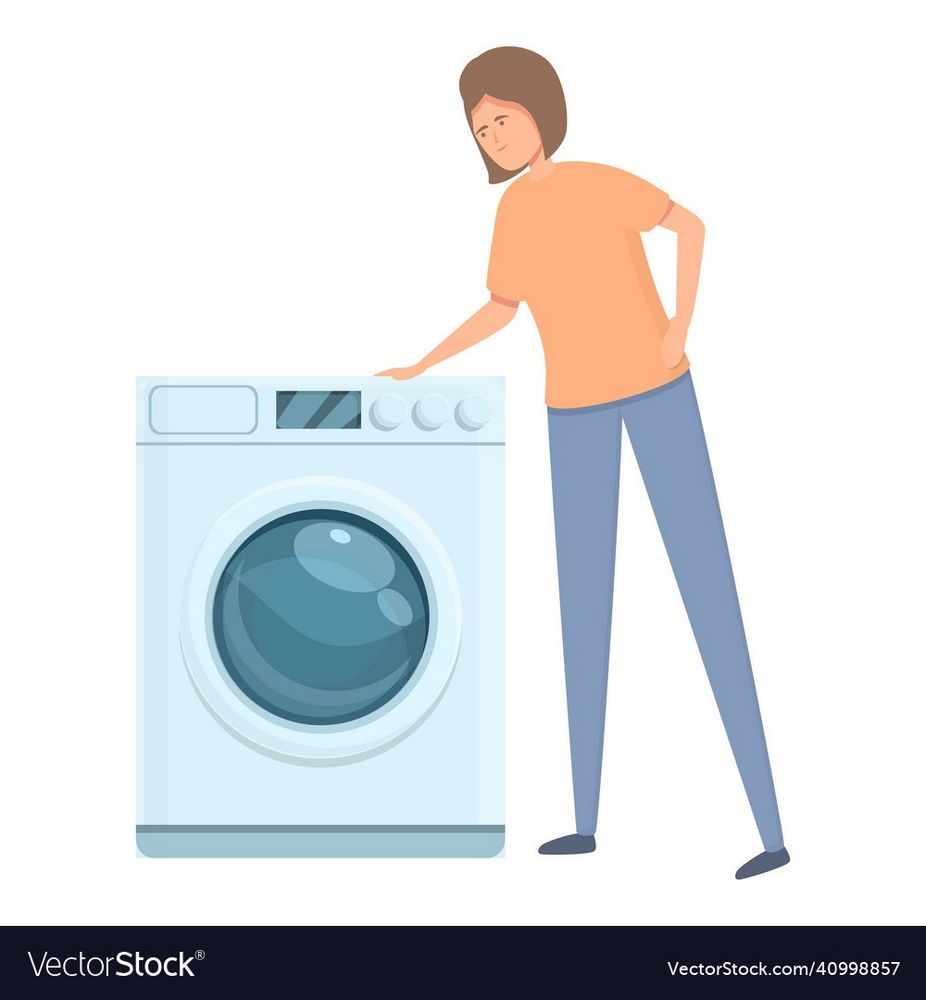
Before turning on the washing machine, make sure it is properly prepared:
1. Check the power supply: Ensure that the washing machine is plugged into a functioning power outlet. Verify that the power cord is in good condition and not frayed or damaged.
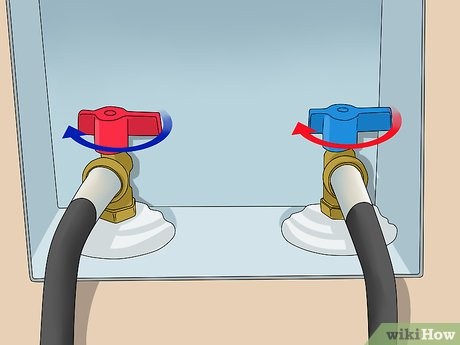
2. Connect the water supply: Attach the washing machine’s inlet hose to a water source, such as a faucet. Make sure the water supply is turned on and the water pressure is adequate for the washing machine to function properly.
3. Sort and load the laundry: Separate the laundry into different piles based on their color, fabric type, and level of dirtiness. Read the washing machine’s instruction manual for guidance on load capacity and suitable garment types for washing. Load the laundry evenly in the drum to ensure balanced spinning and efficient cleaning.
4. Add detergent and other laundry products: Select the appropriate detergent for the type of laundry being washed. Follow the manufacturer’s instructions on the packaging to determine the correct amount of detergent to use. If desired, add fabric softener, bleach, or any other laundry products recommended for the specific load.
5. Close the door and check for obstructions: Ensure that the washing machine’s door is properly closed and latched. Check for any objects or obstructions that may interfere with the door’s closing or the drum’s rotation.
Once you have completed these steps, you will be ready to turn on the washing machine and start the washing cycle.
Connecting the washing machine to the power supply
Before you can start using your washing machine, you need to connect it to a power supply. Here’s a step-by-step guide on how to do it:
Step 1: Choose a suitable location
Find a location near a power outlet where you want to place your washing machine. Make sure there is enough space around the machine for proper ventilation.
Step 2: Check the power requirements
Check the power requirements mentioned in the user manual or on the appliance label. Make sure the power supply in your home meets the necessary voltage and frequency requirements.
Step 3: Prepare the power cord
Inspect the power cord for any damages or frayed wires. Straighten out the cord if it’s tangled or twisted. Ensure that the plug is clean and in good condition.
Step 4: Locate the power outlet
Locate a suitable power outlet within reach of the washing machine. It should be grounded and easily accessible.
Step 5: Plug in the power cord
Insert the power cord plug into the power outlet securely. Ensure that it is fully connected and not loose.
Step 6: Turn on the power

Locate the power button or switch on the washing machine. Press it to turn the machine on. Check if the display or control panel lights up, indicating that it is receiving power.
Once you have completed these steps, your washing machine should be successfully connected to the power supply. Make sure to always follow the manufacturer’s instructions and safety guidelines to prevent any electrical accidents or damage to the appliance.
Adding detergent and laundry

Once you have prepared your washing machine and adjusted the settings, it’s time to add your detergent and laundry. Follow these steps:
- Measure the appropriate amount of detergent for your wash load. This can usually be found on the detergent packaging or in the user manual of your washing machine.
- Open the detergent dispenser drawer on your washing machine. This is usually located on the front panel of the machine.
- Pour the measured detergent into the appropriate compartment of the dispenser drawer. Most washing machines have separate compartments for main wash, pre-wash, and fabric softener.
- If you are using fabric softener, measure the recommended amount and pour it into the designated compartment of the dispenser drawer.
- Close the detergent dispenser drawer.
- Open the washing machine lid or door, depending on the type of machine you have.
- Add your laundry to the drum. Make sure not to overload the machine, as this can affect the washing performance.
- Spread out the laundry evenly in the drum, ensuring that there are no large clumps or tangled items.
- Close the washing machine lid or door securely.
Now that you have added the detergent and laundry, you can proceed to start the washing machine and let it take care of the rest of the washing process.
Selecting a wash cycle and settings
Once your washing machine is turned on, the next step is to select the appropriate wash cycle and settings for your laundry. This will ensure that your clothes are cleaned effectively and in the most suitable manner for their fabric type.
To select a wash cycle, locate the control panel on your washing machine. This is typically located on the top or front of the machine. The control panel will have a variety of buttons or a dial that allows you to choose different wash cycles.
Look for labels or symbols near the buttons or dial that indicate the different wash cycles available. Common wash cycles include normal, delicate, heavy-duty, and quick wash. Each wash cycle is designed to cater to specific clothing types and soiling levels.
Once you have chosen a wash cycle, you can further customize the settings to suit your needs. Many washing machines offer options such as temperature control, spin speed, and water level adjustment.
Temperature control

Temperature control allows you to select the water temperature for your wash cycle. Hot water is suitable for heavily soiled clothes and whites, while colder water is best for delicate fabrics and colors that may bleed.
Spin speed
Spin speed determines how fast the drum will spin during the wash and spin cycle. Higher spin speeds remove more water from your laundry, resulting in shorter drying times. However, some delicate fabrics may require a slower spin speed to prevent damage.
It’s important to follow the garment care labels and instructions when selecting the appropriate settings. These labels provide guidelines on the recommended wash cycle, water temperature, and spin speed for each fabric type.
Once you have selected the desired wash cycle and settings, press the start button or turn the dial to begin the washing process. Your washing machine will now take care of the rest, providing you with clean and fresh laundry at the end of the cycle.
Starting the washing machine
Once you have sorted and loaded your laundry into the machine, it is time to start the washing process. Follow these steps to safely start your washing machine:
Step 1: Make sure that the power cord of the washing machine is properly plugged into a working electric outlet.
Step 2: Check that the water supply hoses are securely connected to both the washing machine and the water source. Ensure that the water valves are turned on.
Step 3: Close the lid or the door of the washing machine, depending on the type of machine you have.
Step 4: Locate the control panel of your washing machine. It is usually located at the top or front of the machine.
Step 5: Press the power button to turn on the washing machine. Some machines may have a separate “On/Off” button.
Step 6: Select the desired wash cycle. This can be done by turning the control knob or pressing the appropriate buttons on the control panel. The wash cycle selection may include options like “Normal,” “Delicate,” “Heavy Duty,” or specific cycles for different types of fabric.
Step 7: Adjust the water temperature. Depending on the washing machine model, you might be able to choose between hot, warm, or cold water. Consider the fabric type and the laundry load to determine the appropriate temperature setting.
Step 8: Choose the desired spin speed. This can also be adjusted using the control knob or buttons. Higher spin speeds extract more water from the clothes, resulting in shorter drying times.
Step 9: If your washing machine has additional options, such as pre-wash or extra rinse, decide whether you want to use them and select accordingly.
Step 10: Finally, press the start button to begin the washing cycle. Some machines may start automatically after the cycle settings are selected.
Note: It is important to always refer to the user manual provided by the manufacturer for specific instructions on operating your washing machine.
Video on the topic
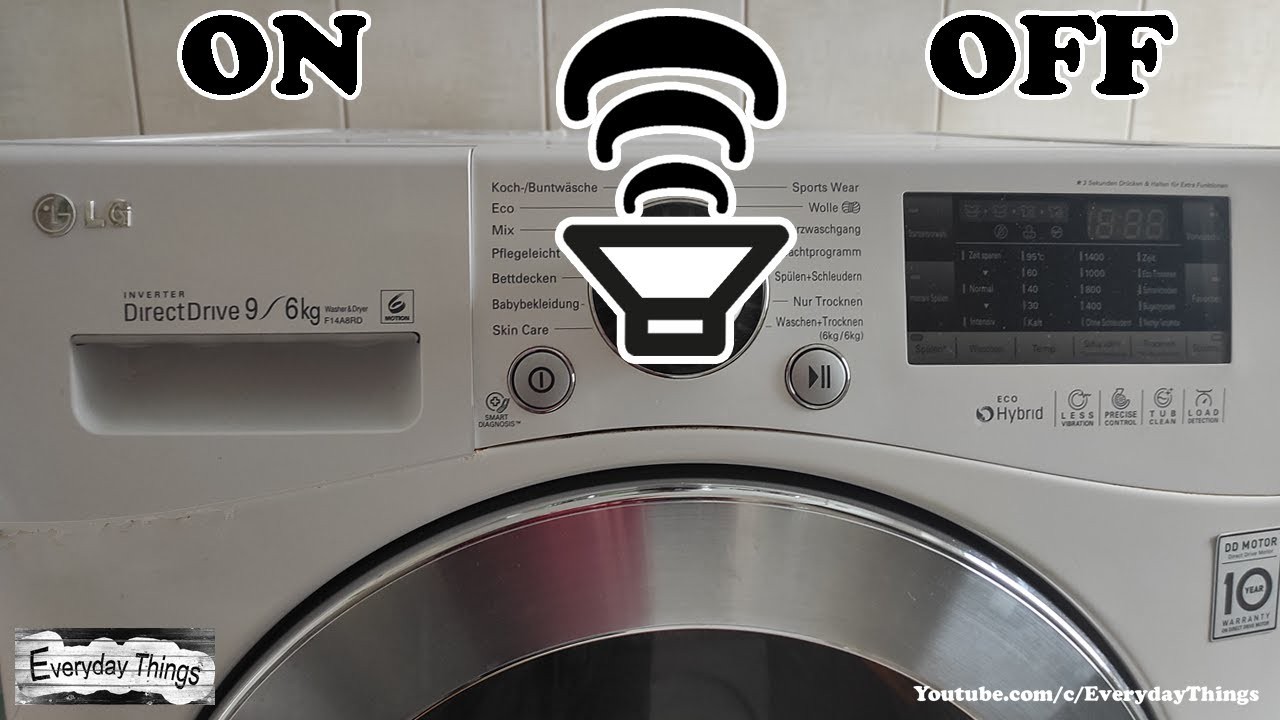
[LG Front Load Washers] Quick Start Guide
Answers to frequently asked questions
Read more practical tips and expert opinions about modern devices at appliances-news.com. Here you will find answers to questions about any technology.