
Rinsing is an important step in the laundry process that ensures your clothes are thoroughly cleaned of detergent and other residue. However, if your washing machine is not rinsing properly, it can leave behind soap scum, dirt, and other particles in your clothes.
There can be several reasons why your washing machine is not rinsing properly. One possible cause is that the water level in your machine is too low. If the water level is not sufficient, the clothes may not be fully submerged, leading to insufficient rinsing.
Another reason could be a clogged lint filter or drain hose. If the filter or hose is blocked, it can prevent water from flowing freely during the rinse cycle, resulting in poor rinsing.
Additionally, using too much detergent can also impact the rinsing performance of your washing machine. Excess detergent can create excessive suds, which may not be rinsed away completely, leaving behind residue on your clothes.
Lastly, hard water can be a major culprit in poor rinsing. Hard water contains high levels of minerals, such as calcium and magnesium, which can interfere with the effectiveness of detergent and prevent it from rinsing away properly.
To address these issues, make sure you are using the correct amount of detergent, clean the lint filter regularly, and consider using a water softener if you have hard water. If the problem persists, it may be best to contact a professional for further inspection and repair.
- Common issues with rinsing in washing machines
- Poor water pressure
- Clogged water inlet valve
- Summary:
- Faulty drain pump
- Overloaded machine
- Improper detergent usage
- Mineral build-up in the machine
- Preventing mineral build-up
- Removing mineral build-up
- Video on the topic
- Is washing rice really still necessary?
- Why is Your Washing Machine Stopping Mid Cycle?
- 10 Most Common Problems With Laundry Washing Machines
- My washing machine stops at Rinse – Does not DRAIN or SPIN
- Top-Load Washer Vibrating or Shaking — Top-Load Washing Machine Troubleshooting
- Answers to frequently asked questions
Common issues with rinsing in washing machines

1. Hard water: One common reason why your washing machine might be rinsing poorly is due to the use of hard water. Hard water contains high levels of minerals, such as calcium and magnesium, which can leave behind deposits on clothes and create a film on the fabric, making it difficult for the rinse water to penetrate and remove detergent residues.
2. Overloading: Another common issue is overloading the washing machine. When you overload the machine with too many clothes, there is not enough space for proper rinsing. The clothes need space to move freely during the rinse cycle for effective removal of detergent residue. Additionally, overloading can lead to inadequate water and detergent distribution, resulting in poor rinsing.
3. Incorrect detergent usage: Using the wrong type or amount of detergent can also cause poor rinsing in washing machines. If you use too much detergent or use a high-sudsing formula in a machine that requires low-sudsing detergent, the excess suds can prevent proper rinsing. Conversely, using too little detergent might not effectively remove dirt and stains from the clothes, leading to inadequate rinsing.
4. Clogged detergent dispenser: A clogged or dirty detergent dispenser can also be a culprit for poor rinsing. If the dispenser is blocked with detergent residue or other debris, it can hinder proper distribution of detergent and hinder effective rinsing.
5. Faulty rinse cycle: Sometimes, the washing machine’s rinse cycle can be faulty, leading to inadequate rinsing. The rinse cycle might not be draining properly, causing the clothes to remain in soapy water during the rinse cycle, resulting in poor rinsing. Additionally, a malfunctioning rinse cycle can also result in insufficient water supply, which hampers the rinsing process.
6. Water temperature: Incorrect water temperature can affect the rinsing process. If the water is too hot, it can cause the detergent to set in, making it difficult to remove during rinsing. On the other hand, if the water is too cold, it might not effectively dissolve or activate the detergent, leading to poor rinsing.
7. Worn-out or damaged parts: Over time, certain parts of the washing machine, such as the agitator, pump, or filter, can wear out or get damaged. These worn-out or damaged parts can affect the washing machine’s ability to agitate and rinse the clothes properly. Regular maintenance and inspection of the machine can help prevent such issues.
In conclusion, there are several common issues that can lead to poor rinsing in washing machines. By addressing these issues, such as using the correct detergent, not overloading the machine, and ensuring proper maintenance, you can improve the rinsing performance of your washing machine.
Poor water pressure

One possible reason why your washing machine rinses badly is due to poor water pressure. If your water pressure is low, it can affect the performance of your washing machine. Low water pressure can result in a weak rinse cycle, leaving behind residue and detergent on your clothes. This can make your clothes look dingy, feel rough, and even cause skin irritations or allergic reactions.
There are a few factors that can contribute to poor water pressure. One common cause is a clogged or blocked water supply hose. Over time, debris, sediment, or mineral deposits can accumulate in the hose and restrict water flow. Another potential cause could be a faulty or worn-out valve or regulator that controls the water pressure in your home.
To fix the issue of poor water pressure, you can start by checking the water supply hose for any clogs or blockages. If you find any, you can clean or replace the hose to improve water flow. Additionally, you can also check the water regulator or valve and ensure that it is functioning properly. If necessary, you may need to call a plumber to inspect and repair any faults with your water pressure system.
It is important to address the issue of poor water pressure in your washing machine because it can affect the cleanliness and freshness of your laundry. By ensuring that you have adequate water pressure, you can improve the rinsing performance of your washing machine and maintain the quality of your clothes.
Clogged water inlet valve
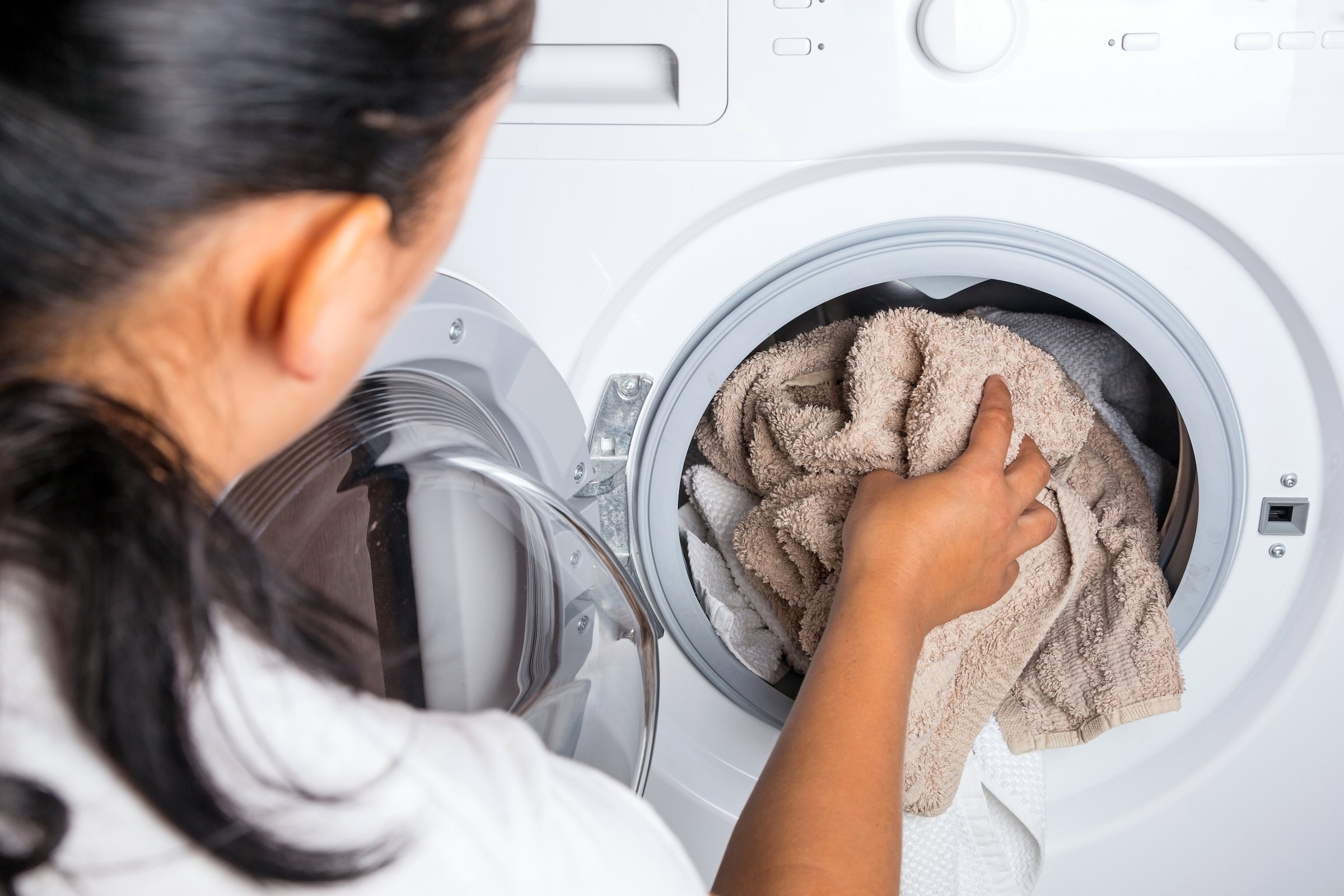
One of the possible reasons why your washing machine rinses badly is a clogged water inlet valve. The water inlet valve is responsible for allowing water to flow into the washing machine during the rinse cycle. If it becomes clogged or blocked, the water may not be able to flow properly, leading to inadequate rinsing.
There are a few factors that can contribute to a clogged water inlet valve. Hard water, for example, can cause mineral deposits to build up over time, restricting the flow of water. Similarly, sediment or debris from the water supply can accumulate in the valve, causing blockages.
To check if the water inlet valve is clogged, you can start by turning off the water supply to the washing machine and unplugging it from the power source. Then, locate the water inlet valve, which is typically located at the back of the machine. Remove the hoses connected to the valve and inspect them for any blockages or debris. If necessary, use a brush or cloth to clean the valve and remove any buildup.
If cleaning the valve does not resolve the issue, it may be necessary to replace the water inlet valve altogether. You can purchase a replacement valve from a local appliance store or contact the manufacturer for assistance.
Regular maintenance can help prevent the water inlet valve from becoming clogged in the future. Consider using a water softener if you have hard water to reduce the buildup of mineral deposits. Additionally, using a mesh filter on the hose can help catch any sediment or debris before it reaches the valve.
Summary:

- A clogged water inlet valve can cause inadequate rinsing in a washing machine.
- Hard water and sediment can contribute to the clogging of the valve.
- Cleaning the valve or replacing it may be necessary to resolve the issue.
- Regular maintenance, such as using a water softener and a mesh filter, can help prevent clogs in the future.
Faulty drain pump
A faulty drain pump can cause inadequate rinsing in your washing machine. The drain pump is responsible for removing the dirty water from the machine during the rinse cycle. If the drain pump is faulty, it may not be able to remove all the water effectively, leaving behind detergent residue on your clothes.
Here are some possible reasons why your drain pump may be faulty:
- Clogged drain pump: Over time, the drain pump can become clogged with lint, hair, or small debris. This can obstruct the flow of water and prevent effective rinsing. Regular cleaning of the drain pump filter can help prevent this issue.
- Worn-out pump motor: The pump motor that drives the drain pump can wear out over time, leading to reduced performance. If the motor is faulty, it may not be able to effectively pump out the water during the rinse cycle.
- Broken impeller: The impeller is a part of the drain pump that helps in pumping out the water. If the impeller is broken or damaged, it may not be able to create enough suction to remove the water effectively.
- Blocked drain hose: Sometimes, the drain hose connected to the drain pump may become blocked or kinked, preventing the water from flowing out properly. This can lead to poor rinsing and detergent residue on your clothes.
If you suspect that your drain pump is faulty, it is recommended to call a professional technician to inspect and repair it. They will be able to diagnose the exact issue with the drain pump and fix it accordingly.
Overloaded machine

One of the common reasons why a washing machine may rinse badly is because it is overloaded. Putting too many clothes in the washing machine can prevent proper rinsing and lead to dirty clothes. When the machine is overloaded, there is not enough space for the clothes to move around and get properly rinsed. As a result, detergent residue, dirt, and grime can remain on the clothes, making them feel sticky or unclean.
To avoid this issue, it is important to follow the manufacturer’s guidelines for loading the machine. Overloading not only affects the rinsing performance but can also put strain on the machine’s motor and other components. It is recommended to leave enough space for the clothes to move freely and allow for adequate water circulation during the rinse cycle.
Additionally, separating heavy items from lightweight ones can also help improve rinsing. Mixing heavy items like jeans or towels with delicate fabrics can cause imbalances during the spin cycle, leading to inadequate rinsing. Separating different types of fabrics and loading them appropriately can help ensure better rinsing results.
Improper detergent usage
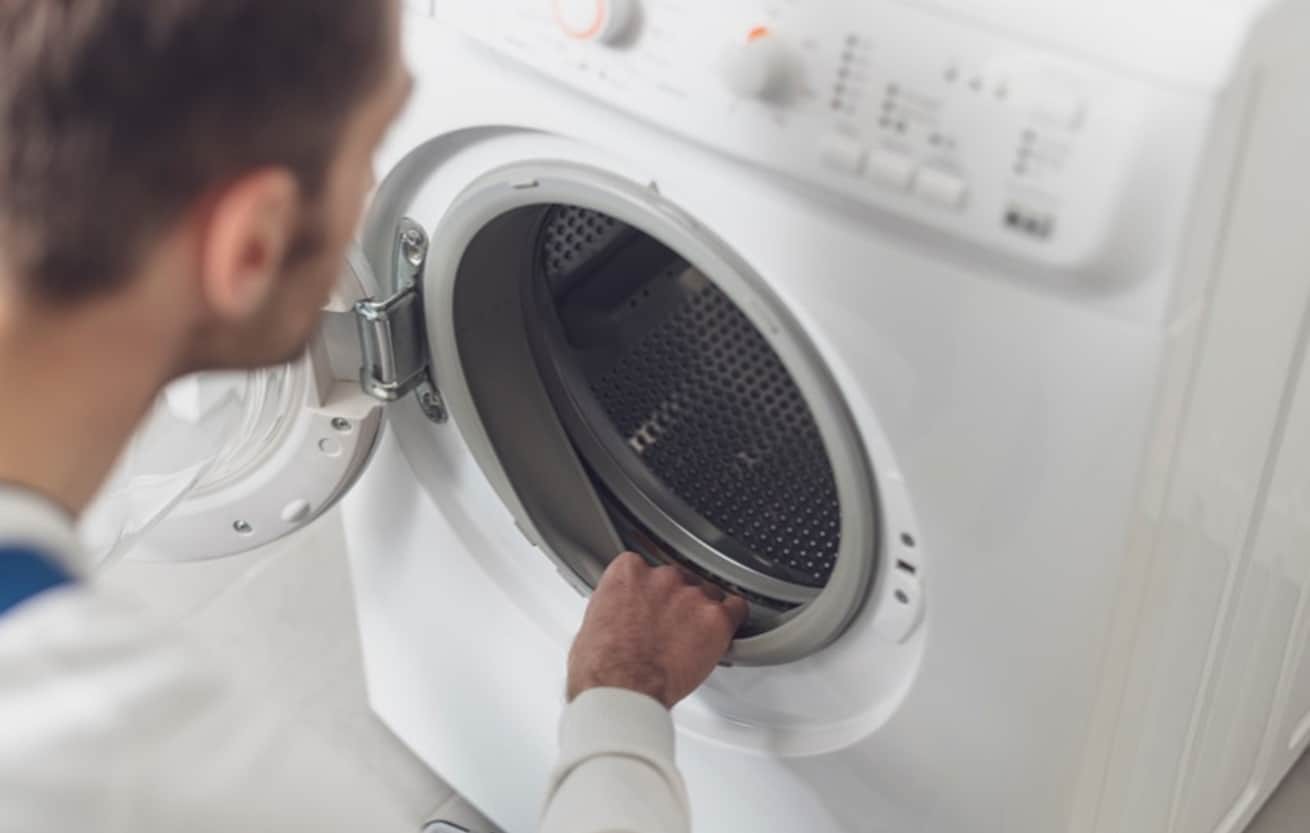
One of the main reasons why your washing machine may rinse badly is because of improper detergent usage. Using too much or too little detergent can have a negative impact on the rinsing process.
If you use too much detergent, it can result in excessive soap suds, which may not be properly rinsed out during the rinse cycle. This can leave behind a residue on your clothes, making them feel stiff and less fresh. Additionally, soap residue can build up in the washing machine, leading to clogged hoses and filters.
On the other hand, using too little detergent may not effectively remove dirt and stains from your clothes, resulting in poor rinsing. This can leave behind soapy residue as well as dirt particles on your laundry.
To ensure proper detergent usage, always follow the manufacturer’s recommended dosage instructions. Use the correct amount of detergent for the size of your load and the level of dirtiness of your clothes. It’s also important to choose the right type of detergent for your washing machine and the fabrics you are washing.
Regularly cleaning your washing machine can also help improve rinsing performance. This includes regularly cleaning the detergent drawer, removing any buildup of detergent or fabric softener residue.
By using the appropriate amount of detergent and regularly maintaining your washing machine, you can help ensure that your clothes are properly rinsed and come out fresh and clean after each wash.
Mineral build-up in the machine
One common reason why your washing machine may be rinsing poorly is due to a build-up of minerals in the machine. Over time, minerals from hard water can accumulate inside the machine’s pipes, filters, and other components. These mineral deposits can clog up the system, hindering the flow of water and affecting the rinsing performance.
When mineral build-up occurs, you may notice that your clothes come out of the washing machine feeling rough or stiff. The minerals can leave behind a residue on the fabric, which can make it difficult for the detergent and water to fully penetrate and rinse away dirt and detergent residue.
Preventing mineral build-up
To prevent mineral build-up in your washing machine, it is recommended to use a water softener or descaling agent regularly. These products help to remove the minerals from the water, preventing them from accumulating in the machine.
You can also consider installing a water softener for your entire household. This will treat the incoming water supply, reducing the mineral content that can cause build-up in not just your washing machine, but also other appliances and plumbing fixtures.
Removing mineral build-up

If you already have mineral build-up in your washing machine, there are a few steps you can take to remove it. One option is to run an empty cycle with hot water and vinegar, as the acidity in the vinegar can help dissolve the mineral deposits. Alternatively, you can use a commercial washing machine cleaner specifically designed to remove mineral build-up.
| Steps to remove mineral build-up: |
|---|
| 1. Fill the washing machine with hot water. |
| 2. Add a cup of vinegar or a washing machine cleaner. |
| 3. Let the machine run a complete cycle. |
| 4. Wipe down the inside of the machine with a cloth to remove any remaining residue. |
By taking these preventive and corrective measures, you can help ensure that your washing machine rinses properly and keeps your clothes clean and fresh.
Video on the topic
Is washing rice really still necessary?
Why is Your Washing Machine Stopping Mid Cycle?
10 Most Common Problems With Laundry Washing Machines
My washing machine stops at Rinse – Does not DRAIN or SPIN
Top-Load Washer Vibrating or Shaking — Top-Load Washing Machine Troubleshooting
Answers to frequently asked questions
Read more practical tips and expert opinions about modern devices at appliances-news.com. Here you will find answers to questions about any technology.


