Having a washing machine that suddenly stops working can be a frustrating experience. When your LG washing machine is not functioning properly, it can disrupt your daily routine and leave you with piles of dirty laundry. However, diagnosing the problem and finding a solution can help get your machine back up and running in no time.
There are several common causes for a non-functioning LG washing machine. One possible cause is a power issue. Make sure that the machine is properly plugged in and that the power source is functioning correctly. Additionally, check if there is a tripped circuit breaker or blown fuse that is preventing the machine from turning on.
Another possible cause for a non-functioning LG washing machine is a clogged or faulty water inlet valve. This valve allows water to enter the machine during the wash cycle. If it becomes clogged or malfunctions, the machine may not fill with water properly or at all. Cleaning or replacing the water inlet valve can often resolve this issue.
In some cases, the problem may be related to the door or lid mechanism. If the door or lid switch is not working properly, the machine may not start or continue a cycle. Inspect the door or lid latch for any signs of damage or wear. If necessary, replace the latch to ensure proper functioning of the machine.
These are just a few examples of the common causes for a non-functioning LG washing machine. It is important to remember that if you are unsure of how to diagnose or repair the problem, it is best to consult a professional technician. They will have the knowledge and experience to properly identify the issue and provide a solution, getting your LG washing machine back in working order.
- Power Issues
- 1. Check the Power Cord
- 2. Test the Outlet
- Water Supply Problems
- 1. Water Valve Issue
- 2. Clogged Water Inlet Filters
- Drainage Blockage
- 1. Check the Drain Hose
- 2. Clean the Filter
- Faulty Door Lock
- Motor Malfunction
- Control Board Failure
- Solutions:
- Excessive Vibration
- Causes of Excessive Vibration
- Solutions for Excessive Vibration
- Video on the topic
- Fix LG Washer No Power Issue
- Diagnose Front-load Washer – No Power At All
- How To Put Your LG Front Load Washer In To Self Test Mode | Diagnostic Mode
- Washer Not Working – The Most Common Fix
- ✨ LG WASHER (LE) ERROR – FIXED ✨
- Answers to frequently asked questions
Power Issues
If your LG washing machine is not functioning at all, the first thing you should check is the power supply. Power issues are a common cause of washing machine problems, and there are a few different things you can check to troubleshoot the issue.
1. Check the Power Cord

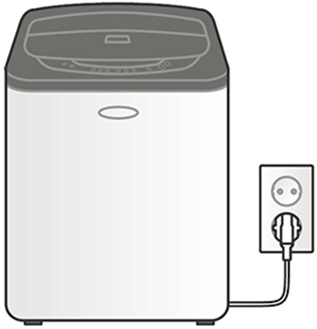
Start by checking the power cord of your LG washing machine. Ensure that it is properly plugged into a functioning power outlet. If the power cord is loose or not plugged in correctly, it can cause the washing machine to not turn on at all. Try plugging the power cord into a different outlet to see if that solves the problem.
2. Test the Outlet
If the power cord is properly plugged in, the next thing you should check is the outlet itself. Test the outlet by plugging in a different electronic device to see if it is working. If the outlet is not providing power, you may need to reset the circuit breaker or replace the outlet.
| Power Issue | Solution |
|---|---|
| The washing machine is not receiving power | Check the power cord and outlet |
| The outlet is not providing power | Reset the circuit breaker or replace the outlet |
| The circuit breaker keeps tripping | Check for a short circuit in the washing machine |
If you have checked the power cord, tested the outlet, and still cannot get your LG washing machine to turn on, it may be a more serious electrical issue. In this case, it is recommended to contact a professional appliance repair technician to diagnose and fix the problem.
Water Supply Problems
If your LG washing machine is not functioning properly, one of the common causes could be a water supply problem. Here are some possible issues that could be causing the problem:
1. Water Valve Issue
One of the first things to check is the water valve. Make sure that it is turned on and providing enough water pressure to the machine. If the valve is faulty or clogged, it could prevent the washing machine from filling up with water.
2. Clogged Water Inlet Filters
Another common reason for a water supply problem is clogged water inlet filters. Over time, these filters can become blocked with debris and restrict the water flow. Inspect the filters and clean or replace them if necessary.
It’s important to note that the location of the water inlet filters may vary depending on the model of your LG washing machine. Consult the user manual to locate and access these filters.
If you’ve checked the water valve and cleaned the water inlet filters but are still experiencing water supply problems, it may be necessary to call a professional technician to diagnose and repair the issue.
Note: Before attempting any repairs, make sure to disconnect the washing machine from the power source to avoid the risk of electrical shock.
By addressing the water supply problems, you can help ensure that your LG washing machine is able to function properly and provide you with clean laundry.
Drainage Blockage
A common cause for a non-functioning LG washing machine is a drainage blockage. If you find that your washing machine is not draining properly or the water is not fully draining out, then there may be an obstruction in the drainage system. This can occur due to a variety of reasons, such as a build-up of lint, debris, or foreign objects like coins or small items of clothing.
To address this issue, you can follow these steps:
1. Check the Drain Hose
Start by checking the drain hose for any kinks or bends. Ensure that it is properly connected to both the washing machine and the drainage outlet. Straighten out any kinks or bends in the hose to allow for proper water flow.
2. Clean the Filter
Your LG washing machine may have a drain filter that needs to be cleaned. The location of the filter varies depending on the model, so refer to your machine’s manual for specific instructions. Clean the filter by removing any trapped debris or lint. This can improve drainage and prevent future blockages.
Note: Some models may have a small drain pump filter located at the front of the machine. This filter should also be cleaned regularly.
If the above steps do not resolve the drainage blockage, the issue may be more severe, and you may need to seek professional assistance. A technician can assess the problem and determine if there are any further obstructions or if there is a faulty drain pump that needs to be replaced.
Remember to always consult your LG washing machine manual for specific instructions and guidelines tailored to your machine’s model.
Faulty Door Lock
One common cause for a non-functioning LG washing machine is a faulty door lock. The door lock mechanism is responsible for keeping the door securely closed during the wash cycle. If the door lock is not working properly, it may prevent the machine from starting or cause it to stop mid-cycle.
A faulty door lock can be caused by a variety of factors. It may be due to a mechanical issue, such as a broken latch or a misaligned door. Alternatively, it could be an electrical problem, such as a malfunctioning solenoid or a faulty control board.
If you suspect that the door lock is the issue, there are a few steps you can take to diagnose and potentially solve the problem. First, check for any visible signs of damage or misalignment on the door lock mechanism. Make sure that the latch is intact and properly aligned with the door catch.
If the latch appears to be in good condition, you can test the door lock with a multimeter to determine if it is receiving power. If the door lock does not show any signs of receiving power, it may indicate an electrical issue that will require further troubleshooting or the assistance of a professional technician.
If the door lock is receiving power but still not functioning properly, it may be necessary to replace the entire mechanism. In this case, it is recommended to consult the LG washing machine’s user manual or contact LG customer service for specific instructions on how to replace the door lock.
In conclusion, a faulty door lock can be a common cause of a non-functioning LG washing machine. It can be caused by mechanical or electrical issues and may require replacement of the entire door lock mechanism. Follow the provided steps to diagnose and potentially solve the problem, or seek assistance from a professional technician if needed.
Motor Malfunction
If your LG washing machine is not functioning at all, the motor may be the culprit. A malfunctioning motor can prevent the machine from starting or completing its cycles.
There are a few common issues that can cause a motor malfunction:
- Burned Out Motor: Over time, the motor in your washing machine can burn out due to excessive wear and tear. This can result in the machine not turning on or running at all.
- Faulty Motor Control Board: The motor control board is responsible for controlling the motor’s functions. If it becomes faulty, the motor may not receive the proper signals to start or operate correctly.
- Loose Belts: If the belts connecting the motor to other components become loose or damaged, the motor may not be able to rotate properly.
To address a motor malfunction, you can try the following solutions:
- Inspect the motor and belts for any visible signs of damage or wear. If you notice any issues, replace the motor or belts as needed.
- Check the motor control board for any loose connections or signs of damage. If necessary, replace the motor control board.
- Consult a professional technician if the motor appears to be burned out or if you are unsure of how to proceed with repairs.
It is important to handle motor malfunctions with caution as they involve electrical components. If you are not confident in your ability to diagnose or repair the issue, it is always recommended to seek professional assistance.
Control Board Failure
The control board, also known as the main electronic control unit (ECU), is responsible for controlling and coordinating the various functions of the washing machine. It regulates the water level, temperature, spin cycle, and other key operations.
If the control board fails, it can result in the washing machine not functioning properly or not working at all. This can manifest in a variety of ways, such as the machine not turning on, not responding to touch inputs, or displaying error messages.
There are several reasons why the control board may fail. One common cause is power surges or electrical fluctuations, which can damage the electronic components of the board. Another possible cause is moisture or water damage, which can occur if there is a leak or if the washing machine is exposed to excessive humidity.
Solutions:
1. Check the power supply to ensure there are no issues with the electrical connection. If necessary, reset the circuit breaker or replace any blown fuses.
2. Inspect the control board for any visible signs of damage, such as burnt components or corrosion. If you find any, the control board may need to be replaced.
3. If there is moisture or water damage, thoroughly dry the control board and the surrounding area. Address any leaks or sources of excessive humidity.
4. If the control board is not responding to touch inputs, try resetting it by unplugging the washing machine for a few minutes and then plugging it back in.
5. If none of the above solutions work, it may be necessary to contact a professional technician to diagnose and replace the control board.
Excessive Vibration
If your LG washing machine is experiencing excessive vibration during operation, it can be a cause for concern. Not only can excessive vibration be annoying, but it can also damage the machine and the surrounding environment if left unchecked.
Causes of Excessive Vibration

There are several potential causes for excessive vibration in your LG washing machine. Some common causes include:
- Uneven load distribution: When the clothes in the drum are not evenly distributed, it can cause the machine to vibrate excessively.
- Unbalanced machine: If the machine is not balanced properly, it can result in excessive vibration. This can happen if the machine is not placed on a level surface or if the leveling legs are not adjusted correctly.
- Worn-out suspension springs or shock absorbers: Over time, the suspension springs or shock absorbers in the machine can wear out, leading to increased vibration during operation.
Solutions for Excessive Vibration
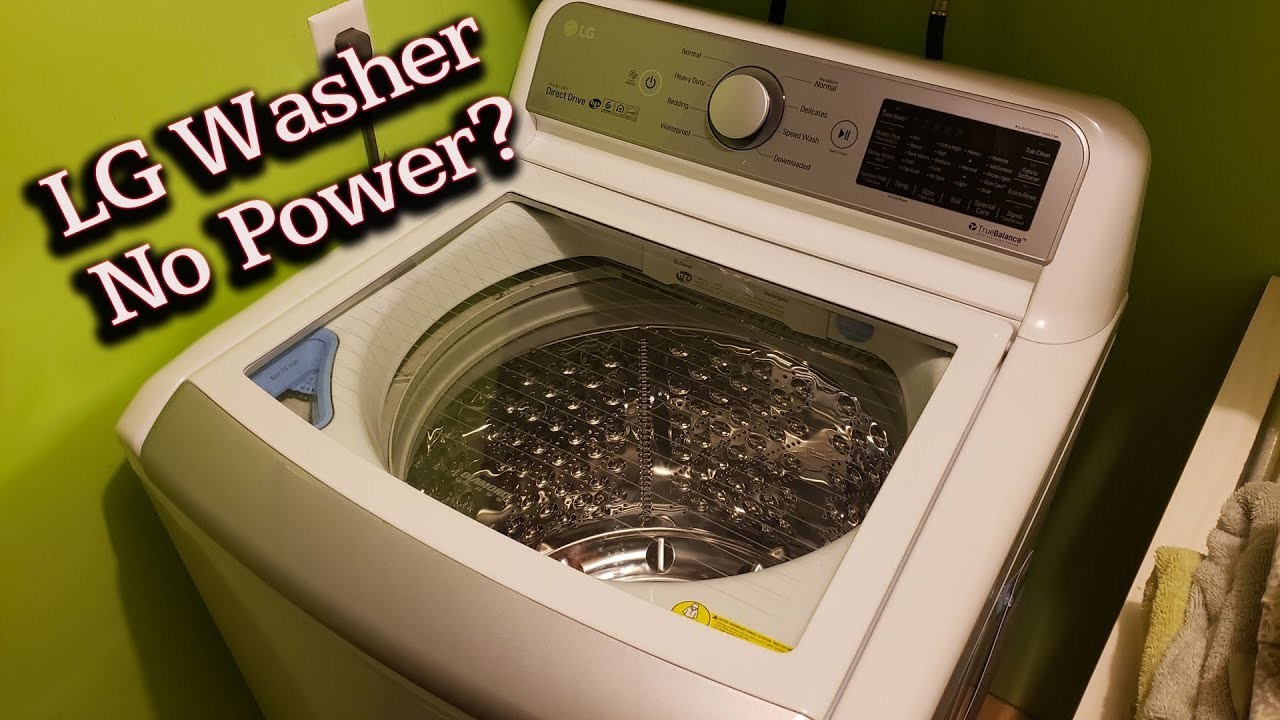
If you are experiencing excessive vibration in your LG washing machine, here are some possible solutions:
- Check the load distribution: Make sure that the clothes in the drum are evenly distributed. If necessary, rearrange them to achieve a more balanced load.
- Ensure proper machine placement: Place the machine on a level surface and adjust the leveling legs to ensure that it is balanced. Use a level tool to check the machine’s balance.
- Inspect suspension springs and shock absorbers: If you suspect that the suspension springs or shock absorbers are worn out, you may need to replace them. Consult the washing machine’s user manual or contact an authorized repair service for assistance.
By addressing the cause of excessive vibration and taking the appropriate measures to resolve it, you can ensure the smooth and efficient operation of your LG washing machine.
Video on the topic
Fix LG Washer No Power Issue
Diagnose Front-load Washer – No Power At All
How To Put Your LG Front Load Washer In To Self Test Mode | Diagnostic Mode
Washer Not Working – The Most Common Fix
✨ LG WASHER (LE) ERROR – FIXED ✨
Answers to frequently asked questions
Read more practical tips and expert opinions about modern devices at appliances-news.com. Here you will find answers to questions about any technology.