Installing a washing machine in the kitchen is a common practice for many homeowners. It provides convenience and saves space, especially in small apartments or houses where there may not be a separate laundry room. However, before making the decision to install a washing machine in the kitchen, there are several factors that need to be considered.
1. Plumbing and electrical connections: One of the first things to consider is whether the kitchen has the necessary plumbing and electrical connections for a washing machine. Installing a washing machine requires access to hot and cold water lines, as well as a drain line. Additionally, there should be an electrical outlet nearby to power the machine. If these connections are not readily available, it may be necessary to hire a professional to install them.
2. Space availability: Another important factor to consider is the available space in the kitchen. Washing machines come in different sizes, so it’s crucial to measure the space where you plan to install it. A standard washing machine is typically around 27 inches wide, so make sure there is enough room to accommodate it comfortably. It’s also important to consider the space needed for the door to open and close properly.
3. Noise and vibration: Washing machines can be noisy and produce vibrations, especially during the spin cycle. This can be a concern if the kitchen is located near bedrooms or living areas. If noise and vibration are major concerns, consider purchasing a washing machine with noise-reduction features or one that is specifically designed for quiet operation.
4. Ventilation: Washing machines produce moisture and heat, so proper ventilation is essential. Make sure there is adequate airflow in the kitchen to prevent condensation and mold growth. It’s also important to ensure that the washing machine is not installed too close to other appliances or cabinets, as this can restrict airflow and increase the risk of overheating.
5. Aesthetics: Lastly, consider the impact of a washing machine on the overall aesthetics of the kitchen. While some people don’t mind having a washing machine in plain sight, others prefer to hide it behind a cabinet or in a dedicated laundry area. Think about your personal preferences and how the presence of a washing machine might affect the visual appeal of your kitchen.
In conclusion, installing a washing machine in the kitchen can be a practical solution for saving space, but it’s important to carefully consider all the factors mentioned above. By doing so, you can ensure a successful and functional integration of a washing machine into your kitchen environment.
- Plumbing Requirements for Installing a Washing Machine in the Kitchen
- Available Space in the Kitchen for a Washing Machine
- 1. Layout of the Kitchen
- 2. Existing Appliances
- 3. Storage Space
- 4. Noise and Vibration
- 5. Plumbing and Electrical Access
- Ventilation and Airflow Considerations for a Kitchen Washing Machine
- 1. Location
- 2. Ventilation System
- 3. Space Considerations
- 4. Ductwork Installation
- 5. Regular Maintenance
- Video on the topic
- Washing Machine Under Kitchen Sink Install
- Are Washer Dryers Worth it ? 10 Things To Consider Before Purchasing A Washer Dryer
- Installing a washing machine And dishwasher in the kitchen
- Answers to frequently asked questions
Plumbing Requirements for Installing a Washing Machine in the Kitchen
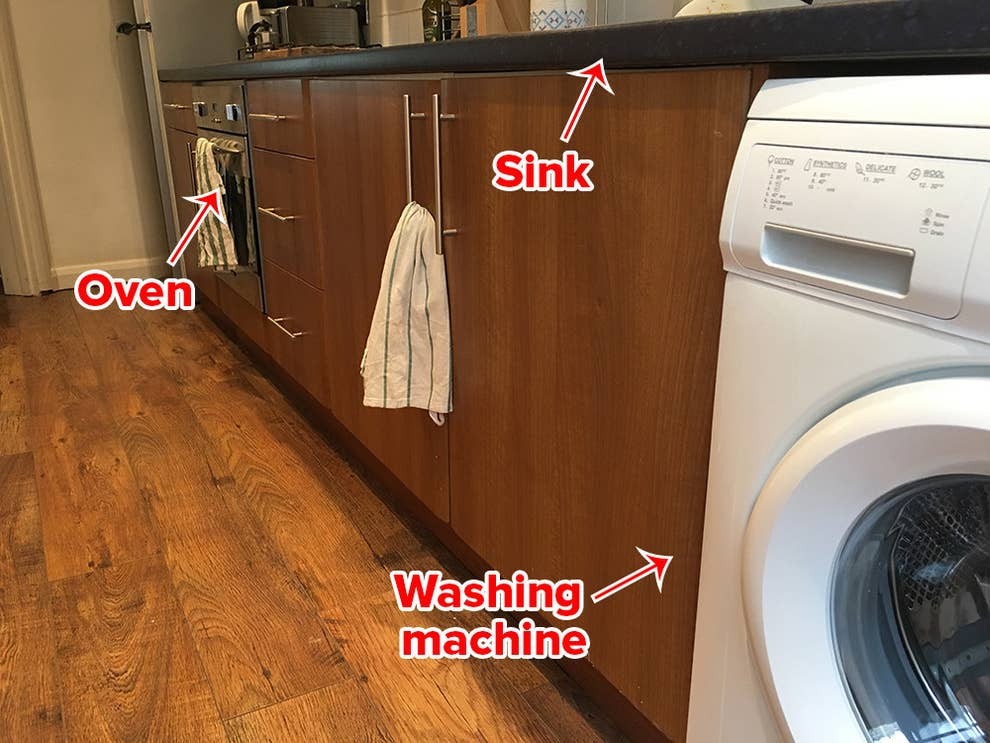
When considering installing a washing machine in the kitchen, it is important to take into account the plumbing requirements. The kitchen may not be the traditional location for a washing machine, but with careful planning, it can be a convenient and functional choice.
1. Water Supply:
The first thing to consider is the water supply. A washing machine requires both hot and cold water connections. Make sure that the kitchen has suitable connections or that the plumbing can be easily modified to accommodate the washing machine.
2. Drainage:
Another important plumbing consideration is the drainage system. A washing machine needs a drainpipe that can carry away the dirty water. Check if there is an existing drainpipe in the kitchen or if a new one needs to be installed.
3. Space:
Before installing a washing machine in the kitchen, ensure that there is enough space for it. Measure the dimensions of the washing machine and choose a suitable spot in the kitchen. Also, consider the space needed for connecting the water supply and drainage properly.
4. Plumbing Modifications:
In some cases, modifications to the existing plumbing may be necessary to install a washing machine in the kitchen. It is advisable to consult a professional plumber to assess the plumbing system and make any needed modifications, such as installing additional water supply lines or a drainage hookup.
5. Safety Measures:
Finally, it is essential to ensure that the installation of a washing machine in the kitchen meets all safety regulations. Proper electrical grounding and waterproofing are crucial to prevent any accidents or damage.
By considering these plumbing requirements, homeowners can successfully install a washing machine in their kitchen, allowing for added convenience and efficiency in their laundry routine.
Available Space in the Kitchen for a Washing Machine
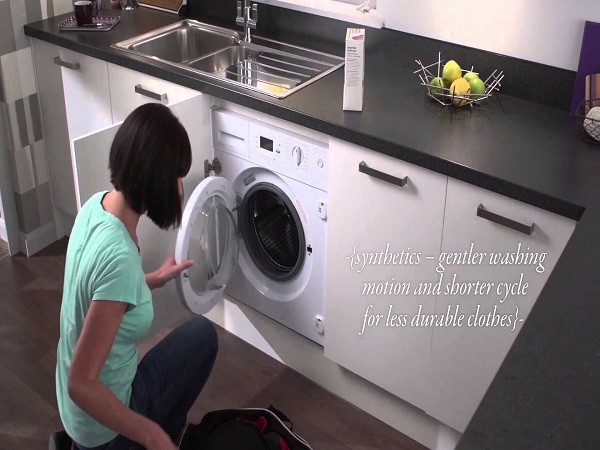
When considering installing a washing machine in the kitchen, it is important to assess the available space. The size of the kitchen plays a significant role in determining whether a washing machine can be accommodated or not.
Here are a few factors to consider when evaluating the available space:
1. Layout of the Kitchen
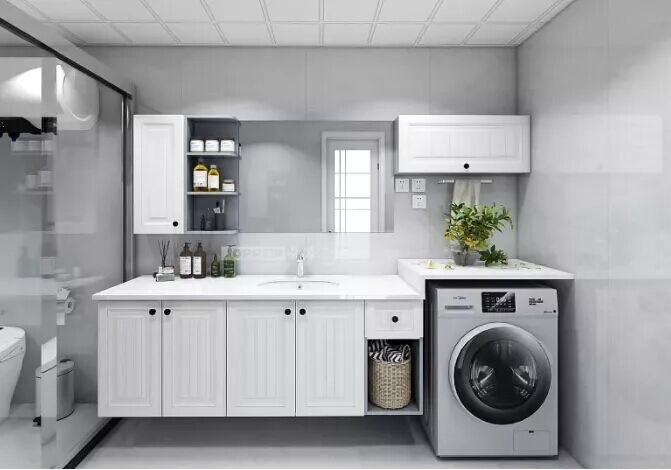
Take into account the layout of your kitchen before installing a washing machine. Determine if there is a suitable location where the machine can fit without obstructing other appliances or causing inconvenience when moving around the kitchen.
2. Existing Appliances
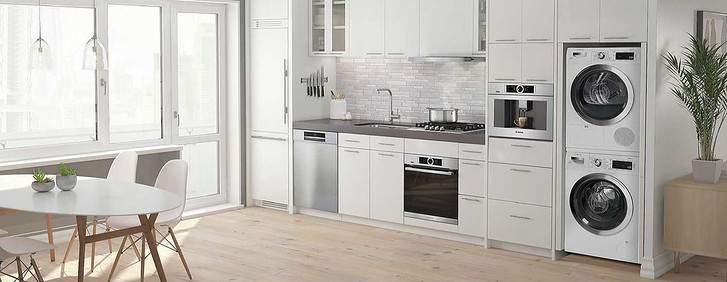
If your kitchen already has a refrigerator, dishwasher, or other large appliances, you need to carefully consider how a washing machine would fit into the space. Measure the dimensions of the available area to see if there is enough room to accommodate a washing machine alongside the existing appliances.
Additionally, consider the necessary space for proper ventilation and water connections, as washing machines require both hot and cold water supplies.
3. Storage Space

The installation of a washing machine may impact the available storage space in your kitchen. If you have cabinets or shelves near the potential installation area, determine if they need to be relocated or if there will still be enough storage space for your needs.
4. Noise and Vibration
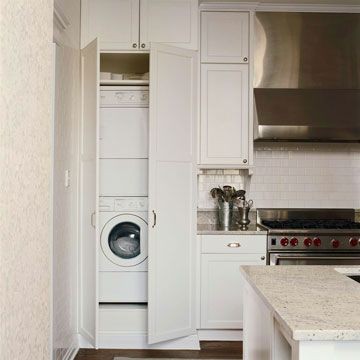
Washing machines can produce noise and vibrations during operation, so it is essential to ensure that the chosen location in the kitchen can minimize the impact of these factors. Consider placing the machine away from areas that require a quieter environment, such as the dining area or living room.
5. Plumbing and Electrical Access

Before installing a washing machine in the kitchen, make sure there is easy access to plumbing and electrical connections. Check the proximity of water supply lines, drains, and electrical outlets, and consider any necessary modifications or installations to accommodate the washing machine properly.
Ventilation and Airflow Considerations for a Kitchen Washing Machine
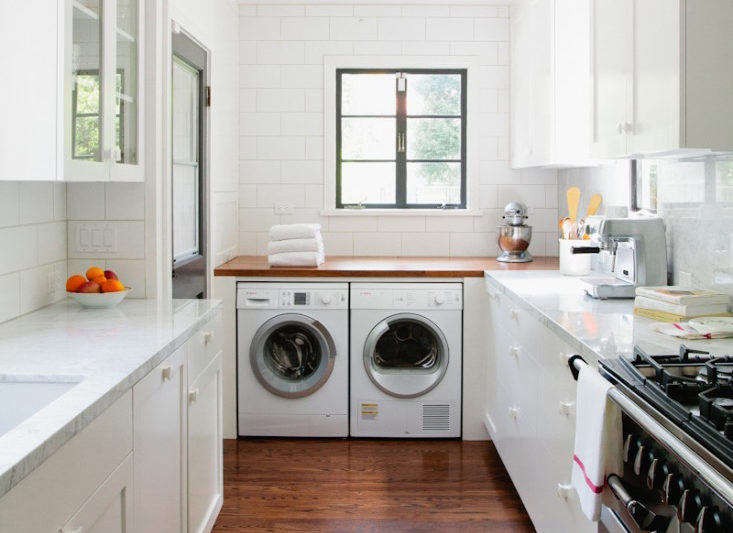
When considering installing a washing machine in the kitchen, it is important to take into account ventilation and airflow requirements to ensure optimal performance and safety. Here are five key considerations to keep in mind:
1. Location
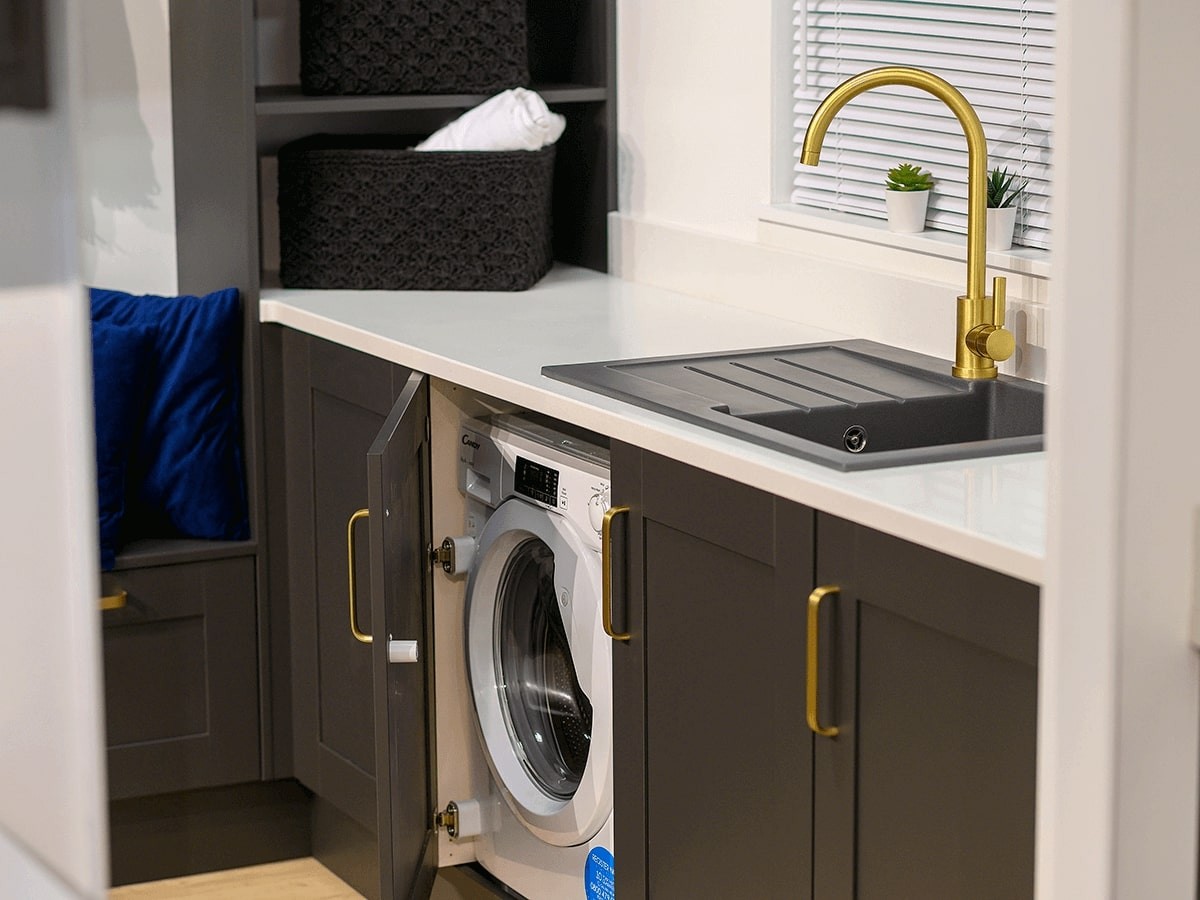
Choosing the right location for your kitchen washing machine is crucial for proper ventilation and airflow. It is recommended to place the washing machine near a window or external wall to facilitate the exhaust of steam and lint. This will prevent moisture buildup and improve air circulation in the kitchen.
2. Ventilation System

Adequate ventilation is essential to prevent the accumulation of heat and humidity in the kitchen. Installing a range hood or exhaust fan near the washing machine can help remove excess moisture and improve air quality. It is advisable to consult a professional to ensure the ventilation system meets the necessary requirements.
3. Space Considerations

Ensure there is enough space around the washing machine for proper airflow. Avoid placing the machine in a tight corner or enclosed area, as this can hinder air circulation and affect the overall efficiency of the appliance. Leave a gap of at least a few inches between the machine and surrounding surfaces.
4. Ductwork Installation

If a ventilation system is not already in place, consider installing ductwork specifically for the washing machine. This will allow for a direct and efficient removal of steam and lint from the kitchen. Hiring a professional for the installation ensures proper placement and sealing of the ductwork to prevent any leakage.
5. Regular Maintenance
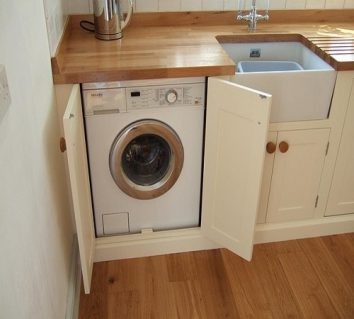
To maintain optimal ventilation and airflow, it is important to regularly clean and maintain both the washing machine and ventilation system. Clean the lint filter and exhaust vents of the machine regularly to prevent clogs and ensure efficient operation. Additionally, schedule routine maintenance for the ventilation system to keep it in good working condition.
By considering these ventilation and airflow factors, you can ensure that your kitchen washing machine operates smoothly and efficiently, while also maintaining a healthy and comfortable environment in your kitchen.
Video on the topic
Washing Machine Under Kitchen Sink Install
Are Washer Dryers Worth it ? 10 Things To Consider Before Purchasing A Washer Dryer
Installing a washing machine And dishwasher in the kitchen
Answers to frequently asked questions
Read more practical tips and expert opinions about modern devices at appliances-news.com. Here you will find answers to questions about any technology.