Having a washing machine that heats water is essential for high-quality and efficient cleaning. However, over time, you may begin to notice that your washing machine is not heating the water properly, which can result in less effective cleaning and wasted energy.
To ensure that your washing machine is heating water correctly, there are several steps you can take to troubleshoot the issue. First, check the temperature settings on your machine. Make sure that the temperature selected is appropriate for the type of fabric you are washing. Some machines have separate temperature settings for different cycles, so be sure to adjust accordingly.
Next, examine the water inlet valve. This valve controls the flow of hot and cold water into the machine. It may become clogged or stuck, preventing hot water from entering the washing machine. If you suspect this is the issue, turn off the water supply to the machine and clean or replace the inlet valve as necessary.
Another potential problem could be a faulty heating element. The heating element is responsible for warming the water in your machine, and if it is malfunctioning, you will not have hot water for your laundry. Check the heating element for any signs of damage, such as discoloration or burns. If you notice any issues, it may need to be replaced.
Regular maintenance is also crucial for maintaining proper water heating in your washing machine. Clean the filter regularly to remove any debris or mineral buildup that may impede the heating process. Additionally, try using descaling agents or running an empty hot cycle periodically to remove any limescale that may have accumulated.
By following these steps and performing routine maintenance, you can ensure that your washing machine is heating water effectively, resulting in cleaner clothes and energy efficiency.
- Why Checking the Heating Function of Your Washing Machine is Important
- 1. Cleanliness and hygiene
- 2. Energy efficiency
- 3. Effectiveness of detergent
- 4. Avoiding damage to delicate fabrics
- Understanding the Importance of Hot Water in Washing
- Signs Your Washing Machine May Not Be Heating Water
- Check the Hot Water Supply
- Inspect the Heating Element
- Test the Temperature Sensor
- Video on the topic
- WASHING MACHINE SETTINGS EXPLAINED | Water Temperature & Load Size (How to Do Laundry)
- How to Diagnose a Faulty Washing Machine Heater
- How To Test And Fit A Washing Machine Heater
- How to Test Your Washer Without Access to Water!
- Not Heating Error code E01 & E02 Beko Made Washing Machines Heating Element System fault or NTC
- Answers to frequently asked questions
Why Checking the Heating Function of Your Washing Machine is Important
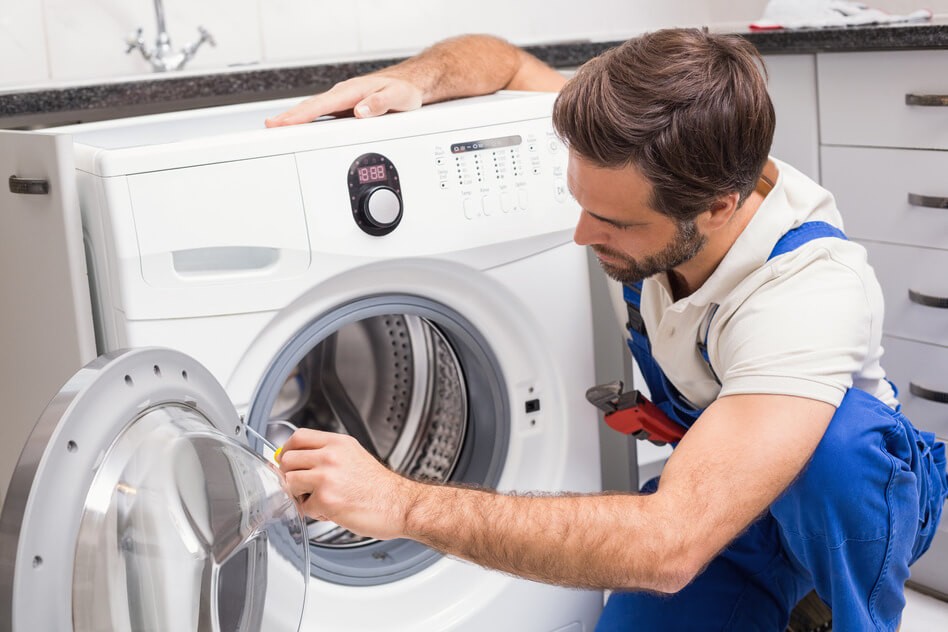
One of the most important functions of a washing machine is the ability to heat water. Checking the heating function of your washing machine is crucial for several reasons:
1. Cleanliness and hygiene
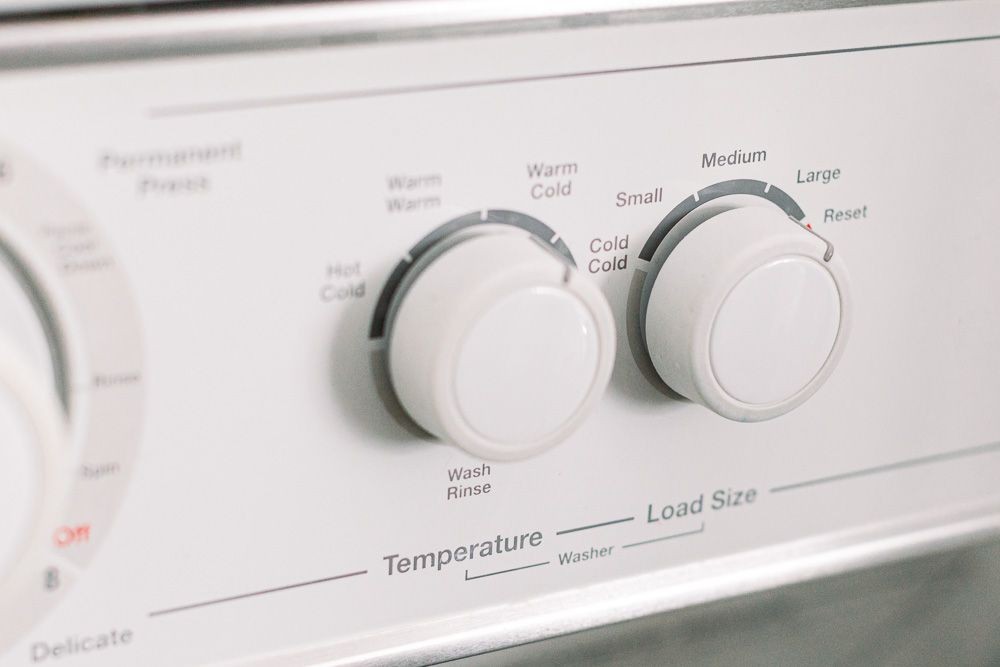
Hot water is more effective in removing dirt, stains, and bacteria from clothes. If your washing machine is not heating the water properly, your clothes may not be getting thoroughly clean. This can result in unpleasant odors and potential health risks from bacteria or other contaminants present on dirty clothes.
2. Energy efficiency
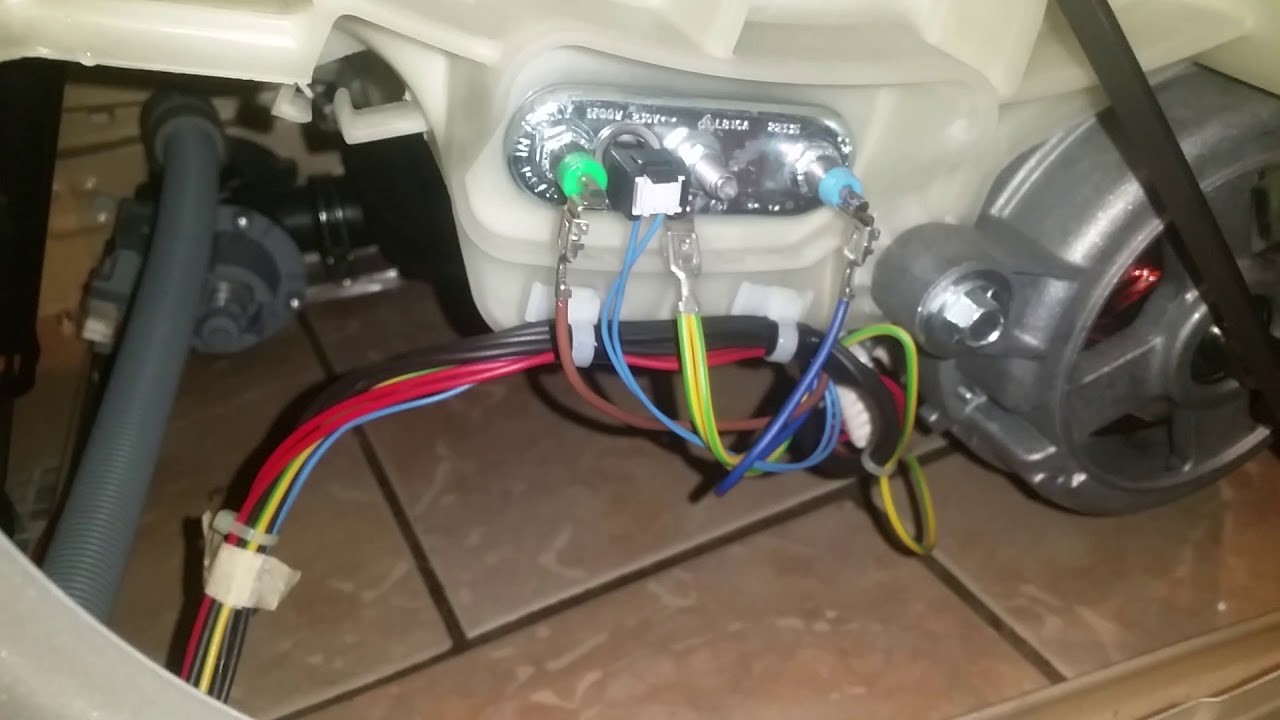
A faulty heating function in your washing machine can also lead to wasted energy. If the water is not being heated to the appropriate temperature, the machine may need to run for longer periods or use more hot water to achieve the desired results. This can lead to higher electricity bills and unnecessary energy consumption, impacting both your wallet and the environment.
3. Effectiveness of detergent
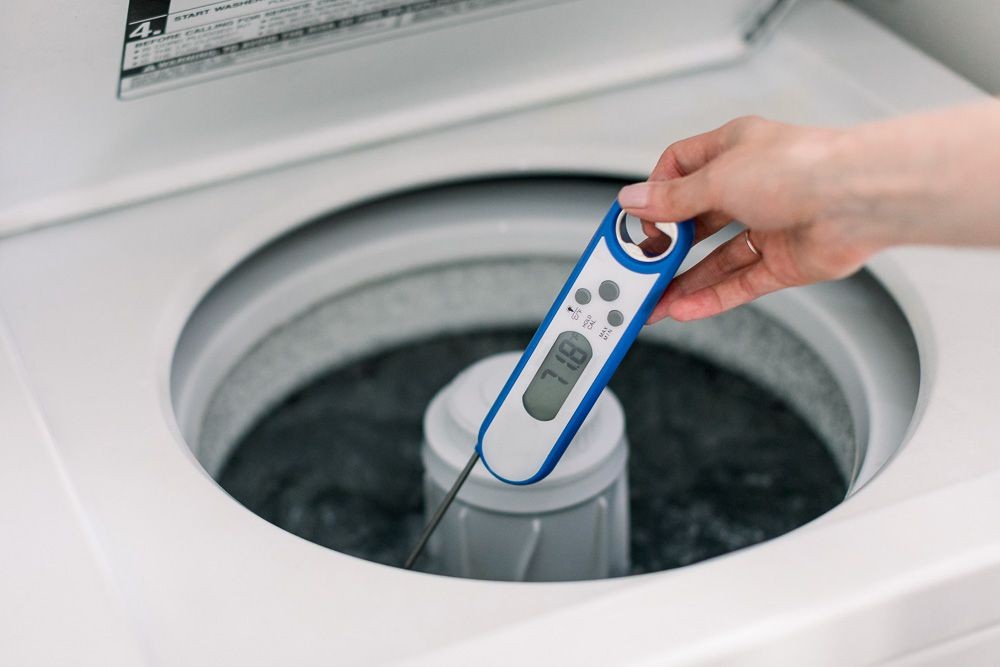
Many laundry detergents are formulated to work best in warm or hot water. If your washing machine is not heating the water, the detergent may not be able to activate and perform its cleaning functions effectively. This can result in clothes that are not as fresh and clean as they should be, requiring additional washing cycles or the use of more detergent.
4. Avoiding damage to delicate fabrics
Some fabrics, such as wool or silk, require special care and should only be washed in cold or lukewarm water. If your washing machine is not heating the water properly, it may inadvertently damage these delicate fabrics by exposing them to higher temperatures. Checking the heating function ensures that you can select the appropriate wash settings for the fabrics you are cleaning, preventing potential damage and preserving the quality of your clothes.
In conclusion, checking the heating function of your washing machine is essential for ensuring clean, hygienic clothes, optimizing energy efficiency, maximizing the effectiveness of detergent, and avoiding damage to delicate fabrics. Regular maintenance and inspection of this function can help you keep your washing machine running smoothly and extend its lifespan.
Understanding the Importance of Hot Water in Washing

Hot water plays a crucial role in the washing process, as it helps to remove tough stains, kill bacteria, and sanitize clothes. When it comes to washing machines, the use of hot water can make a significant difference in the overall cleanliness and effectiveness of a wash cycle.
Tackling Tough Stains: Hot water is effective in breaking down and removing stubborn stains that cold water may not be able to fully remove. The elevated temperature helps to loosen the dirt and grime, making it easier for detergent to penetrate and lift the stain from the fabric. Whether it’s grease, oil, or wine stains, hot water can provide the extra boost needed to achieve a deep clean.
Killing Bacteria and Germs: Hot water is also instrumental in killing bacteria and germs that may be present in clothing. High temperatures help to deactivate and kill harmful microorganisms, ensuring that your clothes are thoroughly sanitized. This is especially important for items like underwear, towels, and linens, which come into contact with the body and are more likely to harbor bacteria.
Enhancing Detergent Performance: Hot water can enhance the performance of laundry detergents by increasing their solubility and effectiveness. Many detergents are designed to work best in warm or hot water, as the heat aids in the breakdown and removal of dirt and stains. By utilizing hot water, you can optimize the cleaning power of your detergent, resulting in brighter, fresher-smelling clothes.
Considerations for Delicate Fabrics: While hot water is beneficial for most types of clothing, it’s important to consider the fabric care instructions. Delicate fabrics such as silk, wool, and some synthetic materials may require cold or lukewarm water to prevent damage. Always check the garment tags or manufacturer’s recommendations before washing, and adjust the water temperature accordingly.
In conclusion, hot water is an essential component in achieving clean and sanitized laundry. Its ability to tackle tough stains, kill bacteria, and enhance detergent performance make it a valuable tool in washing machines. However, it’s essential to consider fabric care instructions to ensure the longevity and quality of your clothing. So, the next time you do laundry, remember the power of hot water!
Signs Your Washing Machine May Not Be Heating Water

If you suspect that your washing machine is not heating water, there are a few signs you can look out for:
1. Cold water during the wash cycle: One of the most obvious signs is if your clothes come out of the washing machine feeling cold, even after running a hot water cycle. This indicates that the water is not being heated properly.
2. Longer washing times: Another sign that your washing machine is not heating water is if your cycles are taking longer than usual. When the water is not being heated, the machine may need to run longer in order to compensate for the lack of warmth.
3. Stains and residue on clothes: If your clothes are coming out of the washing machine with stains or residue, it could be a sign that the water is not being heated enough. Hot water helps to dissolve detergent and remove stains more effectively, so if this is not happening, it could be an indication of a heating problem.
4. No steam or hot water: While the absence of steam or hot water during the wash cycle may not always indicate a heating issue, it is worth checking if you suspect that your machine is not heating water. Run a cycle and carefully observe whether steam or hot water is being produced.
5. Unpleasant odors: If your washing machine is not heating water properly, it could lead to the growth of bacteria and mold, resulting in unpleasant odors. If you notice a musty or foul smell coming from your machine even after cleaning it thoroughly, it may be a sign of a heating problem.
If you notice any of these signs, it is important to address the issue as soon as possible. Contact a professional technician to inspect and repair your washing machine to ensure that it is functioning properly and heating water as it should.
Check the Hot Water Supply
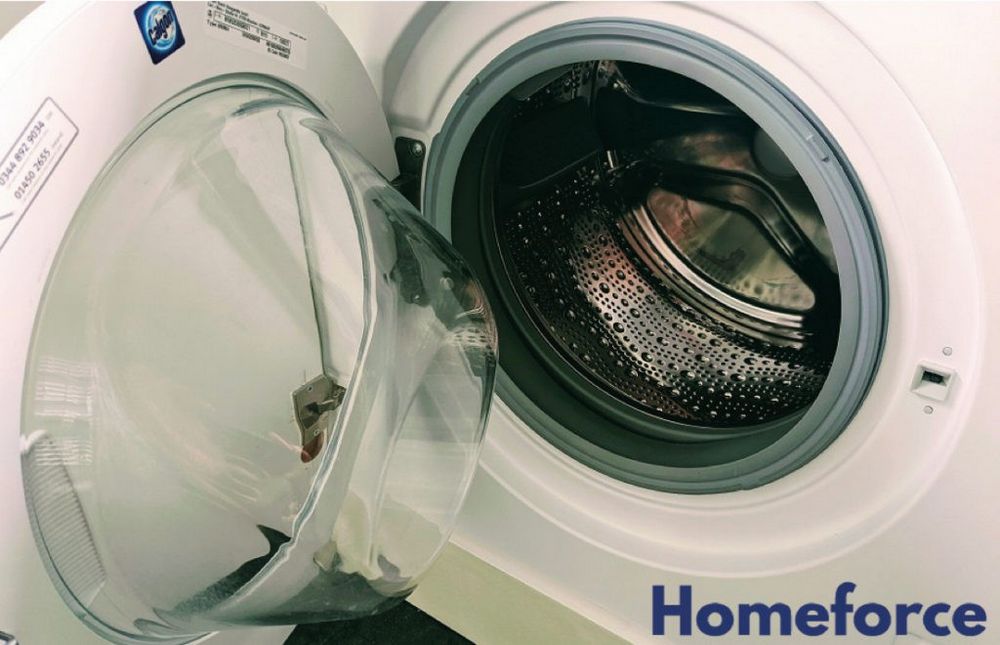
One of the first things you should do if your washing machine is not heating water is to check the hot water supply to the machine. Make sure that your hot water tap is turned on and that there is sufficient hot water flowing through the pipes.
If you have a single-lever tap, make sure that it is positioned correctly to allow hot water to flow through. Sometimes, the lever may get stuck or turned in the wrong direction, preventing hot water from reaching the washing machine.
You should also check if there are any issues with the hot water supply in your house. If you’re not getting hot water in other areas of your home, then the problem may not be with the washing machine itself, but rather with your hot water system or water heater.
If you suspect a problem with your hot water supply, you may need to contact a plumber or hot water technician to diagnose and fix the issue. They will be able to determine if there are any blockages, leaks, or malfunctions in your hot water system that are preventing hot water from reaching your washing machine.
Note: It’s important to ensure that hot water is reaching your washing machine, as it is necessary for effective cleaning and sanitization of your clothes. Without hot water, your washing machine may not be able to remove tough stains or kill bacteria and germs.
Inspect the Heating Element
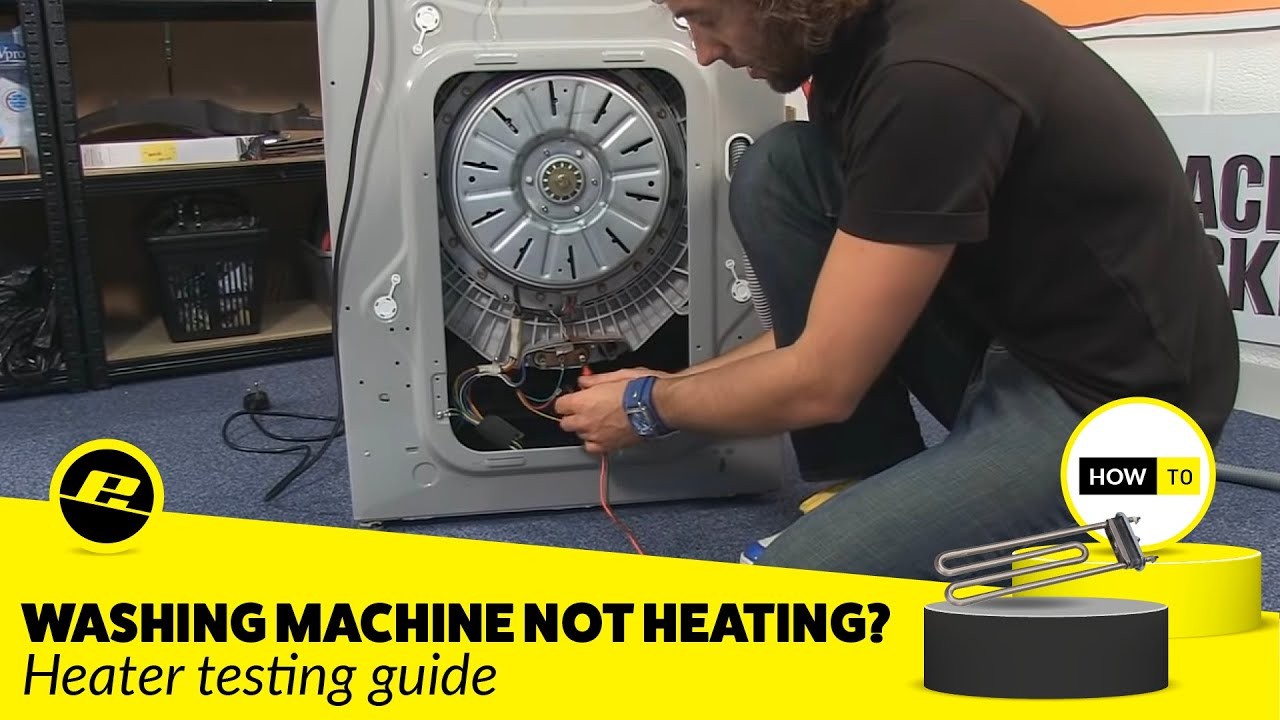
To determine whether your washing machine is heating water properly, you’ll need to inspect the heating element. The heating element is responsible for heating the water inside the machine, so if it’s not functioning properly, your washing machine may not be able to heat the water to the desired temperature.
First, make sure the washing machine is unplugged and disconnected from any water sources. Then, locate the heating element, which is typically found at the bottom or back of the machine. It’s usually a long, narrow metal tube.
Check the heating element for any signs of damage or wear. Look for any cracks, breaks, or discoloration. If you notice any of these signs, it’s likely that the heating element needs to be replaced.
Next, use a multimeter to test the heating element for continuity. Set the multimeter to the lowest resistance setting and touch the probes to the terminals of the heating element. If the multimeter reads a value close to zero, the heating element is functioning properly. If the multimeter reads an infinite value, this indicates that the heating element is faulty and needs to be replaced.
If you’re not comfortable performing these tests yourself, it’s best to contact a professional appliance repair technician. They will have the proper tools and expertise to diagnose and fix any issues with the heating element.
Remember, proper water temperature is important for effective cleaning, so it’s essential to ensure that your washing machine is heating water correctly. By inspecting the heating element, you can determine whether a faulty heating element is the cause of any heating problems in your washing machine.
Test the Temperature Sensor

One way to check if your washing machine is heating water properly is to test the temperature sensor. The temperature sensor is responsible for measuring the temperature of the water inside the washing machine. If the temperature sensor is not working correctly, it may cause the washing machine to not heat the water properly, resulting in cold or lukewarm water during the wash cycle.
To test the temperature sensor, you will need a digital multimeter. Start by unplugging the washing machine from the power source and turning off the water supply. Locate the temperature sensor, which is usually a small, cylindrical device with wires connected to it. Carefully disconnect the wires from the temperature sensor.
Set your multimeter to measure resistance (ohms) and touch the two multimeter leads to the two terminals of the temperature sensor. You should see a resistance reading displayed on the multimeter. If the reading is infinity or is significantly different from the expected value, it indicates that the temperature sensor is faulty and needs to be replaced.
If the temperature sensor is working properly, you can also test it by heating a glass of water to a specific temperature using a thermometer. Place the temperature sensor in the heated water and check if the reading on the multimeter corresponds to the temperature of the water. If the reading is inaccurate or does not change with the change in water temperature, it is a sign that the temperature sensor is not functioning correctly.
Remember to consult the manufacturer’s manual or seek professional help if you are unsure about performing these tests yourself. The temperature sensor is a crucial component in ensuring that your washing machine heats water to the desired temperature, so it is important to ensure that it is functioning correctly.
Video on the topic
WASHING MACHINE SETTINGS EXPLAINED | Water Temperature & Load Size (How to Do Laundry)
How to Diagnose a Faulty Washing Machine Heater
How To Test And Fit A Washing Machine Heater
How to Test Your Washer Without Access to Water!
Not Heating Error code E01 & E02 Beko Made Washing Machines Heating Element System fault or NTC
Answers to frequently asked questions
Read more practical tips and expert opinions about modern devices at appliances-news.com. Here you will find answers to questions about any technology.