
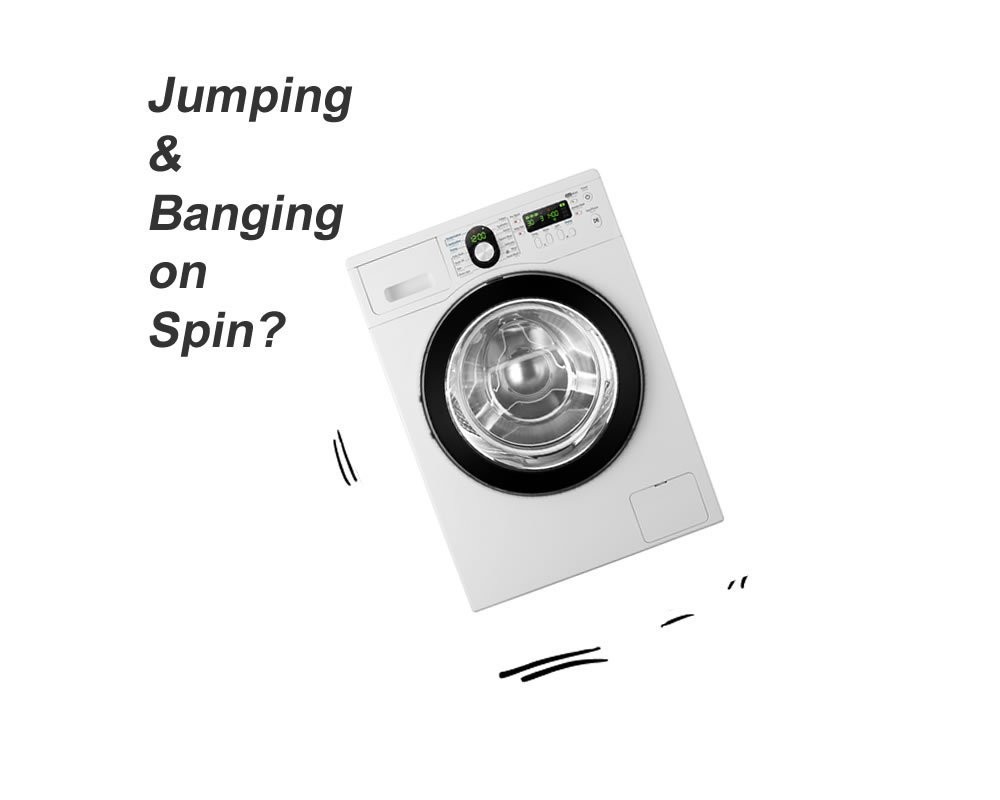
Is your washing machine causing a ruckus in your laundry room? Does it jump and dance around whenever it’s in the spin cycle? If so, you’re not alone. Many homeowners experience this frustrating problem, but luckily, there are solutions.
When a washing machine jumps when spinning, it can not only be annoying but also dangerous. It can damage the machine itself and surrounding objects, and even cause injury. Fortunately, there are some common causes for this issue, and most of them can be easily fixed.
One possible cause of a jumping washing machine is an unbalanced load. If the clothes inside the machine are distributed unevenly, it can throw off the balance and cause it to jump around. To fix this, try rearranging the clothes to ensure they are evenly distributed. You can also try removing some of the clothes and running a smaller load.
Another common cause for a jumping washing machine is worn-out or damaged shock absorbers. These absorbers are responsible for stabilizing the machine during the spin cycle, and when they are worn or damaged, the machine can become unstable. If this is the case, you will need to replace the shock absorbers to remedy the issue.
Overall, a jumping washing machine can be a nuisance, but it’s a problem that can be solved. By checking for an unbalanced load and inspecting the shock absorbers, you can identify and fix the issue. If these solutions don’t work, it may be best to call a professional for further inspection and repair.
- Understanding the Problem
- Checking for Obstructions
- Adjusting the Leveling Feet
- Steps to Adjust the Leveling Feet:
- Inspecting the Suspension Springs
- Replacing the Shock Absorbers
- Step 1: Safety First
- Step 2: Accessing the Shock Absorbers
- Step 3: Removing the Old Shock Absorbers
- Step 4: Installing the New Shock Absorbers
- Step 5: Testing and Fine-Tuning
- Video on the topic
- How to Fix a Shaking Washing Machine
- How To Fix A GE Washer That Shakes While Spinning!
- I MADE A HUGE MISTAKE! Whirlpool Washer STILL Out Of Balance, see what happened.
- Answers to frequently asked questions
Understanding the Problem

When your washing machine jumps and moves around excessively during the spinning cycle, it can be both frustrating and potentially dangerous. There are several factors that can contribute to this problem, and understanding them is the first step towards finding a solution.
One common cause of a jumping washing machine is an unbalanced load. If the clothes inside the machine are not distributed evenly, it can cause the drum to become off-balance during the spinning cycle. This imbalance leads to the machine shaking and moving around.
Another possible cause is a worn or damaged shock absorber. The shock absorbers in a washing machine help to stabilize the drum and prevent excessive movement. Over time, these shock absorbers can wear out or become damaged, causing the machine to jump during the spin cycle.
In addition, a washing machine that is not level can also lead to jumping and excessive movement. If the machine is not sitting evenly on the floor, it can cause the drum to be off-balance and result in shaking and jumping.
Lastly, it’s important to consider the age and condition of your washing machine. Older machines may be more prone to jumping and excessive movement due to wear and tear on various components.
By identifying and understanding the potential causes of a jumping washing machine, you can begin to troubleshoot and find the appropriate solution to fix the problem.
Checking for Obstructions
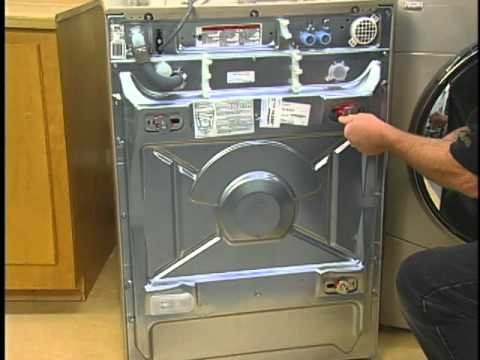
One of the first things to check when your washing machine jumps while spinning is for any obstructions. These can include small objects such as coins, buttons, or even pieces of fabric that have become stuck in the drum or the pump. These obstructions can cause the machine to become off balance, leading to the jumping motion.
To check for obstructions, first, unplug the washing machine and turn off the water supply. Then, remove any clothing or items from the drum. Next, examine the drum and the pump area for any visible obstructions. Carefully feel around for any objects that may be stuck. If you see or feel anything, use a pair of pliers or tweezers to remove it.
Once you have checked for and removed any obstructions, carefully spin the drum by hand to ensure that it moves freely and smoothly. If there are no more obstructions and the drum spins without any resistance or noise, the problem may be resolved. If, however, the machine continues to jump when spinning, further troubleshooting may be needed.
Adjusting the Leveling Feet

One common reason why a washing machine might jump when spinning is due to uneven leveling. If the machine is not properly leveled, it can cause the drum to become unbalanced during the spin cycle, resulting in the machine jumping or vibrating excessively.
Steps to Adjust the Leveling Feet:
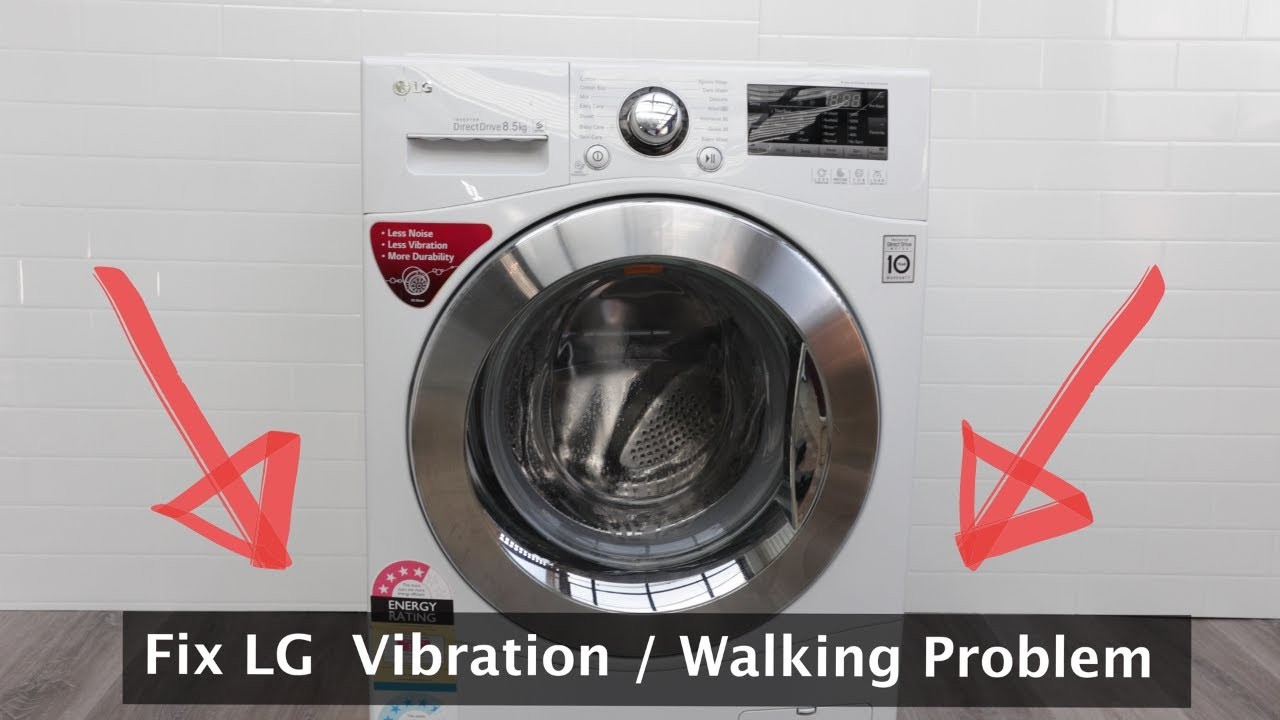
If you notice that your washing machine is jumping during the spin cycle, follow these steps to adjust the leveling feet:
- Start by unplugging the washing machine to ensure your safety.
- Locate the leveling feet at the bottom corners of the washing machine.
- Using a wrench or pliers, loosen the locknut on each leveling foot.
- Once the locknut is loose, use a wrench to turn the leveling feet clockwise or counterclockwise to adjust the height. Remember, turning the feet clockwise will raise the washing machine, while turning them counterclockwise will lower it.
- As you adjust the feet, place a level on top of the washing machine to check if it is leveled. Make sure the bubble in the level is centered.
- Continue adjusting the leveling feet until the washing machine is perfectly level in all directions.
- Once the machine is level, tighten the locknut on each leveling foot to secure it in place.
After adjusting the leveling feet, run a test cycle to see if the problem is resolved. If the washing machine still jumps during the spin cycle, you may need to check for other issues, such as a worn suspension spring or an imbalanced load.
By properly adjusting the leveling feet, you can help prevent your washing machine from jumping and ensure smooth and efficient operation.
Inspecting the Suspension Springs
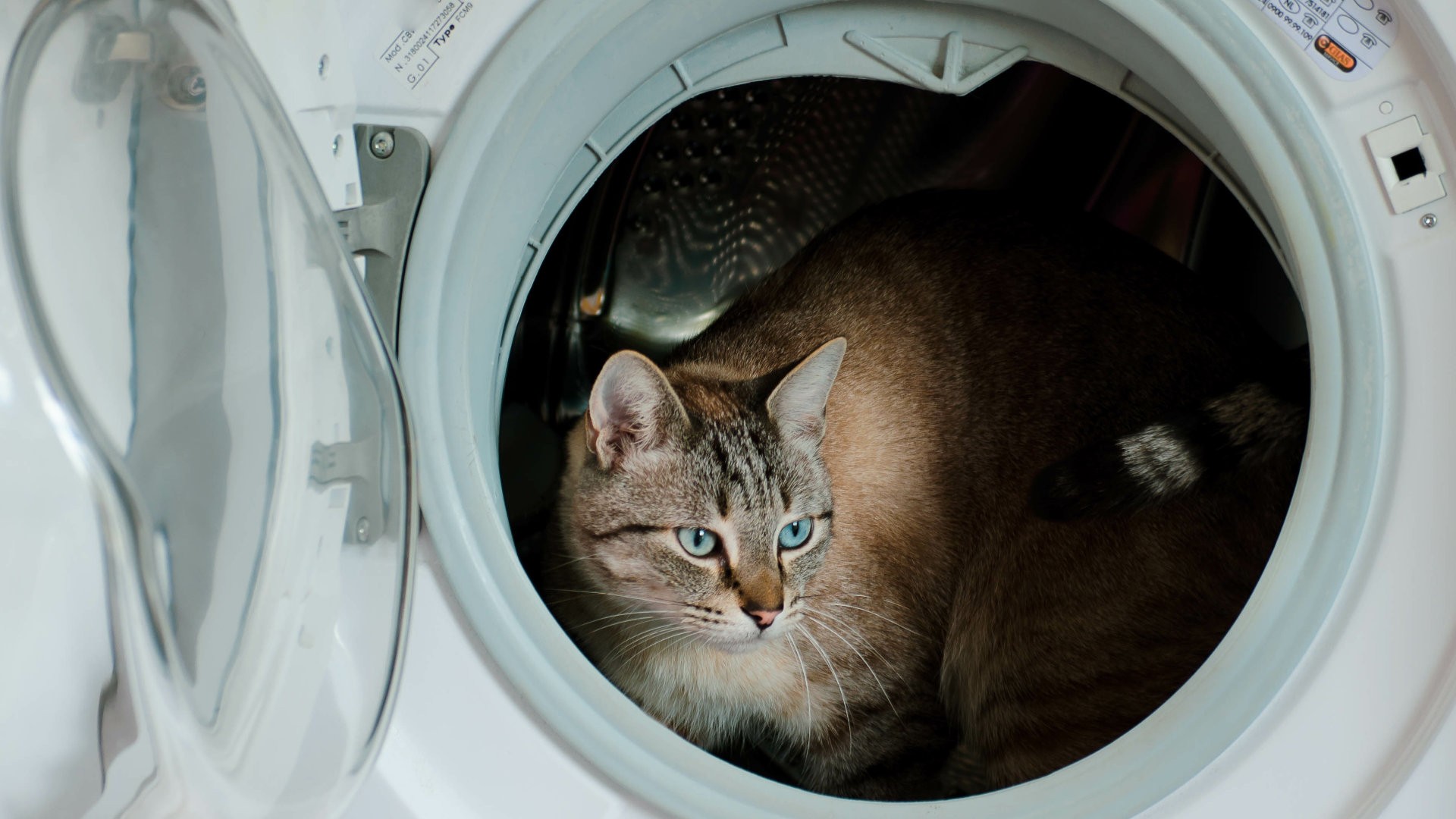
One potential cause for a washing machine that jumps when spinning is worn or damaged suspension springs. The suspension springs are responsible for supporting the tub and preventing excessive movement during the spin cycle. Over time, these springs can become stretched, broken, or disconnected from their mounting points.
To inspect the suspension springs, you will need to remove the top panel of the washing machine. Refer to the manufacturer’s instructions for your specific model on how to do this. Once the top panel is removed, you should be able to see the suspension springs located on either side of the tub.
Visually inspect each suspension spring for any signs of wear or damage. Look for cracks, breaks, or any areas where the spring may have become detached. Additionally, check that all the springs are securely connected to their mounting points on the chassis and the tub.
If you notice any issues with the suspension springs, they will need to be replaced. Contact the manufacturer or a professional appliance repair service to obtain the correct replacement springs for your washing machine. It is important to use the correct springs to ensure optimal performance and prevent further damage to the machine.
Inspecting and replacing the suspension springs can be a challenging task for those who are not familiar with washing machine repairs. If you are unsure or uncomfortable with performing these tasks, it is recommended to seek the assistance of a qualified technician.
Replacing the Shock Absorbers

If your washing machine is jumping and vibrating excessively during the spin cycle, the shock absorbers may need to be replaced. The shock absorbers are an important component that helps stabilize the drum and prevent excessive movement. Over time, these shock absorbers can wear out or lose their effectiveness, resulting in a washing machine that jumps and shakes.
Step 1: Safety First
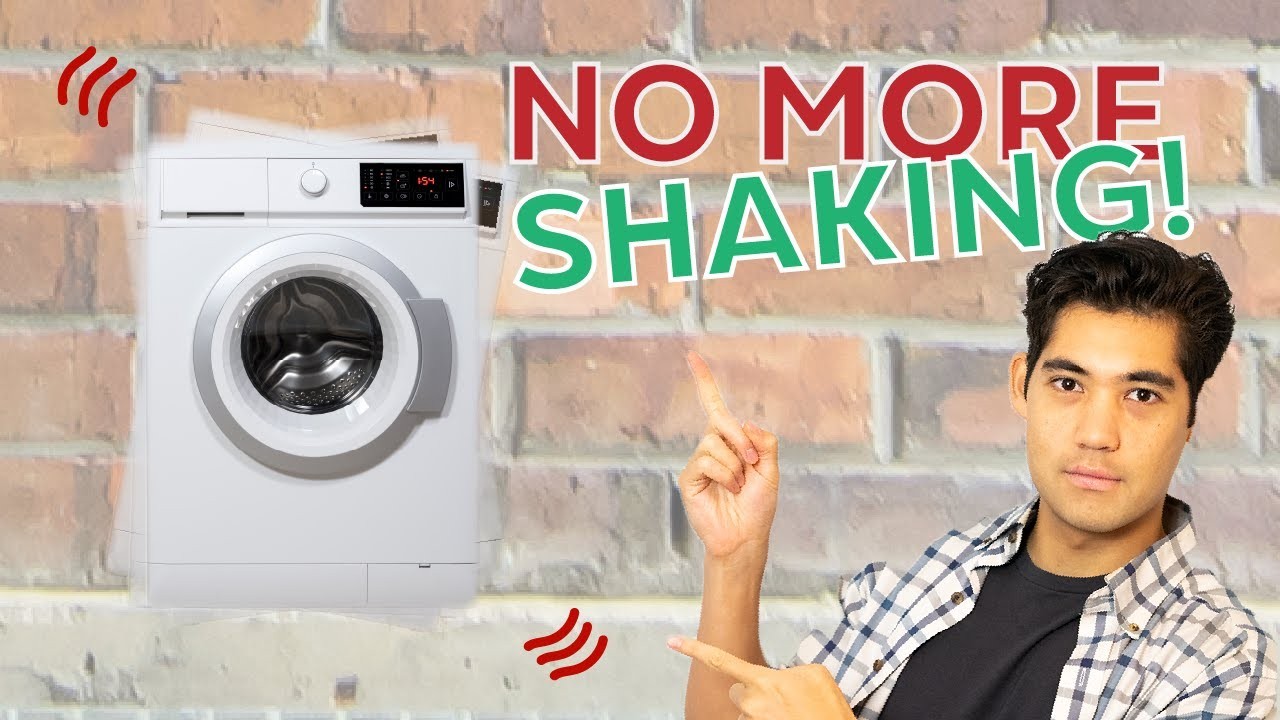
Before replacing the shock absorbers, ensure that the washing machine is unplugged and the water supply is shut off. It is also a good idea to wear protective gloves.
Step 2: Accessing the Shock Absorbers

Locate the access panel at the rear or front of the washing machine, depending on the model. Unscrew or remove any screws or clips holding the panel in place. Once removed, you should have clear access to the shock absorbers.
Step 3: Removing the Old Shock Absorbers
Using a wrench or pliers, carefully remove the bolts or screws securing the shock absorbers to the washing machine frame. Take note of which shock absorber goes where to ensure proper installation of the new ones. Once removed, gently detach the old shock absorbers from the frame and discard them.
Step 4: Installing the New Shock Absorbers
Take the new shock absorbers and align them with the holes on the washing machine frame. Secure them in place by tightening the bolts or screws with a wrench or pliers. Be sure to follow the manufacturer’s instructions for proper installation.
Step 5: Testing and Fine-Tuning
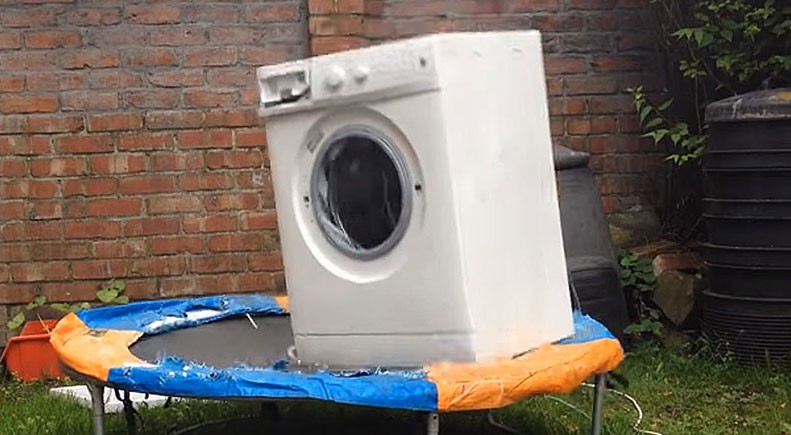
After replacing the shock absorbers, carefully place the access panel back in position and secure it with screws or clips. Plug the washing machine in and test it by running a short cycle. Observe the machine’s performance and check if the jumping and excessive vibration have been resolved. If necessary, make additional adjustments to ensure proper balance.
By following these steps, you can replace the shock absorbers in your washing machine and restore its stability during the spin cycle. If the problem persists, it may be a good idea to consult a professional repair technician.
Video on the topic
How to Fix a Shaking Washing Machine
How To Fix A GE Washer That Shakes While Spinning!
I MADE A HUGE MISTAKE! Whirlpool Washer STILL Out Of Balance, see what happened.
Answers to frequently asked questions
Read more practical tips and expert opinions about modern devices at appliances-news.com. Here you will find answers to questions about any technology.


