The washing machine drain hose is an essential part of the appliance that carries out the dirty water from the machine after each wash cycle. Over time, this hose may become clogged or damaged, leading to leaks and potentially causing water damage. Fortunately, replacing a washing machine drain hose is a simple task that you can do yourself, saving you time and money on a professional service call.
Before you begin replacing the drain hose, it’s important to gather the necessary tools and materials. You will need a new drain hose, pliers, a bucket or tray to catch any water that may spill, and a towel for cleanup. It’s also a good idea to have someone nearby to assist you, as some washing machines can be heavy and difficult to move.
Start by turning off the power to the washing machine and unplugging it from the electrical outlet. Next, locate the drain hose, which is usually located at the back of the machine near the bottom. Use your pliers to loosen the clamp that secures the hose to the drain pipe or laundry sink. Once the clamp is loosened, carefully remove the old drain hose from the machine, taking care not to spill any water.
- Prepare the necessary tools for the job
- Turn off the power and water supply to the washing machine
- Locate the old drain hose and disconnect it from the washing machine
- Remove the old drain hose from the plumbing system
- Turn off the water supply
- Unplug the washing machine
- Detach the drain hose from the washing machine
- Disconnect the drain hose from the plumbing system
- Install the new drain hose and reconnect it to the washing machine and plumbing system
- Video on the topic
- GE Top-Load Washer Drain Hose Replacement #WH41X10096
- Answers to frequently asked questions
Prepare the necessary tools for the job
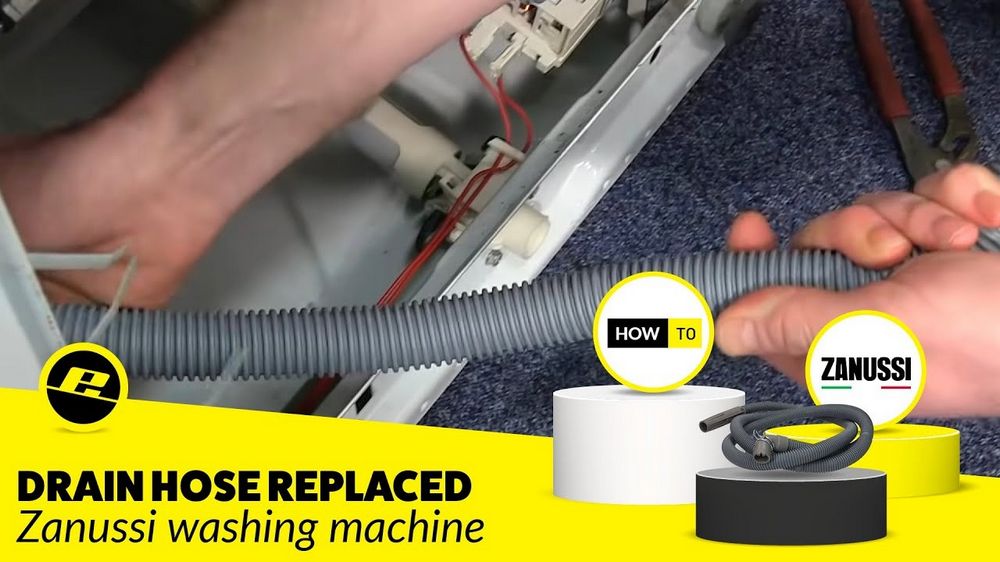
Before you begin replacing the washing machine drain hose, it is essential to gather all the necessary tools. Having the right tools on hand will make the process easier and ensure a successful installation. Here is a list of tools you will need:
| Tool | Purpose |
| Adjustable wrench | To loosen and tighten hose connections |
| Pliers | To securely grip and turn small parts |
| Screwdriver | To remove any screws or fasteners |
| Utility knife | To cut the old hose if necessary |
| Bucket | To catch any water that may spill during the replacement |
| Towel or rag | To wipe up any moisture or spills |
Make sure to have these tools readily available before you get started. It is also a good idea to wear gloves to protect your hands during the process. By having all the necessary tools prepared, you can ensure a smooth and efficient replacement of the washing machine drain hose.
Turn off the power and water supply to the washing machine

Before replacing the drain hose of your washing machine, it is essential to turn off the power and water supply. This step ensures your safety and prevents any accidental damage to the appliance or your home’s plumbing system.
To turn off the power, disconnect the washing machine from the electrical outlet. It is recommended to unplug the machine rather than simply switching off the power button. This prevents any potential electrical mishaps while you work on the drain hose.
Next, locate the shut-off valves for the hot and cold water supply lines connected to your washing machine. Rotate the valves clockwise to shut off the water supply. These valves are typically located behind the machine or in a nearby utility room.
Once the power and water supply are turned off, you can proceed with replacing the drain hose confidently, knowing that no electricity or water will cause any issues during the process.
Note: If you’re unable to locate the shut-off valves for the water supply, you might need to turn off the main water supply to your home. Consult a professional plumber if you’re unsure how to proceed.
Remember, safety should always be the top priority when working with any electrical appliances or plumbing systems.
Locate the old drain hose and disconnect it from the washing machine
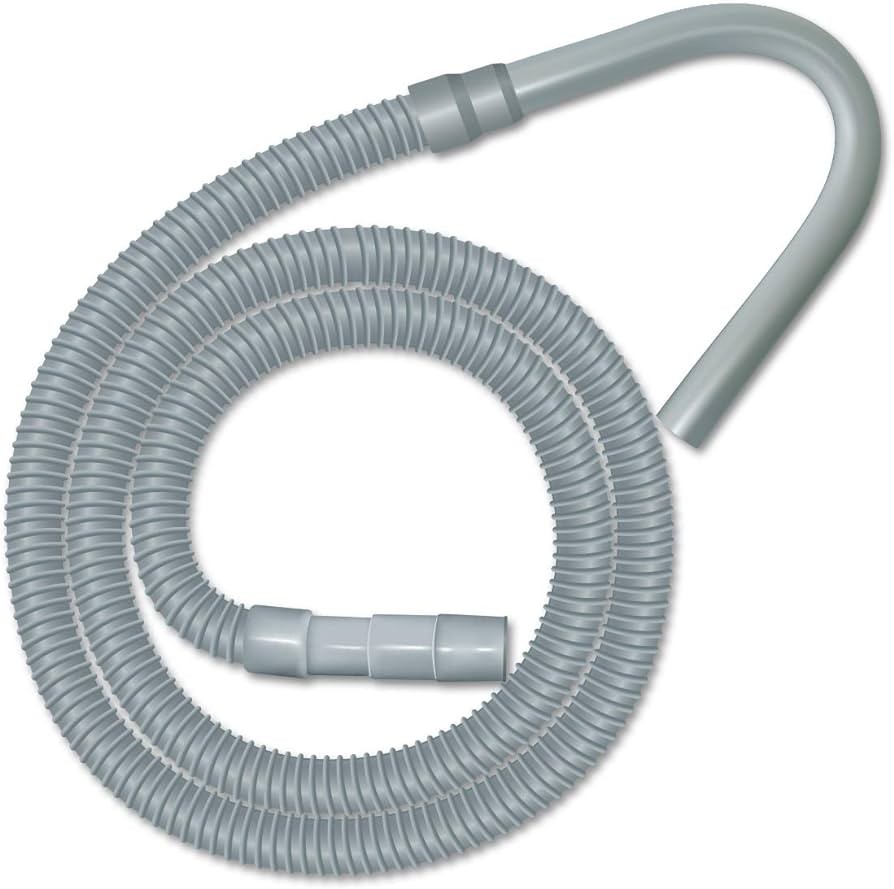
Before replacing the drain hose, you first need to locate it on your washing machine. The drain hose is usually located at the back of the machine and is connected to a drain pipe or a standpipe. You may need to move the washing machine away from the wall to access the hose.
Once you have located the drain hose, you can proceed to disconnect it. Start by turning off the water supply to the washing machine. This will prevent any water from leaking out when you disconnect the hose.
In some cases, the drain hose may be held in place by a clamp or a clip. Use pliers or a screwdriver to loosen the clamp and remove it from the hose.
Next, gently pull the hose away from the washing machine. Be careful not to put too much force on the hose, as this can cause damage. If the hose is stuck, you can try twisting it back and forth to loosen it before pulling it off.
Once the hose is disconnected, you can inspect it for any signs of damage or blockages. If the hose is worn out or damaged, it is recommended to replace it with a new one to prevent any leaks or drainage problems.
Note: It is important to properly dispose of the old drain hose according to your local waste management regulations.
Remove the old drain hose from the plumbing system
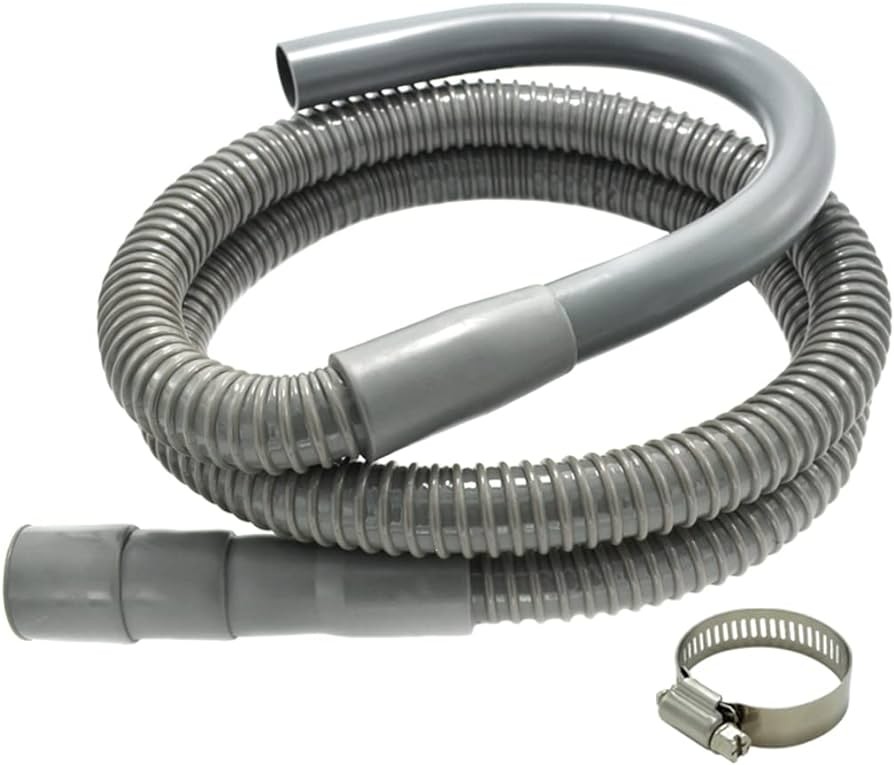
Before you can replace the drain hose, you’ll need to remove the old one from the plumbing system. Follow these steps:
Turn off the water supply
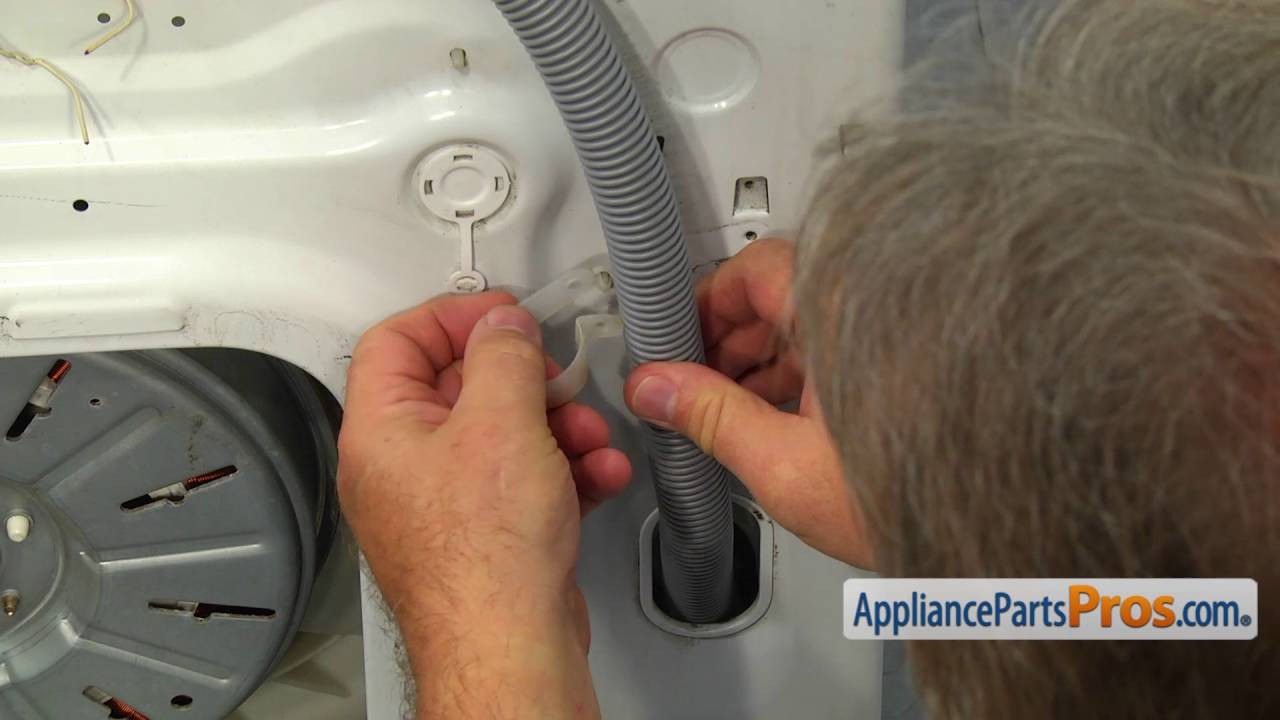
Before you start working on the drainage system, it’s crucial to turn off the water supply to prevent any leaks or water damage. Locate the shut-off valve near the washing machine and turn it clockwise to shut off the water flow.
Unplug the washing machine

Safety should always be your top priority. Make sure to unplug the washing machine from the power outlet to avoid any electrical hazards during the replacement process.
Detach the drain hose from the washing machine
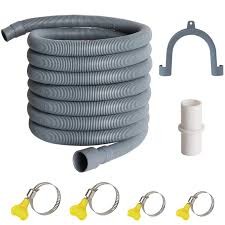
Take a pair of pliers or a wrench and loosen the clamps or fasteners that are securing the drain hose to the washing machine. Once they’re loosened, carefully pull out the drain hose from the washing machine.
Disconnect the drain hose from the plumbing system
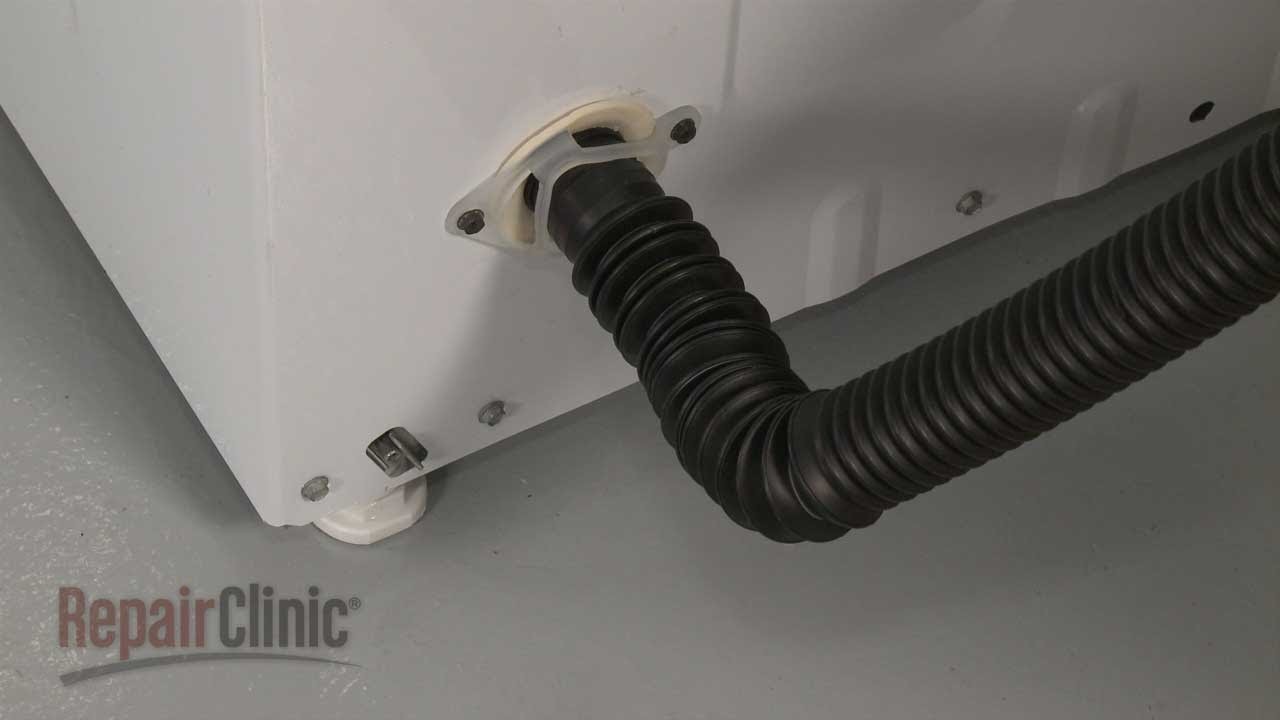
Next, locate the other end of the drain hose, which is connected to the plumbing system. Depending on how it is attached, you may need to use pliers or a wrench to disconnect it. Loosen any clamps or fasteners and carefully remove the drain hose from the plumbing system.
Once the old drain hose is fully detached from both the washing machine and the plumbing system, you can proceed with installing the new drain hose.
Install the new drain hose and reconnect it to the washing machine and plumbing system
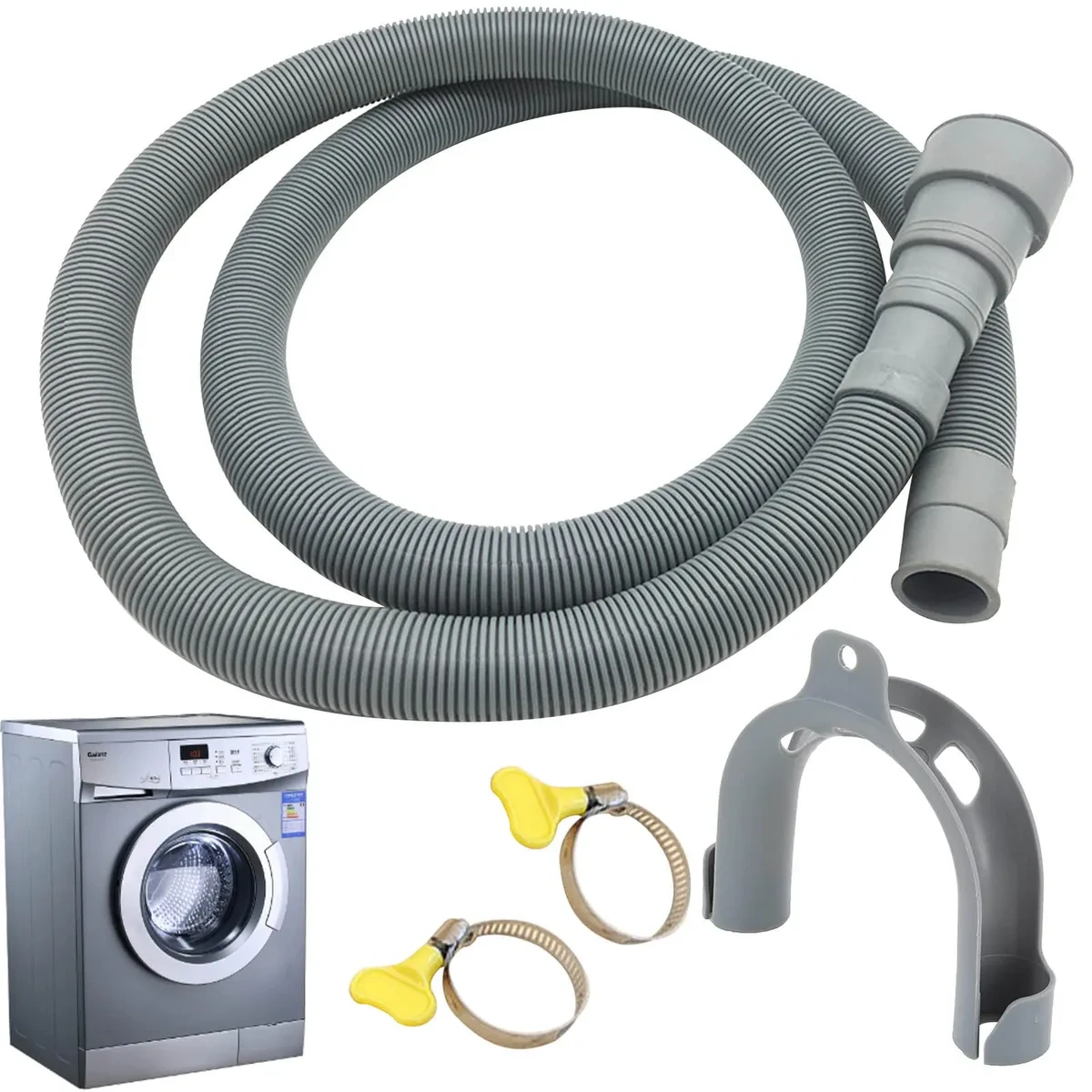
Once you have removed the old drain hose, it’s time to install the new one and reconnect it properly to both the washing machine and the plumbing system. Follow these step-by-step instructions to ensure a secure and leak-free connection:
- Start by determining the length of the new drain hose needed. Measure the distance from the washing machine’s drain outlet to the plumbing system’s drain pipe. Allow for some extra length to create a gentle slope for proper drainage.
- Take the new drain hose and attach one end to the washing machine’s drain outlet. Make sure it is securely fastened to prevent any leaks.
- Feed the other end of the drain hose into the plumbing system’s drain pipe. Ensure that it sits securely and tightly within the pipe.
- If your drain hose needs to be connected to a standpipe or utility sink, make sure it is inserted securely and tightly. Use hose clamps or other appropriate connectors to ensure a tight fit and prevent leaks.
- Once the drain hose is properly connected, check for any kinks or bends that could obstruct the flow of water. Straighten out any areas that are not aligned properly to ensure smooth drainage.
- Ensure that the drain hose is positioned at a height that allows for proper water drainage. It should not be too high or too low, as this can cause water to flow back into the washing machine or prevent efficient drainage.
- Finally, turn on the washing machine and run a test cycle to check for any leaks or issues with the newly installed drain hose. Monitor the connection closely and tighten any fittings if necessary.
Following these steps will help you successfully install the new drain hose and ensure that your washing machine operates smoothly and efficiently. Remember to refer to the manufacturer’s instructions for any specific requirements or recommendations for your particular washing machine model.
Video on the topic
GE Top-Load Washer Drain Hose Replacement #WH41X10096
Answers to frequently asked questions
Read more practical tips and expert opinions about modern devices at appliances-news.com. Here you will find answers to questions about any technology.