
Whether you’re doing your laundry at home or at a laundromat, the last thing you want is for your washing machine to give you a shock. It can be a dangerous experience that can ruin your day and potentially harm you. But fear not! With a few simple tips and tricks, you can prevent washing machine shocks and ensure a safe laundry experience.
1. Inspect the power cord: Before using your washing machine, take a moment to inspect the power cord for any damages or frayed wires. If you notice any issues, it is crucial to replace the cord immediately to prevent any potential shocks.
2. Check the outlet: Make sure the outlet you are using to power your washing machine is in good condition. Look for any signs of damage or loose connections. If you’re unsure about the outlet’s safety, consult a professional electrician to resolve the issue.
3. Use a ground fault circuit interrupter (GFCI) outlet: Installing a GFCI outlet near your washing machine can provide an extra layer of protection against electrical shocks. This type of outlet detects imbalances in the electrical current and immediately cuts off the power to prevent accidents. Consult an electrician for assistance with installing a GFCI outlet if you don’t have one already.
4. Avoid overloading the washing machine: Overloading your washing machine can put excessive strain on the motor, which can increase the risk of electrical shocks. Be sure to follow the manufacturer’s guidelines for load capacity to prevent any potential accidents.
By following these simple tips and tricks, you can ensure a safe and shock-free laundry experience. Remember, your safety should always be a priority, so don’t compromise on electrical safety measures when it comes to your washing machine.
- Essential Maintenance for Washing Machine
- Keep Your Machine Running Smoothly and Safely
- Common Causes of Washing Machine Shocks
- Identifying the Culprits and Finding Solutions
- Simple Solutions to Prevent Washing Machine Shocks
- Video on the topic
- Fixing A Maytag/Whirlpool Washer That Is Shaking And Making Loud Banging Noises!
- Off-Balance Washer? No Problem: Easy Solution For Whirlpool, Amana, Inglis, And Roper | Josh Cobb
- How To Fix A Squeaky Clothes Dryer
- You Should Check the Suspension Rods | Here’s WHY and how to FIX it!
- Repair Washing machine shocks, struts FREE and FAST. .
- Answers to frequently asked questions
Essential Maintenance for Washing Machine
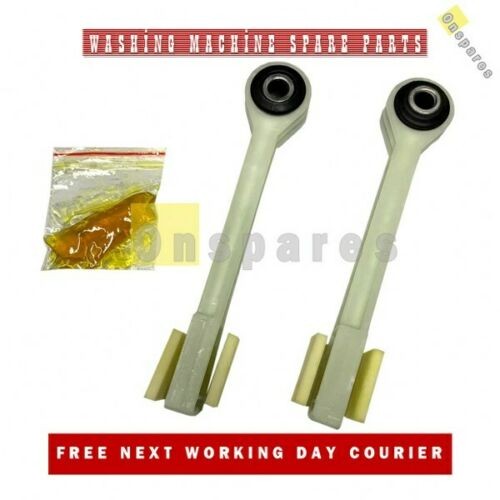
Proper maintenance of your washing machine is crucial for its long-term performance and efficiency. By following these essential maintenance tips, you can prevent costly repairs and ensure that your washing machine works optimally for years to come.
1. Regularly clean the washing machine drum and detergent dispenser: Over time, dirt, detergent residue, and fabric fibers can accumulate in the drum and dispenser, leading to unpleasant odors and reduced cleaning performance. To clean the drum, simply run an empty cycle with hot water and white vinegar. Remove and clean the detergent dispenser regularly to prevent clogs.
2. Inspect and clean the filter: Many washing machines have a filter that traps lint, pet hair, and other debris, preventing them from clogging the drain pump. Check the user manual for instructions on how to locate and clean the filter. Doing this regularly will ensure proper drainage and prevent damage to the machine.
3. Use the right amount of detergent: Too much detergent can lead to excessive suds, which can cause the washing machine to vibrate and shake. Follow the manufacturer’s recommendations for detergent usage to avoid this problem and save money on detergent costs.
4. Balance the load: Unevenly distributed laundry can cause the washing machine to become off-balance during the spin cycle, resulting in excessive vibration and potential shocks. To prevent this, evenly distribute the laundry in the drum and avoid overloading the machine.
5. Inspect hoses and connections: Regularly check the hoses and connections of your washing machine for signs of wear, cracking, or leakage. Replace any damaged hoses immediately to prevent water damage and potential shocks.
| Maintenance Tips | Frequency |
|---|---|
| Clean drum and detergent dispenser | Once a month |
| Inspect and clean the filter | Every 3-6 months |
| Use the right amount of detergent | With each use |
| Balance the load | With each use |
| Inspect hoses and connections | Every 6 months |
By following these essential maintenance tips, you can prolong the life of your washing machine, improve its performance, and prevent shocks or vibrations. Taking care of your washing machine will not only save you money but also ensure that your laundry is clean and fresh every time.
Keep Your Machine Running Smoothly and Safely

Washing machines are an essential appliance in most households, and it’s important to keep them running smoothly and safely. By following a few simple tips and tricks, you can ensure that your machine stays in good working order for years to come.
Regularly clean your machine: Over time, detergent residue, lint, and other debris can build up inside your washing machine. This buildup can affect its performance and even cause it to malfunction. To prevent this, make sure to clean your machine regularly. Remove any lint from the lint trap, wipe down the drum and door seal, and run a cleaning cycle with a specialized washing machine cleaner.
Check for leaks: Leaks can not only damage your machine but also pose a safety hazard. Regularly inspect your machine for any signs of leaks, such as puddles of water around the base or a musty odor. If you notice any leaks, contact a professional to fix the issue before it becomes worse.
Balance your loads: Washing machines can become unbalanced if the load is too heavy or unevenly distributed. This can cause the machine to shake violently during the spin cycle, leading to potential damage and even injury. Always make sure to evenly distribute your clothes in the drum and avoid overloading the machine. If necessary, remove some items to achieve a balanced load.
Avoid using excessive detergent: Using too much detergent can create excessive suds, leading to poor washing performance and potential overflow. Always follow the recommended detergent amount for your specific machine and the type of laundry you are washing. Using less detergent is better than using too much.
Don’t overload the machine: It can be tempting to fit as much laundry as possible into a single load, but overloading the machine can strain its components and reduce its lifespan. Stick to the recommended load capacity for your machine and wash larger items, such as bedding or bulky jackets, separately to avoid strain and potential damage.
Keep the machine level: An unlevel washing machine can cause excessive vibrations during the spin cycle, leading to potential shocks or damage. Use a spirit level to check if your machine is level, and adjust the feet or prop it up on a stable surface if necessary.
Service your machine regularly: Just like any other appliance, washing machines require regular maintenance to keep them running smoothly. Consider scheduling professional servicing at least once a year to ensure that all components are in good working order and to address any potential issues before they become major problems.
By following these tips and tricks, you can keep your washing machine running smoothly and safely, prolonging its lifespan and ensuring that it continues to provide you with clean laundry for years to come.
Common Causes of Washing Machine Shocks
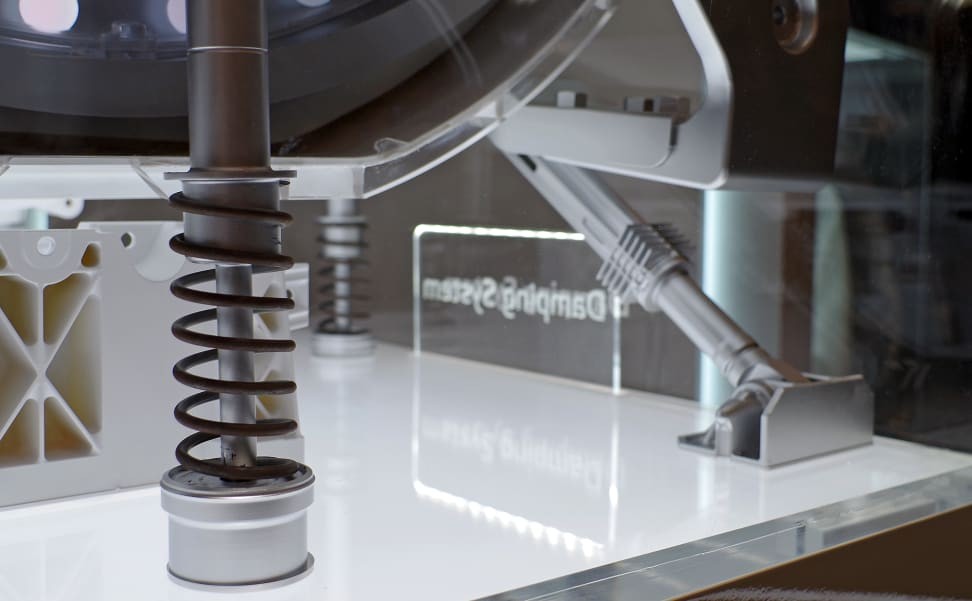
Experiencing shocks from your washing machine can be unsettling and potentially dangerous. Understanding the common causes can help you prevent and address this issue. Here are some factors that may contribute to washing machine shocks:
1. Unbalanced load: One of the main causes of shocks is an unbalanced load. When the clothes inside the drum are distributed unevenly, it can lead to vibrations and shocks during the spin cycle. Make sure to load the machine evenly to distribute the weight evenly.
2. Overloading: Overloading your washing machine can also cause shocks. When the machine is packed with more clothes than it can handle, it can strain the inner components and lead to excessive vibrations. Make sure to follow the manufacturer’s guidelines regarding load capacity.
3. Uneven ground: Placing your washing machine on an uneven surface can contribute to shocks. If the machine is not properly balanced, it can vibrate excessively and cause shocks. Ensure that the machine is placed on a level and stable surface.
4. Worn-out dampers or springs: The dampers or springs in your washing machine play a crucial role in absorbing vibrations. Over time, these components can wear out or become damaged, leading to increased shocks. Regularly inspect and replace worn-out dampers or springs.
5. Improper installation: Incorrect installation can also contribute to shocks. Make sure that your washing machine is properly leveled and that the transit bolts have been removed. If the machine is not properly installed, it may vibrate excessively and cause shocks.
6. Structural issues: In some cases, shocks may be the result of structural issues in your home. If your laundry area lacks proper support or if the floors are not stable, it can amplify vibrations and cause shocks. Consider reinforcing the area or seeking professional advice if necessary.
By understanding and addressing these common causes, you can prevent shocks and ensure a smoother and safer operation of your washing machine.
Identifying the Culprits and Finding Solutions
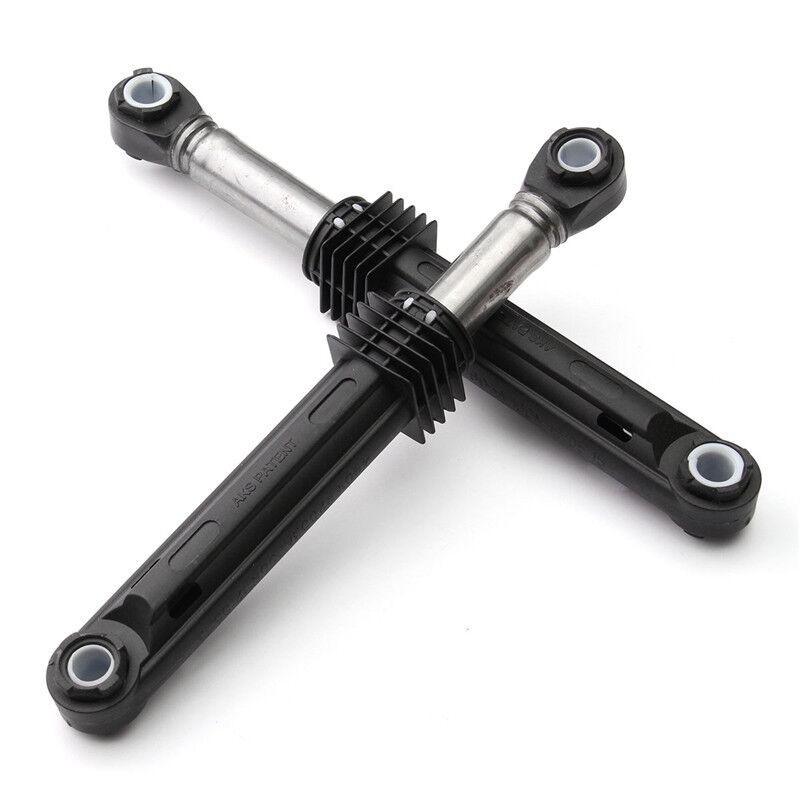
If your washing machine is causing shocks or vibrations, there can be several culprits to blame. By identifying the cause of the problem, you can find the appropriate solution to prevent future shocks and maintain the smooth operation of your washing machine.
One common reason for washing machine shocks is an uneven load. When clothes are not distributed evenly in the drum, it can create an imbalance that leads to excessive vibrations. To prevent this, make sure to load your washing machine properly, distributing the clothes evenly around the drum.
Another potential culprit is an unbalanced machine. Over time, the legs of your washing machine may become uneven, causing it to rock or vibrate violently during the spin cycle. To fix this, use a level to ensure that your machine is sitting evenly on the floor. Adjust the legs as necessary to achieve a balanced position.
In some cases, the shocks may be caused by a worn or damaged suspension system. The suspension system is responsible for supporting the drum and absorbing vibrations. If it is worn out or damaged, it won’t be able to properly stabilize the drum, causing shocks during the wash cycle. In this case, it is recommended to call a professional technician to inspect and replace the suspension system if necessary.
Avoid overloading your washing machine, as this can also lead to shocks and vibrations. Overloading puts excessive strain on the components of the machine, causing it to work harder and become imbalanced. Be mindful of the recommended load capacity for your machine and avoid exceeding it.
In conclusion, identifying the culprits behind washing machine shocks and vibrations is crucial for finding the right solutions. By ensuring an even load distribution, maintaining a balanced machine, and avoiding overloading, you can prevent shocks and prolong the life of your washing machine.
Simple Solutions to Prevent Washing Machine Shocks

If your washing machine is giving you shocks, there are a few simple solutions that you can try before calling a professional. These solutions can help prevent electric shocks and ensure the safety of both you and your appliance.
1. Check the grounding: Make sure that your washing machine is properly grounded. A faulty grounding can lead to electric shocks. Consult the user manual or contact a professional to ensure that your machine is correctly grounded.
2. Use a surge protector: Plugging your washing machine into a surge protector can help protect against power surges and electrical shocks. Choose a surge protector with a high joule rating to provide maximum protection for your appliance.
3. Inspect the power cord: Regularly inspect the power cord for any signs of wear or damage. If you notice any frayed or exposed wires, it is important to replace the cord immediately. Using a damaged cord can increase the risk of electric shocks.
4. Avoid overloading: Overloading your washing machine can put stress on its electrical components and increase the chances of an electrical shock. Follow the manufacturer’s guidelines for the maximum load capacity and avoid exceeding it.
5. Maintain proper water connection: Ensure that the water connection to your washing machine is secure and leak-free. Water and electricity can be a dangerous combination. Regularly check for any leaks or loose connections and fix them promptly to prevent any electrical mishaps.
Remember, if you experience frequent electrical shocks from your washing machine or if you are unsure about any of the above solutions, it is always recommended to seek professional help. Safety should be the top priority when dealing with electrical appliances.
| Prevention Tips | Description |
|---|---|
| Check the grounding | Ensure that the washing machine is properly grounded to prevent electric shocks. |
| Use a surge protector | Protect the appliance from power surges and electrical shocks by using a surge protector. |
| Inspect the power cord | Regularly check the power cord for any signs of wear or damage, and replace it if necessary. |
| Avoid overloading | Follow the manufacturer’s guidelines for the maximum load capacity to prevent stress on the machine’s electrical components. |
| Maintain proper water connection | Ensure that the water connection to the washing machine is secure and leak-free to prevent any electrical mishaps. |
Video on the topic
Fixing A Maytag/Whirlpool Washer That Is Shaking And Making Loud Banging Noises!
Off-Balance Washer? No Problem: Easy Solution For Whirlpool, Amana, Inglis, And Roper | Josh Cobb
How To Fix A Squeaky Clothes Dryer
You Should Check the Suspension Rods | Here’s WHY and how to FIX it!
Repair Washing machine shocks, struts FREE and FAST. .
Answers to frequently asked questions
Read more practical tips and expert opinions about modern devices at appliances-news.com. Here you will find answers to questions about any technology.


