
Having a properly installed and well-maintained washing machine drain hose is essential for the efficient functioning and longevity of your washing machine. The drain hose plays a crucial role in removing the dirty water from the machine and directing it to the appropriate drainage system.
Whether you are installing a new washing machine or replacing an old drain hose, it is important to follow the correct installation procedures to ensure smooth and hassle-free operation. In this ultimate guide, we will walk you through the step-by-step process of installing and maintaining a washing machine drain hose.
Step 1: Choosing the Right Drain Hose
Before you proceed with the installation process, it is crucial to choose the right drain hose for your washing machine. Consider the length, diameter, and material of the hose that best suits your specific needs. It is recommended to opt for a flexible and durable hose that can withstand high water pressure.
To learn more about the installation and maintenance of a washing machine drain hose, continue reading our comprehensive guide below.
- Why You Need a Quality Washing Machine Drain Hose
- How to Choose the Right Washing Machine Drain Hose
- Step-by-Step Guide: Installing Your Washing Machine Drain Hose
- Step 1: Preparation
- Step 2: Locate the Drain Outlet
- Step 3: Remove the Old Drain Hose
- Step 4: Connect the New Drain Hose
- Step 5: Position the Hose
- Step 6: Test for Leaks
- Step 7: Secure the Hose
- Tips for Maintaining Your Washing Machine Drain Hose
- 1. Regularly inspect the hose
- 2. Clean the hose regularly
- 3. Avoid using harsh chemicals
- 4. Check the hose connections
- 5. Avoid overloading the washing machine
- Common Problems with Washing Machine Drain Hoses and How to Fix Them
- Video on the topic
- Washing Machine Box
- How to Install a Washing Machine Like a Pro – Plumbing DIY
- Washing Machine Hose – Installation
- Answers to frequently asked questions
Why You Need a Quality Washing Machine Drain Hose
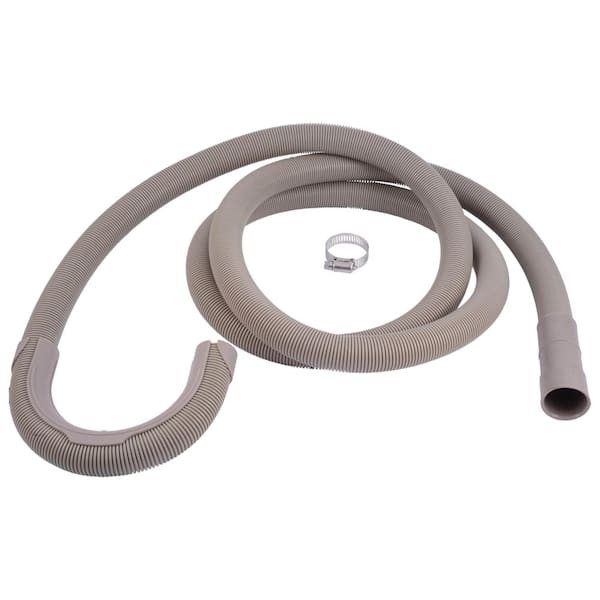
A washing machine drain hose is an essential component of your washing machine setup. It plays a crucial role in ensuring that the dirty water from your laundry is efficiently drained away from your machine and out of your home.
Here are a few reasons why investing in a high-quality washing machine drain hose is important:
|
1. Reliability: |
A quality drain hose is more reliable and less likely to leak or get damaged during use. It will ensure that your washing machine effectively drains the water without any issues. |
|
2. Durability: |
A well-made drain hose can withstand the constant water pressure and high temperatures generated by your washing machine. It will last longer and require less maintenance or replacement. |
|
3. Efficient Drainage: |
A quality drain hose has a smooth interior surface that allows the water to flow freely, preventing clogs or blockages. It ensures that your washing machine effectively drains the dirty water, leaving your clothes clean and fresh. |
|
4. Prevents Water Damage: |
A reliable drain hose reduces the risk of water leakage or overflow, which can cause significant damage to your flooring, walls, and other items in your laundry area. It helps maintain a safe and clean environment. |
|
5. Easy Installation: |
A high-quality drain hose is designed for easy installation and replacement. It will have clear instructions and fittings that ensure a secure and leak-free connection to your washing machine and drain system. |
Remember, choosing a quality washing machine drain hose is essential to maintain the overall performance and longevity of your washing machine. So, make sure to invest in a reliable and durable option to avoid any future problems and enjoy worry-free laundry days.
How to Choose the Right Washing Machine Drain Hose
Choosing the right washing machine drain hose is essential to ensure a proper and efficient drainage system for your washer. A good quality drain hose will help in preventing leaks and blockages, ensuring that the dirty water flows out smoothly. Here are a few factors to consider when choosing a washing machine drain hose:
- Material: Opt for a drain hose that is made of high-quality, durable material such as rubber or PVC. These materials are resistant to wear and tear, and are less likely to develop cracks or leaks over time.
- Length: Measure the distance from your washing machine to the drain pipe and choose a hose that is long enough to reach without any tension. It is advisable to opt for a hose with a little extra length to allow for flexibility in installation.
- Diameter: Ensure that the diameter of the drain hose matches the drain outlet of your washing machine. Most standard washing machines have a drain outlet of around 1 to 1 ½ inches. Using a hose with a different diameter can cause issues with water flow.
- Flexible vs Rigid: Decide whether you prefer a flexible or rigid drain hose. Flexible hoses are easier to install and maneuver around tight spaces, while rigid hoses offer more stability once installed.
- Anti-kink feature: Look for a drain hose that has an anti-kink feature. This prevents the hose from bending or getting twisted, allowing for smooth water flow and preventing blockages.
- Compatibility: Ensure that the drain hose you choose is compatible with your specific washing machine model. Some washers have unique requirements, so it’s important to check the manufacturer’s specifications before making a final decision.
- Quality: Invest in a drain hose from a reputable brand known for their quality products. A high-quality hose will not only last longer but also provide a reliable and efficient drainage system for your washing machine.
By considering these factors, you can choose the right washing machine drain hose that meets your needs and ensures a hassle-free laundry experience. Remember to regularly inspect and maintain your drain hose to prolong its lifespan and prevent any potential issues.
Step-by-Step Guide: Installing Your Washing Machine Drain Hose
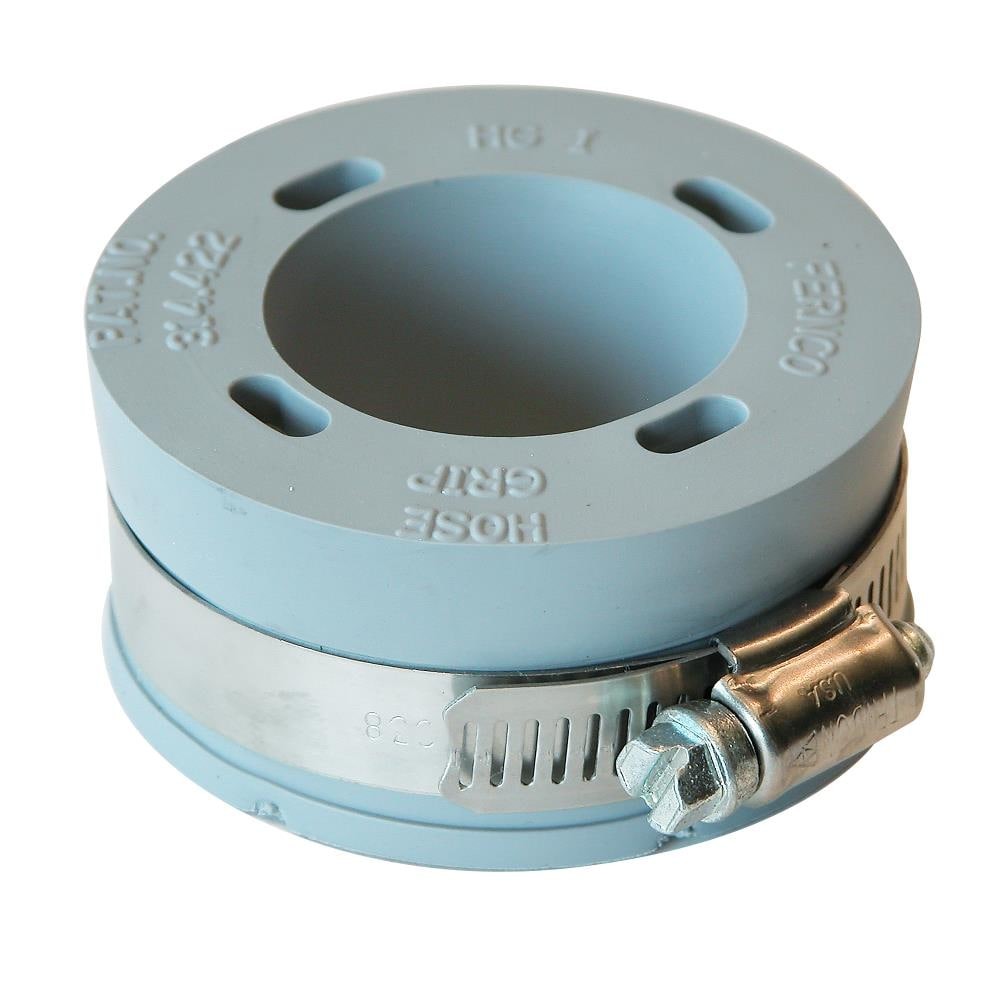
Installing a washing machine drain hose is a simple and necessary task to ensure proper water drainage from your machine. Follow these steps to successfully install your washing machine drain hose:
Step 1: Preparation
Before you begin, gather the necessary tools and materials, including a new drain hose, pliers, and a bucket. Make sure to turn off the water supply and unplug the washing machine from the power source.
Step 2: Locate the Drain Outlet
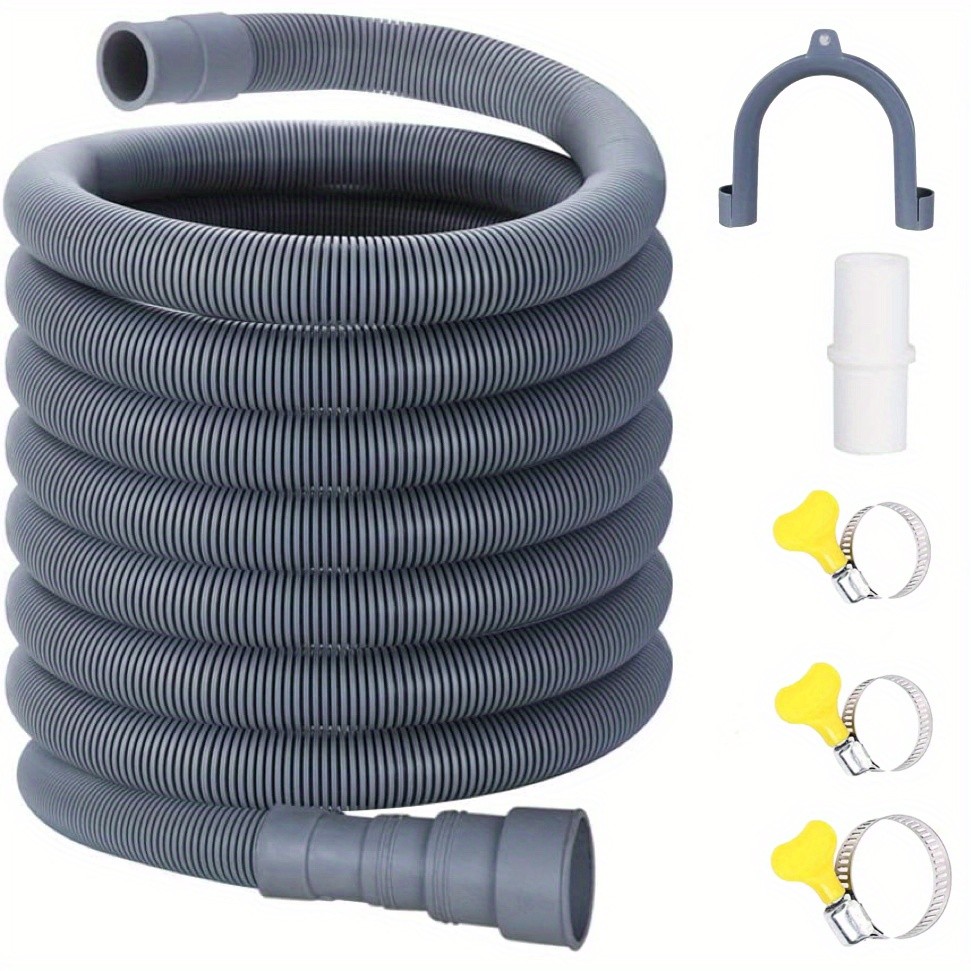
Find the drain outlet on the back of your washing machine. This is usually a round or rectangular opening with a cover. Remove the cover to access the area for installation.
Step 3: Remove the Old Drain Hose
If you are replacing an old drain hose, carefully loosen the hose clamp using pliers and disconnect the hose from the drain outlet. Allow any excess water to drain into a bucket before completely removing the old hose.
Step 4: Connect the New Drain Hose
Take the new drain hose and attach it to the drain outlet. Slide the hose onto the outlet until it fits snugly. Secure it in place with a hose clamp, ensuring a tight and leak-free connection.
Step 5: Position the Hose
Determine the desired position for the drain hose to ensure proper water flow and avoid any kinks or bends. Make sure the hose extends at least 3-4 inches into the drain pipe to prevent water backup.
Step 6: Test for Leaks
Once the drain hose is securely connected and positioned, turn on the water supply and run a test cycle on your washing machine. Check for any leaks or drips around the hose connection. If any leaks are present, tighten the hose clamp or replace it if necessary.
Step 7: Secure the Hose
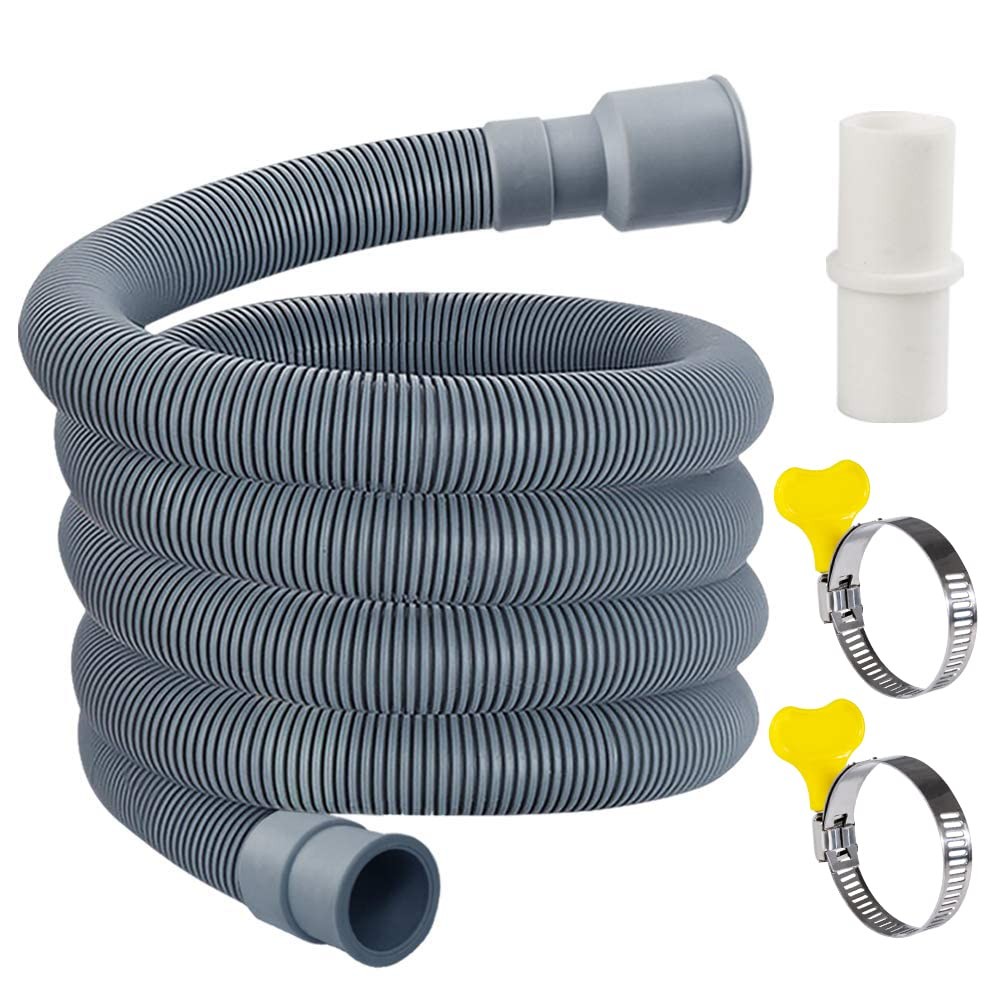
If the hose is properly connected and there are no leaks, use zip ties or cable clamps to secure the hose in place. This will prevent it from shifting or coming loose during future use.
Following these step-by-step instructions will ensure a successful installation of your washing machine drain hose. Remember to regularly inspect and maintain the hose to prevent clogs and leaks, as well as to extend its lifespan.
Tips for Maintaining Your Washing Machine Drain Hose
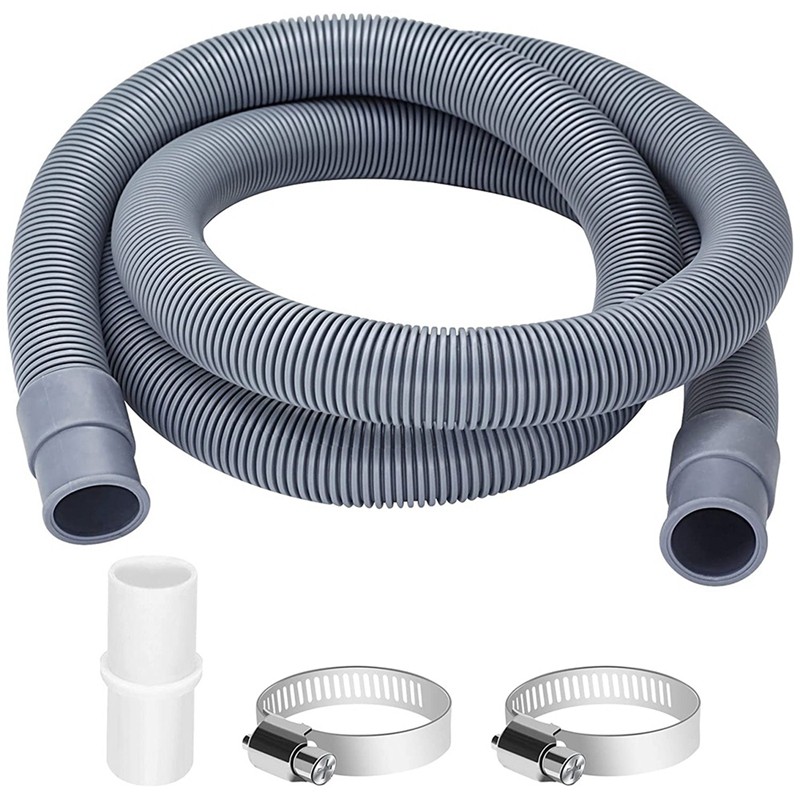
Maintaining your washing machine drain hose is essential for its proper functioning and to prevent any potential leaks or clogs. Here are some tips to help you keep your drain hose in top condition:
1. Regularly inspect the hose
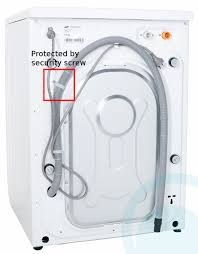
Make it a habit to regularly inspect your washing machine drain hose for any signs of wear and tear. Look for any cracks, splits, or bulges in the hose that could indicate potential leaks or future problems. If you notice any damage, it’s best to replace the hose before it causes any issues.
2. Clean the hose regularly
Over time, lint, dirt, and debris can accumulate inside your washing machine drain hose, leading to clogs and blockages. To prevent this, clean the hose on a regular basis. Disconnect the hose from the drain pipe and flush it with water to remove any built-up residue. You can also use a pipe brush to scrub away any stubborn debris.
3. Avoid using harsh chemicals
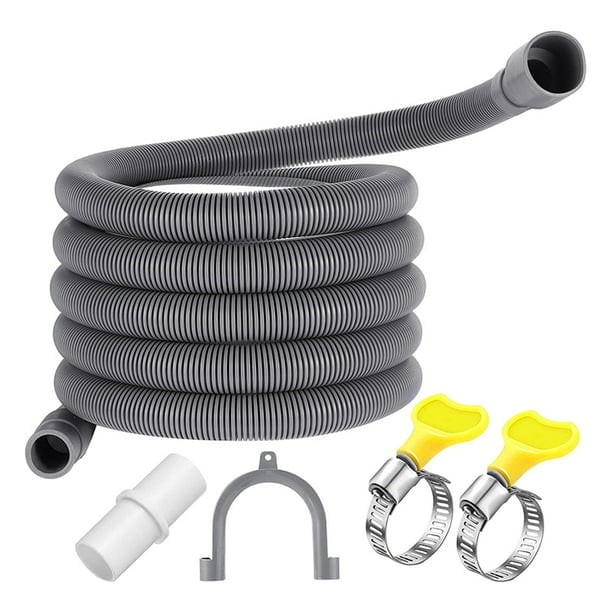
When cleaning your washing machine drain hose, it’s important to avoid using harsh chemicals like bleach or drain cleaners. These chemicals can damage the hose material and cause it to deteriorate faster. Stick to using mild soap and water to clean the hose effectively without causing any harm.
4. Check the hose connections
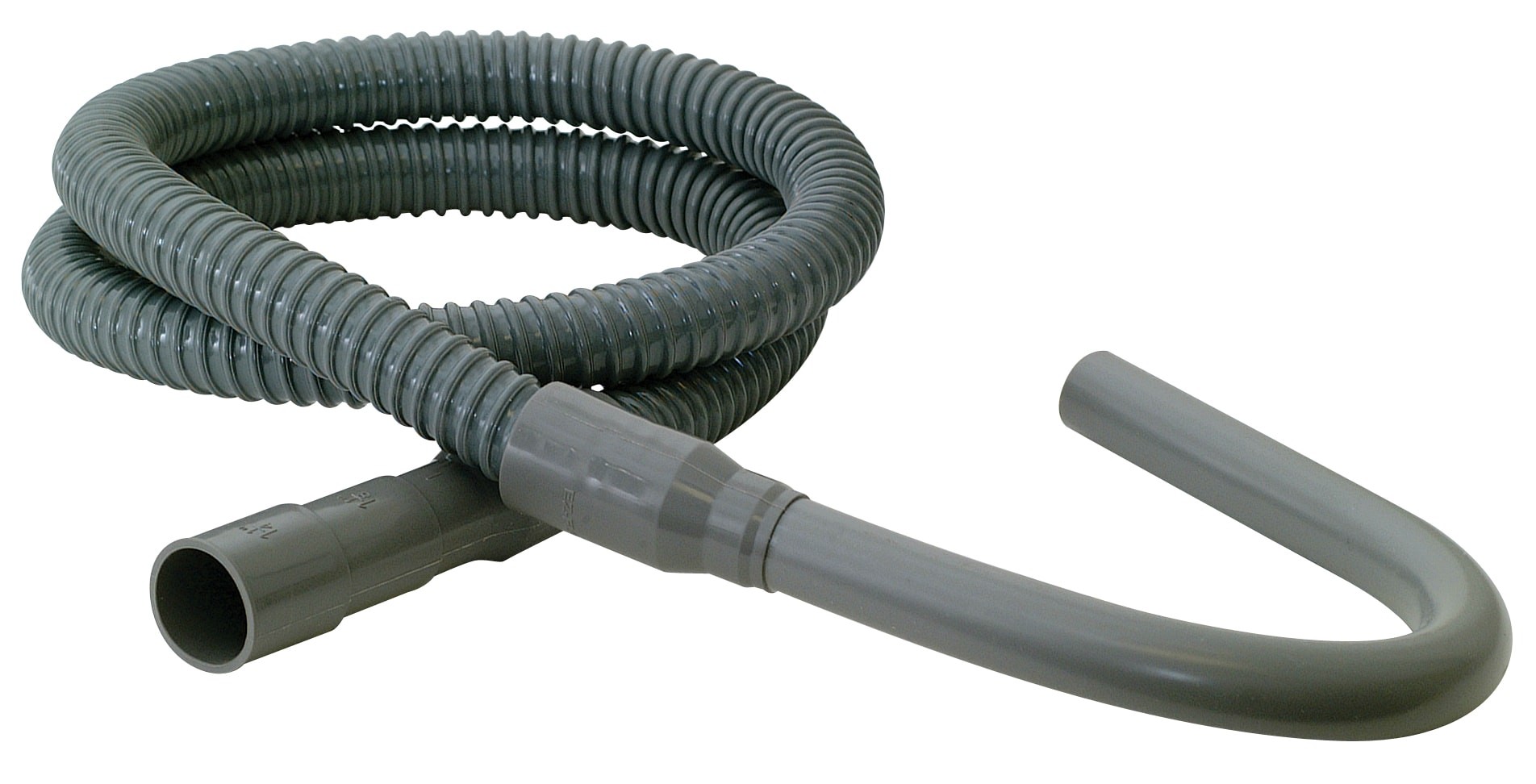
Inspect the connections between the drain hose and the washing machine and drain pipe. Ensure that they are tightly secured and free from any leaks. If you notice any loose connections or leaks, tighten them or replace the fittings if necessary. This will help prevent water damage and ensure proper drainage.
5. Avoid overloading the washing machine

Overloading your washing machine can put excessive pressure on the drain hose, causing it to bend or kink. This can lead to restricted water flow or even complete blockages. Be mindful of the weight and size of your laundry loads to avoid straining the drain hose and ensure efficient drainage.
By following these simple maintenance tips, you can prolong the life of your washing machine drain hose and prevent any potential problems. Regular inspection and cleaning will help you avoid costly repairs and ensure smooth and efficient drainage for your washing machine.
Common Problems with Washing Machine Drain Hoses and How to Fix Them

The drain hose of your washing machine is a vital component that allows wastewater to flow out of the machine and into the plumbing system. However, like any other part of your washer, drain hoses can develop problems over time. Here are some common issues with washing machine drain hoses and how to fix them:
1. Clogs and Blockages: One of the most common problems with drain hoses is clogging. Accumulated lint, debris, or foreign objects can obstruct the water flow and cause backups. To fix this issue, start by disconnecting the drain hose from the plumbing system and washing machine. Use a pipe cleaner or a long, flexible brush to remove any clogs or blockages. Rinse the hose thoroughly with hot water to ensure it is clear before reattaching it.
2. Leaks and Cracks: Over time, drain hoses can develop leaks or cracks, which can lead to water damage in your laundry room. Inspect the hose regularly for any signs of damage, such as water stains, pooling water, or visible cracks. If you notice any leaks or cracks, replace the hose with a new one. Make sure to measure the length and diameter of the old hose to ensure the new one fits properly.
3. Improper Installation: Incorrect installation of the drain hose can cause various issues, including leaks, poor drainage, and excessive vibrations. Ensure that the drain hose is securely connected to both the washing machine and the plumbing system. Make sure it is positioned at the correct height to prevent water from flowing back into the machine. Refer to the manufacturer’s instructions or consult a professional if you’re unsure about the proper installation.
4. Kinks and Twists: Drain hoses are prone to kinking or getting twisted, especially if they are not properly secured. These kinks and twists can restrict the water flow and lead to drainage problems. Check the hose regularly and straighten out any kinks or twists. You can also use zip ties or hose clamps to secure the hose in place and prevent it from moving or tangling during the wash cycle.
5. Aging and Wear: Like any other appliance component, drain hoses can deteriorate over time due to aging and wear. The rubber material can become brittle, resulting in cracks or leaks. If your drain hose is old or showing signs of wear, it’s recommended to replace it proactively to avoid potential problems. Regularly inspect the hose and replace it if necessary.
By being aware of these common problems and taking the necessary steps to fix and prevent them, you can ensure that your washing machine drain hose works efficiently and effectively for years to come.
Video on the topic
Washing Machine Box
How to Install a Washing Machine Like a Pro – Plumbing DIY
Washing Machine Hose – Installation
Answers to frequently asked questions
Read more practical tips and expert opinions about modern devices at appliances-news.com. Here you will find answers to questions about any technology.


