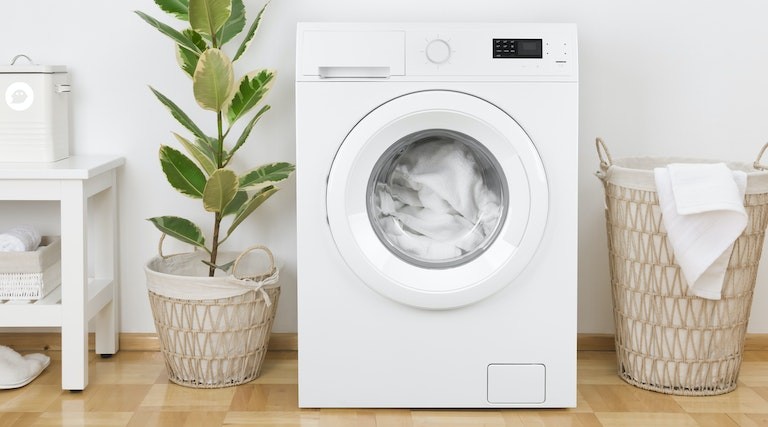
Water leakage from the washing machine door can be a frustrating and messy problem to deal with. Not only does it result in water damage to your floors and walls, but it can also cause the washing machine itself to malfunction. If you’ve been experiencing water leakage from your washing machine door, don’t panic – there are steps you can take to address the issue and prevent further damage.
Tip #1: Check the door seal
The most common cause of water leakage from a washing machine door is a faulty door seal. Over time, the seal may become worn or damaged, allowing water to escape during the wash cycle. To check the door seal, carefully inspect it for any cracks, tears, or signs of wear. If you notice any damage, it’s important to replace the seal as soon as possible.
Tip #2: Clean the door and seal
Another common cause of water leakage is a dirty or obstructed door and seal. Soap scum, lint, and debris can accumulate around the door and prevent it from closing properly, leading to water leakage. To remedy this, regularly clean the door and seal with a mild detergent or vinegar solution. Be sure to remove any debris or obstructions that may be preventing the door from closing tightly.
Tip #3: Level the washing machine
In some cases, water leakage may be caused by an imbalance in the machine itself. If the washing machine is not level, it can cause excessive vibration during the wash cycle, which can lead to water leakage. Use a level to check that the machine is evenly balanced and adjust the feet if necessary. This simple step can help prevent future water leakage.
Tip #4: Call a professional
If you’ve tried these tips and are still experiencing water leakage from your washing machine door, it may be time to call a professional repair service. They will be able to diagnose the root cause of the problem and offer the most effective solution. Don’t ignore water leakage, as it can lead to more serious issues down the line.
In conclusion, water leakage from the washing machine door is a common problem that can be addressed with these simple tips. By checking the door seal, cleaning the door and seal, leveling the machine, and seeking professional help if needed, you can effectively deal with water leakage and prevent further damage to your home and washing machine.
- The Importance of Dealing
- 1. Damage to Your Flooring
- 2. Risk of Electrical Damage
- Dealing with Water Leakage
- Inspect and Clean the Door Seal
- Check the Door Latch and Hinges
- Use the Correct amount of Detergent
- Understanding Washing Machine
- Main Components of a Washing Machine
- Common Causes of Water Leakage from the Door
- Door Leakage
- Possible Causes
- Solutions
- Troubleshooting Common Issues
- Video on the topic
- How to find a water leak on a washing machine
- How to temporarily patch a leaking washing machine front seal
- Washer door leak , what to check
- Answers to frequently asked questions
The Importance of Dealing
Dealing with water leakage from your washing machine door is not something you should ignore. Ignoring this issue can lead to several problems that can have a negative impact on your home and your washing machine itself.
1. Damage to Your Flooring

Water leakage can cause damage to your flooring, especially if it is made of wood or laminate. Prolonged exposure to water can result in warping, discoloration, and even mold growth. These issues can lead to costly repairs or replacement of your flooring.
2. Risk of Electrical Damage
If your washing machine is leaking water near any electrical outlets or appliances, it can pose a serious risk of electrical damage. Water is a conductor of electricity, and if it comes into contact with electrical components, it can cause short circuits, damage to wiring, and even electrical fires.
Furthermore, the risk of electrical damage can extend to your washing machine itself. Water leakage can damage the electrical components in your machine, leading to malfunctions or total failure. This can be a costly repair or replacement expense.
Therefore, it is crucial to address any water leakage from your washing machine door as soon as possible to minimize the risk of electrical damage.
In conclusion, dealing with water leakage from your washing machine door is of utmost importance. Not only can it damage your flooring and pose a risk of electrical damage, but it can also lead to mold growth, unpleasant odors, and potential health hazards. By promptly addressing this issue, you can prevent these problems and ensure the longevity of your washing machine and your home.
Dealing with Water Leakage
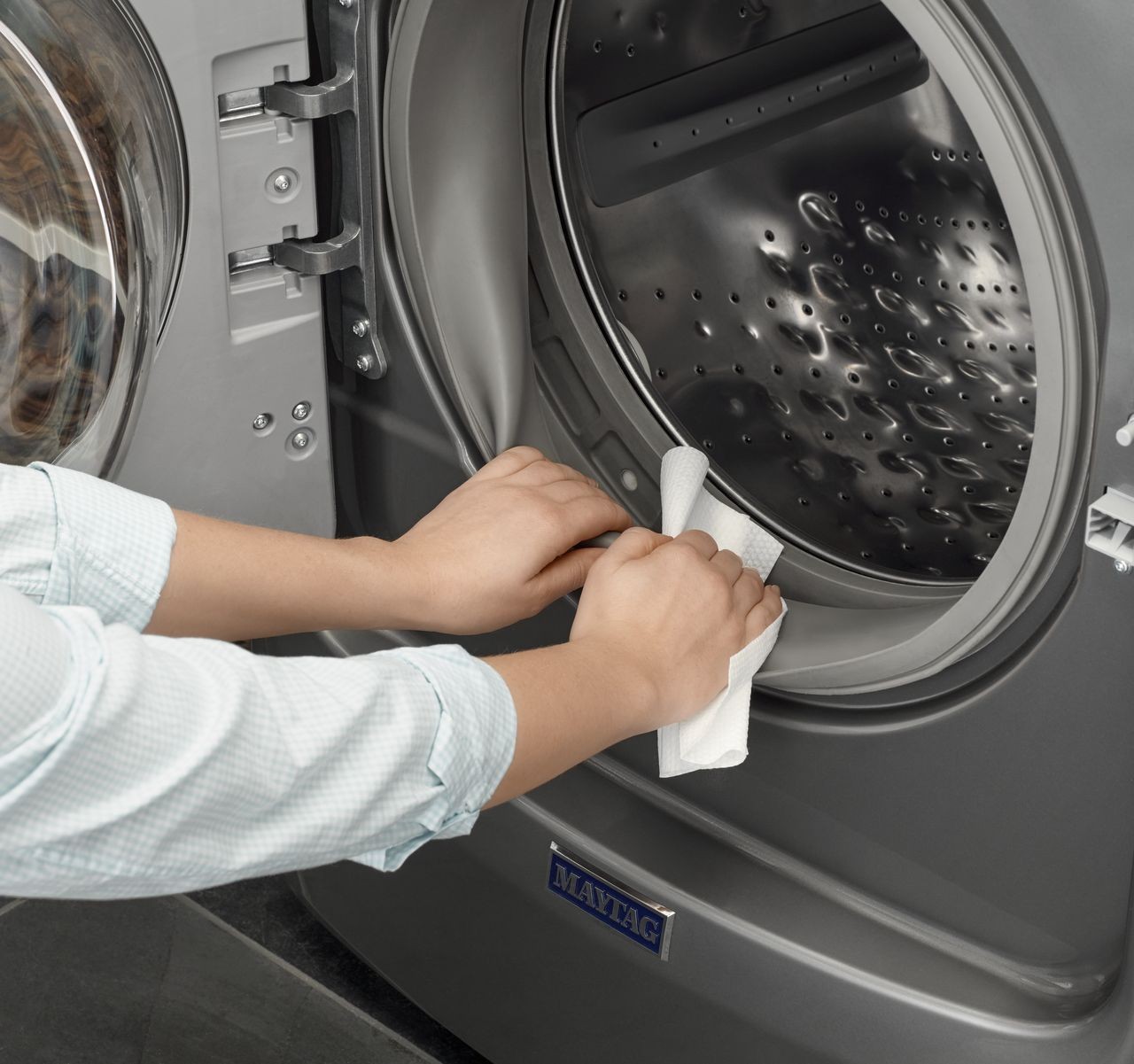
Water leakage from the washing machine door can be a frustrating issue to deal with. Not only does it cause mess and potential water damage, but it can also lead to mold and mildew growth if not addressed promptly. Fortunately, there are several tips and solutions that can help you tackle water leakage and prevent it from happening in the future.
Inspect and Clean the Door Seal

One common cause of water leakage is a faulty or dirty door seal. Over time, dirt, grime, and detergent residue can accumulate on the seal, preventing it from forming a tight seal and causing water to leak out. To resolve this issue, inspect the door seal for any signs of damage or wear. If there are any visible tears or cracks, you might need to replace the seal. Make sure to clean the door seal regularly using a mild detergent and a soft cloth to remove any buildup that may be causing the leakage. This simple maintenance step can go a long way in preventing water leakage.
Check the Door Latch and Hinges

Another possible cause of water leakage is a faulty door latch or hinges. If the door doesn’t close tightly or has misaligned hinges, water can escape through the gaps, resulting in leakage. Inspect the door latch and hinges for any signs of damage or misalignment. If needed, adjust or replace them to ensure a proper seal. It’s also a good idea to lubricate the hinges regularly to keep them functioning smoothly.
Note: Always refer to the manufacturer’s instructions when adjusting or replacing any parts of your washing machine to avoid causing further damage or voiding the warranty.
Use the Correct amount of Detergent
Using too much detergent can create excessive suds, which can cause water to leak out from the door. Follow the manufacturer’s guidelines for the appropriate amount of detergent to use. Using a high-efficiency detergent can also help reduce suds and prevent leakage.
Note: If you notice excessive suds during the washing cycle, restart the cycle and run it without adding any more detergent. This will help rinse out the excess suds and prevent leakage.
By implementing these tips and solutions, you can effectively deal with water leakage from your washing machine door. Remember to perform regular maintenance and seek professional assistance if needed to ensure your washing machine functions properly and efficiently.
Understanding Washing Machine
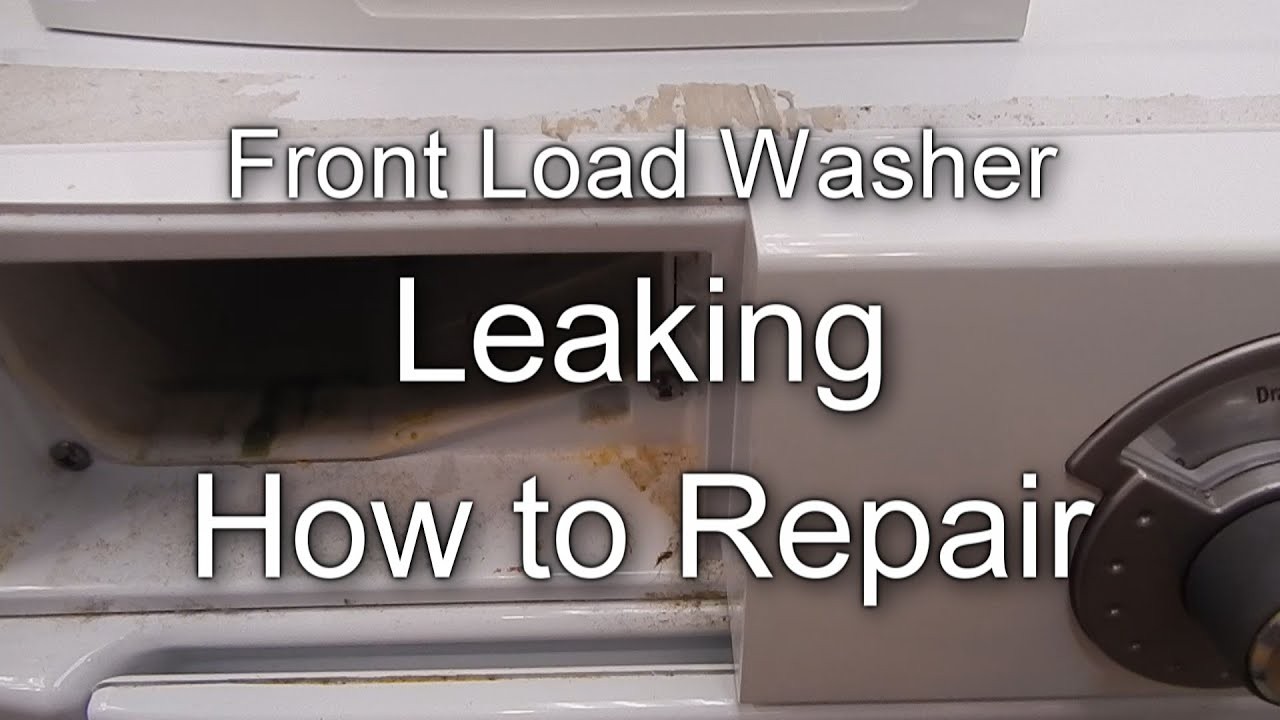
A washing machine is an essential appliance found in almost every household. It is designed to clean and wash clothes quickly and efficiently. Understanding how a washing machine works can help you troubleshoot and fix any issues that may arise, such as water leakage from the door.
Main Components of a Washing Machine
A washing machine consists of several main components that work together to clean your clothes:
| Component | Description |
|---|---|
| Drum | The drum is the inner part of the washing machine where you load your clothes. It rotates during the wash cycle to agitate and clean the clothes. |
| Motor | The motor is responsible for powering the drum’s rotation and controlling the different wash cycles. |
| Pump | The pump helps to drain the water from the washing machine after the wash cycle is complete. |
| Water Inlet Valve | The water inlet valve controls the flow of water into the washing machine. |
| Detergent Dispenser | The detergent dispenser releases detergent or other cleaning agents during the wash cycle. |
| Control Panel | The control panel allows you to select different wash cycles, adjust settings, and start or stop the washing machine. |
Common Causes of Water Leakage from the Door
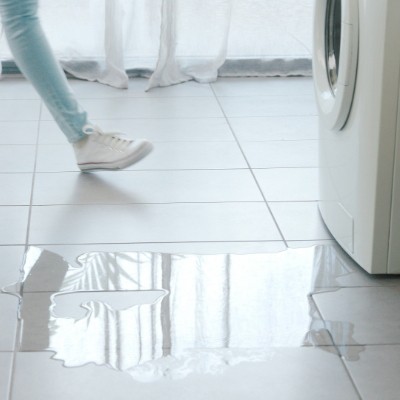
One of the common issues that washing machine owners may face is water leakage from the door. Here are a few possible causes:
- Worn out or damaged door seal/gasket
- Improperly loaded clothes, causing excessive water splashing
- Excessive detergent usage, leading to excessive suds and overflow
- Malfunctioning water inlet valve
- Blocked drainage system
By understanding the components and potential causes of water leakage, you can effectively troubleshoot and address the issue with your washing machine’s door.
Door Leakage
One common issue that homeowners may experience with their washing machine is water leakage from the door. This can be a frustrating problem, as it can lead to water damage and mold growth if left untreated. Fortunately, there are several potential causes and solutions for door leakage that can help you address this issue.
Possible Causes
There are a few possible reasons why your washing machine door may be leaking water:
- Seal damage: The door seal, also known as a gasket or bellow, is designed to create a watertight seal when the door is closed. Over time, the seal may become worn or damaged, leading to leaks.
- Incorrect installation: If the washing machine door was not installed properly or the seal was not fitted correctly, it could result in water leakage.
- Excessive detergent: Using too much detergent or the wrong type of detergent can cause excessive suds, which can lead to leaks around the door.
Solutions
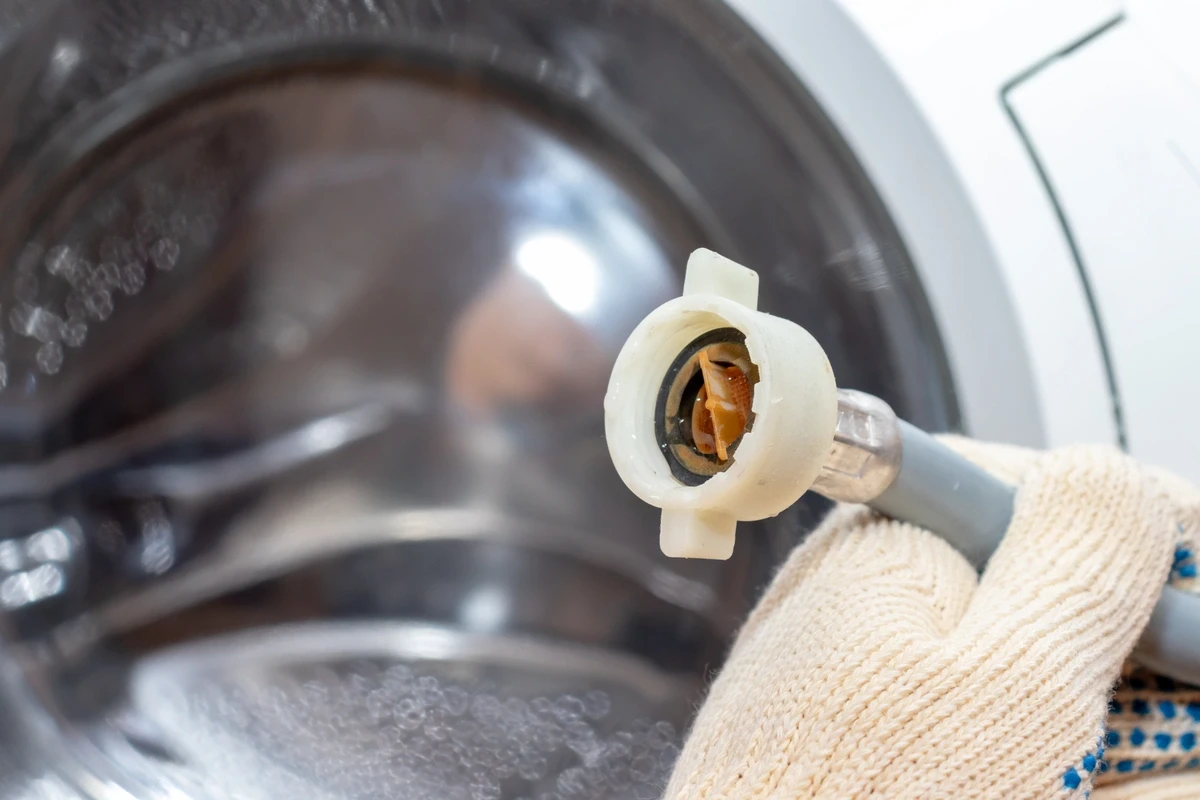
If you notice water leaking from the door of your washing machine, here are some possible solutions to consider:
- Inspect the door seal: Check the door seal for any signs of damage, such as cracks or tears. If you find any issues, replace the seal to create a proper seal and prevent further leakage.
- Ensure proper installation: If you suspect that the door was not installed correctly, refer to the manufacturer’s instructions or contact a professional to properly install or reposition the door and seal.
- Adjust detergent usage: Review the detergent instructions and use the recommended amount. Avoid using excessive detergent, as this can lead to excessive suds and leaks.
Regular maintenance and cleaning of the door seal can also help prevent leaks. Wiping down the seal after each use, removing any dirt or debris, and keeping it free from mold and mildew can prolong its lifespan and maintain its effectiveness in creating a watertight seal.
If you have tried these solutions and the door leakage continues, it may be necessary to contact a professional technician to inspect and repair your washing machine.
Troubleshooting Common Issues
Dealing with water leakage from the washing machine door can be frustrating, but before calling a professional, there are a few common issues you can troubleshoot yourself. Here are some tips to help you identify and fix the problem:
1. Check the door seal: Over time, the rubber seal around the washing machine door can wear out or become damaged, causing leaks. Inspect the seal for any cracks, tears, or signs of wear. If you notice any damage, it may need to be replaced.
2. Clean the door seal: Sometimes, debris and gunk can accumulate on the door seal, preventing it from creating a tight seal. Use a damp cloth or sponge to clean the seal thoroughly, making sure to remove any dirt, detergent residue, or mold. This can help prevent future leaks.
3. Level the washing machine: If your washing machine is not level, it can cause water to leak from the door. Use a level tool to check if the machine is sitting evenly on the floor. If it’s not, adjust the leveling feet until it is balanced. This should help prevent leaks.
4. Check the detergent dispenser: Excessive detergent or fabric softener can overflow from the dispenser and leak down the front of the washing machine. Make sure you’re using the correct amount of detergent and that the dispenser is not clogged. Clean it out if necessary.
5. Inspect the door latch: The door latch is responsible for securely closing and sealing the washing machine door. If the latch is broken or not properly aligned, it can cause leaks. Check the latch for any signs of damage and ensure it is properly aligned. Replace it if necessary.
6. Examine the door glass: The door glass can crack or shatter, leading to water leakage. Carefully inspect the glass for any chips, cracks, or other damage. If you notice any issues, you may need to replace the door glass.
If you have tried these troubleshooting tips and are still experiencing water leakage from the washing machine door, it may be time to seek professional assistance. A qualified technician will be able to diagnose and repair any underlying issues with your washing machine to prevent further leaks.
Remember, safety is important when troubleshooting any appliance. Always unplug the washing machine or turn off the power before attempting any repairs or inspections.
Video on the topic
How to find a water leak on a washing machine
How to temporarily patch a leaking washing machine front seal
Washer door leak , what to check
Answers to frequently asked questions
Read more practical tips and expert opinions about modern devices at appliances-news.com. Here you will find answers to questions about any technology.