Having a washing machine at home is a convenient and time-saving appliance. However, sometimes the drain hose that comes with it might be too short for your needs. In such cases, it becomes necessary to extend the drain hose to ensure proper drainage and avoid any potential water damage.
Extending your washing machine drain hose might seem like a daunting task, but with a few simple steps, you can do it yourself without the need for professional help. All you need are some basic tools and a little bit of time.
The first step is to determine the length of the extension you need. Measure the distance between the current drain outlet and the desired location for the drain hose to reach. Make sure to add a few extra inches for flexibility. Once you have the measurement, you can proceed to gather the necessary materials.
Here’s a list of materials you’ll need:
- Extension hose
- Hose clamp
- Pipe adapter
- Teflon tape
In the following steps, we’ll guide you through the process of extending your washing machine drain hose. Remember to turn off the water supply and unplug your washing machine before starting any work to ensure your safety.
Please note: This guide might not be suitable for all types of washing machines or drain setups. Always refer to the manufacturer’s instructions or consult a professional if you are unsure about your specific situation.
- Why You Should Extend Your Washing Machine Drain Hose
- 1. Improved Flexibility
- 2. Prevents Clogs and Backups
- 3. Avoids Water Damage
- 4. Easier Maintenance and Cleaning
- Prevent Water Damage
- Increase Flexibility
- Improve Drainage
- 1. Check the Position of the Hose
- 2. Clean the Drainage Path
- 3. Use a Hose Extension
- 4. Elevate the Drain Hose
- Video on the topic
- How To Change A Washing Machine Drain Hose (EASY!)
- Washing Machine Drain Hose – How to Extend (LG Front Load)
- How To: Whirlpool/KitchenAid/Maytag Drain Hose Extension Kit DRNEXT4
- How To Pressure Wash A Concrete Driveway
- Answers to frequently asked questions
Why You Should Extend Your Washing Machine Drain Hose

Extending your washing machine drain hose is a simple yet essential step that can prevent a lot of hassle and potential damage in the long run. Here are a few reasons why you should consider extending your washing machine drain hose:
1. Improved Flexibility
Having a longer drain hose allows you to position your washing machine in a more convenient and accessible location. This can be especially helpful if you need to move or rearrange your laundry area. By extending the drain hose, you have more flexibility in choosing the location of your washing machine.
2. Prevents Clogs and Backups

Installing an extended drain hose helps to prevent clogs and backups in your plumbing system. If the drain hose is too short, it can easily become kinked or blocked, causing water to back up into the washing machine or even overflow onto your floors. By extending the hose, you ensure that water can flow freely and prevent potential damage and costly repairs.
3. Avoids Water Damage

A longer drain hose can help prevent water damage to your home. If the washing machine is located in a basement or upper floor, a longer drain hose can reach a nearby drainage point, reducing the risk of leaks and spills. This is especially important if your washing machine is on a higher level than the main drain.
4. Easier Maintenance and Cleaning

Extending the drain hose makes it easier to access and maintain your washing machine. With a longer hose, you can easily detach and clean the hose, check for any blockages, or replace it if needed. This helps to keep your washing machine running smoothly and efficiently.
Overall, extending your washing machine drain hose is a simple preventative measure that can save you from potential headaches and costly repairs. By providing flexibility, preventing clogs and backups, avoiding water damage, and facilitating maintenance, an extended drain hose is a worthwhile investment for any laundry area.
Prevent Water Damage

Water damage can be a costly and frustrating problem to deal with. By taking a few preventative measures, you can help protect your home from water damage and avoid the headaches that come with it.
Here are some tips to help prevent water damage:
| 1. Regularly inspect your washing machine | Check for any signs of leaks or damage to the hoses and connections. Replace any worn-out hoses or faulty parts immediately. |
| 2. Install a drain pan | Place a drain pan under your washing machine to catch any water that may leak. This can help prevent water from seeping into your floors and causing damage. |
| 3. Clean your washing machine’s drain hose | Regularly remove any debris or clogs from the drain hose to ensure proper drainage. This will help prevent water from backing up and overflowing. |
| 4. Use a washing machine lint trap | Install a lint trap on your washing machine drain hose to catch lint and debris. This will prevent clogs and blockages that can lead to water backup. |
| 5. Avoid overloading your washing machine | Overloading your washing machine can cause it to become unbalanced and result in leaks or damage. Follow the manufacturer’s instructions for load capacity. |
| 6. Shut off the water supply | If you’re going on vacation or leaving your home for an extended period, consider shutting off the water supply to your washing machine. This will minimize the risk of any leaks or water damage. |
By following these simple steps, you can help prevent water damage and keep your home safe and dry. Remember to always stay vigilant and address any issues with your washing machine promptly to avoid any potential problems.
Increase Flexibility

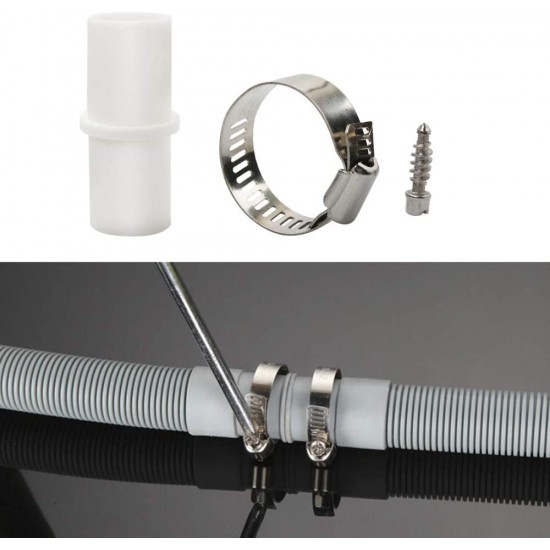
One way to extend the flexibility of your washing machine drain hose is by using a hose extension. This is a simple and cost-effective solution that allows you to easily move your washing machine to different areas of your laundry room or even to a different part of your home.
First, measure the length of the existing drain hose to determine how much extension you will need. Then, purchase a hose extension that is the appropriate length. Make sure to choose an extension that is compatible with your specific washing machine model.
Once you have the extension, disconnect the existing drain hose from the washing machine. Next, attach one end of the extension to the machine, making sure it is securely fastened. Then, connect the other end of the extension to the existing drain pipe or standpipe.
It’s important to ensure that all connections are tight and secure to avoid any leaks or water damage. You can use hose clamps or zip ties to further secure the connections. Once everything is attached, turn on your washing machine and test the drain hose to make sure water flows freely through the extension and into the drain.
By using a hose extension, you’ll have the flexibility to easily move and position your washing machine without having to worry about the location of the drain pipe. This can be particularly useful if you’re remodeling your laundry room or if you frequently move your washing machine between different rooms or areas of your home.
Remember, always follow the manufacturer’s instructions and guidelines when working with your washing machine’s drain system. If you’re unsure about any steps or if you encounter any issues, it’s best to consult a professional plumber to ensure the job is done safely and correctly.
Improve Drainage
Improving the drainage of your washing machine is essential to prevent water damage and ensure efficient operation. Here are some simple steps to improve the drainage of your washing machine drain hose.
1. Check the Position of the Hose
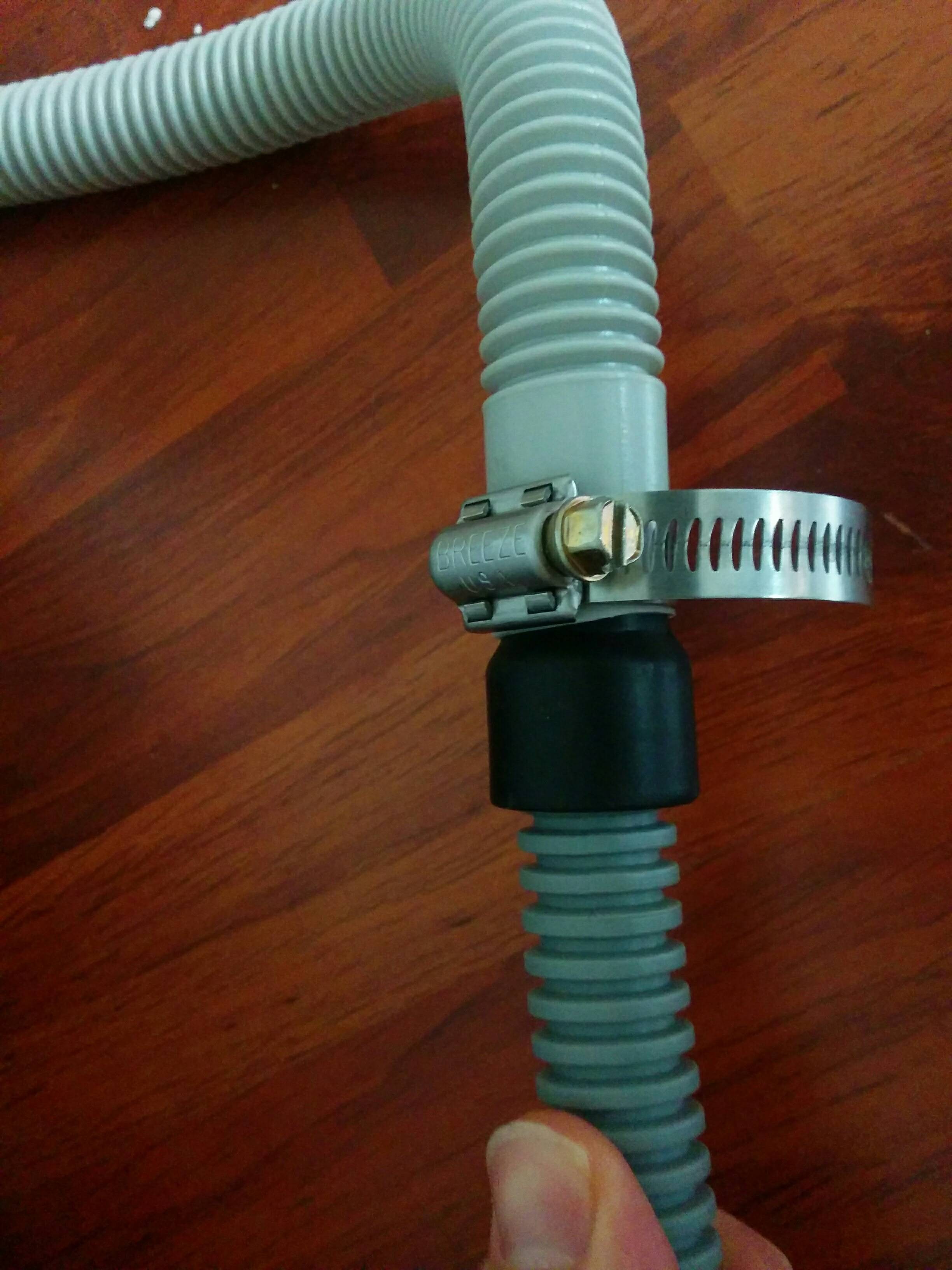
First, check the position of the drain hose. Make sure it is not bent, kinked, or twisted, as this can restrict the flow of water and lead to drainage problems. Straighten the hose if necessary to allow for a smooth and uninterrupted flow of water.
2. Clean the Drainage Path
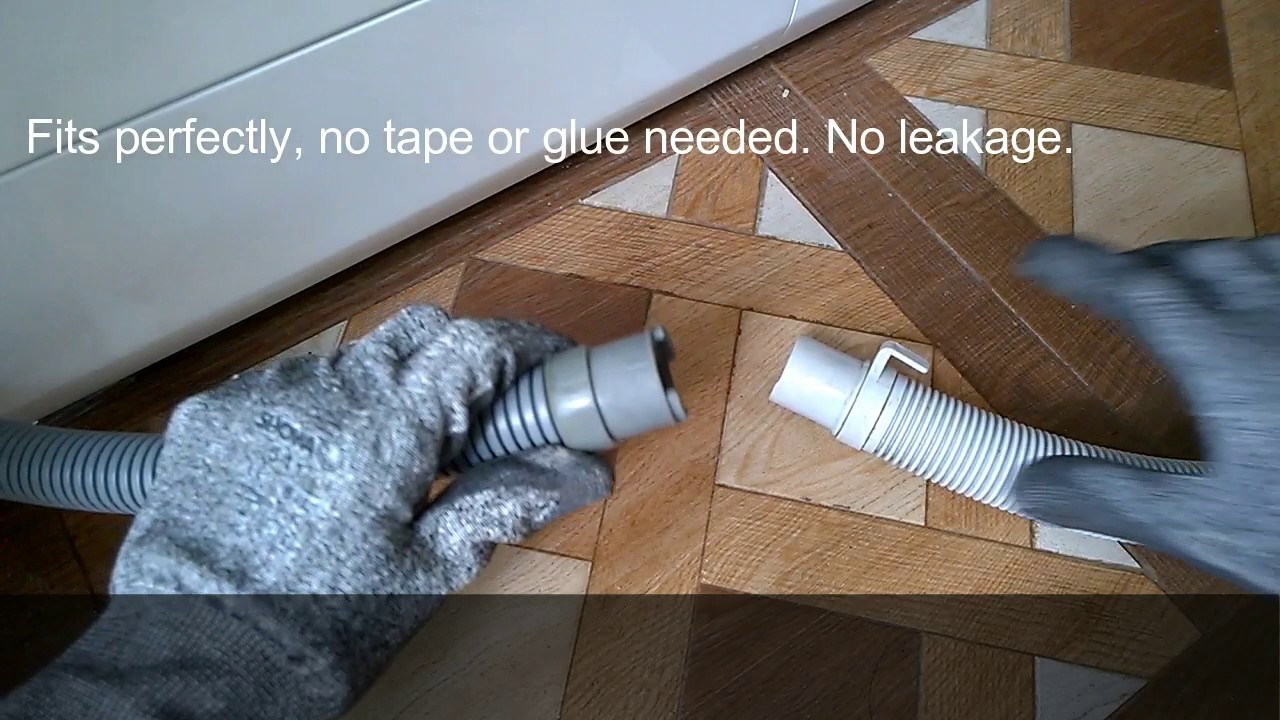
Over time, dirt, lint, and debris can accumulate in the drainage path, causing blockages and slowing down the water flow. To improve drainage, remove any clogs by using a plumber’s snake or a long flexible brush to clear out the debris from the drain pipe. Regularly cleaning the drainage path is important to maintain optimal water flow.
3. Use a Hose Extension
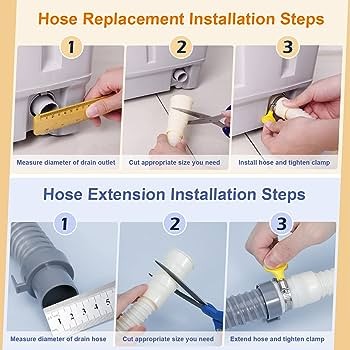
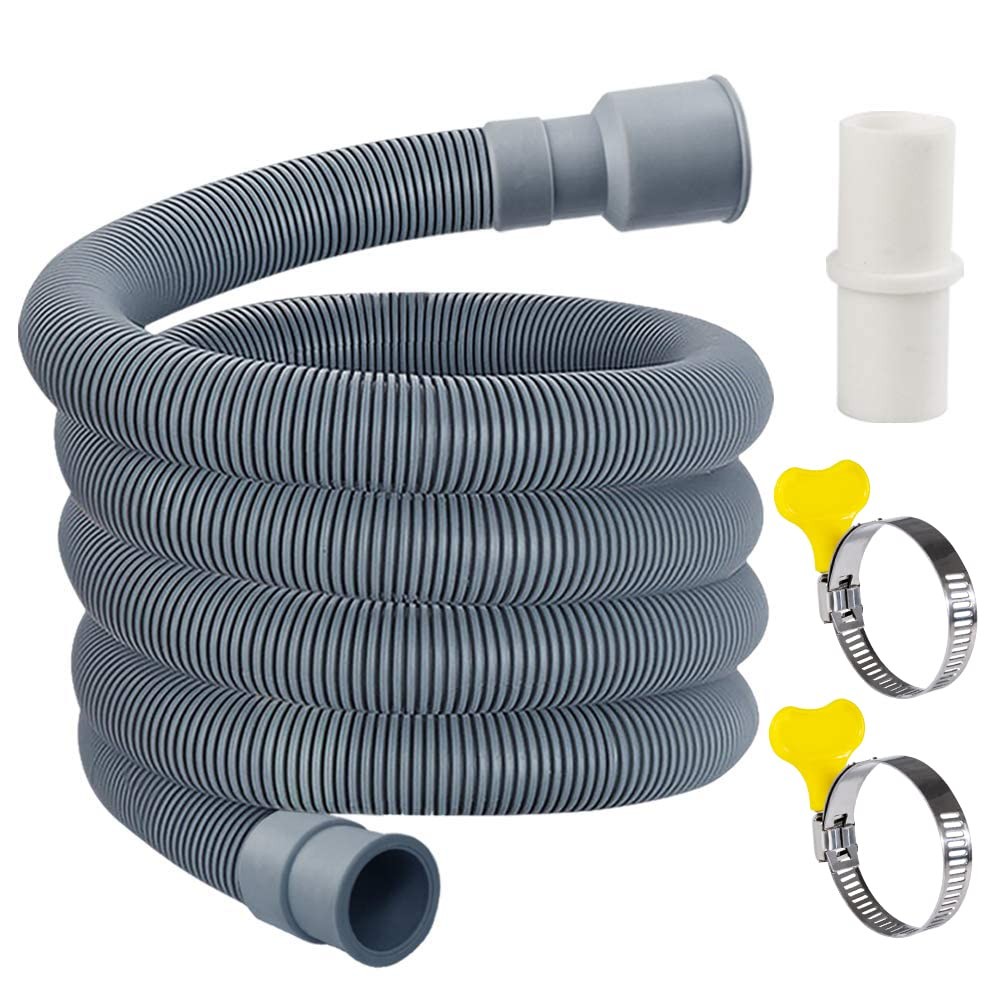
If your washing machine is located far from the drain, consider using a hose extension to improve drainage. A hose extension can help to extend the reach of your drain hose, allowing the water to flow more easily into the drain pipe. Be sure to choose a high-quality extension hose that is compatible with your washing machine.
- Measure the distance from your washing machine to the drain.
- Purchase a hose extension that is long enough to reach the drain.
- Detach the existing drain hose from the washing machine.
- Attach one end of the hose extension to the washing machine.
- Connect the other end of the extension hose to the existing drain pipe.
- Secure the connections tightly to prevent any leaks.
By using a hose extension, you can ensure that the water from your washing machine drains properly and efficiently.
4. Elevate the Drain Hose

Another way to improve drainage is to elevate the drain hose. If the hose is lying on the floor or too low, it can cause water to backflow and create drainage issues. To avoid this problem, elevate the drain hose and secure it in place. You can use zip ties or hooks to attach the hose to a nearby wall or the back of the washing machine.
Remember to leave a slight incline in the hose, allowing the water to flow downwards towards the drain. This will ensure that the drain hose works effectively and prevents any potential water damage caused by poor drainage.
These simple steps can greatly improve the drainage of your washing machine and maintain its optimal performance. By following these tips, you can prevent drainage problems and ensure that your washing machine functions efficiently for years to come.
Video on the topic
How To Change A Washing Machine Drain Hose (EASY!)
Washing Machine Drain Hose – How to Extend (LG Front Load)
How To: Whirlpool/KitchenAid/Maytag Drain Hose Extension Kit DRNEXT4
How To Pressure Wash A Concrete Driveway
Answers to frequently asked questions
Read more practical tips and expert opinions about modern devices at appliances-news.com. Here you will find answers to questions about any technology.