Temperature sensors are crucial devices used in various applications to measure and monitor temperature. Whether you are working on a home appliance, automotive system, or industrial equipment, knowing how to check the temperature sensor is important for troubleshooting and maintenance.
In this article, we will discuss some tips and methods for checking the temperature sensor to ensure its accuracy and functionality.
One of the simplest ways to check a temperature sensor is by using a multimeter. Start by disconnecting the sensor from the circuit and setting your multimeter to the resistance mode. Touch the multimeter’s probes to the sensor’s terminals and observe the resistance reading. Compare this reading to the sensor’s specifications to determine if it is within the acceptable range.
Another method to verify the temperature sensor is by using an infrared thermometer. Point the thermometer towards the sensor and check if the temperature reading matches your expectations. Make sure to consider the surrounding environment and any heat sources that might affect the accuracy of the measurement.
In addition to these direct measurement methods, you can also test the temperature sensor through the associated circuit. Check for any loose or corroded connections, damaged wires, or faulty components that can cause inaccurate temperature readings. You can also use an oscilloscope to analyze the waveform and voltage output of the sensor.
In conclusion, checking the temperature sensor is crucial for maintaining the performance and reliability of various systems. By using methods such as multimeter resistance measurement, infrared thermometer checking, and circuit analysis, you can ensure the accurate functioning of the temperature sensor and identify any potential issues.
- What is a Temperature Sensor?
- 1. Thermocouples
- 2. Resistance Temperature Detectors (RTDs)
- 3. Thermistors
- Types of Temperature Sensors
- Why Check the Temperature Sensor?
- Signs of a Faulty Temperature Sensor
- Methods to Check the Temperature Sensor
- Tips for Checking the Temperature Sensor
- Video on the topic
- How to test a coolant temperature sensor (ECT sensor test)
- Answers to frequently asked questions
What is a Temperature Sensor?

A temperature sensor is a device that measures the temperature of an object or the surrounding environment. It converts temperature into an electrical signal, which can be read and interpreted by a computer or other devices. Temperature sensors are used in a wide range of applications, including weather monitoring, HVAC (heating, ventilation, and air conditioning) systems, industrial processes, medical equipment, and consumer electronics.
Temperature sensors come in various types and technologies. Some of the common types include:
1. Thermocouples
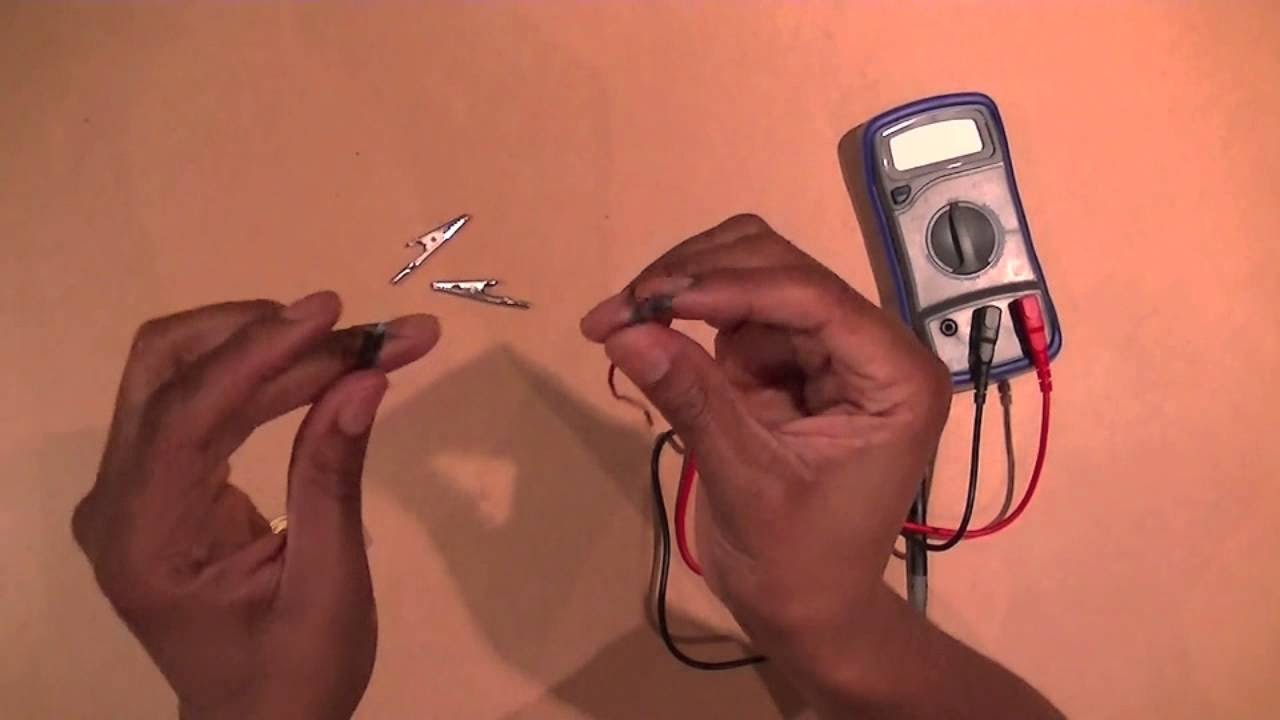
Thermocouples consist of two dissimilar metals joined together. They generate a voltage proportional to the temperature difference between two junctions. Thermocouples are durable, have a wide temperature range, and can be used in harsh environments.
2. Resistance Temperature Detectors (RTDs)
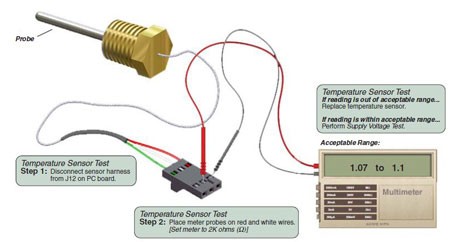
RTDs are temperature sensors made of pure metal elements, such as platinum. They rely on the principle that electrical resistance of most materials changes with temperature. RTDs provide high accuracy and stability over a wide temperature range.
3. Thermistors
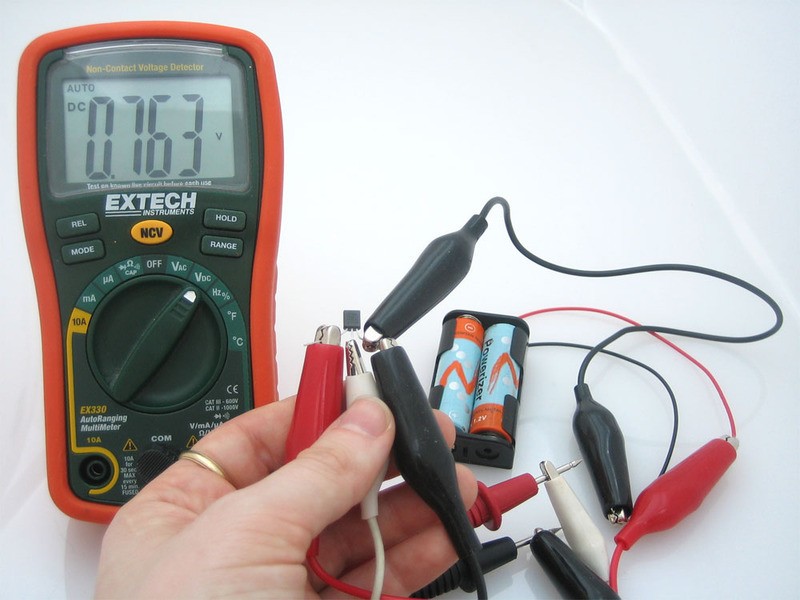
Thermistors are temperature sensors that utilize the change in electrical resistance with temperature. They are made of ceramic or polymer materials and have a high sensitivity to temperature changes. Thermistors are commonly used in applications where a high level of precision is not required.
Temperature sensors are essential for maintaining optimal conditions in various systems. They enable precise control over temperature, ensuring the safety, efficiency, and performance of equipment and processes. Whether it’s for monitoring the temperature of a room, a heating system, or a sophisticated industrial process, temperature sensors play a crucial role in countless applications.
Types of Temperature Sensors

Temperature sensors are devices that measure and detect changes in temperature. There are various types of temperature sensors available, each with its own unique features and applications. Here are some common types:
| Sensor Type | Description | Applications |
|---|---|---|
| Thermocouples | Consist of two different metals joined together to create a temperature-dependent voltage. They can measure a wide range of temperatures and are commonly used in industrial applications. | Industrial processes, HVAC systems, power generation |
| Resistance Temperature Detectors (RTDs) | Use the change in electrical resistance of metals, such as platinum, with temperature. They provide accurate and stable measurements but are more expensive than other types. | Laboratories, pharmaceuticals, food processing |
| Thermistors | Are made of semiconductor materials with resistance that changes significantly with temperature. They are small, inexpensive, and commonly used in consumer electronics. | Home appliances, automotive, temperature control systems |
| Infrared (IR) Temperature Sensors | Detect temperature by measuring the infrared radiation emitted by objects. They can be contact or non-contact sensors and are used in various applications. | Medical devices, thermal imaging, process control |
Choosing the right type of temperature sensor depends on the specific requirements of the application, such as the temperature range, accuracy, response time, and cost. It is important to consider these factors when selecting a temperature sensor for a particular use.
Why Check the Temperature Sensor?
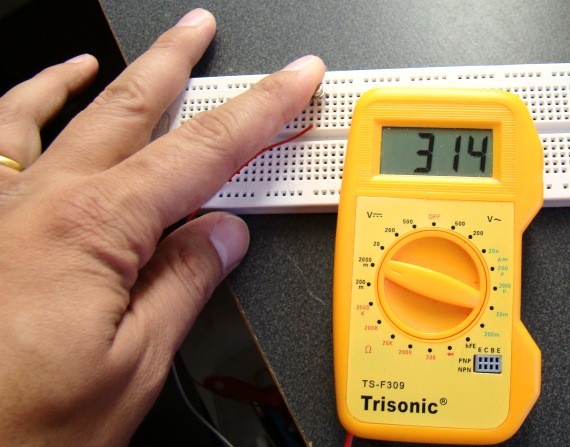
The temperature sensor is an important component in various devices and systems. It allows us to measure and monitor the temperature in different environments, such as homes, offices, and cars. Checking the temperature sensor is crucial for several reasons:
1. Accurate temperature control: A malfunctioning temperature sensor can lead to inaccurate temperature readings, which can in turn result in improper cooling or heating. Checking the temperature sensor ensures that your device or system is operating at the desired temperature range.
2. Energy efficiency: By accurately measuring the temperature, the temperature sensor helps optimize energy usage. If the sensor is not functioning correctly, it can cause the system to work harder than necessary, consuming more energy and increasing utility bills. Regularly checking the temperature sensor ensures energy efficiency.
3. Preventing equipment damage: In many industrial and manufacturing processes, maintaining the correct temperature is essential for the proper functioning of machinery and equipment. A faulty temperature sensor can result in overheating or undercooling, potentially leading to equipment damage or even failure. Checking the temperature sensor helps prevent costly repairs or replacements.
4. Ensuring safety: Some environments, such as laboratories or medical facilities, require strict temperature control to ensure the safety of personnel and products. Failure to check the temperature sensor can compromise these safety measures and expose individuals to potential risks.
5. Early detection of issues: Regularly checking the temperature sensor allows you to identify any abnormalities or inconsistencies in temperature readings. This early detection can help pinpoint and address potential issues before they develop into more significant problems.
Overall, checking the temperature sensor is essential for maintaining proper temperature control, energy efficiency, preventing equipment damage, ensuring safety, and detecting issues early on. It is a vital step in ensuring the reliable and optimal performance of devices and systems.
Signs of a Faulty Temperature Sensor
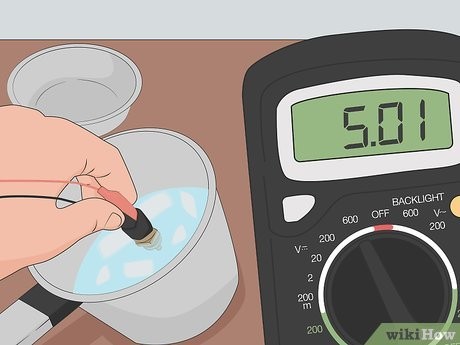
A temperature sensor is an essential component in various devices and systems. It helps monitor and control temperature levels, ensuring optimal operation. However, like any electronic component, temperature sensors can fail over time. Here are some signs that might indicate a faulty temperature sensor:
| Sign | Description |
|---|---|
| Inaccurate readings | If the temperature sensor consistently provides incorrect readings that do not correspond to the actual temperature, it is likely to be faulty. |
| No readings | A temperature sensor that does not provide any readings or displays a zero value even when the temperature is known to be present could be faulty. |
| Temperature fluctuations | If the temperature sensor reads rapidly fluctuating temperatures or jumps between extreme values, it may indicate a malfunction. |
| Slow response time | A temperature sensor that takes an unusually long time to respond or display temperature changes may have a faulty sensor element or connection. |
| Overheating or damage | If the temperature sensor is physically damaged, shows signs of overheating, or has visible signs of corrosion or wear, it is likely to be faulty. |
| System errors | A malfunctioning temperature sensor can cause system errors, such as erratic behavior or shutdowns, in devices or systems that rely on accurate temperature readings. |
If you observe any of these signs, it is recommended to check or replace the temperature sensor to ensure proper functioning of the device or system.
Methods to Check the Temperature Sensor
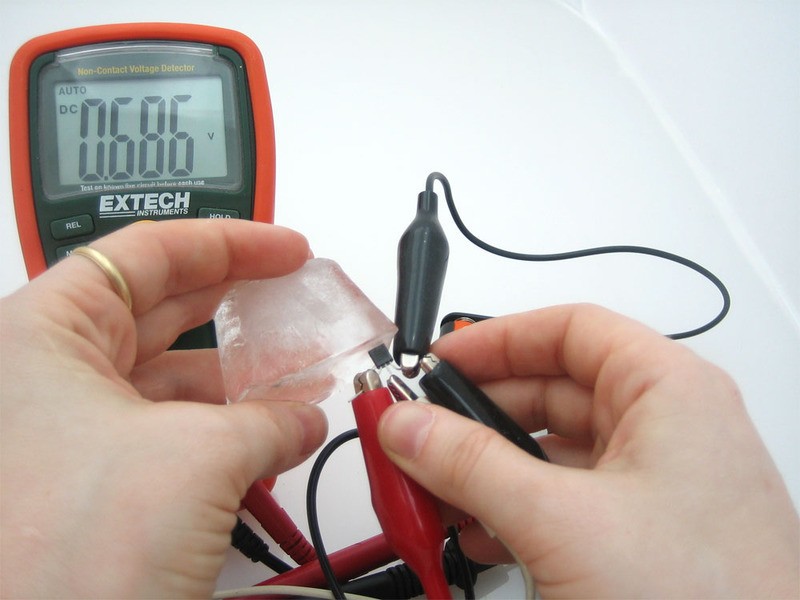
Checking the temperature sensor in your device is essential to ensure accurate temperature readings and proper functioning. Here are some methods you can follow to verify the performance of the temperature sensor:
1. Using a Thermometer: This method involves comparing the temperature readings obtained from the device’s sensor with the readings from a known and calibrated thermometer. Start by placing the thermometer and the sensor in the same environment. Wait for a few minutes to allow them to stabilize, and then compare the readings. If there is a significant difference between the two measurements, it indicates that the sensor may be faulty.
2. Conducting a Boiling Water Test: Fill a pot with water and bring it to a boil. Carefully dip the temperature sensor into the boiling water and observe the readings. The sensor should detect a temperature close to 100 degrees Celsius or 212 degrees Fahrenheit, depending on the boiling point at your location. If the readings deviate significantly, it could indicate a problem with the temperature sensor.
3. Using an Infrared Thermometer: An infrared thermometer is a non-contact device that measures temperature by detecting the infrared radiation emitted by an object. Point the infrared thermometer towards the temperature sensor and take the reading. Compare it with the reading displayed by the sensor. If there is a considerable difference, it suggests that the sensor might need calibration or replacement.
4. Checking Resistance Values: Some temperature sensors are based on resistance, such as thermistors. To check a resistance-based sensor, disconnect it from the circuit and use a multimeter to measure its resistance. Compare the measured resistance with the values specified in the sensor’s datasheet. If the resistance deviates significantly, there may be an issue with the sensor.
5. Consulting the Manufacturer: If you are unsure about how to check the temperature sensor or suspect a problem, it is advisable to consult the manufacturer’s documentation or contact their technical support. They can provide specific guidance and troubleshooting steps for your particular device and sensor.
By following these methods, you can effectively assess the performance of your temperature sensor and take necessary action, such as calibration or replacement, if required.
Tips for Checking the Temperature Sensor

Here are some tips to help you check the temperature sensor:
- Ensure that the power is off before checking the temperature sensor.
- Inspect the wiring connections to the temperature sensor and make sure they are secure.
- Use a multimeter to test the resistance of the temperature sensor. The resistance should change as the temperature changes.
- If the resistance readings are not within the specified range, consider replacing the temperature sensor.
- Clean the temperature sensor if it is dirty or covered in debris. Dirt or debris can affect the accuracy of the readings.
- Check the surrounding environment for any factors that could affect the temperature reading, such as heat sources or drafts.
- If possible, compare the temperature reading from the sensor with another known accurate temperature source to verify its accuracy.
- If all else fails, consult the manufacturer’s documentation or contact a professional for assistance.
By following these tips, you can ensure that your temperature sensor is functioning properly and providing accurate readings. Regular maintenance and checks can help prevent any issues and ensure the sensor’s reliability.
Video on the topic
How to test a coolant temperature sensor (ECT sensor test)
Answers to frequently asked questions
Read more practical tips and expert opinions about modern devices at appliances-news.com. Here you will find answers to questions about any technology.