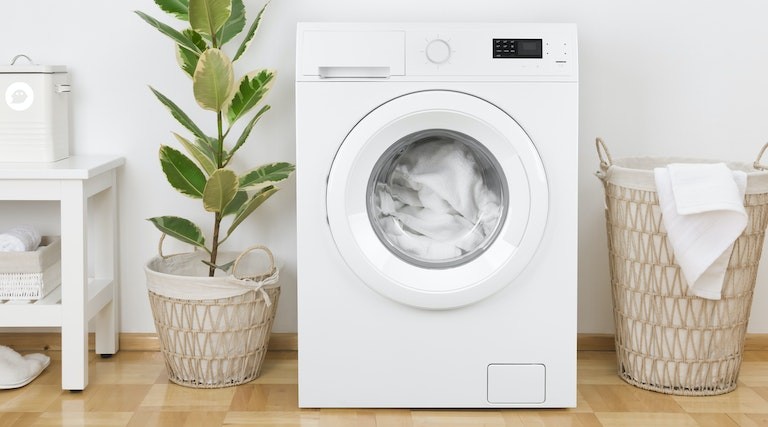
When it comes to conserving water, one area that often gets overlooked is our laundry habits. Many of us don’t realize the significant amount of water that is wasted every time we run our washing machines. Understanding the water consumption of your washing machine is the first step towards making more sustainable choices and reducing your environmental footprint.
On average, traditional top-loading washing machines use about 40-45 gallons of water per load, while high-efficiency front-loading machines use only about 15-25 gallons. This means that by switching to a front-loading machine, you can potentially save up to 20 gallons of water per load. Considering the fact that an average household does about 300 loads of laundry per year, this can add up to significant water savings.
It’s not just the type of machine that affects water consumption, but also the size of the load and the water level setting. Running smaller loads or adjusting the water level to match the size of the load can further reduce water usage. Additionally, opting for shorter wash cycles and using cold water whenever possible can also contribute to water conservation.
By understanding the water consumption of your washing machine and implementing small changes in your laundry routine, you can make a big difference in conserving water. Not only will you be saving a valuable resource, but you’ll also be saving money on your water bills. So, let’s all take a closer look at our washing machine habits and do our part to protect our planet’s most precious resource.
- The Importance of Monitoring Water Usage
- Why understanding water consumption is crucial
- Factors Affecting Water Consumption
- Influence of washing machine technology
- Effect of load size on water usage
- Impact of washing machine settings
- Water temperature
- Load size
- Video on the topic
- Washing Machine Quick Washes v’s Eco Washes
- Answers to frequently asked questions
The Importance of Monitoring Water Usage
Monitoring water usage is crucial for both the environment and your wallet. By being aware of how much water your washing machine consumes, you can take steps to reduce its impact.
Firstly, monitoring water usage helps to conserve this precious resource. Water is not an unlimited commodity, and wasting it can have detrimental effects on the environment. By keeping track of how much water your washing machine uses, you can make informed decisions about when and how to do your laundry. For example, you might choose to wait until you have a full load before running the machine, therefore maximizing its efficiency. Small changes like this can add up and make a significant difference in water conservation.
Secondly, monitoring water usage can help you save money on your utility bills. Water is not free, and every gallon that goes down the drain is costing you money. By understanding how much water your washing machine uses, you can find ways to reduce this amount. For instance, you might consider purchasing a more water-efficient machine or adjusting the settings on your current machine to use less water. These small changes can translate into significant savings over time.
Lastly, monitoring water usage promotes a conscious and responsible mindset towards water consumption. Being aware of the impact your actions have on the environment can encourage you to make more sustainable choices in other areas of your life as well. By taking steps to reduce water usage, you become an active participant in preserving this vital resource for future generations.
In conclusion, monitoring water usage is essential for both environmental and financial reasons. By understanding how much water your washing machine consumes and taking steps to reduce its usage, you can contribute to water conservation efforts, save money on your bills, and develop a more responsible attitude towards resource consumption.
Why understanding water consumption is crucial
Understanding the water consumption of your washing machine is crucial for several reasons.
1. Conservation of water: Water is a precious resource, and understanding how much water your washing machine uses can help you conserve it. By knowing the water consumption, you can make informed decisions about when and how often to run your machine, as well as how to load it optimally to minimize water waste.
2. Reduction of utility bills: Water usage contributes to your overall utility bills. By understanding the water consumption of your washing machine, you can estimate how much water it uses per cycle and plan your laundry schedule accordingly. This can help you save money by avoiding peak usage times or running partial loads when necessary.
3. Environmental impact: Excessive water consumption has a significant impact on the environment. By understanding your washing machine’s water usage, you can assess the sustainability of your laundry habits and make adjustments to reduce your environmental footprint. Conserving water helps preserve ecosystems, supports wildlife, and reduces energy consumption associated with water treatment and transportation.
Overall, understanding water consumption is crucial for responsible water usage, cost savings, and environmental sustainability.
Factors Affecting Water Consumption
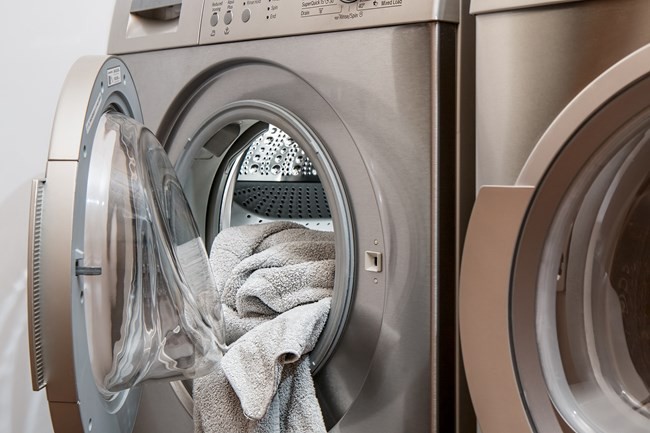
There are several factors that can affect the water consumption of your washing machine:
1. Washer Capacity: The size and capacity of your washing machine play a significant role in determining the amount of water it uses. Larger machines often require more water to accommodate larger loads.
2. Water Level Settings: Most modern washing machines have water level settings that allow users to select the amount of water used for different load sizes. Using the correct water level setting can help optimize water usage.
3. Type of Fabric: Different types of fabrics may require different washing cycles, which can affect the amount of water used. Delicate fabrics may require more water for a gentler wash, while heavier fabrics may need less water for a more efficient clean.
4. Soil Level: The level of dirt and stains on your laundry can also impact water consumption. Heavier soiled clothes may require more water to effectively remove dirt, while lightly soiled items may need less water.
5. Age and Efficiency of the Machine: Older washing machines or those with lower energy efficiency ratings may use more water compared to newer, more energy-efficient models. Upgrading to a newer, more efficient machine can help reduce water consumption.
6. Water Pressure: The water pressure in your home can also affect water usage. Higher water pressure may lead to increased water consumption, while lower water pressure can result in reduced water usage.
By considering these factors and making adjustments where possible, you can optimize the water consumption of your washing machine and contribute to water conservation efforts.
Influence of washing machine technology
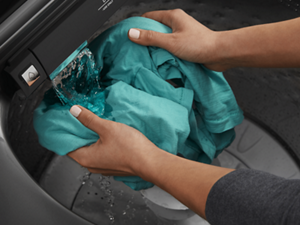
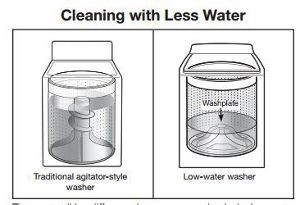
The technology used in washing machines can have a significant impact on water consumption. Older, traditional agitator-style washing machines tend to use more water compared to newer high-efficiency models.
Traditional agitator-style washing machines typically have a large drum that fills up with water during each cycle. This results in a higher water consumption rate, as the machine needs to fill the drum to a certain level to adequately clean the clothes. Additionally, these machines also require more water for rinsing the clothes, further increasing their water consumption.
On the other hand, high-efficiency washing machines use various technologies to reduce water usage. These technologies include:
- Load sensing: High-efficiency machines can sense the size of the load and adjust the water level accordingly. This ensures that no excess water is used, leading to water savings.
- Horizontal-axis drum design: Unlike traditional machines, high-efficiency machines have a horizontal-axis drum design. This allows them to use less water while still maintaining effective cleaning results. The clothes are tumbled through water as opposed to being fully submerged, reducing the water requirement.
- Recirculation systems: Some high-efficiency machines have recirculation systems that reuse the water from previous cycles. This further reduces water consumption by eliminating the need for fresh water in subsequent cycles.
Overall, the adoption of high-efficiency washing machines can have a significant positive impact on water conservation. These machines combine advanced technologies to reduce water consumption without compromising on cleaning performance. As a result, households can contribute to water conservation efforts by choosing washing machines with these innovative technologies.
Effect of load size on water usage
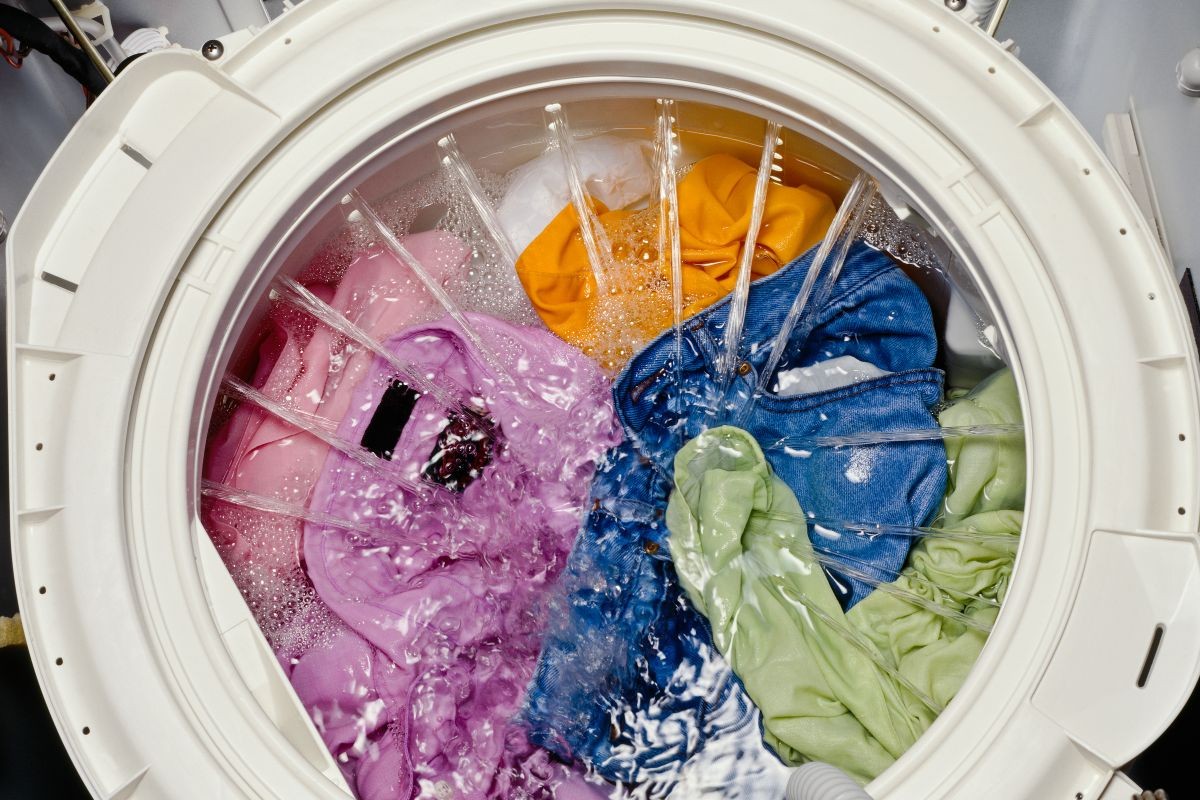
The size of the load you put in your washing machine can have a significant impact on the amount of water it consumes. Generally, larger loads require more water to properly clean the clothes, while smaller loads can be washed with less water.
When you load your washing machine with a smaller load, the water level will be lower, and the machine will use less water during the cycle. This not only helps in conserving water but also reduces the energy required to heat the water.
On the other hand, larger loads will require the machine to fill up with more water to ensure that all the clothes are properly soaked and cleaned. This results in higher water consumption.
It is important to find the right balance when loading your washing machine. Avoid overloading the machine as it can lead to inefficient cleaning and excessive water usage. However, underloading the machine may also result in wasted water and energy.
To determine the ideal load size for your particular washing machine, check the manufacturer’s guidelines or refer to the owner’s manual. These resources will typically provide recommended load sizes based on the machine’s capacity.
By being mindful of the load size, you can optimize your water usage and ensure efficient cleaning while minimizing waste.
Impact of washing machine settings
When it comes to the water consumption of your washing machine, the settings you choose can have a significant impact. Here are some key factors to consider:
Water temperature
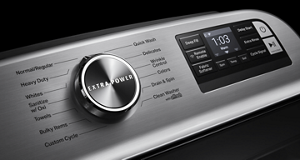
The temperature at which you wash your clothes can greatly affect the amount of water your machine uses. Using hot water requires more energy to heat up the water and can lead to higher water consumption. In contrast, using cold water or eco-friendly settings can reduce both energy and water usage.
Load size
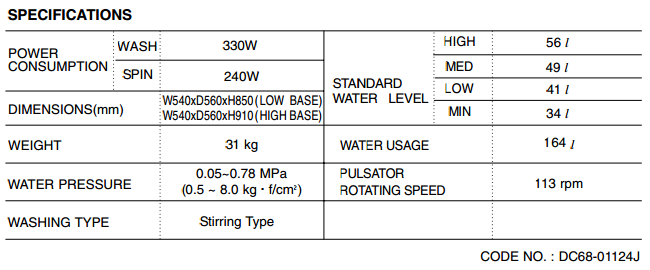
The size of the load you put in your washing machine can also affect water consumption. Washing smaller loads or only washing when you have a full load can help save water. Many modern washing machines have sensors that automatically detect load size and adjust water levels accordingly, further optimizing water consumption.
| Washing machine setting | Water consumption |
|---|---|
| Normal | High |
| Heavy-duty | High |
| Delicate | Low |
| Quick wash | Low |
It’s important to be mindful of the settings you use and choose the ones that are suitable for the type of clothing you are washing. By understanding the impact of different washing machine settings, you can make informed decisions that help reduce water consumption and conserve this valuable resource.
Video on the topic
Washing Machine Quick Washes v’s Eco Washes
Answers to frequently asked questions
Read more practical tips and expert opinions about modern devices at appliances-news.com. Here you will find answers to questions about any technology.