
Washing machines have become an indispensable part of our daily lives, but how often do we stop and think about the potential dangers they harbor? Most of us simply toss our dirty laundry into the machine, add detergent, and press start without a second thought. However, hidden behind the sleek exterior of our washing machines lies a web of hidden traps that can pose serious risks to both our safety and the machine’s performance.
One of the most common hidden dangers is the accumulation of lint and debris in the machine’s drain pump. While many of us diligently clean the lint trap after each cycle, we fail to realize that a significant amount of lint and debris can still make its way past the trap and clog the drain pump. This can not only cause the machine to malfunction but also pose a potential fire hazard.
Another hidden trap that often goes unnoticed is the buildup of mold and mildew inside the machine. The warm, damp environment created by the constant cycle of washing and drying provides the perfect breeding ground for these harmful microorganisms. Not only can this lead to unpleasant odors, but it can also have serious health implications for those with respiratory conditions or weakened immune systems.
Furthermore, the rubber seal around the door of the washing machine is another area prone to hidden dangers. Over time, this seal can become worn or damaged, allowing water to leak out during a cycle. This not only results in water damage to the surrounding area but can also create an electrical hazard if the water comes into contact with the machine’s internal components.
It is essential for us to take the time to understand and address these hidden traps in our washing machines. Regular maintenance, such as cleaning the drain pump and rubber seal, can go a long way in preventing potential dangers and prolonging the life of our machines. By remaining vigilant and proactive, we can ensure the safe and efficient operation of our washing machines and protect ourselves and our homes from these hidden dangers.
- The Hidden Dangers: Uncovering the Traps for Washing Machines
- Water Leaks: A Silent Saboteur
- Fire Hazard: The Unexpected Danger
- Mold and Mildew: Breeding Ground for Bacteria
- The Dangers of Mold and Mildew
- Causes of Mold and Mildew in Washing Machines
- Electrical Shock: A Lurking Threat
- Unsafe Wiring
- Water Leakage
- Drainage Issues: A Source of Frustration
- Common Drainage Issues
- Preventing Drainage Issues
- Damaged Belts: The Silent Culprit
- Causes of Belt Damage
- Signs of Belt Damage
- Prevention and Maintenance
- Video on the topic
- Put Foil on Your Door Knob, It Will Keep You Safe
- I Built 4 Secret Gaming Bases You’d Never Find!
- How to Unclog Any Drain | Ask This Old House
- Deep Cleaning DRYER LINT TRAP | HIDDEN FIRE HAZARD
- Giant Steve vs Security House – Minecraft
- Answers to frequently asked questions
The Hidden Dangers: Uncovering the Traps for Washing Machines
Washing machines have become an essential appliance in households, making laundry easier and more convenient. However, behind their apparent simplicity lies a host of hidden dangers that can pose serious risks to both your safety and the longevity of your machine.
One of the main traps for washing machines is improper installation. Many people underestimate the importance of correctly positioning and securing their washing machines. If not properly installed, the machine can vibrate excessively during the spin cycle, causing it to move and potentially fall. This can lead to damage to both the machine and its surroundings, as well as pose a risk of injury to anyone nearby.
Another hidden danger of washing machines is clogged filters and hoses. Over time, lint, debris, and other materials can accumulate in the machine’s filters and hoses, obstructing proper water flow and drainage. This can result in poor washing performance and even cause leaks, leading to water damage in your home. Regularly cleaning and maintaining these components is essential to prevent these issues.
Additionally, washing machine door locks can be a potential hazard. Some models feature door locks that automatically engage during the wash cycle to prevent accidental opening. While this is a safety feature, it can become dangerous if the lock malfunctions or if someone tries to force the door open. It’s crucial to exercise caution and avoid tampering with the locked door to prevent any accidents.
Furthermore, electrical hazards are another hidden danger associated with washing machines. Faulty wiring or damaged power cords can increase the risk of electric shock or fire. Regularly inspecting the machine’s power cord, outlet, and connecting wires is important to identify and address any potential electrical hazards promptly.
To ensure the safe and efficient operation of your washing machine, it’s essential to be aware of and address these hidden dangers. Regular maintenance, proper installation, and following the manufacturer’s guidelines can help prevent accidents, extend the lifespan of your machine, and keep you and your home safe.
Remember, being informed about the traps and dangers associated with washing machines is the first step in uncovering and averting these potential risks.
Water Leaks: A Silent Saboteur

Water leaks are one of the hidden dangers that washing machine owners often overlook. While it may seem like a minor inconvenience, a water leak can cause significant damage to your home and can go undetected for a long time, earning its reputation as a silent saboteur.
When a washing machine develops a water leak, it can lead to a range of problems. The immediate concern is the potential damage to your floors and walls. Water can seep into the cracks and crevices, causing mold and mildew to grow. Over time, this can weaken the structural integrity of your home and create an unsafe living environment.
Besides structural damage, a water leak can also result in electrical hazards. If the water comes into contact with electrical components of the washing machine or nearby outlets, it can pose a serious risk of electrocution. This is especially dangerous if you have young children or pets who may come into contact with the water.
Unfortunately, water leaks can be challenging to detect, especially if they occur behind or underneath the washing machine. However, there are some signs you can look out for. These include a musty smell in the laundry room, damp or discolored walls or floors, and an increase in your water bill.
To prevent water leaks, it is crucial to inspect your washing machine regularly. Check for any loose connections or worn-out hoses. Replace any damaged parts immediately to minimize the risk of a leak. Additionally, make sure to use the correct amount of detergent to avoid excessive suds, which can overflow and cause a leak.
In conclusion, water leaks are a silent saboteur that can cause extensive damage to your home. By being aware of the signs and taking preventive measures, you can protect yourself and your property from the hidden dangers of washing machine leaks.
Fire Hazard: The Unexpected Danger
When it comes to washing machines, fire might not be the first thing that comes to mind. However, fire hazards can pose a serious danger. Many people are unaware of the hidden risks that can lead to a fire in their laundry room.
One common cause of washing machine fires is a faulty electrical component. Over time, wiring can become worn or damaged, increasing the risk of an electrical fire. It’s important to regularly inspect the electrical connections and wiring to ensure they are in good condition.
Another potential fire hazard is lint buildup. Lint can accumulate in the dryer vent or around the heating element, creating a highly flammable environment. Regularly cleaning the lint filter and checking for lint in these areas is crucial to prevent a fire.
Additionally, overloaded power outlets or using extension cords can also increase the risk of a fire. Washing machines draw a significant amount of power, and overloading an outlet can cause it to overheat and potentially ignite a fire. It’s essential to use dedicated outlets for your washing machine and avoid using extension cords whenever possible.
To further reduce the risk of a fire, ensure proper ventilation in your laundry room. Good airflow is important to dissipate heat and reduce the chance of overheating. Keep the area around your washing machine clear of clutter and ensure there is enough space for air to circulate.
Lastly, always follow the manufacturer’s instructions for proper maintenance and usage of your washing machine. Regularly clean and inspect your machine to identify any potential issues before they become hazardous.
Don’t overlook the fire hazards associated with washing machines. Being aware of these unexpected dangers and taking proactive measures can help keep your laundry room safe and prevent a potential disaster.
Mold and Mildew: Breeding Ground for Bacteria
One of the hidden dangers of washing machines is the growth of mold and mildew. These organisms thrive in damp, dark environments, making washing machines an ideal breeding ground.
The Dangers of Mold and Mildew
Mold and mildew are not only unsightly and can cause unpleasant odors, they can also pose serious health risks. When left unchecked, these fungi can release spores into the air that can be inhaled, leading to respiratory problems, allergies, and even infections.
Furthermore, mold and mildew can affect the cleanliness of your clothes. They can leave stains and create a musty smell that is difficult to remove from fabric.
Causes of Mold and Mildew in Washing Machines
There are several factors that contribute to the growth of mold and mildew in washing machines:
- Moisture: The presence of excess moisture in a washing machine, whether from leaks or improper drainage, creates an environment conducive to mold and mildew growth.
- Warmth: Washing machines generate heat during their operation. This combined with the dampness can provide the perfect conditions for mold and mildew to thrive.
- Darkness: Most washing machines are located in dark laundry rooms or basements. Lack of sunlight and proper ventilation contribute to the growth of mold and mildew.
- Biofilms: Biofilms are slimy layers that can develop on various surfaces within a washing machine. They provide an ideal environment for mold and mildew to attach and grow.
It is important to tackle the issue of mold and mildew in washing machines promptly to prevent their spread and ensure the cleanliness and safety of your laundry.
To prevent the growth of mold and mildew, regular maintenance and cleaning are essential. This includes checking for leaks, ensuring proper drainage, and wiping down the interior of the machine regularly. Additionally, leaving the door open after each use can help promote air circulation and prevent the buildup of moisture.
By being vigilant and proactive in preventing the growth of mold and mildew, you can ensure that your washing machine remains a clean and safe appliance for your laundry needs.
Electrical Shock: A Lurking Threat
When it comes to washing machines, one of the hidden dangers that often goes unnoticed is the risk of electrical shock. While we rely on these appliances to clean our clothes efficiently, we must also be mindful of the potential hazards that come with them.
Unsafe Wiring

One of the main causes of electrical shock in washing machines is unsafe wiring. Over time, the insulation on the wires can wear out or become damaged, exposing them to the risk of contact with water. This can lead to an electric shock if someone touches the machine while it’s in operation.
Water Leakage
Water leakage is another factor that increases the risk of electrical shock. If the washing machine develops a leak, water can come into contact with the electrical components, creating a potentially hazardous situation. It’s essential to check for any signs of leakage regularly and address them immediately to avoid any accidents.
To minimize the risk of electrical shock when using a washing machine, it’s crucial to follow these safety guidelines:
- Always use a grounded outlet to ensure proper electrical grounding.
- Avoid using extension cords or adapters, as they can cause electrical overload.
- Regularly inspect the power cord for any signs of wear or damage.
- Ensure that the washing machine is properly installed and grounded according to the manufacturer’s instructions.
- If you notice any unusual noise, smell, or electrical issues with your washing machine, refrain from using it and have it checked by a professional.
By being aware of the lurking threat of electrical shock and following these precautions, you can ensure a safe and worry-free experience when using your washing machine.
Drainage Issues: A Source of Frustration
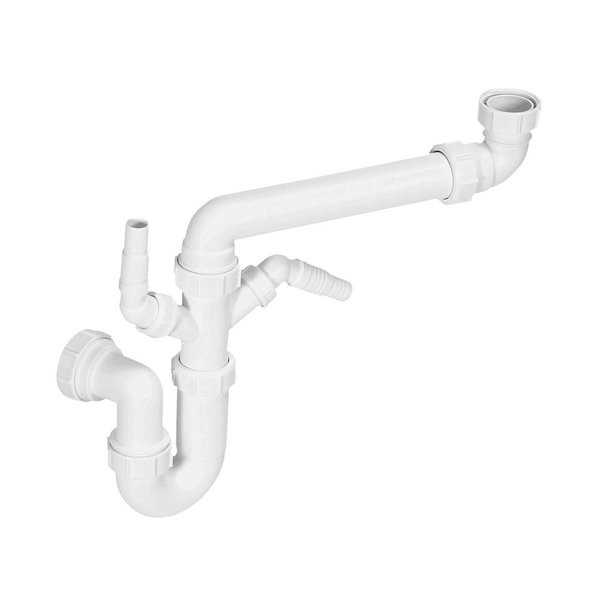
When it comes to washing machines, drainage issues can be a major source of frustration. A properly functioning drainage system is crucial for the smooth operation of your washing machine. Unfortunately, many homeowners overlook this aspect and end up facing a range of problems.
Common Drainage Issues
- Clogs: One of the most common drainage issues is a clogged drainpipe. Over time, lint, debris, and other foreign objects can accumulate in the drainpipe, causing water to drain slowly or not at all. This can lead to water pooling in the drum or overflowing onto the floor.
- Backflow: Another drainage issue is backflow, which occurs when water from the washing machine drains back into the machine or the sink. This can happen if the drainpipe is not properly installed or if there is a blockage in the plumbing system.
- Leaks: A leaking drainage system is a serious issue that can cause water damage to your home. Leaks can occur at various points in the drainage system, including the drainpipe, the hose connections, or the washing machine itself.
Preventing Drainage Issues

To prevent drainage issues and ensure the proper functioning of your washing machine, it is important to take preventive measures:
- Regularly clean the drainpipe: Remove any lint or debris that may have accumulated in the drainpipe. Use a plumbing snake or a pipe brush to clear any clogs.
- Install a lint trap: A lint trap can help catch lint and other debris before it enters the drainpipe and clogs the system. Make sure to clean the lint trap regularly.
- Check the drainage system: Inspect the drainpipe and hose connections for any signs of leaks or damage. Replace any worn-out parts to prevent leaks.
- Properly install the drainpipe: Ensure that the drainpipe is properly installed and has a proper slope for efficient water drainage. This will help prevent backflow and standing water.
By taking these preventive measures and being attentive to drainage issues, you can avoid the frustration and potential damage caused by a malfunctioning drainage system. It is always best to address drainage issues as soon as they arise to avoid costly repairs or replacements in the future.
Damaged Belts: The Silent Culprit
When it comes to the smooth operation of a washing machine, one component that often goes unnoticed is the belt. Damaged belts can be the silent culprits behind a malfunctioning machine, causing various issues that can lead to expensive repairs or even a complete breakdown.
Causes of Belt Damage
Damaged belts can result from a variety of reasons, including:
- Excessive load: Overloading the washing machine can put too much strain on the belt, causing it to stretch or snap.
- Foreign objects: If small items like coins or buttons get caught in the belt, they can cause it to become misaligned or damaged.
- Age and wear: Belts naturally wear out over time and may become cracked, stretched, or deteriorated.
- Improper installation: If a belt is not installed correctly, it may experience unnecessary tension or rubbing, leading to damage.
Signs of Belt Damage
It is essential to be aware of the signs that indicate a damaged belt in a washing machine. Some common indicators include:
- Loud noises: If you hear unusual noises, such as squealing or grinding sounds during the wash or spin cycle, it may be a sign of a worn-out or misaligned belt.
- Drum not spinning: A belt that has snapped or become loose will prevent the drum from spinning and agitating the clothes.
- Burning smell: A damaged belt may create a burning smell as it struggles to rotate the drum.
Prevention and Maintenance
To avoid problems caused by damaged belts, it is important to follow these preventative measures:
- Do not overload the washing machine; follow the manufacturer’s guidelines for load capacity.
- Regularly check for any foreign objects that may have entered the drum before starting a wash cycle.
- Inspect the belt for signs of wear or damage and replace it promptly if necessary.
- Ensure proper installation of the belt during installation or repair.
By being vigilant and taking proper care of the belt, you can ensure the smooth operation of your washing machine and avoid expensive repairs or replacements in the future.
Video on the topic
Put Foil on Your Door Knob, It Will Keep You Safe
I Built 4 Secret Gaming Bases You’d Never Find!
How to Unclog Any Drain | Ask This Old House
Deep Cleaning DRYER LINT TRAP | HIDDEN FIRE HAZARD
Giant Steve vs Security House – Minecraft
Answers to frequently asked questions
Read more practical tips and expert opinions about modern devices at appliances-news.com. Here you will find answers to questions about any technology.


