Choosing the right automatic washing machine can be a daunting task, with a multitude of options available in the market. One of the most crucial factors to consider when purchasing a washing machine is its capacity. Understanding the capacity of a washing machine is essential to ensure that you can efficiently clean your laundry without wasting energy or water.
The capacity of a washing machine refers to the amount of laundry it can hold in a single wash. It is typically measured in kilograms and can range from compact machines with a capacity of 5-6 kg to larger models with a capacity of 10-12 kg or more. To choose the right size, it is essential to understand your laundry needs and the size of your household.
When determining the ideal capacity for your washing machine, consider the size of your family and the frequency of your laundry loads. If you have a small family with minimal laundry, a compact machine with a lower capacity might be sufficient. On the other hand, if you have a larger family with heavy laundry loads, opting for a washing machine with a higher capacity will save you time and effort.
It is worth noting that a washing machine at full capacity will provide the best energy and water efficiency. Overloading a washing machine can lead to poor cleaning results, while underloading can waste water and energy. Therefore, it is important to find the balance and choose a washing machine capacity that matches your laundry needs accurately.
In conclusion, understanding the capacity of an automatic washing machine is crucial in selecting the right size for your household. Consider the size of your family and the frequency of your laundry loads to choose a machine with an appropriate capacity. By doing so, you can ensure efficient cleaning, save energy, and make the most out of your investment.
- What is Washing Machine Capacity and Why is it Important?
- Factors to Consider When Choosing the Right Washing Machine Capacity
- Understanding Load Types: Small, Medium, and Large
- Calculating the Required Capacity Based on Load Types
- Normal Loads
- Large Loads
- Video on the topic
- LG Washing Machine – How to Use
- WASHING MACHINE SETTINGS EXPLAINED | Water Temperature & Load Size (How to Do Laundry)
- Answers to frequently asked questions
What is Washing Machine Capacity and Why is it Important?
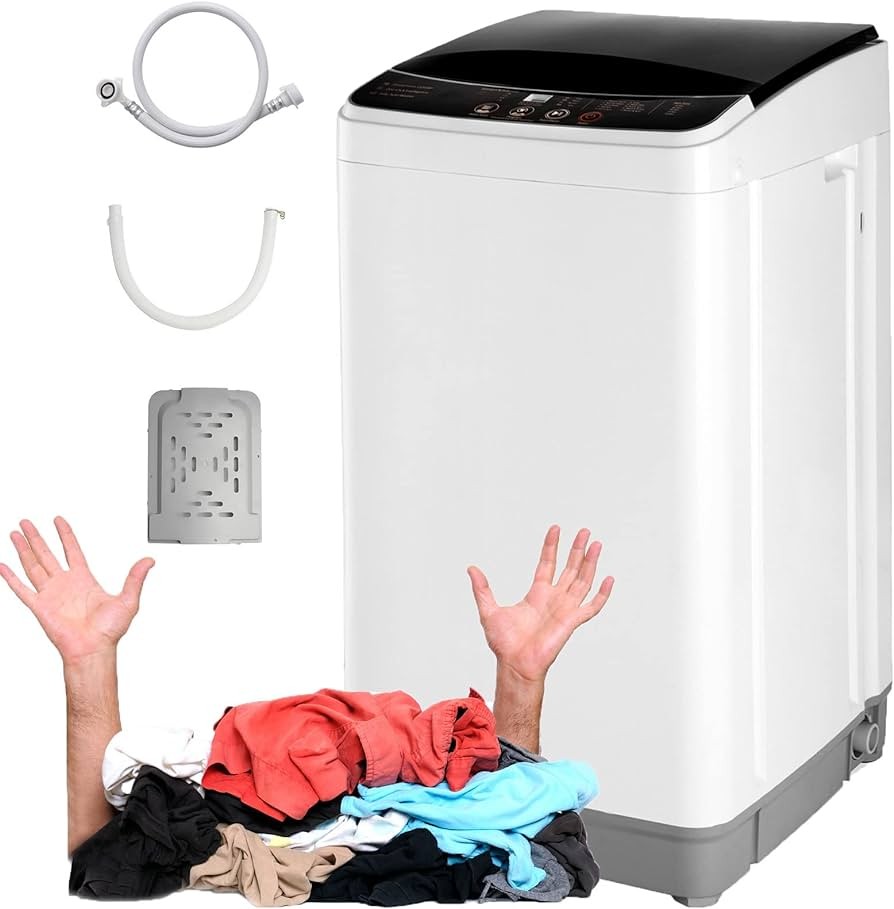
Washing machine capacity refers to the amount of laundry that a machine can hold and wash in one cycle. It is an important factor to consider when purchasing a washing machine because it determines how much laundry you can wash at once.
The capacity of a washing machine is typically measured in kilograms (kg) or pounds (lb), and it can range from as low as 4 kg (9 lb) for small machines to as high as 12 kg (26 lb) for larger machines.
Choosing the right washing machine capacity is important for several reasons. Firstly, it ensures that you can wash all your laundry in one go, saving you time and energy. If you have a large family or generate a lot of laundry, a machine with a higher capacity will be more suitable.
Secondly, the capacity of a washing machine also affects its efficiency. A machine that is filled to its full capacity uses less water, detergent, and energy per kilogram of laundry. This means that a higher capacity machine can help you save on your utility bills in the long run.
Lastly, the capacity of a washing machine can also impact the performance of the machine. Overloading a machine beyond its capacity can lead to poor cleaning results and potential damage to the machine. On the other hand, using a machine with a lower capacity than needed may result in inefficient use of water and energy.
In conclusion, understanding washing machine capacity is crucial when choosing the right size for your needs. By considering factors such as the size of your household and the amount of laundry you generate, you can make an informed decision and find a washing machine that meets your requirements while ensuring efficient and effective cleaning.
Factors to Consider When Choosing the Right Washing Machine Capacity
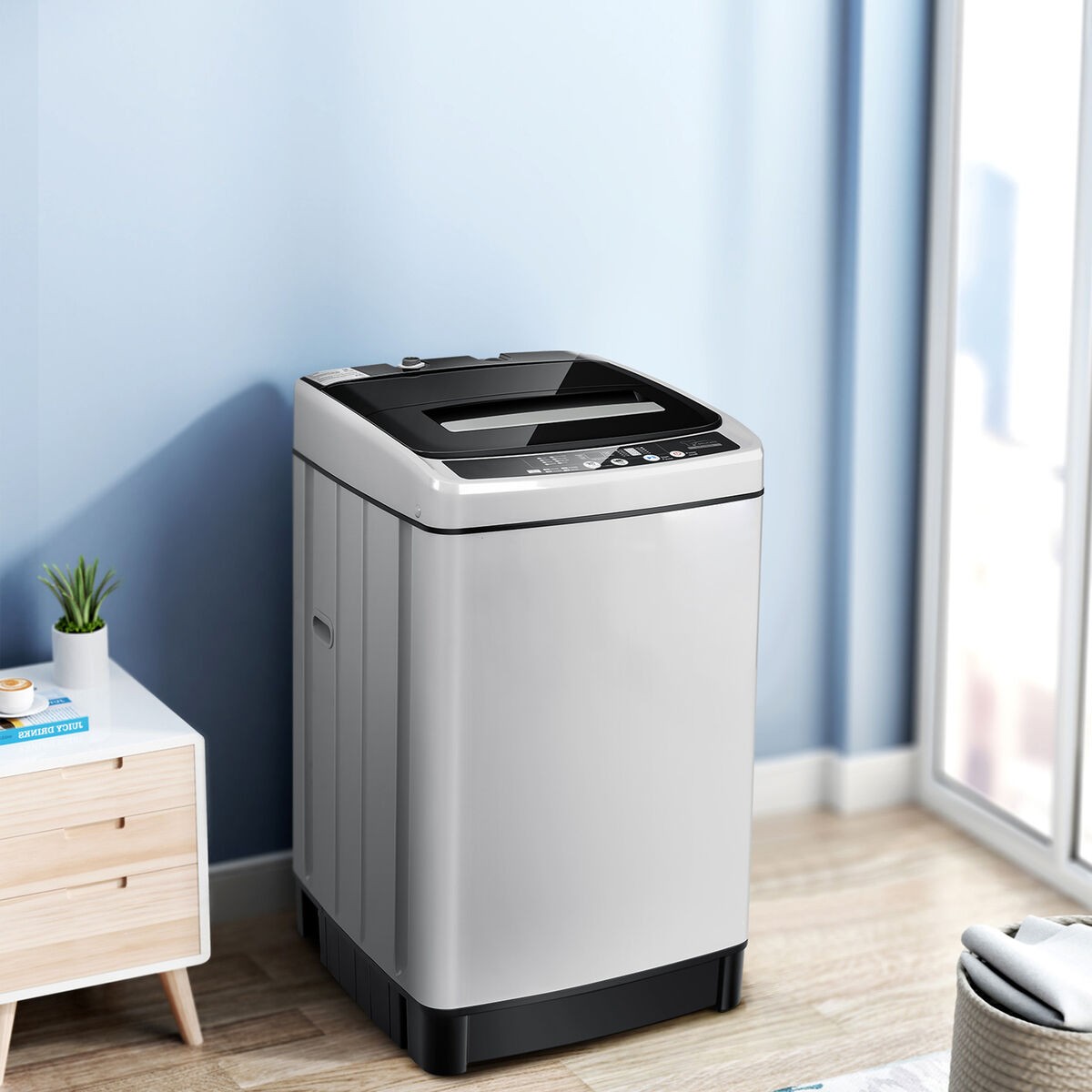
Choosing the right washing machine capacity is crucial to ensure efficient and effective laundry cleaning. Here are some key factors to consider when selecting the capacity of your automatic washing machine:
| Factor | Description |
|---|---|
| Family Size | The number of people in your household is a significant factor in determining the washing machine capacity you need. Larger families require washing machines with larger capacities to accommodate their laundry needs, while smaller families can opt for smaller capacities. |
| Laundry Frequency | Consider how often you do your laundry. If you prefer doing smaller loads more frequently, you may opt for a washing machine with a smaller capacity. However, if you tend to accumulate laundry and do fewer loads, a larger capacity washing machine would be more suitable. |
| Type of Clothes | The type of clothes you wash regularly also plays a role in determining the capacity you need. Bulky items like blankets, comforters, and towels take up more space and require a machine with a larger capacity. On the other hand, if you mainly wash delicate garments, a smaller capacity machine may be sufficient. |
| Space Availability | Consider the area where you plan to place your washing machine. If you have limited space, a compact washing machine with a smaller capacity would be more suitable. However, if you have ample space, you can opt for a larger capacity machine. |
| Energy and Water Efficiency | Higher-capacity washing machines generally consume more energy and water. Consider your energy and water usage preferences and choose a capacity that aligns with your priority for energy and water efficiency. |
By considering these factors, you can choose the right washing machine capacity that meets your household’s needs, maximizing efficiency and performance.
Understanding Load Types: Small, Medium, and Large
When it comes to choosing the right capacity for an automatic washing machine, it’s important to understand the different load types. Getting the right load type can help optimize the performance and efficiency of your machine while ensuring that your clothes are thoroughly cleaned.
Small Load:
A small load refers to a laundry load that is typically less than 4.5 kg (10 lbs) in weight. This load type is common for individuals or couples who do laundry frequently but don’t have a large number of clothes per load. Small loads are suitable for items like undergarments, socks, and a few shirts or pants. It’s important not to overload the machine with a small load as this can affect the overall cleaning quality.
Medium Load:
A medium load refers to a laundry load that ranges between 4.5 kg (10 lbs) and 6.8 kg (15 lbs) in weight. This load type is common for small families or individuals who do laundry less frequently, but have a moderate amount of clothes to wash. Medium loads can include items such as jeans, t-shirts, towels, and beddings. It’s important to ensure that the machine is not overloaded with a medium load to maintain optimal cleaning performance.
Large Load:
A large load refers to a laundry load that exceeds 6.8 kg (15 lbs) in weight. This load type is suitable for larger families or individuals who do laundry less frequently and have a significant amount of clothes to wash. Large loads can include items like blankets, curtains, winter coats, and multiple sets of clothes. It’s important to avoid overloading the machine with a large load as this can put strain on the machine and affect its cleaning efficiency.
Understanding the different load types can help you determine the right capacity for your automatic washing machine. By choosing the appropriate load type, you can ensure that your machine operates efficiently and effectively, giving you clean and fresh clothes with each wash.
Calculating the Required Capacity Based on Load Types
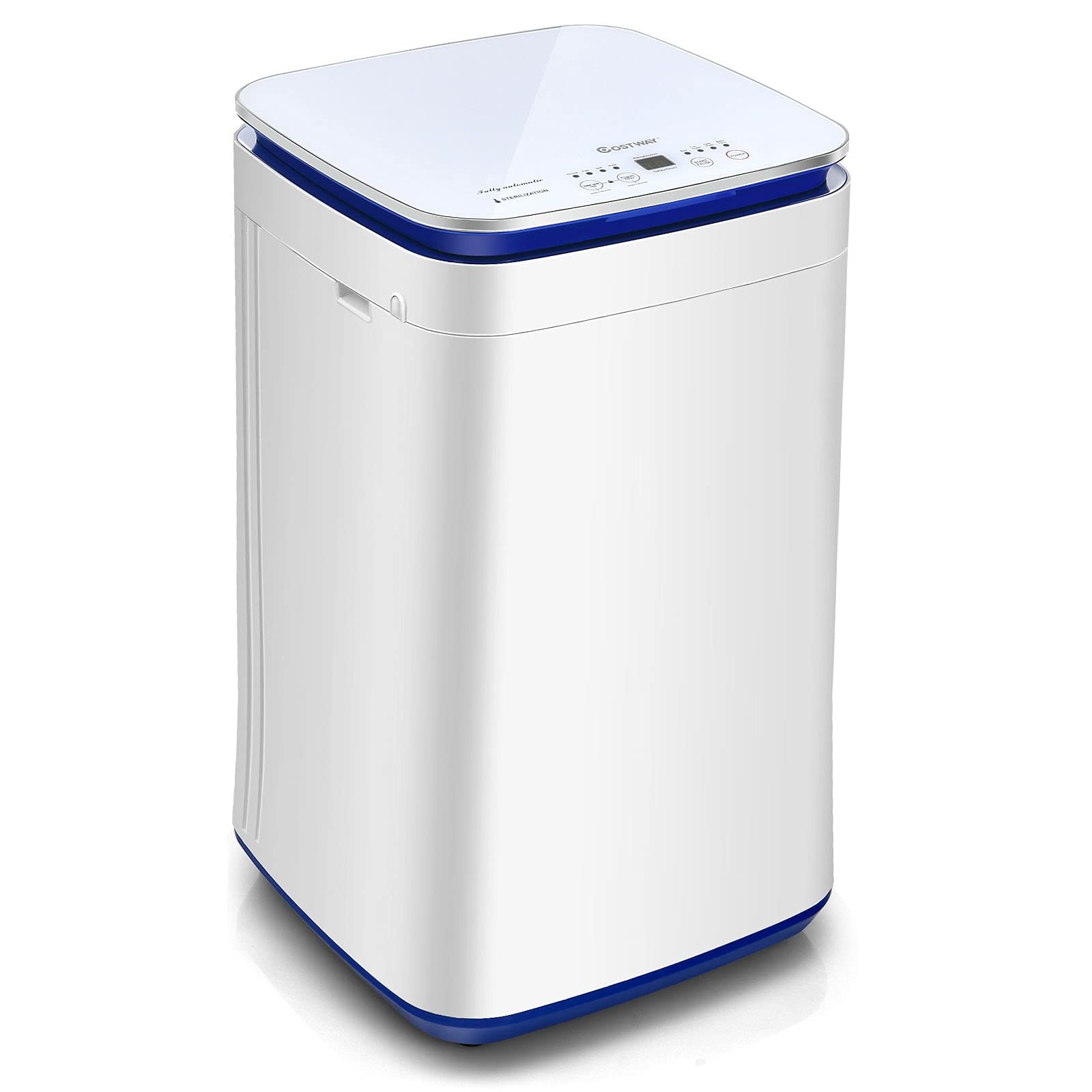
When choosing an automatic washing machine, it is important to consider the types of loads you typically wash. Different loads require different amounts of space, so it is essential to calculate the required capacity based on load types.
Normal Loads
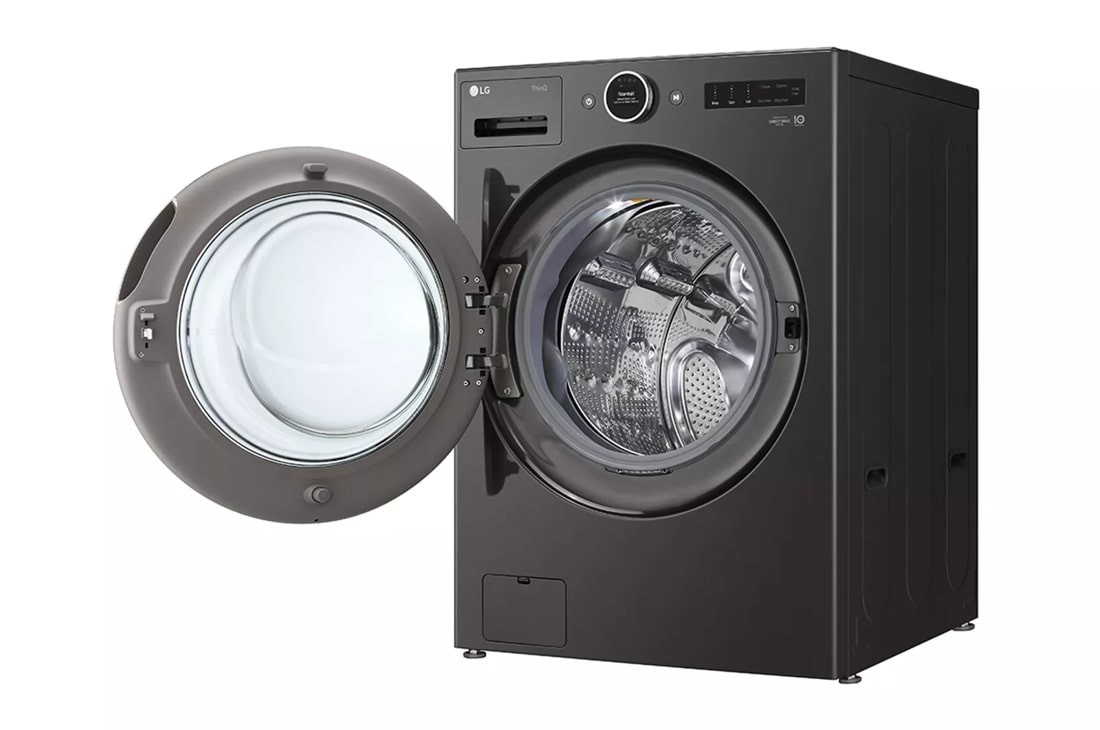
Normal loads consist of everyday clothes like shirts, pants, and undergarments. These loads usually require a smaller capacity. A washing machine with a capacity of 5-7 kilograms should be sufficient for handling normal loads. However, if you have a larger family or tend to do laundry less frequently, opting for a machine with a slightly larger capacity may be beneficial.
Large Loads

Large loads involve items like bedding, towels, and curtains. Due to their bulkier nature, these loads require more space. It is recommended to choose a washing machine with a capacity of 7-10 kilograms for handling large loads. This ensures that the items can move freely within the drum and are thoroughly cleaned.
Note: It is important not to overload the washing machine, as it can affect the cleaning efficiency and cause damage to the machine. Always refer to the manufacturer’s guidelines for load capacity and follow them accordingly.
By calculating the required capacity based on your specific load types, you can ensure that your automatic washing machine meets your laundry needs efficiently. It is always better to choose a slightly larger capacity to accommodate unexpected or larger loads, rather than opting for a machine that is too small and struggles to handle your laundry requirements.
Video on the topic
LG Washing Machine – How to Use
WASHING MACHINE SETTINGS EXPLAINED | Water Temperature & Load Size (How to Do Laundry)
Answers to frequently asked questions
Read more practical tips and expert opinions about modern devices at appliances-news.com. Here you will find answers to questions about any technology.