Cotton is one of the most popular and versatile fabrics used in clothing and home textiles. It is durable, breathable, and soft to the touch. Whether you have cotton t-shirts, jeans, bed sheets, or towels, properly washing them is essential to maintain their quality and prolong their lifespan.
Washing cotton in a washing machine may seem like a simple task, but there are certain guidelines you should follow to ensure the best results. This comprehensive guide will walk you through the steps of properly washing cotton in a washing machine, from sorting your laundry to choosing the right detergent and water temperature.
Step 1: Sorting your laundry
Before starting the washing process, it is important to sort your cotton laundry to prevent color bleeding and damage to the fabric. Sort your laundry into separate piles based on color – darks, lights, and whites. This will help keep your cotton items looking vibrant and prevent any unwanted stains or discoloration.
If some of your cotton items have stains, consider pre-treating them before washing. This can be done by applying a small amount of stain remover or laundry detergent directly to the stain and gently rubbing it in.
Step 2: Choosing the right detergent
When it comes to washing cotton, using the right detergent is crucial. Look for a detergent that is specifically formulated for cotton fabrics or one that is suitable for all fabrics. Avoid using bleach or harsh chemicals, as they can weaken the fabric and cause it to deteriorate over time.
If you have sensitive skin or allergies, opt for a hypoallergenic and fragrance-free detergent to minimize any potential irritation.
Step 3: Selecting the water temperature
The water temperature you choose for washing cotton depends on the level of dirt or stains present on the fabric. Generally, washing cotton in warm water (around 40-60°C or 104-140°F) is recommended, as it helps remove dirt and stains effectively. However, always check the care label on your cotton items for specific temperature instructions, as some may require cold or hot water.
Using cold water for washing cotton can help prevent shrinkage and color fading, making it a suitable option for delicate or dark-colored cotton items.
By following these guidelines, you can ensure that your cotton items are properly cleaned, preserved, and ready to be enjoyed for years to come. Remember to always check the care label on your cotton items for any specific instructions, and if in doubt, it’s best to err on the side of caution and opt for a gentler washing cycle.
- Step 1: Sort your cotton garments
- Step 2: Pre-treat any stains
- Step 3: Select the right washing settings
- Step 4: Add detergent and fabric softener
- Tips:
- Video on the topic
- How to Wash Dress Shirts in the Washing Machine
- Your Complete Guide to Washing Machine Settings And How to Use Them
- WASHING MACHINE SETTINGS EXPLAINED | Water Temperature & Load Size (How to Do Laundry)
- HOW TO CLEAN YOUR WASHING MACHINE! (Quick & Easy!)
- Answers to frequently asked questions
Step 1: Sort your cotton garments

Before starting the washing process, it is important to sort your cotton garments to ensure they are washed properly and without any damage. Sorting your cotton garments will help prevent color bleeding, fabric damage, and ensure that each garment receives the appropriate care it needs.
Here are some key steps to follow when sorting your cotton garments:
- Check the care labels: Look at the care labels on each garment to identify any specific washing instructions. Some cotton garments may require special attention, such as hand washing or delicate cycles.
- Separate by color: Sort your cotton garments into separate piles based on their color. Washing dark-colored items with light-colored items can result in color bleeding, so it is best to keep them separate to maintain their original appearance.
- Check for stains: Inspect each garment for any stains or spots that require pre-treatment. By identifying and treating stains beforehand, you can increase the chances of successful stain removal.
- Separate by fabric type: If you have different types of cotton fabrics, such as t-shirts, jeans, and towels, it is advisable to wash them separately. This will prevent lint transfer and ensure that each fabric type receives the appropriate care.
- Consider garment size: Sorting your cotton garments by size can help ensure that they are washed evenly and are not overcrowded in the washing machine. Overcrowding can lead to insufficient cleaning and cause wrinkles or stretching of the fabric.
By taking the time to sort your cotton garments, you can help maintain their quality, prolong their lifespan, and prevent any unwanted damage during the washing process.
Step 2: Pre-treat any stains
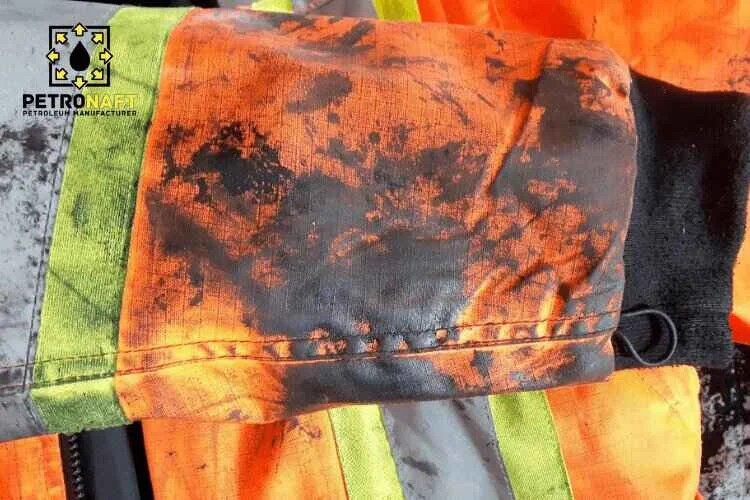
Before washing your cotton garments, it’s important to pre-treat any stains they may have. This will help ensure that the stains are fully removed during the washing process.
Here’s how you can pre-treat stains on your cotton items:
- Identify the stains: Examine the garment closely to identify any stains. Common types of stains on cotton include grease, oil, wine, and grass.
- Flush the stain: If the stain is fresh or water-based, you can flush it out by running cold water through the back of the fabric. This will help remove the stain and prevent it from setting.
- Apply stain remover: For older or tougher stains, apply a stain remover directly to the affected area. Gently rub the stain remover into the fabric using a clean cloth or sponge. Make sure to follow the instructions on the stain remover packaging.
- Let it sit: Allow the stain remover to sit on the fabric for the recommended amount of time. This will give it a chance to penetrate the stain and break it down.
- Scrub: After the recommended time has passed, use a soft brush or toothbrush to gently scrub the stained area. Be careful not to scrub too hard, as it may damage the fabric.
- Rinse: Rinse the fabric thoroughly with cold water to remove the stain remover and any loosened dirt or debris.
By pre-treating stains on your cotton garments, you’ll increase the chances of effectively removing them during the washing process. This will help keep your cotton items looking clean and fresh for longer.
Step 3: Select the right washing settings

Properly selecting the right washing settings is essential to ensure your cotton garments are cleaned effectively, but without causing any damage. Here are some guidelines to follow:
| Setting | Temperature | Duration | Agitation |
|---|---|---|---|
| Normal/Cotton | Warm or cool | Full cycle | Gentle or regular |
| Delicate | Cool | Short cycle | Gentle |
When selecting the temperature, it’s generally best to choose warm or cool settings for cotton to avoid shrinkage or color fading. Be cautious with hot water as it can lead to damage. However, if your cotton garment is heavily soiled, you may need to opt for a higher temperature.
The duration of the washing cycle depends on the level of dirt and stains on the clothing. For normal or lightly soiled cotton garments, a full cycle is usually sufficient. If you have delicate or lightly soiled items, a shorter cycle will be more appropriate to prevent wear and tear.
Agitation refers to the movement of the washing machine drum during the cycle. For most cotton items, a gentle or regular agitation level is suitable. However, if you have delicate or easily damaged cotton pieces, such as lace or embroidered items, it’s best to choose a gentle agitation to prevent any snags or tears.
Always consult the washing machine’s instruction manual for specific guidance on settings and any special features that may be available. Following the manufacturer’s recommendations will help ensure optimal cleaning and care for your cotton garments.
Step 4: Add detergent and fabric softener

Once you have sorted your cotton garments and loaded them into the washing machine, it’s time to add the detergent and fabric softener. These products play a vital role in the cleaning and softening process, ensuring that your cotton items come out fresh and comfortable to wear.
Start by measuring the appropriate amount of detergent based on the size of your load and the manufacturer’s instructions. Too much detergent can leave residue on your clothes, while too little may not effectively clean them. Pour the detergent into the detergent compartment or directly into the drum of your washing machine, depending on the model.
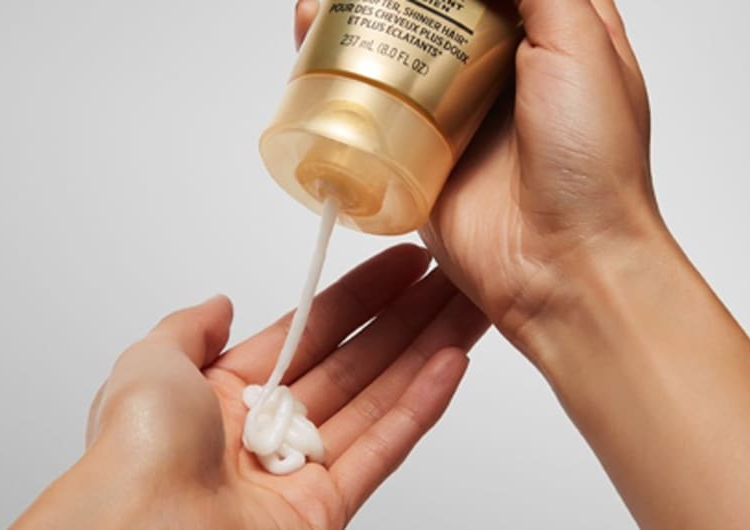
Next, if desired, you can add fabric softener to enhance the softness and freshness of your cotton garments. Follow the instructions on the fabric softener bottle to determine the right amount to use. Fabric softener can also help reduce static and make ironing easier.
Tips:
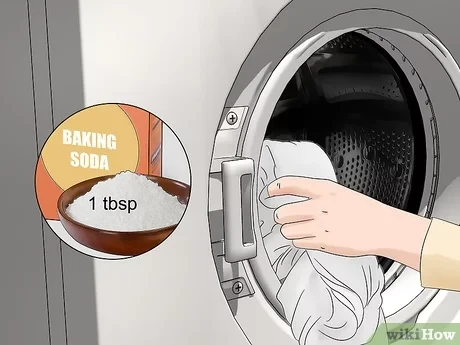
- For heavily soiled cotton items, consider pre-treating stains before adding them to the washing machine.
- Avoid using bleach on colored cotton garments, as it can cause fading or damage the fabric. Instead, opt for color-safe bleach or alternative stain removers.
- If you have sensitive skin or allergies, choose hypoallergenic or fragrance-free detergent and fabric softener.
Once you have added the detergent and fabric softener, close the lid or door of your washing machine and proceed to the next step of selecting the appropriate wash cycle and water temperature.
Video on the topic
How to Wash Dress Shirts in the Washing Machine
Your Complete Guide to Washing Machine Settings And How to Use Them
WASHING MACHINE SETTINGS EXPLAINED | Water Temperature & Load Size (How to Do Laundry)
HOW TO CLEAN YOUR WASHING MACHINE! (Quick & Easy!)
Answers to frequently asked questions
Read more practical tips and expert opinions about modern devices at appliances-news.com. Here you will find answers to questions about any technology.