If you’ve noticed that your washing machine is not draining properly, it could be due to a malfunctioning drain pump. The drain pump is responsible for removing the water from the machine after each cycle, and if it’s not working correctly, your clothes may be left soaking wet. Luckily, checking the drain pump is a relatively simple task that you can do yourself, saving you time and money on unnecessary repairs. In this step-by-step guide, we’ll walk you through the process of checking the drain pump on your washing machine.
Step 1: Safety First
Before you begin, it’s important to ensure your safety. Make sure the washing machine is unplugged and disconnected from any power sources. Additionally, it’s a good idea to wear protective gloves to prevent any potential injuries.
Step 2: Locate the Drain Pump
The next step is to locate the drain pump. Depending on the make and model of your washing machine, the drain pump can usually be found at the bottom of the machine. Look for a small access panel or a removable cover that gives you access to the pump.
Step 3: Remove Blockages
Once you have located the drain pump, it’s time to check for any blockages that may be causing the drainage issue. Carefully remove any debris, such as lint, hair, or small objects, that may have accumulated in the pump. Be sure to check the pump impeller, which is a small fan-like structure that helps with the drainage process.
Step 4: Test the Pump
Now that you have removed any potential blockages, it’s time to test the drain pump to see if it’s functioning properly. Connect the washing machine to a power source and start a quick cycle. Listen for any unusual noises coming from the pump, such as grinding or rattling sounds. Additionally, check if the water is draining properly. If you notice any issues or the pump is not draining the water effectively, it may need to be replaced.
Step 5: Reassemble and Test
Once you have completed the above steps, reassemble the washing machine by securing the access panel or cover back in place. Plug the machine back into the power source and run a full cycle to ensure that the drain pump is working correctly and the water is draining properly. If everything appears to be in order, congratulations, you have successfully checked and potentially fixed the drain pump on your washing machine!
Remember, if you are uncomfortable with any of the steps or if the issue persists, it’s always best to consult a professional technician or contact the manufacturer for further assistance. They will be able to diagnose the problem accurately and provide you with the necessary guidance to get your washing machine back in working order.
- Gather the necessary tools
- Prepare the washing machine
- Locate the drain pump
- Caution:
- Inspect the drain pump
- Step 1: Disconnect the power
- Step 2: Remove the access panel
- Step 3: Locate the drain pump
- Step 4: Check for blockages
- Step 5: Clean or replace the drain pump
- Test the drain pump
- 1. Disconnect the power
- 2. Access the drain pump
- 3. Inspect the drain pump
- 4. Test the drain pump motor
- 5. Test the pump impeller
- Video on the topic
- Electrolux Front-Load Washer Drain Pump Assembly Replacement (part 5304514775)
- Answers to frequently asked questions
Gather the necessary tools
Before you start checking the drain pump on your washing machine, you will need to gather a few essential tools. Having these tools ready will make the process easier and more efficient:
- Screwdriver: You will likely need a screwdriver to remove the screws that hold the access panel in place.
- Pliers: Pliers can be useful for loosening or tightening hose clamps.
- Bucket or towels: It’s always a good idea to have a bucket or some towels handy to catch any water that may spill out during the process.
- Flashlight: A flashlight can help you see into tight spaces or under the machine to locate the drain pump.
- Owner’s manual: If you still have the owner’s manual for your washing machine, it can provide valuable information specific to your model.
Make sure you have all these tools within reach before you begin inspecting the drain pump. This will help ensure a smooth and successful process.
Prepare the washing machine
Before you begin checking the drain pump on your washing machine, make sure to follow these steps to properly prepare the machine:
- Turn off the power: It is crucial to turn off the power supply to the washing machine before performing any maintenance tasks. This will prevent the risk of electric shock or damage to the machine.
- Disconnect the machine: Unplug the washing machine from the power outlet to ensure complete safety.
- Turn off the water supply: Locate the water supply valves behind the machine and turn them off. This will prevent any accidental water flow during the inspection.
- Empty the washing machine: Remove any clothes, water, or debris from the washing machine drum. This will allow you to easily access the drain pump and inspect it thoroughly.
- Secure the door: If your washing machine has a door, make sure it is securely closed or locked. This will prevent any accidental opening or interference during the inspection process.
By following these steps, you can ensure that the washing machine is properly prepared for the drain pump inspection. This will help you effectively troubleshoot any issues and keep your machine running smoothly.
Locate the drain pump
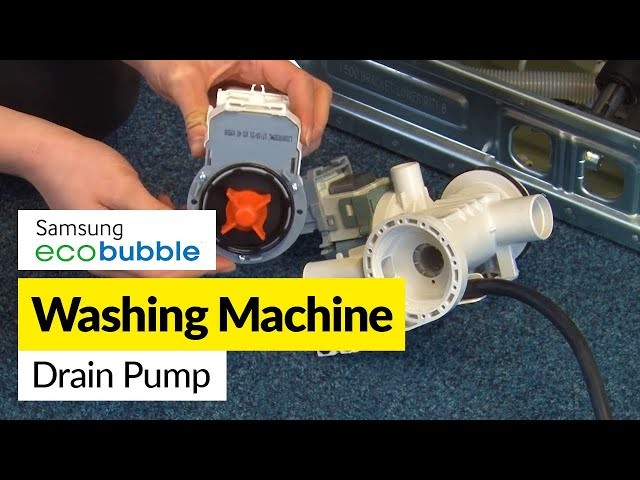
Before you can check the drain pump on your washing machine, you need to know where it is located. The drain pump is typically found at the bottom of the machine, usually behind a panel or cover.
To locate the drain pump, start by unplugging the washing machine and turning off the water supply. Once you have ensured the machine is safe to work with, carefully move the machine away from the wall to allow access to the back or bottom.
Once you have clear access, look for a small panel or cover that can be removed to reveal the drain pump. This panel is often secured with screws or clips. Use a screwdriver or other appropriate tool to remove the screws or release the clips and set them aside in a safe place.
After removing the panel, you should see the drain pump. It is usually a small, round or rectangular-shaped object with hoses attached to it. The hoses are connected to the drain pump to allow water to flow out of the machine.
Take a moment to familiarize yourself with the drain pump and its components. Look for any signs of damage or clogs, such as dirt, lint, or foreign objects obstructing the pump or hoses. If you notice any blockages, debris, or signs of wear and tear, it may indicate a problem with the drain pump and further inspection or maintenance may be necessary.
Caution:
Always exercise caution when working on electrical appliances. Make sure the washing machine is unplugged and that you are not in contact with any live wires or electrical components while inspecting the drain pump.
Additionally, if you are unfamiliar with working on washing machines or electrical appliances, it may be best to consult a professional technician for assistance.
Remember: Regularly checking and maintaining your washing machine’s drain pump can help prevent future issues and ensure that your machine continues to operate effectively and efficiently.
Inspect the drain pump
Once you have located the drain pump in your washing machine, it is important to inspect it for any issues or blockages. Follow these steps to inspect the drain pump:
Step 1: Disconnect the power
Before inspecting the drain pump, always make sure to disconnect the power from your washing machine. This will protect you from any electrical hazards.
Step 2: Remove the access panel
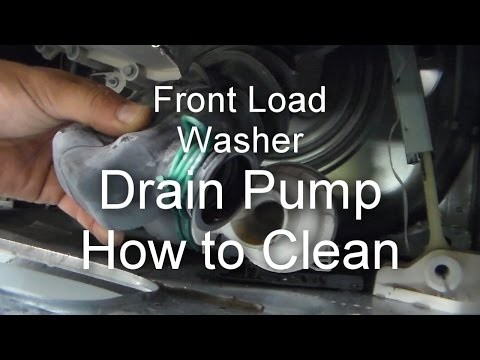
Next, remove the access panel on the front or back of your washing machine, depending on the model. Use a screwdriver or a wrench to remove the screws holding the panel in place.
Step 3: Locate the drain pump
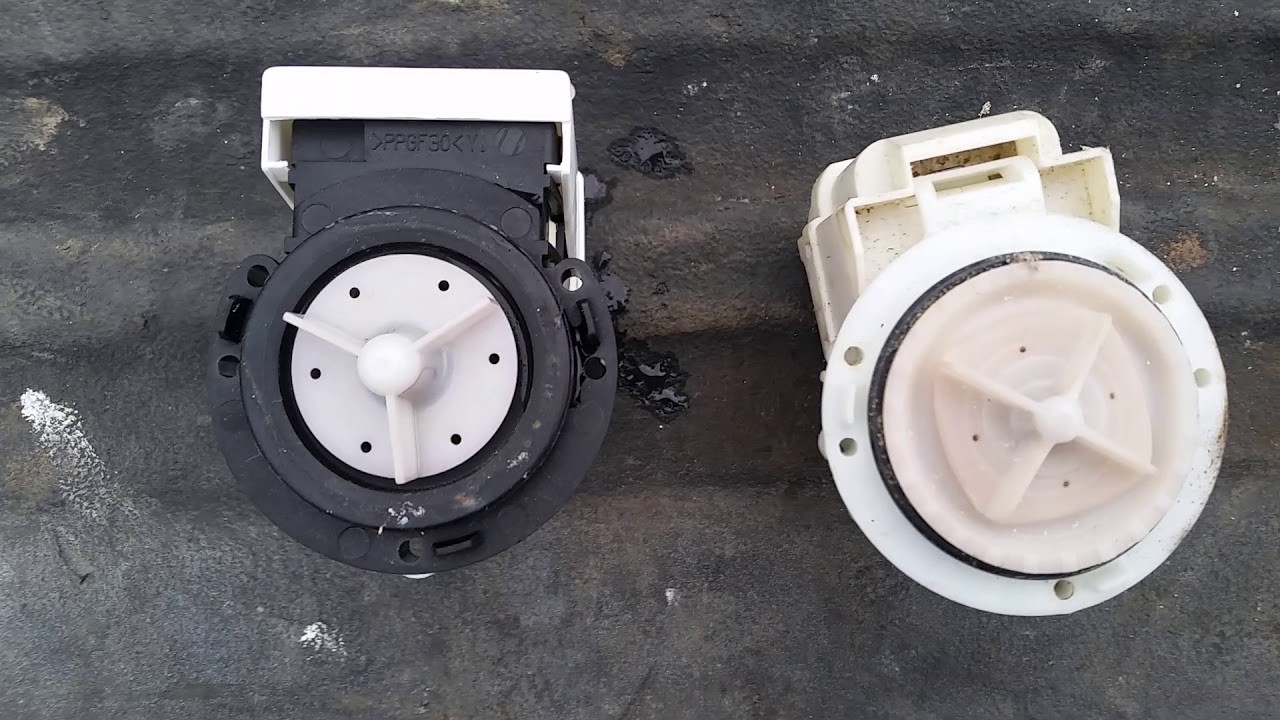
Once the access panel is removed, you will be able to see the drain pump. It is usually located at the bottom of the machine, near the front or back. The drain pump is responsible for pumping out the water from your washing machine.
Step 4: Check for blockages

Inspect the drain pump for any blockages that may be preventing it from functioning properly. Look for debris, lint, or other objects that may have gotten caught in the pump. Use a flashlight or a small mirror to get a closer look.
Step 5: Clean or replace the drain pump
If you find any blockages, carefully remove them using a pair of tweezers or pliers. Make sure to clean the drain pump thoroughly, removing all debris. If the drain pump is damaged or cannot be cleaned, it may need to be replaced. Consult your washing machine’s manual or contact the manufacturer for further instructions.
| Common issues to look for when inspecting the drain pump: |
|---|
| – Clogs or blockages |
| – Damage or cracks |
| – Loose or broken connections |
| – Excessive noise or vibration |
Test the drain pump
Once you have checked the drain hose and filter and ensured that they are clear of any debris or obstructions, it’s time to test the drain pump. The drain pump is responsible for removing the water from the machine during the drain cycle.
To test the drain pump, follow these steps:
1. Disconnect the power
Before beginning any maintenance or testing on your washing machine, it’s essential to disconnect the power source. This will prevent any accidents or injuries from occurring.
2. Access the drain pump
Next, you will need to access the drain pump. This usually involves removing a panel or the back of the machine, depending on the model. Refer to your washing machine’s manual for specific instructions on how to access the drain pump.
3. Inspect the drain pump
Once you have accessed the drain pump, visually inspect it for any signs of damage or clogs. Look for any debris or foreign objects that may be obstructing the pump. If you see any obstructions, carefully remove them using a pair of tweezers or pliers.
4. Test the drain pump motor

After inspecting the drain pump, you will need to test the motor to determine if it is functioning correctly. You can do this by connecting a multimeter to the terminals of the motor and setting it to the continuity mode. Check for continuity between the terminals. If there is no continuity, it indicates a faulty motor that needs to be replaced.
Note: If you are not familiar with using a multimeter or do not feel comfortable doing this test yourself, it is recommended to seek the assistance of a professional technician.
5. Test the pump impeller
Finally, check the pump impeller for any signs of damage or obstruction. The impeller is a small, fan-like component located inside the pump. Spin the impeller by hand to ensure that it moves freely and without any resistance. If there is resistance or the impeller is damaged, it may be necessary to replace the pump.
Following these steps and testing the drain pump will help you determine if it is functioning properly and identify any issues that need to be addressed. Remember to always refer to your washing machine’s manual for model-specific instructions and safety precautions.
Video on the topic
Electrolux Front-Load Washer Drain Pump Assembly Replacement (part 5304514775)
Answers to frequently asked questions
Read more practical tips and expert opinions about modern devices at appliances-news.com. Here you will find answers to questions about any technology.