
Your washing machine is an essential appliance in your home, helping to keep your clothes clean and fresh. To ensure that your washing machine continues to run smoothly and efficiently, it’s important to take proper care of it through regular maintenance. By following a few simple tips, you can extend the lifespan of your washing machine and avoid costly repairs.
1. Clean the drum and detergent dispenser regularly. Over time, dirt, grime, and detergent residue can build up in the drum and dispenser of your washing machine. This can not only affect the cleanliness of your clothes but also lead to unpleasant odors. To prevent this, clean the drum and dispenser regularly using a mild detergent or vinegar solution. This will help remove any build-up and keep your washing machine running efficiently.
2. Check the water inlet and drain hoses. The water inlet and drain hoses of your washing machine can become clogged with debris or develop leaks over time. It’s important to regularly inspect these hoses for any signs of damage or blockages. If you notice any issues, such as cracks or leaks, replace the hoses immediately to prevent further damage to your washing machine.
3. Use the right amount of detergent. Using too much detergent can cause excess suds and put strain on your washing machine’s motor. On the other hand, using too little detergent may result in less effective cleaning. To find the right amount of detergent for your load size and water hardness, refer to the manufacturer’s guidelines. By using the correct amount of detergent, you can avoid unnecessary wear and tear on your washing machine.
4. Leave the door open between washes. After each wash cycle, leave the door of your washing machine open for a while. This allows the interior to dry out and prevents the growth of mold and mildew. Keeping the door open also helps to eliminate any unpleasant odors. If you have small children or pets, be sure to keep the laundry room door closed to prevent accidents.
5. Schedule regular maintenance checks. Just like any other appliance, your washing machine needs regular maintenance to keep it in optimal condition. Consider scheduling professional maintenance checks at least once a year. This will ensure that any potential issues are detected early and addressed before they become major problems.
By following these essential tips for caring for your washing machine, you can enjoy clean clothes and peace of mind knowing that your appliance is running efficiently and smoothly. Remember to always consult your washing machine’s instruction manual for specific care and maintenance instructions.
- Simple Steps to Maintain Your Washing Machine
- 1. Clean the exterior and interior
- 2. Check the hoses
- 3. Clean the filter
- 4. Use the right detergent
- 5. Avoid overloading
- Keep It Clean and Free from Dirt
- Check and Clean the Filter Regularly
- Preventive Measures to Avoid Washing Machine Breakdown
- 1. Check and Clean the Filter Regularly
- 2. Avoid Overloading the Machine
- 3. Use the Right Detergent
- 4. Regularly Inspect and Clean the Seals
- 5. Use Hot Water Cycles Occasionally
- Video on the topic
- How to take care of your washing machine
- Top Tips From a Tech: Washing Machine Maintenance Tips
- [LG Washing machine] – How to run a Tub Clean program
- Answers to frequently asked questions
Simple Steps to Maintain Your Washing Machine

Maintaining your washing machine is essential to prolong its lifespan and ensure that it continues to function efficiently. By following a few simple steps, you can keep your washing machine in top shape and prevent any potential issues. Here are some easy maintenance tips:
1. Clean the exterior and interior
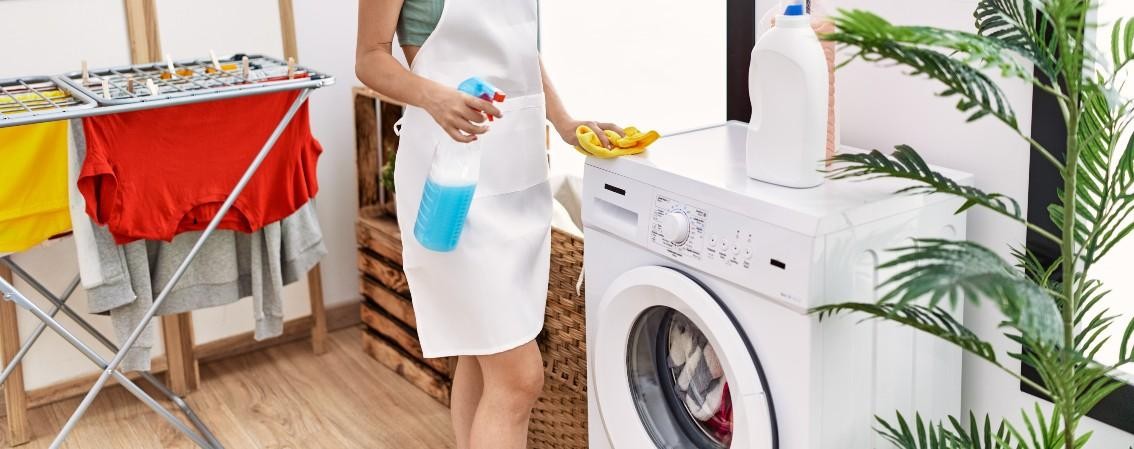
Regularly clean the outside of your washing machine with a damp cloth to remove any dust or dirt. It’s also important to clean the inside of the machine, including the drum and detergent dispenser. Use a mixture of water and vinegar to clean these areas, as it can help to remove any residue or buildup.
2. Check the hoses
Inspect the hoses that connect to your washing machine for any signs of wear or leakage. Over time, these hoses can become brittle and develop cracks, leading to water leakage. If you notice any damage, it’s important to replace the hoses to prevent any potential flooding or water damage.
3. Clean the filter
Regularly cleaning the filter in your washing machine is essential to maintain its performance. The filter can become clogged with lint, hair, and other debris, which can impact the machine’s efficiency. Check your user manual for instructions on how to locate and clean the filter. It’s recommended to clean it at least once a month.
4. Use the right detergent
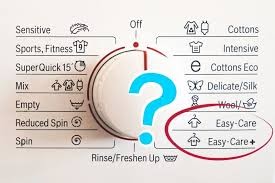
Using the appropriate detergent for your specific washing machine is crucial. Some detergents can be too harsh and may damage the machine’s components or cause excessive buildup. Always follow the manufacturer’s instructions and use the recommended detergent for your machine.
5. Avoid overloading

Overloading your washing machine can put stress on its motor and other components, leading to premature wear and tear. Be mindful of the recommended load capacity of your machine and avoid exceeding it. By properly distributing the weight of the laundry and avoiding overloading, you can help extend the lifespan of your washing machine.
By following these simple steps, you can ensure that your washing machine remains in good condition and operates efficiently for years to come. Remember to always refer to your machine’s user manual for specific maintenance instructions and consult a professional if you encounter any major issues.
Keep It Clean and Free from Dirt
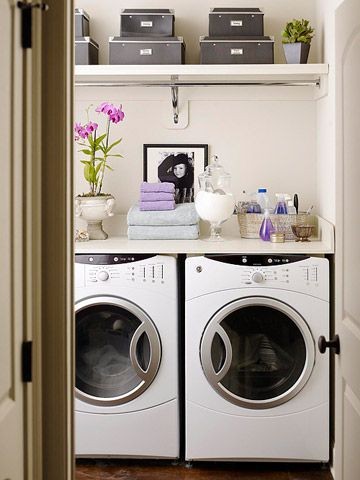
The key to maintaining a well-functioning washing machine lies in keeping it clean and free from dirt. Regular cleaning not only helps to prolong its lifespan but also ensures that your clothes come out smelling fresh and clean every time.
Start by wiping down the exterior of the machine with a damp cloth. Pay special attention to the control panel and any buttons or knobs. Use a mild detergent if necessary, but avoid abrasive cleaners that may damage the surface.
Next, open the door or lid and inspect the rubber gasket or door seal. This area tends to accumulate dirt, lint, and residue from detergent. Wipe it down with a damp cloth and mild detergent to remove any buildup. Be sure to dry it thoroughly to prevent the growth of mold or mildew.
After every use, take a moment to remove any lint or debris from the lint filter. This will prevent clogs and ensure that the machine operates efficiently. Simply slide out the filter, clean it under running water, and replace it back into its original position.
It is also important to periodically clean the detergent dispenser drawer. Remove it from the machine and wash it with warm soapy water. Use a soft brush or toothbrush to scrub away any residue or buildup. Rinse thoroughly and dry before reinserting it into the machine.
Finally, run a maintenance cycle with a washing machine cleaner or a mixture of vinegar and baking soda. This will help to remove any leftover detergent residue or bacteria that may be lurking inside. Refer to your machine’s manual for specific instructions on how to run a cleaning cycle.
By following these cleaning tips, you can keep your washing machine in optimal condition and ensure that it continues to provide you with clean and fresh-smelling clothes for years to come.
Check and Clean the Filter Regularly

One important step in maintaining your washing machine is to regularly check and clean the filter. The filter is designed to catch lint, debris, and other small particles that may be present in your laundry. Over time, this filter can become clogged and affect the performance of your machine. By cleaning the filter regularly, you can ensure that it functions properly and avoid potential problems.
To check the filter, start by locating it. The filter is usually located at the bottom of the machine, behind a small door or panel. Consult your washing machine’s user manual if you’re unsure of its location. Once you’ve found the filter, open the door or panel to access it.
Before cleaning the filter, it’s important to unplug the machine or turn off the power to avoid any accidents. Place a towel or a bucket beneath the filter to catch any water that may spill out during the cleaning process.
Next, remove the filter by twisting or pulling it out, depending on the model of your washing machine. Be prepared for some water and debris to come out as you remove the filter. Inspect the filter for any visible blockages or buildup and clean it using a soft brush or running water. Make sure to remove all the debris, as any leftover particles can cause further clogs in the future.
Once the filter is clean, carefully reinstall it back into the machine. Ensure that it is securely in place and that the door or panel is closed properly. Plug the machine back in or turn on the power and run a short test cycle to ensure that the machine is functioning correctly.
It is recommended to clean the filter at least once every few months, or more frequently if you notice any decrease in your washing machine’s performance. Regularly checking and cleaning the filter can prolong the life of your machine and help it operate at its best.
| Benefits of Checking and Cleaning the Filter |
|---|
| Prevents clogs and blockages in the drain system |
| Improves washing machine’s efficiency and performance |
| Reduces the risk of damage to the machine |
| Helps maintain clean and fresh laundry |
| Ensures proper drainage of water |
Preventive Measures to Avoid Washing Machine Breakdown
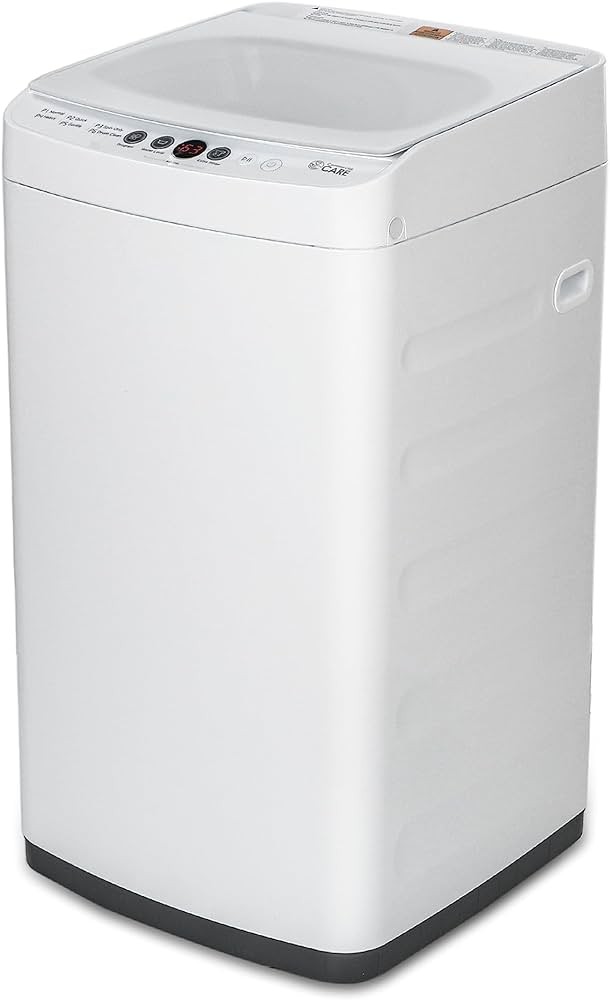
Proper maintenance and care of your washing machine are essential to prevent breakdowns and ensure its longevity. By following these preventive measures, you can avoid expensive repairs and inconvenience:
1. Check and Clean the Filter Regularly
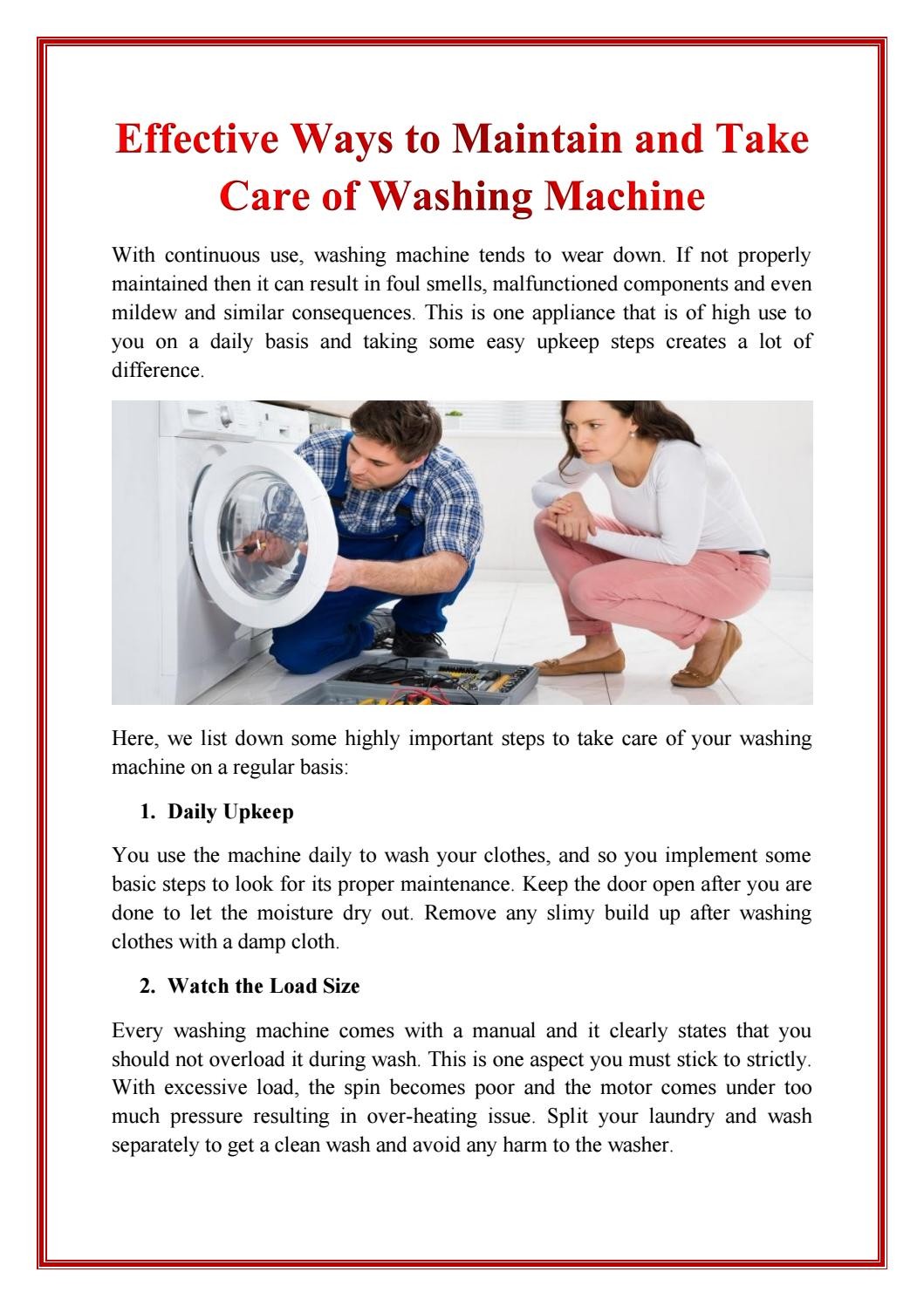
One of the main reasons for washing machine breakdowns is a clogged filter. Make it a habit to check and clean the filter at least once a month. Remove any debris or lint that may have accumulated to improve its efficiency and prevent blockages.
2. Avoid Overloading the Machine
Overloading the washing machine not only puts a strain on the motor and other components but also affects the quality of the wash. Follow the manufacturer’s guidelines and avoid exceeding the maximum weight capacity of your machine to prevent damage and ensure optimal performance.
3. Use the Right Detergent
Using the wrong detergent or excessive amounts of detergent can cause a buildup of residue, leading to clogged pipes and poor performance. Always use the detergent recommended by the manufacturer and follow the instructions for the appropriate amount to use. This will help maintain the efficiency and effectiveness of your washing machine.
4. Regularly Inspect and Clean the Seals
The seals around the door of your washing machine are prone to mold and mildew buildup, which can cause leaks and unpleasant odors. Regularly inspect and clean the seals using a mild detergent or vinegar solution to prevent potential issues and ensure a hygienic environment for your laundry.
5. Use Hot Water Cycles Occasionally
Running a hot water cycle without any laundry helps to remove any residue or bacteria that may have accumulated in the drum and pipes. This preventive measure helps to keep your machine clean and prevent mold or mildew growth, especially if you typically use cold or lukewarm water for your regular wash cycles.
By implementing these preventive measures, you can avoid washing machine breakdowns, reduce the need for repairs, and extend the lifespan of your appliance.
Video on the topic
How to take care of your washing machine
Top Tips From a Tech: Washing Machine Maintenance Tips
[LG Washing machine] – How to run a Tub Clean program
Answers to frequently asked questions
Read more practical tips and expert opinions about modern devices at appliances-news.com. Here you will find answers to questions about any technology.


