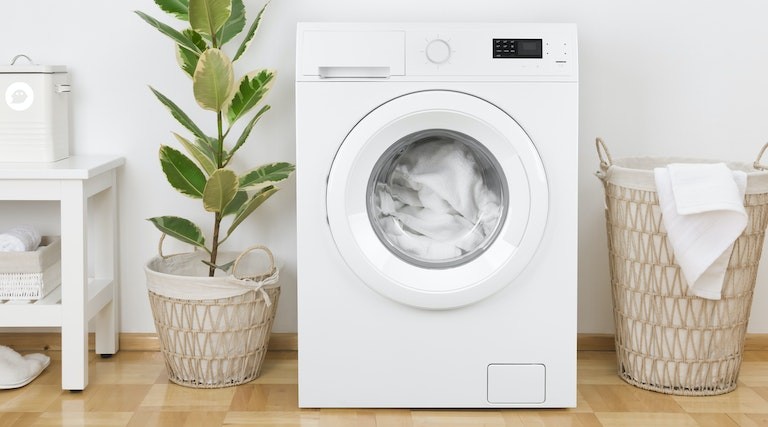
Running a washing machine cycle is usually a straightforward process: load the laundry, add detergent, set the cycle and let it do its thing. However, there may be certain situations when you need to stop the washing machine mid-cycle. Whether you forgot to add an item or need to address an issue, it’s important to know the proper steps to stop the machine without causing any damage.
Step 1: First, locate the “Pause” or “Stop” button on your washing machine. This button will allow you to interrupt the cycle and temporarily halt the operation. It is usually indicated by a symbol or text on the control panel.
Step 2: Once you have found the “Pause” or “Stop” button, press it firmly to stop the machine. This will pause the cycle and prevent it from progressing further. However, keep in mind that the machine may take a few seconds to actually stop, so be patient and wait for it to safely come to a halt.
Step 3: If you need to add or remove an item from the washing machine, this is the perfect time to do so. Open the door carefully and make the necessary adjustments. Take caution when handling wet or damp clothing to avoid any mishaps.
Step 4: After making the desired changes, close the door and press the “Start” button again to resume the cycle. The washing machine will pick up where it left off and continue with the remaining time and settings.
It’s important to note that stopping the washing machine mid-cycle should be done sparingly. Interrupting the cycle too frequently may affect the machine’s performance and contribute to potential issues. It’s always best to double-check that you have everything you need before starting a cycle to avoid the need for interruption.
Remember, stopping a washing machine mid-cycle can vary depending on the brand and model. It’s essential to consult the manufacturer’s manual for specific instructions and guidelines.
By following these steps and tips, you’ll be able to successfully stop your washing machine mid-cycle without any complications. Whether you need to add an item or address an urgent matter, having control over the cycle can be highly beneficial. Remember to always prioritize safety and consult the manufacturer for any uncertainties. Happy washing!
- Safety Precautions to Consider
- 1. Unplug the machine
- 2. Wear protective gloves
- 3. Be careful with moving parts
- 4. Use proper tools for troubleshooting
- Understanding Your Washing Machine’s Controls
- 1. Power Button
- 2. Start/Pause Button
- 3. Cycle Selector
- 4. Temperature Control
- 5. Spin Speed Control
- Stopping a Washing Machine Mid-Cycle
- Taking Care of Unfinished Laundry
- Potential Risks and Problems
- Tips for Preventing Mid-Cycle Interruptions
- 1. Plan Ahead
- 2. Sort Items Properly
- 3. Check Pockets and Closures
- 4. Use the Correct Amount of Detergent
- 5. Resolve Issues Promptly
- Video on the topic
- Washing machine stops mid-cycle? Here is what to check | by Beko
- ✨ FRONT LOAD WASHER WON’T SPIN — FIXED IN 8 MINUTES ✨
- Washing Machine Stops Mid Cycle: Washer Troubleshooting From Sears Home Services
- Top-Load Washer Stops Mid-Cycle — Top-Load Washing Machine Troubleshooting
- Answers to frequently asked questions
Safety Precautions to Consider

Stopping a washing machine mid-cycle may seem like a simple task, but it’s important to prioritize safety to avoid any accidents or damage to the machine. Here are some safety precautions to consider when stopping a washing machine mid-cycle:
1. Unplug the machine

Before attempting to stop the washing machine, make sure to unplug it from the power source. This will prevent any electrical shock or damage that could occur if the machine is accidentally activated while you are working on it.
2. Wear protective gloves
When handling a washing machine, it is a good idea to wear protective gloves to ensure your safety. This will protect your hands from any sharp edges or moving parts that could cause injury.
Additionally, if you are dealing with water leakage or spills, gloves will help protect your hands from any potentially harmful detergents or chemicals.
3. Be careful with moving parts
When stopping a washing machine mid-cycle, be cautious of any moving parts. Avoid sticking your hands or fingers into the drum or agitator while it is in motion, as this can cause injury. Wait for the machine to come to a complete stop before attempting any repairs or adjustments.
4. Use proper tools for troubleshooting
If you need to troubleshoot or fix a problem with your washing machine, make sure to use the appropriate tools. Using incorrect tools can lead to damage to the machine or injury to yourself.
Always follow the manufacturer’s instructions or consult a professional if you are unsure of how to properly use a tool or make repairs.
Remember, safety should always be the priority when working with any electrical appliances. By taking the necessary precautions and following the guidelines provided, you can safely stop your washing machine mid-cycle without any issues.
For more information on how to stop a washing machine mid-cycle, please refer to the rest of our guide.
Understanding Your Washing Machine’s Controls
Knowing how to use your washing machine’s controls is essential for efficient and effective laundry care. Each control serves a specific purpose and understanding their functions will help you get the best results from your machine. Here are some common controls found on most washing machines:
1. Power Button
The power button is used to turn the washing machine on and off. When the machine is off, it won’t respond to any other controls.
2. Start/Pause Button
The start/pause button is used to initiate or pause the wash cycle. Pressing this button once will start the cycle, and pressing it again will pause the cycle temporarily. This button is useful if you need to add or remove clothing mid-cycle.
3. Cycle Selector
The cycle selector allows you to choose the type of wash cycle you want. Different cycles are designed for different types of fabrics and soil levels. Common cycle options include normal, gentle, heavy-duty, and delicate.
Some machines also offer specialty cycles such as quick wash, eco-friendly, or prewash options. Understanding the cycle selector will help you select the appropriate cycle for your laundry needs.
4. Temperature Control
The temperature control allows you to adjust the water temperature for the wash cycle. Different fabrics and stains require different water temperatures. For example, hot water is best for whites and heavily soiled items, while cold water is suitable for delicate fabrics and bright colors.
5. Spin Speed Control
The spin speed control determines how fast the washing machine’s drum spins during the spin cycle. Higher spin speeds remove more water from clothes, reducing drying time. However, some delicate fabrics require slower spin speeds to prevent damage.
Understanding the spin speed control will help you select the appropriate setting for your laundry. If in doubt, consult the garment’s care label for spin speed recommendations.
By familiarizing yourself with your washing machine’s controls, you can maximize its capabilities and ensure efficient and gentle laundry care. Remember to always follow the manufacturer’s instructions and garment care labels for the best results.
Stopping a Washing Machine Mid-Cycle
If you need to stop your washing machine in the middle of a cycle, follow these steps to do it safely and effectively:
1. Press the “Pause” or “Stop” button on the control panel. Most modern washing machines have a dedicated button for pausing or stopping the cycle. Look for the button with a symbol that resembles a pause or stop icon.
2. Wait for the washing machine to come to a complete stop. Depending on the model and brand of your washing machine, it may take a few seconds or up to a minute for the machine to stop spinning. Avoid opening the door while the drum is still moving to prevent any accidents or damage.
3. If the washing machine does not have a “Pause” or “Stop” button, you can manually turn the dial or push the button to the off position. This will stop the cycle and turn off the power to the machine. However, keep in mind that manually stopping the machine may not be as gentle on your clothes compared to using the dedicated pause or stop button.
4. Once the machine has come to a complete stop, you can now open the door and remove your clothes. If there is still water in the drum, you may need to manually drain the water before opening the door. Refer to your washing machine’s instruction manual on how to manually drain the water.
5. Take caution when opening the door, especially if the washing machine was mid-cycle. There may be hot water, steam, or residual detergent that can cause burns or skin irritation. Use oven mitts or gloves and slowly open the door to minimize any potential risks.
Stopping a washing machine mid-cycle is not recommended unless absolutely necessary. It’s best to let the machine complete the cycle to ensure proper cleaning and rinsing of your clothes. However, if you need to stop the machine for any reason, always prioritize safety and follow the manufacturer’s instructions specific to your washing machine model.
Taking Care of Unfinished Laundry
Life can often throw us unexpected situations, and sometimes that means having to stop a washing machine mid-cycle. Whether it’s because you need to add a forgotten item or the machine is malfunctioning, taking care of unfinished laundry requires caution and attention to detail. Here are some steps to help you handle this situation:
- Pause the cycle: Most modern washing machines have a pause button that allows you to stop the cycle temporarily. Press the pause button once to halt the machine.
- Wait for the machine to unlock: After pausing the cycle, the machine will need a moment to unlock. This can take a few seconds or even a minute, depending on the model. Be patient and wait for the door or lid to unlock before proceeding.
- Manually drain the water: If the machine is filled with water, you’ll need to drain it manually before opening the door. Look for a drain hose or a drain filter, usually located at the bottom of the machine. Carefully remove any excess water to prevent flooding.
- Open the door or lid: Once the water is drained, you can safely open the door or lid of the washing machine. Take care not to force it open, as this can cause damage to the machine or yourself.
- Remove the laundry: With the door or lid open, carefully remove the unfinished laundry from the machine. Check for any remaining water or detergent residue that may have accumulated.
- Restart or rewash: Depending on your needs, you can either restart the cycle from where you left off or choose to rewash the laundry altogether. Evaluate the condition of the clothes and decide what would be the best course of action.
Remember to always consult the manufacturer’s instructions for your specific washing machine model, as the steps may vary slightly. By following these guidelines, you can handle unfinished laundry situations with ease and ensure your clothes are properly taken care of.
Potential Risks and Problems
Stopping a washing machine mid-cycle can pose certain risks and may result in various problems. It is important to be aware of these potential issues before attempting to stop the machine:
|
Risk/Problem |
Description |
|
Damage to the Machine |
Stopping the machine abruptly can lead to potential damage to the internal components, such as the motor, pump, or agitator. The sudden halt of the spinning or agitating motion can cause strain on these parts, potentially resulting in malfunctions or costly repairs. |
|
Water Spillage |
Stopping the machine while it is filled with water can lead to water spillage. This can happen if the water supply to the machine has not been cut off before attempting to stop it. The standing water can leak from the machine, causing damage to the surrounding area as well as potential electrical hazards. |
|
Uneven Distribution of Detergent |
If the washing machine is interrupted mid-cycle, the detergent may not distribute evenly or rinse out properly. This can result in poorly cleaned laundry or even soap residue remaining on clothes. |
|
Imbalanced Load |
Stopping the machine during the spin cycle may leave the load unbalanced. This can cause excessive vibrations, which can lead to damage to the machine or even unstable operation. In the worst-case scenario, an imbalanced load can cause the machine to tip over, posing a safety risk. |
Considering these potential risks and problems, it is essential to exercise caution when stopping a washing machine mid-cycle. If it is necessary to stop the machine, follow the manufacturer’s instructions or consult a professional for guidance.
Tips for Preventing Mid-Cycle Interruptions
While it can be tempting to stop a washing machine mid-cycle, it is important to avoid doing so whenever possible. However, if you find it absolutely necessary to interrupt the cycle, here are some tips to help prevent any issues:
1. Plan Ahead

To avoid the need to stop the washing machine mid-cycle, plan your laundry routine and schedule the cycles when you have enough time to let them run uninterrupted. This can help minimize the chances of needing to interrupt the cycle.
2. Sort Items Properly
Properly sorting your laundry before starting a cycle can help prevent mid-cycle interruptions. Ensure that you separate your clothes based on fabric type, color, and level of dirtiness. By doing so, you can choose the appropriate cycle settings and avoid the need to stop and adjust the cycle later on.
3. Check Pockets and Closures
Before loading your laundry into the washing machine, remember to check all pockets and closures. Items such as coins, pens, or jewelry can cause issues and potentially damage the machine. By removing these items beforehand, you can reduce the chances of needing to stop the machine to retrieve them mid-cycle.
4. Use the Correct Amount of Detergent
Using too much detergent can create excess suds, which can lead to longer cycle times and the need for stopping the machine to resolve the issue. Be sure to follow the manufacturer’s instructions and use the correct amount of detergent for your laundry load.
5. Resolve Issues Promptly
If you notice any issues or abnormalities during a washing cycle, such as strange noises or water leakage, address them promptly. Ignoring these signs can lead to more significant problems down the line, potentially requiring mid-cycle interruptions or even repairs.
By following these tips, you can minimize the need to stop your washing machine mid-cycle, allowing it to operate efficiently and effectively.
Video on the topic
Washing machine stops mid-cycle? Here is what to check | by Beko
✨ FRONT LOAD WASHER WON’T SPIN — FIXED IN 8 MINUTES ✨
Washing Machine Stops Mid Cycle: Washer Troubleshooting From Sears Home Services
Top-Load Washer Stops Mid-Cycle — Top-Load Washing Machine Troubleshooting
Answers to frequently asked questions
Read more practical tips and expert opinions about modern devices at appliances-news.com. Here you will find answers to questions about any technology.