
Keeping your washing machine in top condition is important for ensuring that your clothes are clean and fresh every time you do laundry. One often-overlooked aspect of washing machine maintenance is cleaning the hose. Over time, dirt, debris, and even mold can build up in the hose, leading to clogs and reduced performance. Cleaning the hose on a regular basis is a simple yet effective way to prevent these issues and prolong the lifespan of your washing machine.
To begin the cleaning process, start by unplugging your washing machine and turning off the water supply. This is crucial for safety reasons and to prevent any water leakage. Next, locate the hose on the back of the machine. It is usually located near the bottom and is attached to the water supply. Take note of any kinks or bends in the hose, as these can contribute to clogs and restrict the water flow.
Once you have identified the hose, disconnect it from both the machine and the water supply. Keep a towel handy to catch any water that may spill out during this process. Inspect the hose for any visual signs of dirt or mold, such as discoloration or a musty odor. If you notice any of these signs, it’s time to give the hose a thorough cleaning.
Fill a bucket or sink with warm water and add a small amount of mild detergent. Place the disconnected end of the hose into the soapy water and allow it to soak for several minutes. While the hose is soaking, use a cleaning brush or a cloth to scrub away any dirt or mold from the hose. Pay close attention to the areas near the connectors, as these are common areas for buildup. Rinse the hose thoroughly with clean water to remove any soap residue before reattaching it to the washing machine.
Once the hose is clean and dry, carefully reattach it to the washing machine and the water supply, making sure it is securely fastened. Inspect the hose one final time to ensure there are no kinks or bends that could restrict the water flow. Finally, plug the machine back in and turn on the water supply. Run a test cycle to make sure everything is functioning properly.
By following this step-by-step guide on cleaning your washing machine hose, you can ensure that your machine continues to perform at its best. Regular maintenance not only prevents clogs and reduced performance but also helps to extend the lifespan of your washing machine. Spend a few minutes cleaning the hose, and you’ll be rewarded with cleaner clothes and a more efficient washing machine.
- Understanding the importance of cleaning the washing machine hose
- Gathering the necessary materials
- Here are the materials you will need:
- Turning off the power supply and water source
- Disconnecting the hose from the washing machine
- Inspecting the hose for any debris or blockages
- Check for signs of wear or damage
- Reconnect the hose and resume normal use
- Cleaning the hose with a brush and warm soapy water
- Rinsing the hose thoroughly with clean water
- Step 1: Prepare a basin of clean water
- Step 2: Submerge the hose in the water
- Step 3: Drain and repeat if necessary
- Reconnecting the hose to the washing machine
- Video on the topic
- How To Clean Washing Machine Pressure Switch Hose with { Subtitles }
- How to Clean your WASHING MACHINE!! (Remove Front Load Stink NATURALLY) | Andrea Jean
- Samsung Washing Machine Self Cleaning – How To Use
- This lady was SURPRISED I showed up to her door after seeing me at the neighbors house
- [LG Top Load Washer] General Maintenance For An LG Top Load Washing Machine
- Answers to frequently asked questions
Understanding the importance of cleaning the washing machine hose
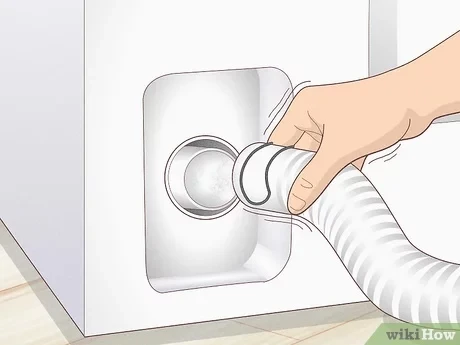
The washing machine hose plays a crucial role in the proper functioning of your washing machine. It is responsible for carrying water into the machine during each wash cycle and removing dirty water during the drainage process. Over time, the hose can become clogged with debris, lint, and mineral deposits, which can result in reduced water flow and poor washing performance.
Cleaning the washing machine hose is essential to ensure that your machine operates efficiently and effectively. A clogged hose can cause water to back up, leading to leaks, mold, and mildew growth. It can also result in long washing cycles, as the machine struggles to fill and drain properly.
Regularly cleaning the hose removes any built-up debris and ensures that water can flow freely. This helps to prevent blockages, reduce the risk of leaks, and prolong the lifespan of your washing machine. It also improves the machine’s overall performance, ensuring that your clothes are cleaned thoroughly.
Cleaning the washing machine hose is a relatively simple task that can be done with basic household supplies. It involves disconnecting the hose, flushing it with water, and scrubbing away any residue. It is recommended to clean the hose at least once every six months to maintain its optimal performance.
By understanding the importance of cleaning the washing machine hose and taking the necessary steps to keep it clean, you can ensure that your machine operates efficiently, prolong its lifespan, and enjoy clean and fresh laundry every time.
| Benefits of cleaning the washing machine hose: |
|---|
| Prevents blockages |
| Reduces the risk of leaks |
| Improves washing machine performance |
| Prolongs the lifespan of the machine |
| Ensures clean and fresh laundry |
Gathering the necessary materials
Before you begin cleaning your washing machine hose, it’s important to gather all the necessary materials. Having everything ready beforehand will make the cleaning process easier and more efficient.
Here are the materials you will need:
- Rubber gloves
- Bucket or basin
- White vinegar
- Baking soda
- Hot water
- Soft brush or old toothbrush
- Clean cloth or sponge
- Towel or rag
Make sure to wear rubber gloves to protect your hands from any potential dirt or chemicals that may come into contact with them during the cleaning process. Having a bucket or basin on hand will provide a convenient place to collect any water or cleaning solution that may run out of the hose.
White vinegar and baking soda are two natural cleaning agents that can effectively remove dirt, grime, and even mildew from the inside of the hose. Hot water will be used to flush out any debris and leftover cleaning solution. You’ll also need a soft brush or old toothbrush to scrub the hose and remove any stubborn dirt or buildup.
A clean cloth or sponge can be used to wipe down the exterior of the hose and remove any visible dirt or dust. Finally, have a towel or rag nearby to dry the hose once the cleaning process is complete.
Turning off the power supply and water source
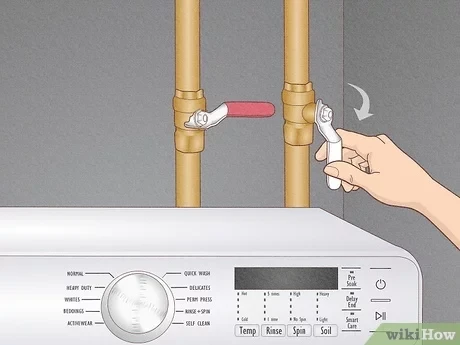
Before beginning any maintenance or cleaning on your washing machine hose, it is important to ensure that the power supply and water source are turned off. This will help prevent any potential accidents or damage while working on the machine.
| Step 1: | Locate the power cord connected to your washing machine and unplug it from the electrical outlet. This will disconnect the power supply and help avoid any risk of electric shock. |
| Step 2: | Next, locate the water supply valves connected to the washing machine. These valves are usually located near the back of the machine and are typically labeled as hot and cold. Turn both valves clockwise to the closed position to shut off the water supply. |
Once you have turned off the power supply and water source, you can proceed with cleaning or maintaining your washing machine hose safely and effectively.
Disconnecting the hose from the washing machine
To start the process of cleaning the washing machine hose, you need to disconnect it from the washing machine. Here is a step-by-step guide on how to do it:
- First, make sure that the washing machine is turned off and unplugged from the power source. Safety is the top priority when working with electrical appliances.
- Locate the hose at the back of the washing machine. It is usually connected to the water inlet valve.
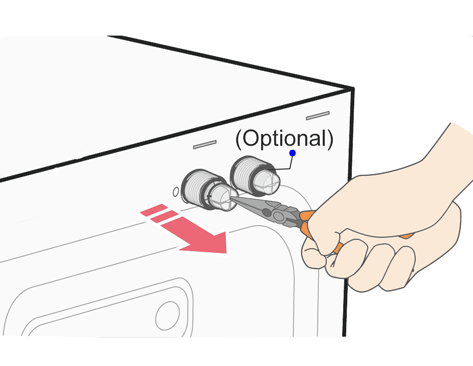
- Using pliers or a wrench, carefully loosen the hose connection. Turn it counterclockwise to unscrew it. Be gentle to avoid damaging the hose or the washing machine.
- Once the connection is loose, you can remove the hose by pulling it away from the washing machine. Be prepared for any water that might be trapped inside the hose.
- If the hose is stuck or difficult to remove, you can use a little bit of lubricant or warm water to loosen it. Be cautious not to use excessive force to avoid any damage.
- After successfully removing the hose, you can inspect it for any signs of damage, such as cracks or leaks. This step is crucial to ensure the hose’s efficiency and prevent any potential water damage in the future.
By following these steps, you will be able to disconnect the hose from the washing machine safely and effectively. Once the hose is disconnected, you can proceed with the cleaning process to remove any debris or build-up that might be affecting your washing machine’s performance.
Inspecting the hose for any debris or blockages
After removing the washing machine hose from the water supply, it’s important to inspect it for any signs of debris or blockages. These can interfere with the proper functioning of your washing machine and may even cause water leaks or flooding.
To begin the inspection, carefully examine the entire length of the hose. Look for any visible signs of dirt, lint, or other debris that may have accumulated over time. You can use a flashlight to get a better view of the inside of the hose.
Pay close attention to the ends of the hose where it connects to the washing machine and the water supply. Check for any blockages or obstructions that may be preventing the flow of water. Use a pipe cleaner or a small brush to remove any visible debris from these areas.
Check for signs of wear or damage
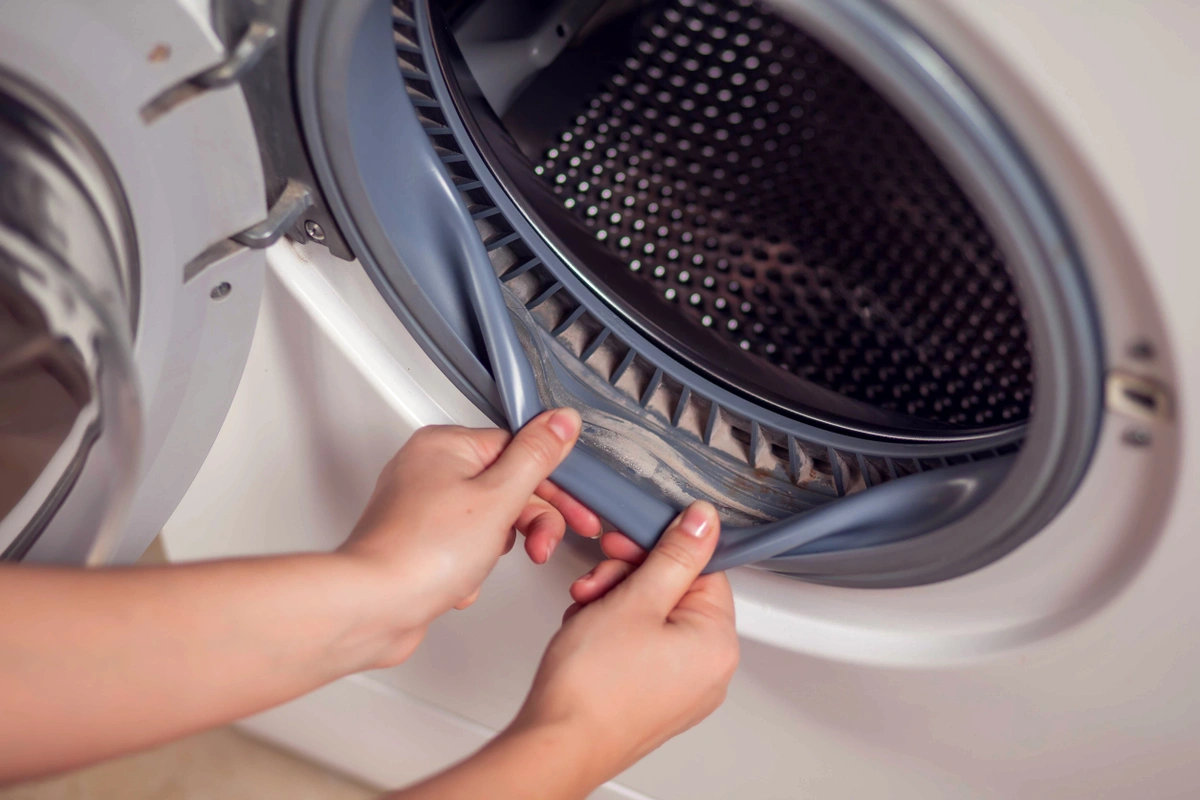
In addition to looking for debris and blockages, it’s also important to check the hose for any signs of wear or damage. Look for any cracks, tears, or bulges along the hose. These can indicate that the hose is deteriorating and may need to be replaced.
Inspect the hose fittings for any signs of corrosion or rust. This can weaken the fittings and lead to leaks. If you notice any damage or corrosion, it’s best to replace the hose to ensure the safety of your washing machine.
Important: If you find any major damage or if the hose is over 5 years old, it’s recommended to replace it rather than trying to clean it. A damaged hose can lead to serious water damage and should not be used.
Reconnect the hose and resume normal use

Once you have inspected the hose and cleared any debris or blockages, it’s time to reconnect it to the washing machine and the water supply. Make sure the connections are tight and secure to prevent any leaks.
After reconnecting the hose, run a small test cycle on your washing machine to ensure that everything is working properly. Monitor the hose during the cycle to check for any leaks or other issues. If you notice any problems, be sure to address them before continuing to use your washing machine.
By regularly inspecting and cleaning your washing machine hose, you can help to maintain its proper functioning and prevent problems such as leaks or flooding. With a little extra care and attention, you can ensure that your washing machine continues to provide you with clean, fresh laundry for years to come.
Cleaning the hose with a brush and warm soapy water
One effective method for cleaning the washing machine hose is to use a brush and warm soapy water. This method helps to remove stubborn dirt, debris, and grime that may have built up over time.
Start by disconnecting the hose from the back of the washing machine and the water supply. Lay the hose on a flat surface, such as a countertop or floor, where you can easily access it.
Next, fill a bucket or basin with warm water and add a few drops of mild dish soap. Mix the soap and water together until it forms a soapy solution.
Dip a brush with stiff bristles (such as a bottle brush or a pipe brush) into the soapy water. Gently scrub the inside and outside of the hose with the brush, making sure to reach all areas.
Pay special attention to any areas that appear dirty or clogged. Use the brush to remove any built-up debris or grime. If necessary, you can also use a cloth or sponge to help scrub away any stubborn residue.
After scrubbing the hose, rinse it thoroughly with clean water to remove any soap residue. You can either hold one end of the hose under a running faucet or use a bucket of water to rinse it.
Once the hose is clean and free of soap, use a towel or cloth to dry it completely. Make sure to also dry the ends of the hose and any connectors or fittings.
Once the hose is dry, reattach it to the washing machine and the water supply. Make sure to securely tighten any connections to prevent leaks.
By regularly cleaning your washing machine hose with a brush and warm soapy water, you can help prevent clogs, improve water flow, and maintain the efficiency of your washing machine.
Rinsing the hose thoroughly with clean water
After scrubbing the washing machine hose with the vinegar solution, it’s important to rinse it thoroughly with clean water. This will help to remove any residue or remaining vinegar from the hose.
Step 1: Prepare a basin of clean water

Fill a basin or bucket with clean water. The water should be tap water or filtered water, free from any contaminants.
Step 2: Submerge the hose in the water
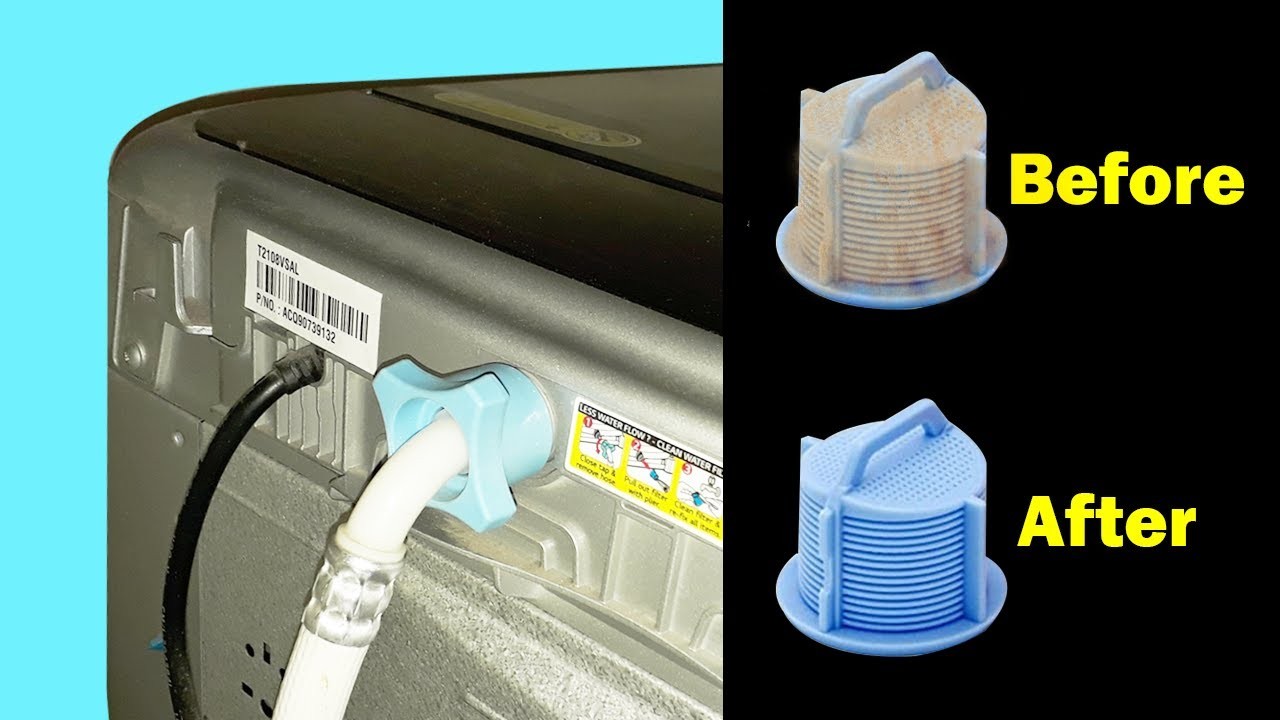
Take the washing machine hose and carefully submerge it in the basin of clean water. Make sure the entire length of the hose is submerged.
Swirl the hose around in the water, ensuring that the water reaches all parts of the hose. This will help to flush out any remaining residue or debris.
Step 3: Drain and repeat if necessary

Once you’re satisfied that the hose has been thoroughly rinsed, remove it from the water and allow it to drain completely. Check the water to ensure it’s clear and free from any dirt or debris.
If the water is still dirty or if you suspect there is still residue in the hose, repeat the rinsing process with clean water until the water runs clear.
Once the hose has been rinsed and drained, it’s ready to be reconnected to the washing machine. Ensure that it is fully dry before reattaching it to avoid any moisture-related issues.
Rinsing the hose thoroughly with clean water is an essential step in the cleaning process. It helps to remove any remaining vinegar, residue, or debris, ensuring that the hose is clean and ready for use.
Reconnecting the hose to the washing machine
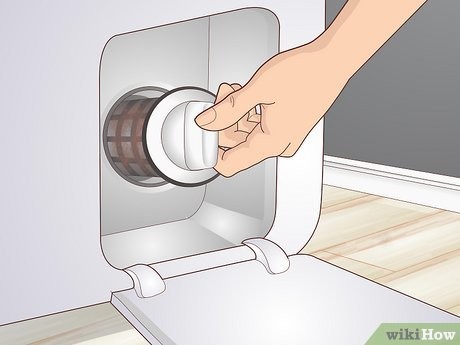
After you have finished cleaning the washing machine hose, it is time to reconnect it to the washing machine. Follow these steps:
- Make sure that both the hose and the washing machine are clean and dry.
- Find the water inlet valve on the back of the washing machine. It is usually located near the top.
- Insert one end of the hose into the water inlet valve. Push it in firmly to ensure a tight connection.
- Tighten the connection by turning the hose clockwise. Be careful not to overtighten as it may cause damage.
- Repeat the above steps for the other end of the hose, connecting it to the water source.
- Check both connections to make sure they are secure and snug. If there are any leaks, tighten them further or consider replacing the hose.
Once the hose is securely connected, you can turn on the water supply and test the washing machine. Run a short cycle to ensure that everything is working properly.
By following these steps, you will be able to reconnect the hose to your washing machine with ease and peace of mind, knowing that it is clean and ready for use.
Video on the topic
How To Clean Washing Machine Pressure Switch Hose with { Subtitles }
How to Clean your WASHING MACHINE!! (Remove Front Load Stink NATURALLY) | Andrea Jean
Samsung Washing Machine Self Cleaning – How To Use
This lady was SURPRISED I showed up to her door after seeing me at the neighbors house
[LG Top Load Washer] General Maintenance For An LG Top Load Washing Machine
Answers to frequently asked questions
Read more practical tips and expert opinions about modern devices at appliances-news.com. Here you will find answers to questions about any technology.


