Washing machines are a modern convenience that many of us rely on to keep our clothes clean and fresh. However, like any other appliance, they can sometimes experience problems, one of which is leakage from the bottom. This can be a frustrating issue to deal with, as it not only creates a mess but also poses a potential hazard to your home and its surroundings.
There are several common causes of washing machine leakage from the bottom. One possible culprit is a damaged or worn-out water inlet valve. This valve controls the flow of water into the machine, and if it becomes faulty, it can lead to leaks. Another common cause is a worn-out or damaged door seal. The door seal, also known as a gasket, is responsible for preventing water from escaping during the washing cycle. If it is cracked or damaged, water can seep out and cause leakage.
In addition, a clogged or blocked drain hose can also cause water to leak from the bottom of the washing machine. This hose is responsible for removing wastewater from the machine, and if it becomes obstructed, the water can overflow and leak onto the floor. Similarly, a malfunctioning pump can also result in leakage. The pump is responsible for draining water from the machine, and if it is not working properly, water can build up and cause leaks.
Finally, excessive detergent or the use of the wrong type of detergent can also lead to washing machine leakage from the bottom. Using too much detergent can cause excessive suds, which can overflow and leak out of the machine. Similarly, using a detergent that is not suitable for your machine can lead to excessive suds and leakage. It is important to follow the manufacturer’s guidelines for detergent usage to prevent such issues.
In conclusion, it is important to address washing machine leakage from the bottom promptly to avoid further damage and potential hazards. By identifying and addressing the common causes, such as a faulty water inlet valve, a worn-out door seal, a blocked drain hose, a malfunctioning pump, or excessive detergent usage, you can resolve the issue and keep your washing machine functioning efficiently.
- Faulty door seal
- Loose or damaged hoses
- Clogged drain pipe
- Steps to check for a clogged drain pipe:
- Worn out water pump
- Cracked or damaged tub
- Video on the topic
- Bitter Surprises: Newlyweds’ Hidden Home Issues | Holmes Inspection S202
- [LG Front Load Washers] Troubleshooting Leaks Under Front Load Washers
- How to Troubleshoot a Leak Problem on a Washing Machine
- Answers to frequently asked questions
Faulty door seal
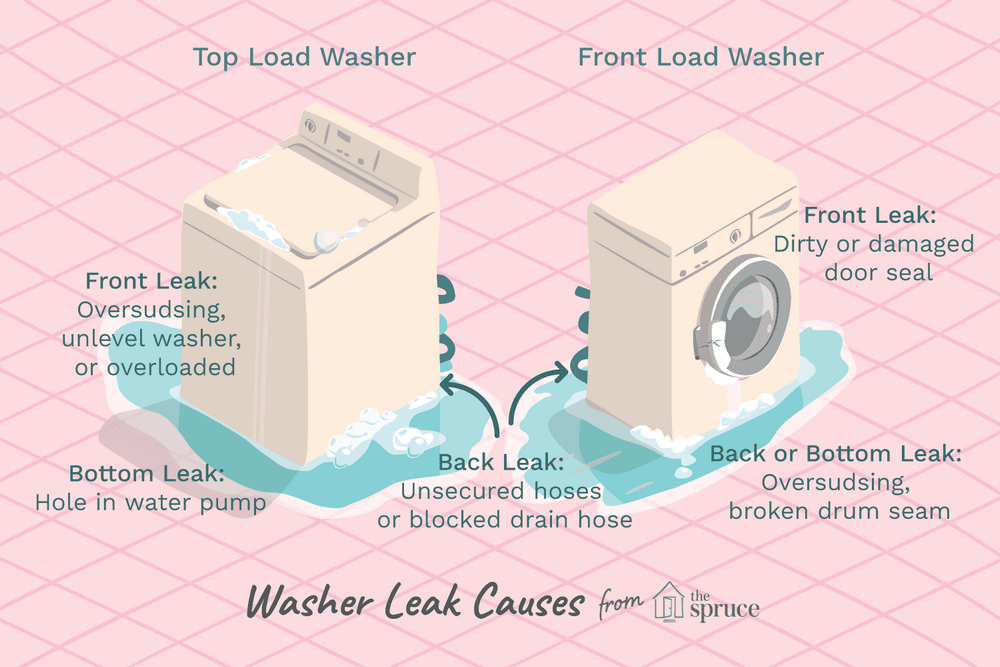
A faulty door seal is a common cause of washing machine leakage from the bottom. The door seal, also known as a gasket, is responsible for creating a watertight seal between the door and the drum of the washing machine. Over time, the door seal can become worn, torn, or damaged, allowing water to leak out.
There are several reasons why a door seal may become faulty. One common reason is that it is not properly cleaned and maintained. Over time, dirt, debris, and detergent residue can accumulate on the seal, causing it to deteriorate. Another common reason is excessive use of the washing machine, which can put extra strain on the seal and cause it to wear out prematurely.
If you suspect that a faulty door seal is causing the leakage, there are a few steps you can take to troubleshoot the problem. First, visually inspect the seal for any signs of wear or damage. Look for tears, fraying, or breakages in the seal. If you notice any issues, it may be necessary to replace the seal.
Additionally, make sure that the door is closed properly and that there are no obstructions preventing it from sealing properly. Sometimes, small items of clothing or other objects can get stuck in the door, preventing it from closing tightly. Remove any obstructions and try closing the door again.
If the problem persists even after inspecting and cleaning the seal, it may be necessary to call a professional for further assistance. They will be able to diagnose the issue and recommend the appropriate solution, whether it be repairing or replacing the door seal.
In conclusion, a faulty door seal can lead to leakage from the bottom of a washing machine. Regular cleaning and maintenance of the seal can help prevent issues from occurring. If a faulty seal is suspected, it is important to take appropriate steps to troubleshoot and address the problem to avoid further damage to the washing machine.
Loose or damaged hoses
One common cause of washing machine leakage from the bottom is loose or damaged hoses. The hoses connected to your washing machine can sometimes become loose over time due to regular use and movement. This can cause water to leak out from where the hoses connect to the machine.
In addition to being loose, hoses can also become damaged and develop cracks or holes. This can happen if the hoses are twisted, bent, or stretched excessively. Aging or poor-quality hoses are also more prone to damage. When the hoses are damaged, water can leak out through these openings.
To identify if loose or damaged hoses are the cause of the leakage, inspect the hoses for any signs of looseness, cracks, or leaks. Check the connections between the hoses and the machine, as well as where the hoses connect to the water supply valves. If you notice any issues, tighten the connections or replace the hoses as necessary.
Clogged drain pipe
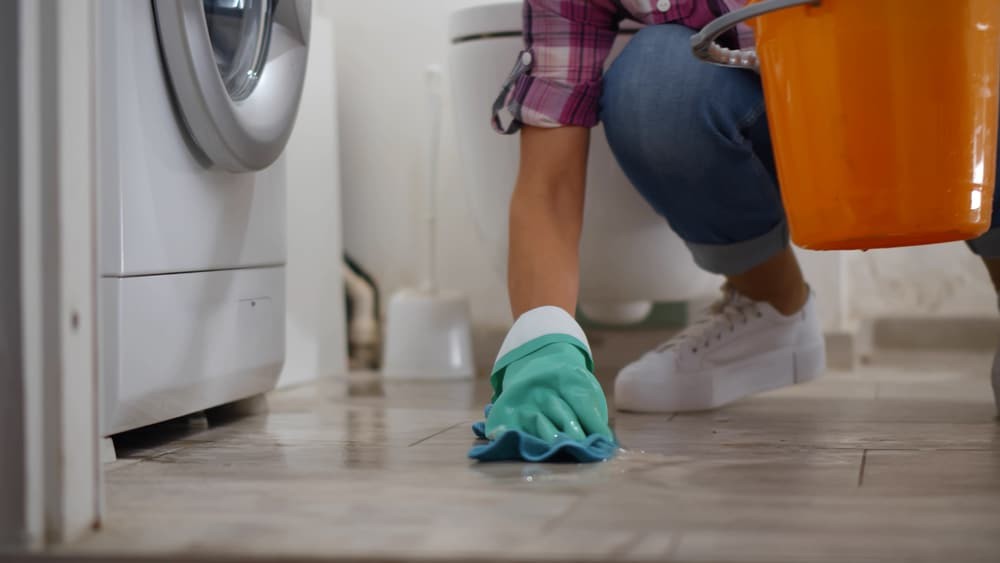
If your washing machine is leaking from the bottom, one possible cause could be a clogged drain pipe. The drain pipe is responsible for carrying the dirty water out of the machine and into your home’s plumbing system. When this pipe becomes clogged, water can back up and overflow from the bottom of the machine.
There are several common reasons why a drain pipe may become clogged. The most common is the buildup of lint, hair, and other debris that gets washed out of your clothes. Over time, these particles can accumulate and create a blockage in the pipe.
To determine if a clogged drain pipe is the cause of your washing machine leakage, you can perform a simple test. Start by disconnecting the machine from the power source and turning off the water supply. Then, place a bucket or a large towel underneath the machine to catch any water that may leak out during the test.
Steps to check for a clogged drain pipe:
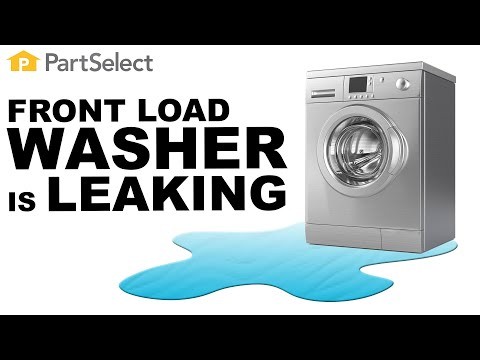
- Locate the drain hose at the back of the machine. The hose is usually connected to a pipe or a standpipe.
- Detach the hose from the pipe or standpipe, taking care to position the end of the hose over the bucket or towel.
- Gently release the clamp or clip that holds the hose in place. Be prepared for any water remaining in the hose to drain out.
- Inspect the inside of the hose for any blockages. You can use a flashlight to get a better view. If you see any debris or clogs, remove them with a plumber’s snake or a long, flexible brush.
- If the hose appears clear of obstructions, it’s a good idea to check the pipe or standpipe where the hose was originally connected. Use a flashlight to look for any blockages, and if necessary, use a plumber’s snake to clear the pipe.
- Once you’ve cleared any blockages, reconnect the hose securely to the pipe or standpipe and turn on the water supply.
- Run a test cycle to determine if the leakage has been resolved. Keep an eye out for any signs of water leaking from the bottom of the machine.
If you find that the drain pipe was indeed clogged and clearing it didn’t solve the leakage issue, it’s recommended to contact a professional for further assistance. They can inspect the machine and plumbing system in more detail to identify and fix any underlying problems.
Remember, always exercise caution when working with electrical appliances and plumbing systems. If you are unsure or uncomfortable performing any of the steps mentioned above, it’s best to seek professional help.
Worn out water pump

One of the common causes of washing machine leakage from the bottom is a worn-out water pump. The water pump is responsible for pumping the water out of the machine during the wash and spin cycles.
Over time, the water pump can become worn out and develop leaks. This can happen due to normal wear and tear or as a result of damage caused by foreign objects getting stuck in the pump. If the water pump is not functioning properly, it may not be able to efficiently remove the water from the machine, leading to leakage.
When the water pump is worn out, you may notice water leaking from the bottom of the washing machine during or after a cycle. This leak may be a small drip or a larger puddle, depending on the severity of the pump damage.
To fix a worn-out water pump, it is typically necessary to replace the pump itself. This is a job that is best left to a professional, as it requires dismantling the washing machine and installing a new pump. A professional technician will be able to determine if the water pump is indeed the cause of the leakage and replace it accordingly.
Regular maintenance and cleaning of the washing machine can help prevent the water pump from becoming worn out prematurely. It is important to check for and remove any debris that may be blocking the pump, as well as to keep the machine clean and free from excess detergent residue.
| Common signs of a worn-out water pump: |
|---|
| 1. Water leaking from the bottom of the washing machine |
| 2. Visible damage or wear on the water pump |
| 3. Inefficient draining of water during the wash and spin cycles |
| 4. Unusual noises coming from the water pump area |
If you suspect that the water pump is the cause of the leakage, it is important to address the issue as soon as possible. Ignoring a worn-out water pump can lead to further damage to the washing machine and potentially more costly repairs down the line.
Cracked or damaged tub
If your washing machine is leaking from the bottom, it could be due to a cracked or damaged tub. The tub is the main part of the washing machine that holds the water during the wash cycle. Over time, the tub can develop cracks or other forms of damage, resulting in water leaking onto the floor.
A cracked or damaged tub can occur for several reasons. One common cause is overloading the washing machine with too many clothes or heavy items. This puts excessive pressure on the tub, leading to cracks or other forms of damage. It’s important to follow the manufacturer’s guidelines for load capacity to prevent this issue.
Another possible cause of a cracked or damaged tub is a foreign object getting trapped between the tub and the outer drum. This could be a small item, such as a coin or a metal fastener, that falls out of a pocket during the wash cycle. As the tub spins, the object can cause significant damage to the tub, resulting in leaks.
If you suspect a cracked or damaged tub is causing the leakage, it’s essential to address the issue promptly. Continuing to use the washing machine with a damaged tub can lead to further water damage and potential electrical issues. A professional technician should be contacted to assess the situation and determine the best course of action, which may involve repairing or replacing the tub.
In conclusion, a cracked or damaged tub can be a common cause of washing machine leakage from the bottom. Properly loading the machine and avoiding the washing of items with small objects in pockets can help prevent this issue. If a cracked or damaged tub is suspected, it’s important to seek professional help to avoid further damage and electrical hazards.
Video on the topic
Bitter Surprises: Newlyweds’ Hidden Home Issues | Holmes Inspection S202
[LG Front Load Washers] Troubleshooting Leaks Under Front Load Washers
How to Troubleshoot a Leak Problem on a Washing Machine
Answers to frequently asked questions
Read more practical tips and expert opinions about modern devices at appliances-news.com. Here you will find answers to questions about any technology.