When your Beko washing machine starts acting up, it can be frustrating and inconvenient. However, before you call a repair service, consider trying to fix the problem yourself. With a little bit of knowledge and some basic tools, you may be able to save time and money by tackling the issue on your own.
This step-by-step guide is designed to help DIY enthusiasts troubleshoot and repair common problems with their Beko washing machines. Whether your machine is not spinning, leaking water, or making strange noises, we will walk you through the diagnostic process and provide clear instructions on how to fix the issue.
Before we dive into the repair process, it’s important to note that safety should always be your top priority. Always unplug the machine and turn off the water supply before attempting any repairs. If you’re unsure about any step or don’t feel comfortable, it’s best to call a professional technician to avoid any accidents or further damage to your appliance.
Now, let’s get started on your Beko washing machine repair journey. Follow our guide, and soon you’ll be back to enjoying clean and fresh laundry without any hassle!
- Common Problems with Beko Washing Machines
- Tools and Materials Needed for Repair
- Safety Precautions
- Step 1: Diagnosing the Problem
- 1. Check for power issues
- 2. Evaluate water supply
- 3. Assess drainage issues
- 4. Examine for mechanical problems
- Video on the topic
- ✨ FRONT LOAD WASHER WON’T SPIN — FIXED IN 8 MINUTES ✨
- Answers to frequently asked questions
Common Problems with Beko Washing Machines

Even though Beko washing machines are known for their durability and reliability, like any other appliances, they can encounter problems from time to time. Here are some of the common issues that owners may face:
1. Water Leaks: One of the most frequent problems with Beko washing machines is water leakage. This can occur due to a faulty hose, a loose connection, or a damaged door seal. It is essential to address this issue promptly to prevent any water damage to your home.
2. Noisy Operation: If your Beko washing machine is making strange noises during operation, it could indicate an issue with the motor, drum bearings, or suspension springs. It is advisable to avoid using the machine until the problem is diagnosed and fixed to prevent further damage.
3. Not Draining Properly: If your washing machine is not draining the water properly, it could be due to a clogged drain pump or a blocked filter. Cleaning the drain pump and filter regularly can help prevent this problem and ensure optimal performance.
4. Error Codes: Beko washing machines are equipped with error codes that indicate specific issues with the appliance. Refer to the owner’s manual or the manufacturer’s website to identify the error code and troubleshoot the problem accordingly.
5. Foul Odors: Over time, your Beko washing machine may develop a foul smell due to the accumulation of dirt, detergent residue, and mold. Regularly cleaning the drum, door seal, and detergent dispenser can help eliminate these odors and maintain a fresh-smelling machine.
6. Not Spinning: If your Beko washing machine is not spinning, it could be due to a faulty motor, belt, or lid switch. Check these components for any signs of damage or wear and replace them if necessary.
Please note that DIY repairs should only be attempted if you have the necessary knowledge and skills. If you are unsure or unable to fix the problem, it is always best to consult a professional technician.
By familiarizing yourself with these common problems associated with Beko washing machines, you can be better prepared to troubleshoot and address any issues that may arise. Regular maintenance and timely repairs can help extend the lifespan of your appliance and ensure its optimal performance.
Tools and Materials Needed for Repair
When it comes to repairing your Beko washing machine, having the right tools and materials is essential. By having these items on hand, you can ensure that you have everything you need to properly diagnose and fix any issues that arise.
Here is a list of the tools and materials you will need for your Beko washing machine repair:
| Tool/Material | Description |
|---|---|
| Screwdriver | A set of screwdrivers with various sizes and types will be necessary for removing panels and accessing different parts of the machine. |
| Adjustable wrench | This tool allows you to tighten or loosen nuts and bolts of different sizes. |
| Needle-nose pliers | These pliers make it easier to grip and manipulate small wires and components. |
| Multi-meter | A multi-meter is used to measure electrical currents and voltages and can help you identify any electrical issues. |
| Replacement parts | Depending on the issue you are facing, you may need to have replacement parts on hand, such as a new pump, motor, or belt. |
| Cleaning supplies | Having cleaning supplies like a brush, mild detergent, and a soft cloth can help you clean any dirty or clogged parts. |
| Owner’s manual or repair guide | Having the owner’s manual or a repair guide specific to your Beko washing machine model can provide you with important information and instructions. |
By making sure you have these tools and materials before you start your Beko washing machine repair, you can save yourself time and frustration. Remember to always follow safety precautions and turn off your machine before attempting any repairs.
Safety Precautions
Repairing your Beko washing machine can be a great DIY project, but it is essential to prioritize your safety. Before you start working on your machine, make sure to follow these safety precautions:
- Unplug the machine: Before you start repairing the washing machine, make sure to unplug it from the power source. This will help prevent any electrical accidents.
- Wear protective gear: It is crucial to wear protective gear, such as gloves and safety glasses, to protect your hands and eyes from any potential injuries.
- Read the manual: Familiarize yourself with the washing machine’s manual before you start working on it. This will provide you with important information about the machine’s components and any specific precautions you need to take.
- Use the right tools: Ensure that you are using the correct tools for the job. Using improper tools can lead to accidents or damage to the machine.
- Work in a well-ventilated area: When working with cleaning agents or chemicals, make sure to do so in a well-ventilated area to avoid inhaling any harmful fumes.
- Keep children and pets away: To prevent any accidents, keep children and pets away from your work area.
- Take breaks: Repairing a washing machine can be physically demanding. Take regular breaks to avoid fatigue and maintain focus throughout the process.
- Ask for help if needed: If you are unsure about any step of the repair process, or if the repair is beyond your capabilities, it is better to seek professional help. Don’t hesitate to ask for assistance to ensure your safety.
By following these safety precautions, you can ensure a safe working environment while repairing your Beko washing machine. Always prioritize your safety to avoid any unnecessary injuries or accidents.
Step 1: Diagnosing the Problem

When your Beko washing machine is not working properly, the first step in repairing it is to diagnose the problem. By identifying the issue, you can determine the necessary repairs and take the appropriate action.
1. Check for power issues

Before diving into any repair work, ensure that your washing machine is properly connected to a power source. Check the power cord for any damage or loose connections. Additionally, make sure that the circuit breaker or fuse controlling the machine’s power is not tripped or blown.
2. Evaluate water supply
If your washing machine is not filling up with water, you may have a problem with the water supply. Check the water inlet hose for any kinks, blockages, or leaks. Ensure that the water supply valve is turned on and providing adequate water pressure. If needed, clean or replace the inlet filter.
3. Assess drainage issues
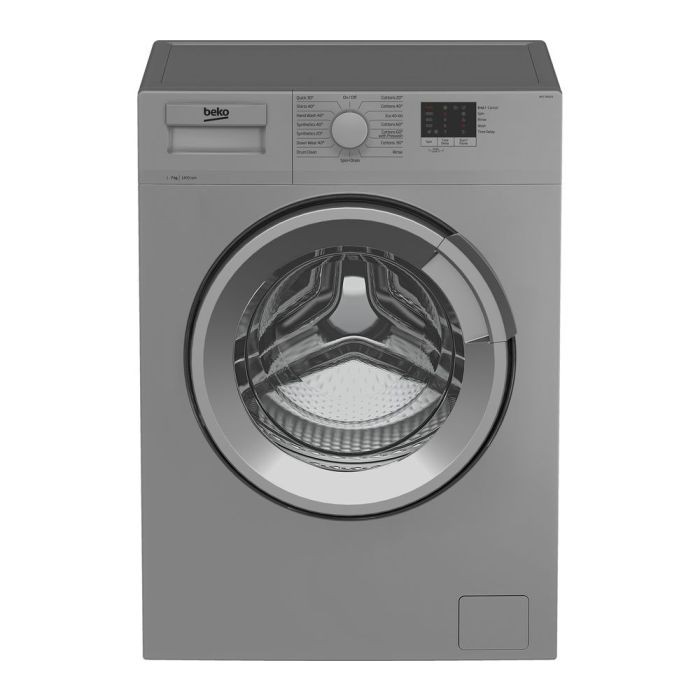
If your washing machine is not draining properly, there may be a clog or obstruction in the drainage system. Check the drain hose for any blockages or twists. Remove any debris that may be trapped in the drain pump or filter. Ensure that the drain hose is positioned correctly to prevent water from flowing back into the machine.
4. Examine for mechanical problems

If your washing machine is making unusual noises or experiencing mechanical issues, it may be due to faulty components. Carefully inspect the drum, belt, motor, and other moving parts for any signs of damage or wear. Look for loose or broken connections that may need to be tightened or replaced.
By thoroughly diagnosing the problem, you can proceed with confidence to the next steps in repairing your Beko washing machine.
Video on the topic
✨ FRONT LOAD WASHER WON’T SPIN — FIXED IN 8 MINUTES ✨
Answers to frequently asked questions
Read more practical tips and expert opinions about modern devices at appliances-news.com. Here you will find answers to questions about any technology.