Do you find yourself constantly annoyed by the loud noise your washing machine makes every time you do laundry? You’re not alone. The sound of a washing machine can be disruptive, especially if it’s located in a small space like an apartment or if you have young children in the house. Fortunately, there are several effective ways to reduce washing machine sound and create a quieter home environment.
One of the simplest ways to minimize the noise from your washing machine is to place a rubber mat or anti-vibration pads underneath it. This will help absorb the vibrations and reduce the noise generated during the spinning cycle. Additionally, consider installing a soundproofing mat on the walls or cabinets surrounding the washing machine to further dampen the noise.
Another effective solution is to check if your washing machine is properly leveled. If it’s not, it can cause excessive vibrations and noise during operation. Use a bubble level to ensure that the machine is balanced in all directions. Adjust the feet of the machine accordingly to achieve a level position. This simple step can significantly reduce the noise produced by your washing machine.
Furthermore, consider opting for a front-loading washing machine instead of a top-loading one. Front-loading machines are generally quieter because they don’t have an agitator and use less water during the wash cycle. They also tend to have better insulation and are designed to minimize noise. So, if noise reduction is a priority for you, investing in a front-loading washing machine can make a noticeable difference in the overall quietness of your home.
In conclusion, dealing with a noisy washing machine can be frustrating, but you don’t have to endure it forever. By implementing these simple solutions like using rubber mats, leveling the machine, and considering a front-loading model, you can significantly reduce the sound of your washing machine and enjoy a quieter home environment. So, say goodbye to the disruptive noise and hello to a more peaceful laundry experience!
- Top Tips for a Quieter Washing Machine
- 1. Level Your Washing Machine
- 2. Use Anti-Vibration Pads
- 3. Inspect and Replace Damaged Parts
- 4. Clean the Machine
- 5. Use Proper Detergent and Load Size
- 6. Insulate the Surrounding Area
- Proper Installation and Placement
- 1. Level the Machine:
- 2. Use Anti-Vibration Pads:
- 3. Insulate the Surroundings:
- Inspect and Replace Damaged Parts
- Use Anti-Vibration Mats or Pads
- Regular Maintenance and Cleaning
- 1. Clean the drum:
- 2. Check the filter:
- 3. Inspect the hoses:
- 4. Level the machine:
- 5. Use the right amount of detergent:
- Video on the topic
- How to Soundproof a Washing Machine – 3 Vibration Reduction
- How to Quiet a Noisy Forced-Air System | This Old House
- Fixing A GE Washer That Makes A Grinding Noise During The Wash Cycle!
- Reduce laundry-room noise with sound panels
- FAN WHITE NOISE | Fall asleep, stay asleep (11 Hours)
- Answers to frequently asked questions
Top Tips for a Quieter Washing Machine
If your washing machine is making unwanted noise and disrupting the peace in your home, follow these top tips to help reduce the sound and create a quieter laundry experience.
1. Level Your Washing Machine
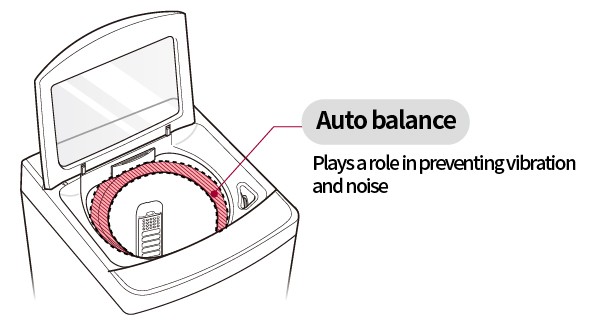
Make sure your washing machine is properly leveled. Adjust the feet of the machine to ensure it is stable and balanced. An unbalanced washing machine can cause excessive vibration and noise.
2. Use Anti-Vibration Pads
Place anti-vibration pads under your washing machine to absorb the vibrations and reduce noise. These pads can help to isolate the machine and prevent it from transferring excessive noise to the floor and surrounding areas.
3. Inspect and Replace Damaged Parts
Regularly inspect your washing machine for any damaged or worn-out parts, such as motor mounts or suspension springs. These parts can contribute to increased noise levels. Replace any damaged parts to ensure smooth and quiet operation.
4. Clean the Machine
Regularly clean the interior of the washing machine, especially the drum and filters. Build-up of dirt, lint, and debris can affect the machine’s performance and contribute to excessive noise. Clean the machine to maintain optimal functioning and reduce noise levels.
5. Use Proper Detergent and Load Size
Use the recommended amount of detergent according to the manufacturer’s instructions. Using too much detergent can cause extra foaming, which can lead to increased noise during the wash cycle. Additionally, avoid overloading the machine as this can strain the motor and cause more noise.
6. Insulate the Surrounding Area

If your washing machine is located in a room that shares a wall with a living space, consider adding insulation to the wall. This can help to reduce the noise transmission from the machine to the adjacent rooms, making your home quieter.
| Tip | Description |
|---|---|
| Level Your Washing Machine | Adjust the feet to ensure stability |
| Use Anti-Vibration Pads | Place pads to absorb vibrations |
| Inspect and Replace Damaged Parts | Check for damaged parts and replace as necessary |
| Clean the Machine | Regularly clean the interior and filters |
| Use Proper Detergent and Load Size | Follow recommended detergent amount and load size |
| Insulate the Surrounding Area | Add insulation to reduce noise transmission |
Proper Installation and Placement
One of the key factors in reducing washing machine sound is ensuring proper installation and placement of the machine. Here are a few tips to consider:
1. Level the Machine:

Ensure that the washing machine is properly leveled. A washing machine that is not level can cause excessive vibrations and noise during operation. Use a bubble level to check if the machine is balanced and adjust the leveling feet accordingly.
2. Use Anti-Vibration Pads:

Consider using anti-vibration pads under the washing machine to absorb and reduce vibrations. These rubber pads can help to minimize noise by dampening any vibrations that may occur during the wash cycle.
It’s important to note that anti-vibration pads should be used on a hard and level surface for maximum effectiveness.
3. Insulate the Surroundings:

Providing proper insulation around the washing machine can also help in reducing the noise transmitted to other parts of your home. Install sound-absorbing materials on the walls, such as foam or soundproof curtains, to help minimize the sound transmission.
Additionally, placing the washing machine in an area that is away from bedrooms or living spaces can help to further reduce the impact of the noise on your home’s overall tranquility.
By following these installation and placement tips, you can create a quieter environment in your home and enjoy a more peaceful laundry experience.
Inspect and Replace Damaged Parts
Regularly inspecting and replacing damaged parts is crucial in reducing the sound generated by your washing machine. Over time, various components may wear out or become damaged, leading to increased noise levels during operation.
Start by checking the drum and agitator for any cracks or signs of wear. A damaged drum or agitator can cause imbalance and produce loud banging or scraping sounds. If you notice any issues, consider replacing these parts.
Next, examine the pump and motor mounts. Loose or worn-out mounts can result in excessive vibration and noise. Tighten or replace the mounts as necessary to reduce the sound produced by these components.
Additionally, inspect the drive belt for signs of fraying or damage. A worn-out belt can lead to squealing or screeching noises. If you find any issues, replace the belt promptly.
Lastly, check the bearings. Faulty bearings can cause a loud grinding or squealing sound. Lubricate or replace the bearings to minimize noise and ensure smooth operation.
By regularly inspecting and replacing damaged parts, you can effectively reduce the sound produced by your washing machine, creating a quieter home environment.
Use Anti-Vibration Mats or Pads
One effective way to reduce the sound produced by your washing machine is by using anti-vibration mats or pads. These mats are designed to absorb the vibrations caused by the machine’s movements, preventing them from transferring to the floor and creating noise.
When choosing anti-vibration mats or pads, make sure to select ones that are specifically designed for washing machines. These mats are usually made from rubber or a similar material that is known for its vibration-dampening properties. They are typically placed beneath the washing machine to provide a cushioning effect and reduce the noise levels.
Anti-vibration mats or pads not only help to reduce the sound produced by your washing machine, but they also offer additional benefits. By absorbing the vibrations, they can prolong the lifespan of your machine by preventing excessive movement or shaking. They can also help to protect your floors by reducing the risk of scratches or damage caused by the machine’s vibrations.
To install the anti-vibration mats or pads, simply place them on a clean and level surface. Make sure they are positioned correctly beneath the feet of the washing machine to maximize their effectiveness. It’s also important to regularly check the mats or pads for any signs of wear and tear and replace them if necessary.
Using anti-vibration mats or pads is a simple and cost-effective way to reduce the sound produced by your washing machine. Give them a try and enjoy a quieter home environment.
Regular Maintenance and Cleaning
Regular maintenance and cleaning of your washing machine can help reduce the noise it produces and keep it running smoothly. Here are some tips to follow:
1. Clean the drum:
Start by cleaning the drum of your washing machine. Remove any residue or buildup that may be present. You can use a damp cloth or sponge to wipe the inside of the drum. Be sure to also check and clean the rubber seal around the door for any dirt or debris.
2. Check the filter:

Most washing machines have a filter that needs to be checked and cleaned regularly. Refer to the manufacturer’s instructions on how to locate and clean the filter. A clogged filter can cause excessive noise and inefficient performance.
3. Inspect the hoses:
Inspect the hoses connected to your washing machine. Look for any signs of wear or damage, such as cracks or leaks. If you notice any issues, replace the hoses to prevent potential noise and water damage.
4. Level the machine:
Make sure your washing machine is properly leveled. Use a spirit level to check if it is balanced. If it’s not, adjust the feet of the machine until it is level. An unbalanced machine can cause excess noise and vibrations.
5. Use the right amount of detergent:
Using too much detergent can cause excess suds, which can increase the noise level during a wash cycle. Follow the manufacturer’s recommendations for the appropriate amount of detergent to use based on the load size and type of fabric being washed.
By regularly maintaining and cleaning your washing machine, you can help reduce the noise it produces and ensure it continues to operate efficiently.
Video on the topic
How to Soundproof a Washing Machine – 3 Vibration Reduction
How to Quiet a Noisy Forced-Air System | This Old House
Fixing A GE Washer That Makes A Grinding Noise During The Wash Cycle!
Reduce laundry-room noise with sound panels
FAN WHITE NOISE | Fall asleep, stay asleep (11 Hours)
Answers to frequently asked questions
Read more practical tips and expert opinions about modern devices at appliances-news.com. Here you will find answers to questions about any technology.