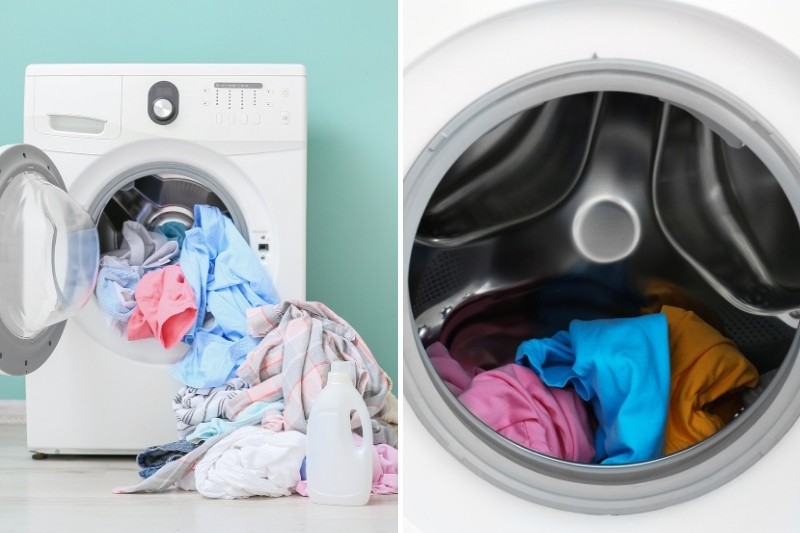
There is nothing more frustrating than loading up your washing machine, pressing the start button, and then realizing that it has frozen on the spin cycle. This issue can be a major inconvenience, leaving you with a pile of wet laundry and no way to get it dry. But why does it happen? What causes your washing machine to freeze on spin?
One possible cause of this problem is an imbalance in the load. When you overload the washing machine or place heavy items on just one side, it can throw off the balance of the drum. As a result, the machine may struggle to distribute the load evenly during the spin cycle, causing it to freeze. It is important to ensure that you are loading your machine correctly and not exceeding its capacity.
Another potential culprit is a faulty or worn-out motor. The motor is responsible for driving the drum and controlling the speed of the spin cycle. If it is not functioning properly, it may not be able to complete the spin cycle, causing the machine to freeze. In this case, you may need to have the motor repaired or replaced by a professional technician.
- Common Reasons for Washing Machine Freezing on Spin
- 1. Unbalanced Load
- 2. Drivetrain Issues
- 3. Water Level Problems
- 4. Malfunctioning Control Board
- 5. Overloading
- Overloading the Washing Machine
- Signs of Overloading
- Other Causes of Freezing
- Imbalanced Load
- Video on the topic
- How to Fix a Washing Machine That Won’t Spin / Weak Spin Cycle (Easy Fix)
- Wash Machine Won’t Drain or Spin – EASY 5 Minute Fix!
- LG Washer Stuck On Spin Cycle | LG Washer Keeps Repeating Spin Cycle | 2026
- Christmas Spin Cycle – The shortest program in samsung washing machine
- Answers to frequently asked questions
Common Reasons for Washing Machine Freezing on Spin

Experiencing a freezing issue during the spin cycle is a common problem with washing machines. This frustrating issue can disrupt your laundry routine and leave you wondering why it’s happening. There are several potential reasons why your washing machine may be freezing on the spin cycle, including:
1. Unbalanced Load
An unbalanced load is a primary reason why a washing machine freezes during the spin cycle. When the load is unbalanced, the machine may struggle to maintain stability and may automatically shut down to prevent damage. To prevent this, ensure that you evenly distribute the clothes inside the tub before starting the spin cycle.
2. Drivetrain Issues

If your washing machine has issues with its drivetrain, such as a worn-out belt or a faulty motor, it may freeze on the spin cycle. These components play a crucial role in the spinning motion, and any malfunction can disrupt the cycle. Consult a professional technician to diagnose and resolve any drivetrain issues.
3. Water Level Problems

Insufficient water levels can also lead to a freezing problem during the spin cycle. If there isn’t enough water in the tub, the machine may struggle to maintain the necessary balance and stability. Check the water level settings on your washing machine and ensure they are properly adjusted.
4. Malfunctioning Control Board

A malfunctioning control board can cause various issues with the washing machine, including freezing during the spin cycle. The control board regulates the machine’s functions and ensures the proper sequence of events during each cycle. If the control board is malfunctioning, it may disrupt the spin cycle. Consider contacting a professional technician to inspect and repair the control board if necessary.
5. Overloading

Overloading the washing machine with too many clothes can overload the motor and cause it to freeze during the spin cycle. It is essential to follow the manufacturer’s guidelines regarding the maximum load capacity of your washing machine to prevent such issues.
| Potential Cause | Solution |
|---|---|
| Unbalanced Load | Evenly distribute clothes before starting the spin cycle. |
| Drivetrain Issues | Consult a professional to diagnose and repair any drivetrain issues. |
| Water Level Problems | Check and adjust water level settings on the washing machine. |
| Malfunctioning Control Board | Contact a professional technician to inspect and repair the control board. |
| Overloading | Ensure not to exceed the maximum load capacity recommended by the manufacturer. |
Overloading the Washing Machine

One of the reasons why your washing machine may freeze on spin is because you are overloading it. Washing machines have a specific weight limit that they can handle, and exceeding this limit can cause the machine to malfunction.
When you overload the machine, it puts extra strain on the motor and other components, which can lead to overheating. This, in turn, can cause the machine to freeze on the spin cycle.
To avoid overloading your washing machine, it’s important to familiarize yourself with the weight limit specified in the machine’s manual. This limit is often measured in kilograms and refers to the weight of the dry laundry.
It’s also a good idea to divide your laundry into smaller loads if you have a large amount to wash. This will ensure that each load is within the weight limit and will reduce the strain on the machine.
Signs of Overloading

There are some signs that can indicate that you are overloading your washing machine. These include:
- The machine making loud noises during the spin cycle
- The machine vibrating excessively
- The machine taking longer than usual to complete a cycle
- The machine stopping or freezing during the spin cycle
If you notice any of these signs, it’s important to stop the machine immediately and remove some of the laundry. Continuing to run the machine while it’s overloaded can cause further damage and may require expensive repairs.
Other Causes of Freezing
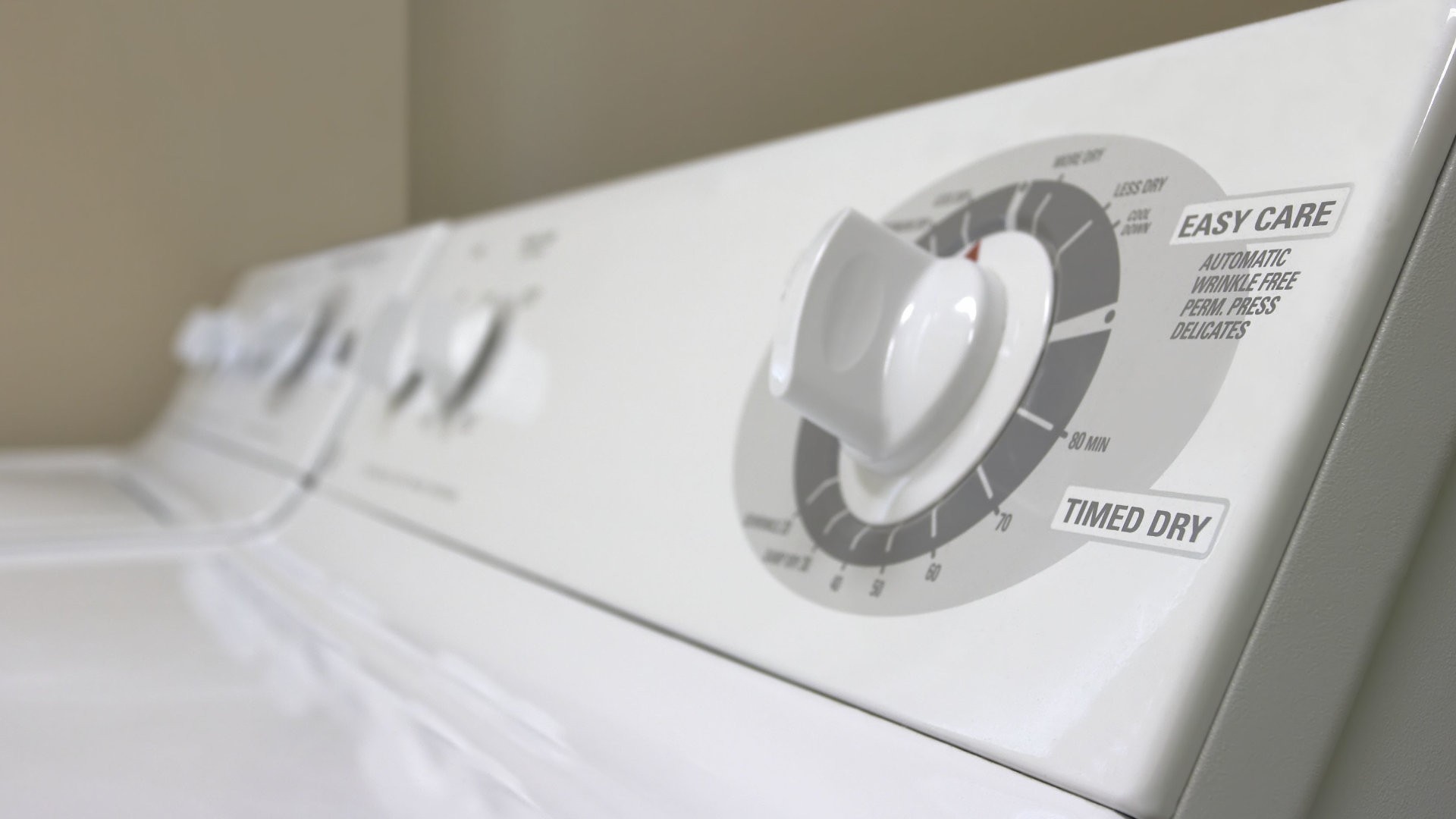
While overloading is a common cause of washing machines freezing on spin, there can be other reasons as well. These include:
- A faulty motor or motor control board
- A clogged drain pump or filter
- An unbalanced load
If you have ruled out overloading as the cause of the problem, it may be necessary to seek professional help to diagnose and fix the issue.
In conclusion, overloading a washing machine can cause it to freeze on the spin cycle. To avoid this, be sure to stay within the weight limit specified in the machine’s manual and divide your laundry into smaller loads if necessary. If the problem persists, consider seeking professional assistance.
Imbalanced Load

One possible reason why your washing machine freezes on the spin cycle is an imbalanced load. An imbalanced load occurs when the laundry is unevenly distributed inside the drum. This can happen if you put too many clothes on one side or if larger items, such as blankets or pillows, get tangled up together.
When the washing machine detects an imbalanced load, it automatically tries to redistribute the laundry to achieve proper balance. However, if it fails to do so, the spinning process may be interrupted to prevent damage to the machine and ensure your safety.
To avoid imbalanced loads, it is important to follow the manufacturer’s instructions for loading your washing machine correctly. Make sure to distribute the weight of the laundry evenly around the drum. Avoid overloading the machine with too many clothes or bulky items.
If you consistently experience imbalanced loads, you may want to consider sorting your laundry into smaller loads or selecting a wash cycle specifically designed for bulky items. Additionally, make sure that your washing machine is level and stable. Uneven flooring or an unstable base can contribute to imbalanced loads.
Remember, an imbalanced load can cause your washing machine to freeze on the spin cycle, so it’s important to address this issue to ensure proper functioning and avoid potential damage to your machine.
Video on the topic
How to Fix a Washing Machine That Won’t Spin / Weak Spin Cycle (Easy Fix)
Wash Machine Won’t Drain or Spin – EASY 5 Minute Fix!
LG Washer Stuck On Spin Cycle | LG Washer Keeps Repeating Spin Cycle | 2026
Christmas Spin Cycle – The shortest program in samsung washing machine
Answers to frequently asked questions
Read more practical tips and expert opinions about modern devices at appliances-news.com. Here you will find answers to questions about any technology.