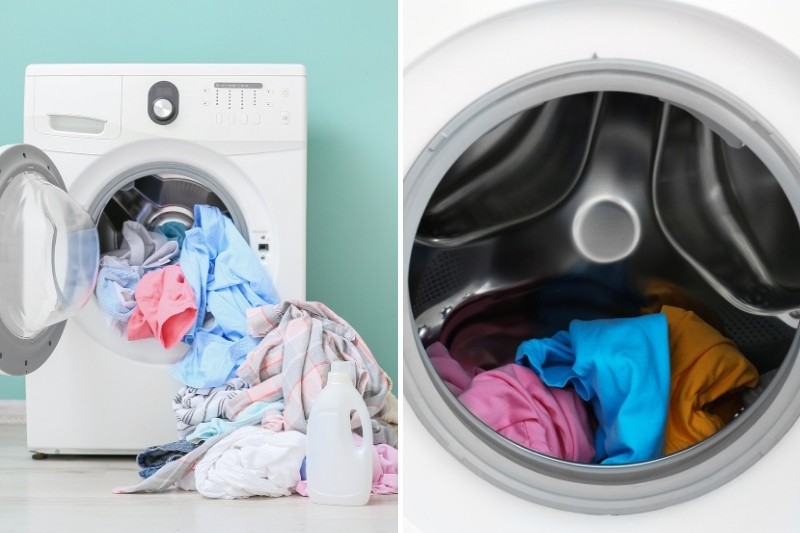
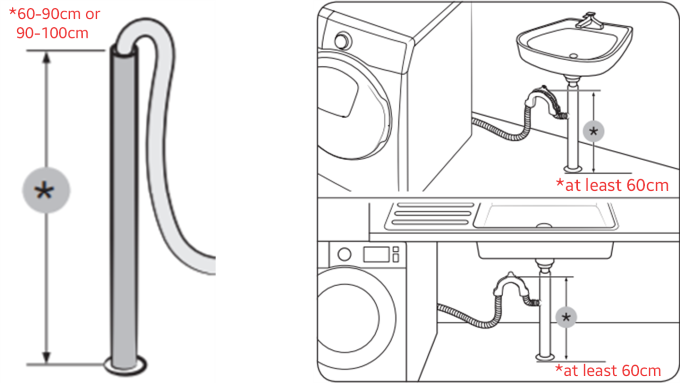
Does it often feel like your washing machine is taking forever to finish a load of laundry? You’re not alone. Many people find themselves frustrated with the slow pace of their washing machines, especially when they’re in a hurry to get a particular item of clothing clean.
There are several possible reasons why your washing machine might be taking longer than usual to wash your clothes. One common culprit is a clogged or malfunctioning water inlet valve. This valve controls the flow of water into the washing machine, and if it’s not working properly, it can slow down the wash cycle significantly.
Another possible cause of a slow washing machine is a faulty drain pump. The drain pump is responsible for removing water from the machine after each wash cycle, and if it’s not functioning correctly, it can cause the machine to take longer than usual to complete a cycle.
Additionally, an overloaded washing machine can also contribute to longer wash times. If you’re trying to wash too many clothes at once, the machine may have trouble properly agitating and rinsing them, resulting in a longer cycle.
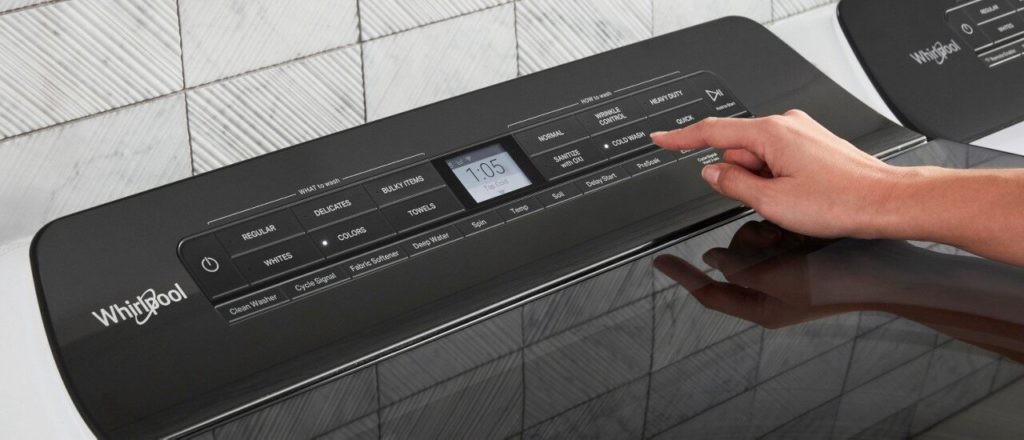
In some cases, a long wash time may simply be the result of a specific setting or cycle being selected. Some washing machines offer various options for wash times, such as a quick wash or an extra-heavy cycle. If you’ve accidentally selected one of these longer options, that could be why your machine is taking longer to finish a load.
If your washing machine is consistently taking longer than you think it should, it may be worth contacting a professional to diagnose and resolve the issue. They can help identify the specific cause of the slow wash time and recommend the appropriate solution, whether it’s repairing or replacing a faulty part or adjusting the machine’s settings.
- Common causes of a slow washing machine
- Clogged water inlet
- Overloaded drum
- Unbalanced load
- Tips for preventing an unbalanced load:
- Faulty drain pump
- 1. Slow or weak drainage:
- 2. Unusual noises:
- Dirty or damaged filter
- Signs of a dirty or damaged filter
- Low water pressure
- Video on the topic
- How to Use a Washing Machine (Clean My Space)
- Answers to frequently asked questions
Common causes of a slow washing machine

A slow washing machine can be frustrating, but there are several common causes that can contribute to this issue. By understanding the reasons behind it, you can take appropriate action to resolve the problem. Here are some common causes of a slow washing machine:
- Overloading: One of the most common causes of a slow washing machine is overloading it with too many clothes. When the machine is overloaded, it becomes difficult for the water and detergent to circulate properly, resulting in longer wash cycles.
- Clogged drain hose: A clogged drain hose can also cause the washing machine to take longer to wash. If the drain hose is blocked or kinked, it restricts the flow of water out of the machine, leading to slower cycles.
- Low water pressure: Insufficient water pressure can affect the performance of your washing machine and cause it to take longer to complete a cycle. If the water pressure in your home is low, it may take longer for the machine to fill and drain properly.
- Malfunctioning water inlet valve: The water inlet valve is responsible for controlling the flow of water into the washing machine. If it is malfunctioning or partially blocked, it can result in reduced water flow, leading to longer wash times.
- Dirty or worn-out agitator: The agitator is the part of the washing machine that moves the clothes around during the wash cycle. If it is dirty or worn-out, it may not agitate the clothes effectively, resulting in longer wash times.
If you are experiencing a slow washing machine, it is recommended to check for these common causes and take appropriate measures to resolve the issue. By doing so, you can ensure efficient and timely washing cycles in the future.
Clogged water inlet
Another reason why your washing machine may be taking a long time to wash is if the water inlet is clogged. The water inlet is responsible for bringing water into the machine during the wash cycle.
If the inlet is clogged, it can restrict the flow of water into the machine, causing the cycle to take longer than usual. Over time, debris, such as dirt or sediment, can build up in the water inlet and lead to a blockage.
To check if the water inlet is clogged, you can inspect the inlet hose for any visible blockages. If you notice any debris or buildup, it is important to clean it out. You can use a soft brush or toothbrush to gently scrub away any dirt or sediment.
In some cases, the water inlet valve may also be the source of the clog. The valve can become blocked with mineral deposits over time, especially if you have hard water. If you suspect that the valve is clogged, it may need to be cleaned or replaced.
Regular maintenance is important to prevent clogged water inlets. You can prevent future blockages by checking and cleaning the water inlet periodically. Additionally, using a water softener or sediment filter can help reduce the amount of debris that enters the machine.
By addressing a clogged water inlet, you can improve the efficiency of your washing machine and reduce the time it takes for each cycle. Regular maintenance and cleaning can help ensure that your machine continues to run smoothly for years to come.
Overloaded drum
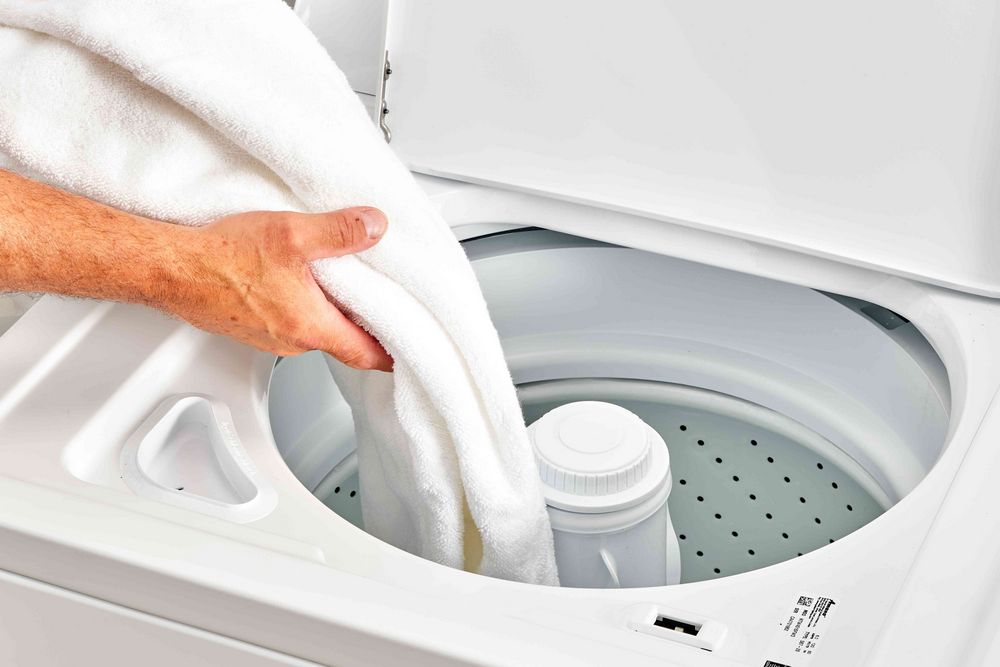
One of the most common reasons why your washing machine takes a long time to wash is an overloaded drum. It can be tempting to stuff as many clothes as possible into the machine in order to save time and energy. However, this can actually have the opposite effect.
When the drum is overloaded, the clothes are not able to move around freely, which can prevent them from being properly washed. This can result in longer washing cycles as the machine attempts to compensate for the lack of space by working harder and longer.
Overloading the drum can also put excessive strain on the machine’s motor and other components, which can lead to wear and tear and potentially expensive repairs down the line. Additionally, an overloaded drum can cause unbalanced loads, which can cause the machine to shake or vibrate excessively during the spin cycle.
To avoid these issues, it’s important to follow the manufacturer’s guidelines regarding load capacity. While it might be tempting to cram as much as possible into the drum, it’s best to leave some room for the clothes to move around. This will ensure that they are properly washed and prevent unnecessary strain on the machine.
It’s also worth noting that overloading the drum can affect the machine’s energy efficiency. When the drum is too full, the clothes can’t be properly agitated and rinsed, which can result in the need for additional water and detergent. This can increase both the water and energy consumption of each wash cycle.
In conclusion, an overloaded drum is a common reason why your washing machine takes a long time to wash. By following the manufacturer’s guidelines regarding load capacity and leaving some room for the clothes to move around, you can ensure that your machine works efficiently and effectively, saving you time, money, and energy.
Unbalanced load
One possible reason why your washing machine takes a long time to wash is due to an unbalanced load. An unbalanced load occurs when the laundry inside the machine is not distributed evenly, causing the drum to become off-balance during the wash cycle. This can lead to the machine taking longer to wash as it tries to redistribute the weight and stabilize the drum.
There are a few reasons why an unbalanced load may happen. One common reason is overloading the machine with too much laundry. When the drum is packed full, it is more likely for the laundry to clump together or become tangled, resulting in an unbalanced load. It is important to follow the manufacturer’s recommendations for load size to avoid this issue.
Another reason for an unbalanced load could be the type of laundry being washed. Items such as large blankets, towels, or rugs can throw off the balance of the machine. It is recommended to wash these items separately or distribute them evenly in the drum to prevent an unbalanced load.
Tips for preventing an unbalanced load:

- Follow the manufacturer’s guidelines for load size.
- Avoid overloading the machine with too much laundry.
- Separate large and heavy items or distribute them evenly in the drum.
If you continue to experience long washing times despite following these tips, it is recommended to consult the manufacturer’s manual or contact a professional technician to inspect your washing machine for any potential issues.
Faulty drain pump
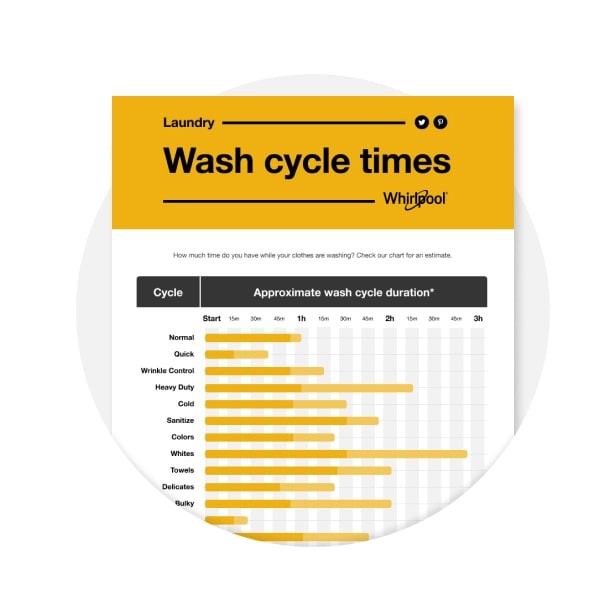
A common reason for a washing machine taking a long time to wash is a faulty drain pump. The drain pump is responsible for removing water from the machine during the wash cycle.
When the drain pump is faulty, it may not be able to effectively drain the water, causing the machine to take longer to complete the wash cycle. This can be due to a variety of reasons, such as a clogged pump or a worn-out motor.
If you suspect a faulty drain pump, you can check for the following signs:
1. Slow or weak drainage:
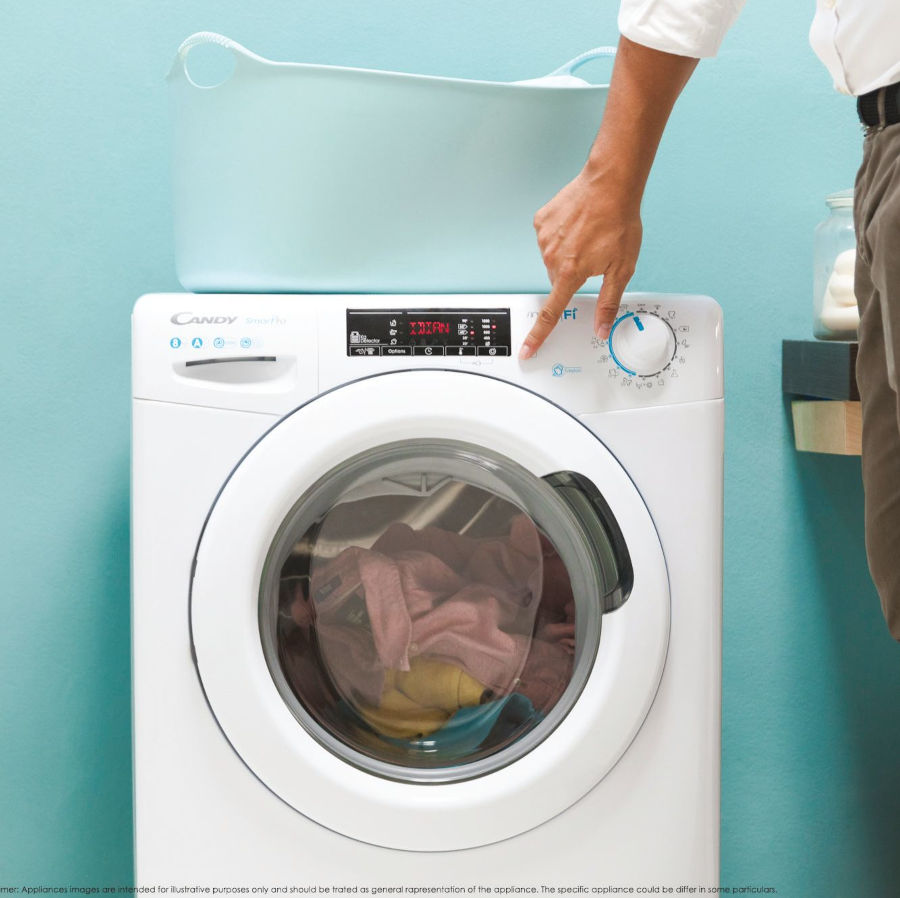
If you notice that the water is draining slowly or not at all, it can be an indication of a faulty drain pump. This can result in longer wash times as the machine tries to remove the water.
2. Unusual noises:
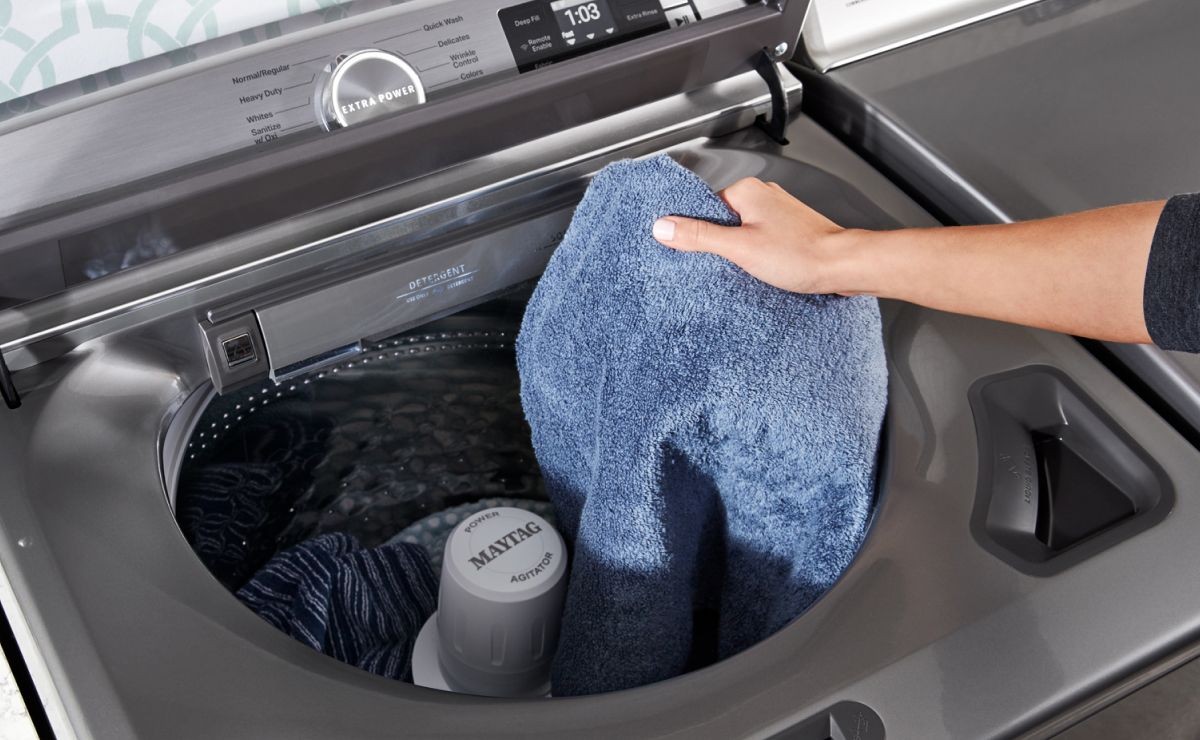
A faulty drain pump may produce unusual grinding or humming sounds during operation. If you hear any strange noises, it could be a sign that the pump needs to be repaired or replaced.
If you determine that the drain pump is indeed faulty, it is recommended to seek professional help to replace or repair it. Attempting to fix the pump yourself can result in further damage to the machine.
Regular maintenance, such as cleaning the pump filter and ensuring there are no blockages in the drain hose, can help prevent drain pump issues and keep your washing machine running efficiently.
Remember, a faulty drain pump can cause your washing machine to take longer to wash, so it’s important to address this issue promptly to avoid any further inconvenience or damage to your machine.
Dirty or damaged filter
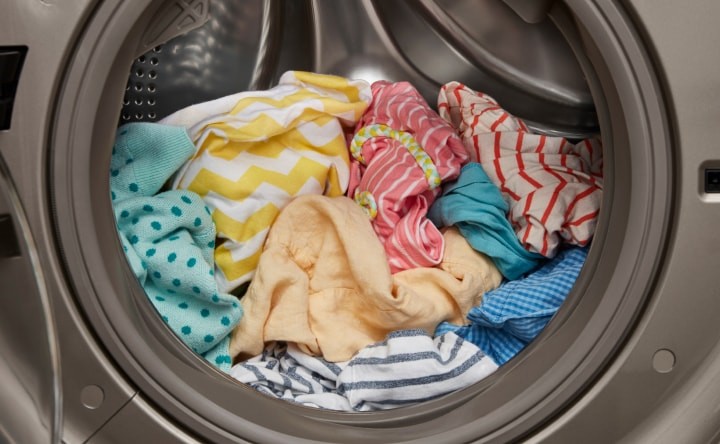
If your washing machine is taking a long time to wash, it could be due to a dirty or damaged filter. The filter is designed to catch lint, hair, and other debris from the water used in the washing machine. Over time, this filter can become clogged with dirt and debris, reducing the water flow and causing your machine to take longer to complete a cycle. Additionally, a damaged filter can also impede the water flow, further increasing the washing time.
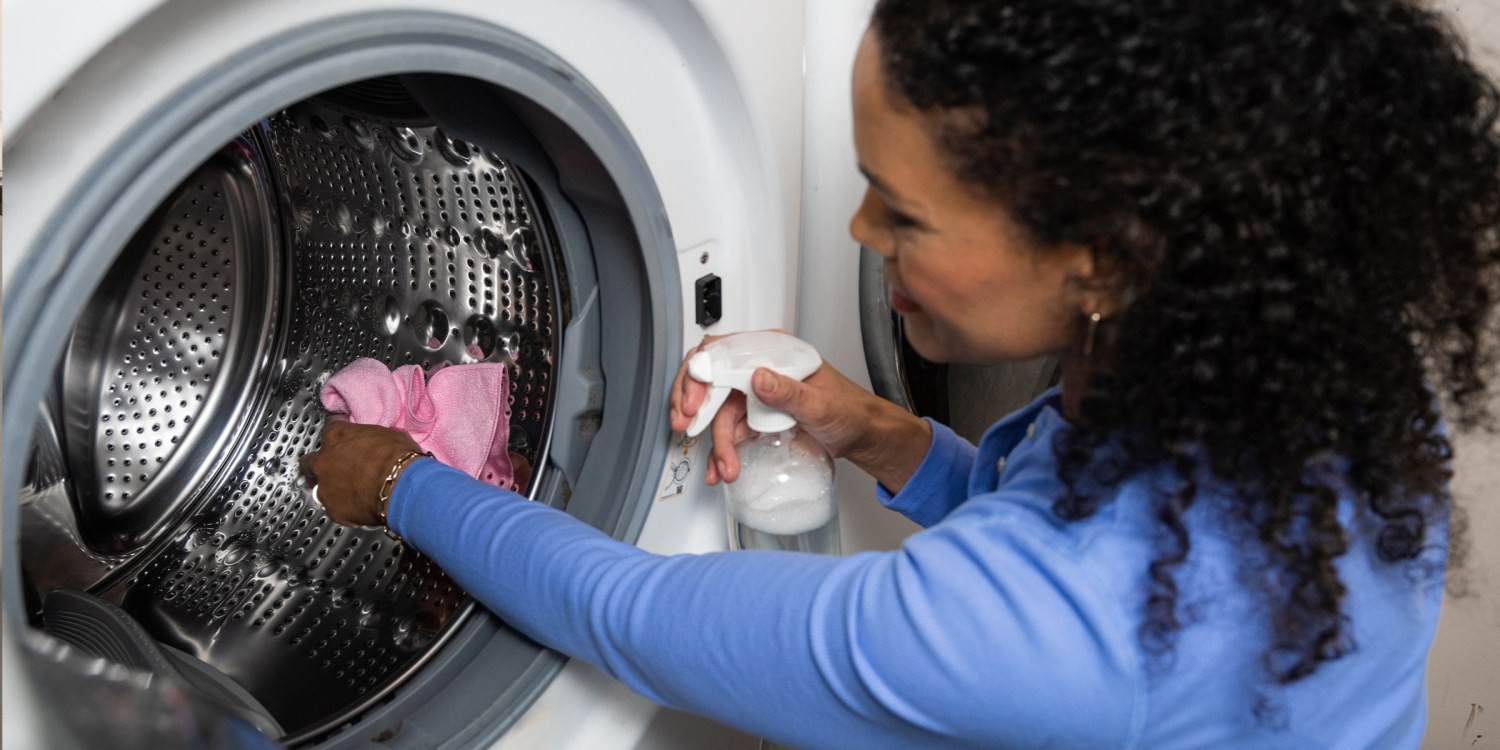
To check if the filter is dirty, locate it in your washing machine. Most filters are located at the bottom of the machine, behind a small panel. You may need to consult your washing machine’s manual to find the exact location of the filter. Once you have located the filter, remove it and inspect it for any dirt or damage. If the filter is dirty, carefully clean it under running water, making sure to remove all the debris. If the filter is damaged, it may need to be replaced.
Regularly cleaning and maintaining the filter can help prevent clogs and ensure the optimal functioning of your washing machine. It is recommended to clean the filter at least once a month or as specified in your washing machine’s manual. Additionally, using a mesh laundry bag can help prevent lint and other debris from reaching the filter and clogging it.
Signs of a dirty or damaged filter
If you suspect that the filter is dirty or damaged, there are some signs to look out for:
- Longer wash cycles
- Poor water flow
- Residue or lint on clothes after washing
- Noisy operation
- Machine not draining properly
If you notice any of these signs, it is important to check and clean the filter. Neglecting a dirty or damaged filter can result in further problems with your washing machine and potentially lead to more expensive repairs.
Note: If you are unsure about how to clean or replace the filter in your specific washing machine model, it is recommended to consult the manufacturer’s instructions or contact a professional technician for assistance.
Low water pressure
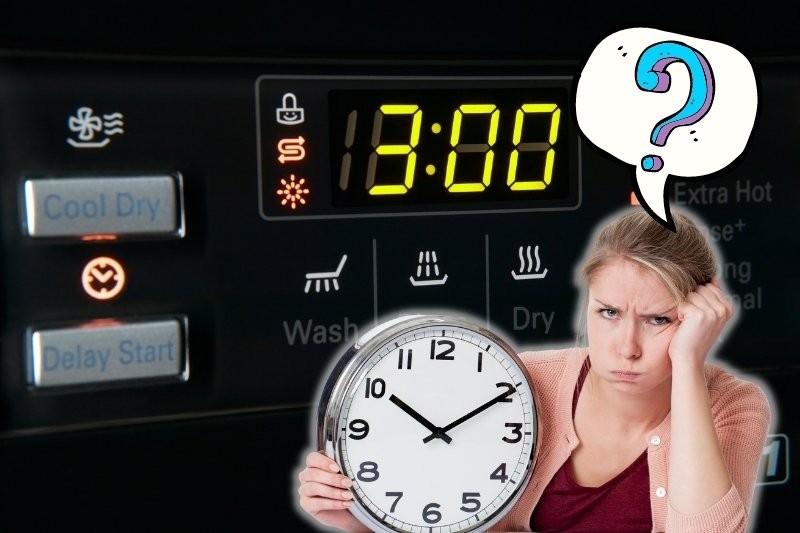
If your washing machine takes a long time to wash, one possible reason could be low water pressure. Water pressure is necessary for the proper functioning of the washing machine, as it helps to fill the machine with water, rinse the clothes, and drain the water out of the machine.
Low water pressure can occur due to various reasons:
| 1. Clogged water inlet valve: | If the water inlet valve is clogged with debris or mineral deposits, it can restrict the flow of water into the machine, leading to low water pressure. |
| 2. Partially closed water supply valves: | If the water supply valves are not fully opened, it can limit the amount of water entering the machine, resulting in low water pressure. |
| 3. Plumbing issues: | Issues in the plumbing system, such as leaks or damaged pipes, can reduce water pressure throughout the house, affecting the performance of the washing machine. |
| 4. Municipal water supply issues: | If there are problems with the municipal water supply, such as maintenance or repairs, it can lead to low water pressure in your home and consequently in your washing machine. |
To resolve low water pressure issues, you can try the following:
- Check the water inlet valve and clean it if necessary.
- Ensure that the water supply valves are fully opened.
- Inspect the plumbing system for any leaks or damages and repair them if needed.
- Contact your municipal water department to inquire about any ongoing maintenance or repairs that might be affecting the water pressure.
By addressing low water pressure issues, you can improve the washing machine’s performance and reduce the time it takes to wash your clothes.
Video on the topic
How to Use a Washing Machine (Clean My Space)
Answers to frequently asked questions
Read more practical tips and expert opinions about modern devices at appliances-news.com. Here you will find answers to questions about any technology.