Washing machines are a convenient and essential appliance in most households. They save time and effort by efficiently cleaning our clothes. However, there are times when the washing machine can cause damage to our clothes, leaving us frustrated and perplexed. One common issue many people face is clothes getting ripped in the washing machine. This article aims to explore the common causes behind this problem and provide possible solutions to prevent it.
Poorly maintained drum: One of the main reasons clothes get ripped in the washing machine is due to a poorly maintained drum. Over time, the drum can become rough, develop sharp edges, or have loose parts, all of which can snag or tear delicate fabrics. It is essential to regularly inspect and clean the drum to ensure it remains in good condition. Additionally, removing any foreign objects like zippers or hooks from clothes before washing can also prevent damage.
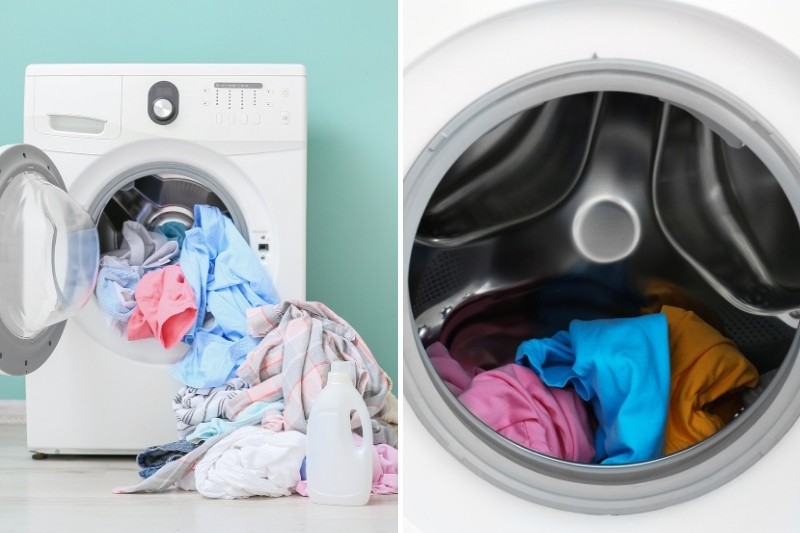
Inappropriate load size: Another frequent cause of clothes getting ripped is loading the washing machine with an inappropriate load size. Overloading the machine can result in excessive friction between the clothes, causing them to rub against each other aggressively. This friction can lead to tears and snags in the fabric. On the other hand, washing a small load can cause items to get entangled in the drum’s agitator or other internal parts, increasing the risk of tearing.
Worn-out or inappropriate garments: The garments themselves may contribute to the problem, especially if they are worn-out or made from delicate materials. Thin fabrics, loose threads, or worn-out seams are more susceptible to damage during the washing process. It is crucial to inspect and mend any potential weak points in the garments before washing them. Washing delicate items in a mesh laundry bag or using a gentle cycle can also help protect them from tearing.
Malfunctioning or incorrect settings: Sometimes, clothes can get ripped in the washing machine due to a malfunction or incorrect settings. Settings such as high spin speeds, long washing cycles, or excessively hot water temperatures can place excessive stress on the clothes, causing them to tear. It is essential to follow the manufacturer’s instructions and choose the appropriate settings for each load to minimize the risk of damage. Regular maintenance and servicing of the washing machine can also help prevent malfunctions that may lead to torn clothes.
By understanding and addressing these common causes, you can minimize the risk of your clothes getting ripped in the washing machine. Proper maintenance, appropriate load sizes, inspecting garments, and using correct settings are all essential steps to ensure your clothes come out clean and intact after each wash.
- The main causes for clothes ripping in washing machines
- Incorrect load placement
- Prevention tips:
- Overloading the machine
- Additional tips:
- Defective or worn-out drum
- Signs of a defective or worn-out drum:
- Sharp objects left in pockets
- Rough or abrasive fabrics
- Improper use of detergent
- How to avoid this:
- Malfunctioning or outdated machine
- Video on the topic
- Dryer with Clothes Getting Snagged, Ripped & Damaged – Why this is Happening
- 10 Most Common Problems With Laundry Washing Machines
- Answers to frequently asked questions
The main causes for clothes ripping in washing machines
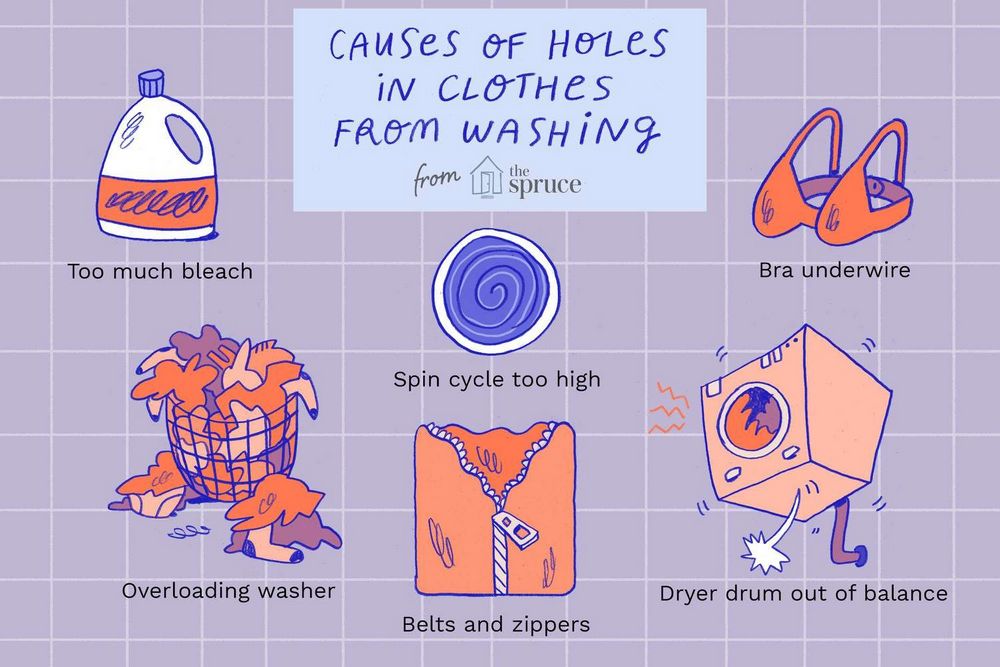
Washing machines are designed to clean our clothes effectively and efficiently. However, there are several factors that can lead to clothes getting ripped or damaged during a wash cycle. Understanding these causes can help prevent damage and prolong the life of our clothes.
1. Overloading the machine:
One common mistake that leads to clothes ripping is overloading the washing machine. When we stuff too many clothes into the machine, there is not enough space for them to move around freely during the wash cycle. This can cause excessive friction between the clothes, leading to tears or rips.
2. Using the wrong cycle:
Using the wrong cycle for our clothes can also result in unintentional damage. Delicate fabrics require a gentler wash cycle to avoid ripping. It is important to always refer to the garment care labels and select the appropriate setting on the washing machine.
3. Damaged drum or agitator:
A damaged drum or agitator can snag clothes and cause them to rip. Regular maintenance and inspection of the washing machine can help identify any signs of damage or wearing, preventing clothes from getting caught or snagged.
4. Sharp objects in the machine:
Leaving coins, keys, or any other sharp objects in our pockets can cause damage to both the clothes and the washing machine. These objects can get caught in the drum or agitator, leading to tears or rips in the fabric.
5. Poor quality or worn-out garments:
Sometimes, the quality of the garments itself can contribute to clothes ripping in the washing machine. Poorly made clothes with weak seams or fabric can easily tear under the mechanical action of the machine. Additionally, worn-out garments may already have weakened areas, making them more prone to ripping.
6. Incorrect loading technique:
The way we load our clothes into the machine can affect the likelihood of ripping. Clothes that are bunched up or twisted together can get tangled during the wash cycle, causing tears or rips. It is important to load the clothes in a way that allows them to move freely without getting entangled.
By being aware of these common causes for clothes ripping in washing machines, we can take the necessary precautions to prevent damage to our clothes. Following proper loading techniques, using the correct cycle, and conducting regular maintenance can help ensure that our clothes come out of the machine clean and intact.
Incorrect load placement
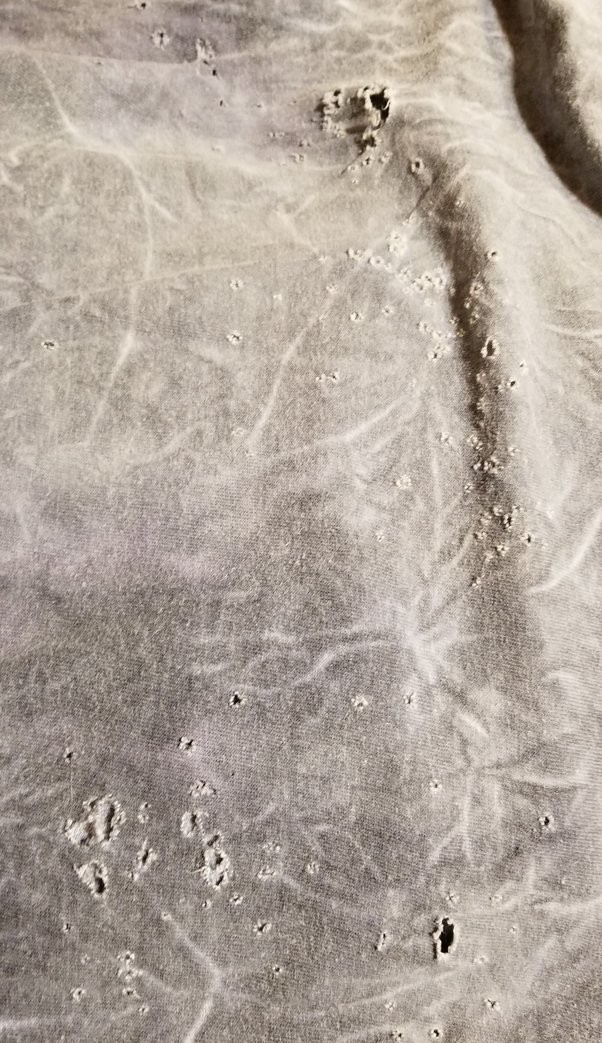
Improperly placing the load in the washing machine can cause clothes to rip or tear during the wash cycle. It is important to distribute the weight of the load evenly and not overload the machine. Placing heavy items, such as jeans or towels, on one side of the machine can cause the drum to become imbalanced and result in excessive spinning or agitation, leading to fabric damage.
Additionally, delicate or lightweight items should be placed in a separate laundry bag or mesh garment bag to protect them from getting caught or tangled with other garments. It is not recommended to wash delicate items with heavy or rough-textured fabrics, as this can further increase the risk of clothes tearing.
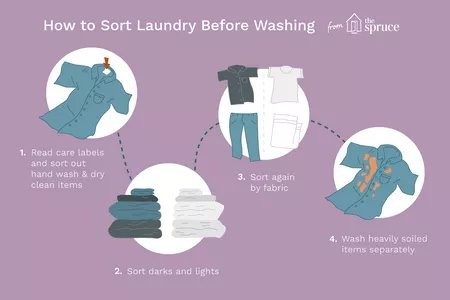
Some washing machines have specific compartments or settings for different types of fabrics. It is important to sort the laundry according to the manufacturer’s recommendations and use the appropriate settings for each load. For example, using a gentle or delicate cycle for delicate fabrics can help prevent clothes from ripping.
Prevention tips:
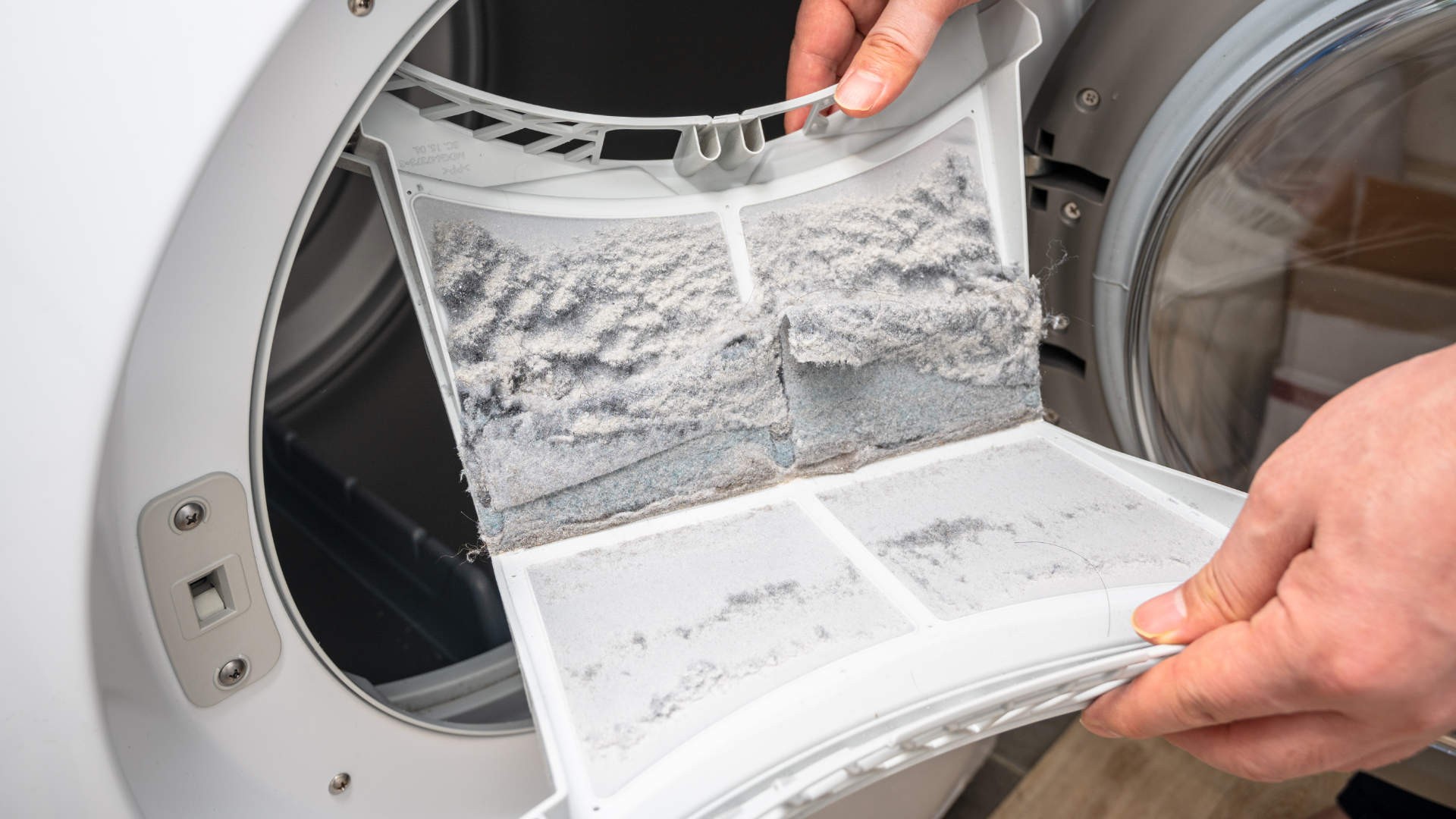
- Properly distribute the load: Make sure to evenly distribute the weight of the load in the washing machine drum. Avoid overloading the machine.
- Separate delicate items: Use laundry bags or mesh garment bags to separate delicate items from heavier fabrics.
- Sort laundry: Follow the manufacturer’s recommendations for sorting laundry and selecting the appropriate settings for each load.
- Inspect zippers and buttons: Before loading the washing machine, check for any loose or protruding zippers, buttons, or hooks that could potentially snag or rip other clothes.
By following these preventative measures, you can significantly reduce the risk of clothes ripping or tearing in the washing machine.
Overloading the machine
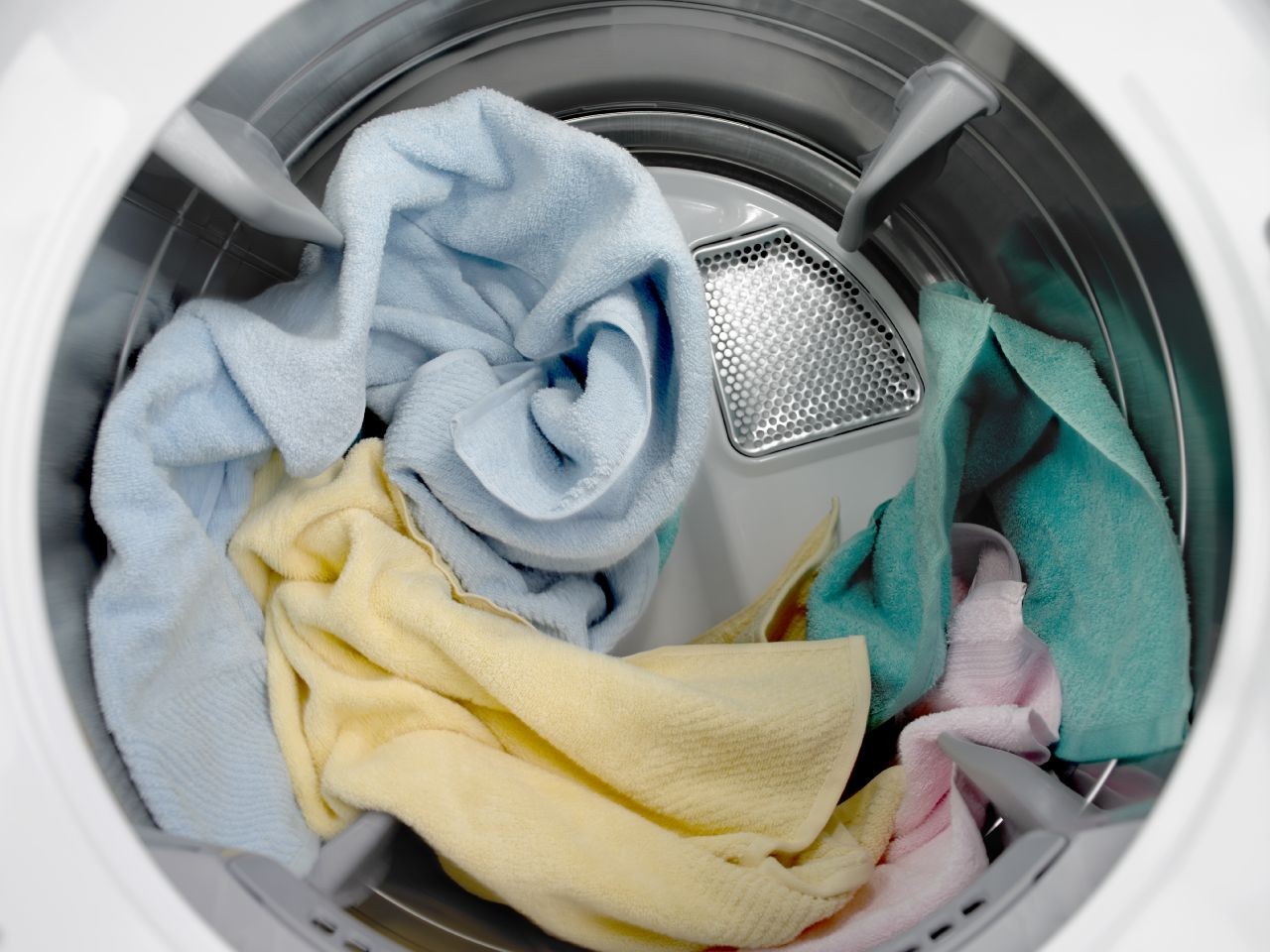
One common cause of clothes ripping in the washing machine is overloading. It can be tempting to wash as much as possible in one load to save time, but this can put excessive strain on the machine and cause it to pull and tear clothes. When a washing machine is overloaded, there is not enough space for the clothes to move freely and be properly cleaned. As a result, the clothes get stuck and tangled, leading to the fibers being stretched and torn.
It’s important to follow the manufacturer’s guidelines for the maximum load capacity of your washing machine. Overloading not only damages your clothes, but it can also put stress on the motor and other components of the machine, potentially leading to costly repairs. If you consistently overload your machine, it may also reduce its overall lifespan.
To prevent overloading, try to wash smaller, more manageable loads. This will allow the clothes to move freely in the drum, minimizing the risk of tangles and tears. If you have a lot of laundry to do, consider doing multiple smaller loads instead of one large load.
Additional tips:
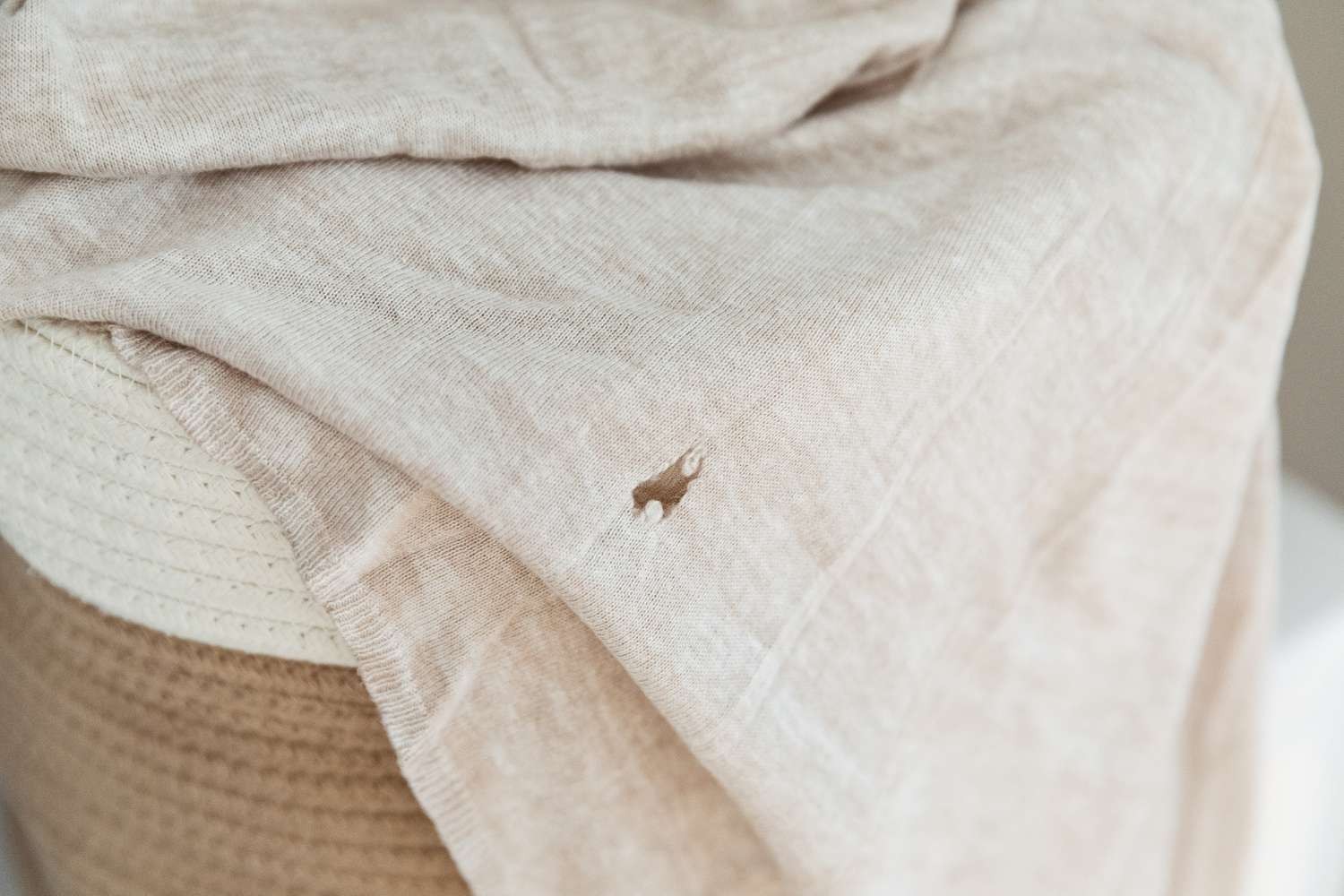
- Sort your laundry by fabric type and weight to ensure even distribution and prevent overloading.
- Use a laundry basket or bag to measure the amount of clothes before loading them into the machine.
- Leave enough space in the drum for clothes to move around freely.
Defective or worn-out drum
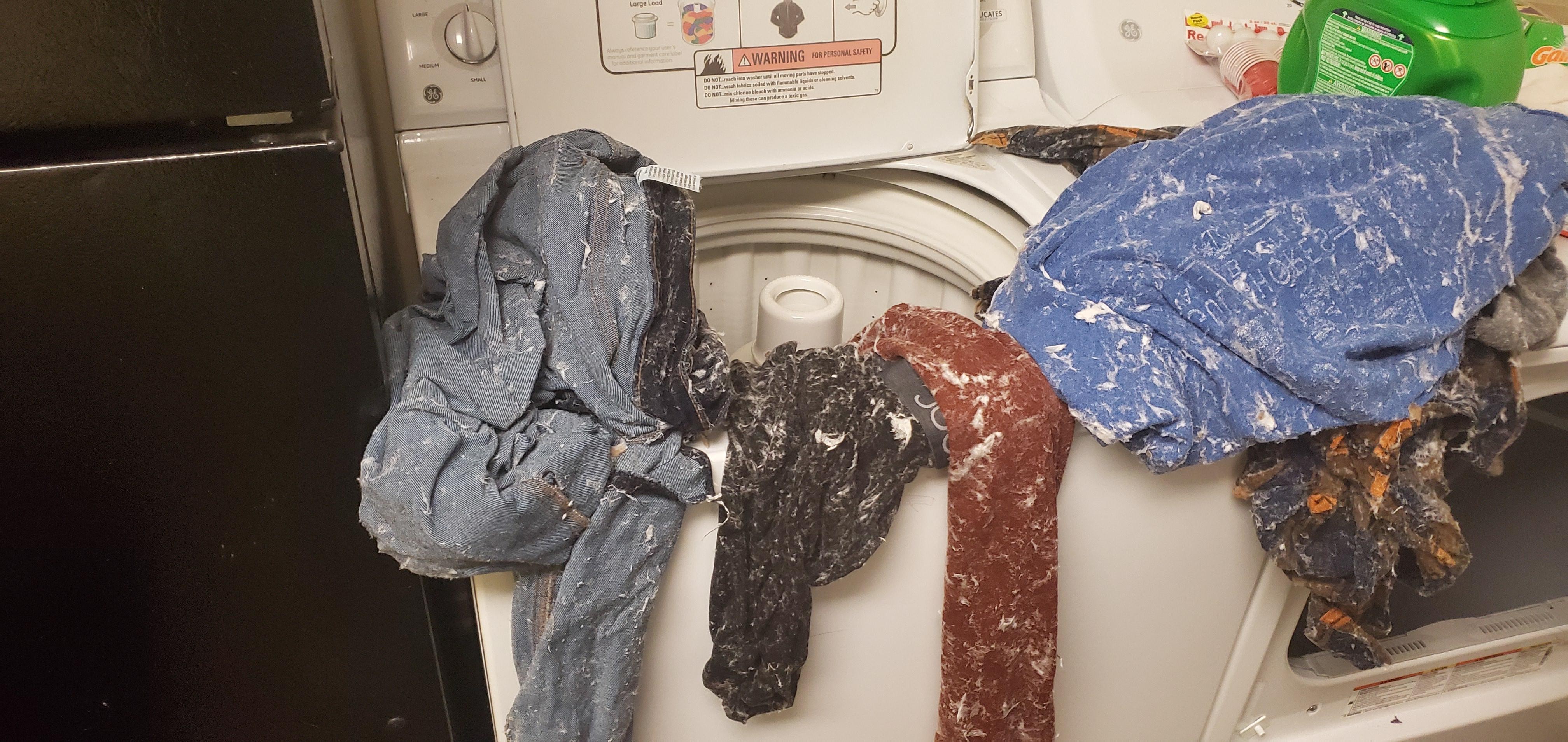
A common cause of clothes getting ripped in a washing machine is a defective or worn-out drum. The drum is the central component of the washing machine that holds the clothes and agitates them during the wash cycle. Over time, the drum can become damaged or develop rough edges that can snag and tear the fabric of the clothes.
If the drum is defective, it may not spin smoothly or evenly, causing the clothes to get caught and ripped. This can happen due to a variety of reasons, including faulty bearings, worn-out paddles or vanes, or a misaligned drum. In some cases, the drum may also have sharp edges or rough spots caused by rust or damage, which can easily tear delicate fabrics.
Regular maintenance and inspection of the drum can help prevent these issues. It is important to check the drum for any signs of damage or wear, such as dents, cracks, or rough spots. If any issues are detected, it is recommended to replace the drum or have it repaired by a professional.
Signs of a defective or worn-out drum:
- Noise during the wash cycle: A noisy washing machine could indicate a problem with the drum, such as faulty bearings or loose paddles.
- Tears or snags on clothes: If you consistently find ripped or torn clothes after washing, it is likely that the drum is damaged or has rough edges.
- Uneven spinning: If the drum does not spin smoothly or evenly, it could be a sign of a misaligned or defective drum.
If you suspect that the drum is causing your clothes to rip, it is important to address the issue promptly. Continuing to use a washing machine with a defective drum can not only damage your clothes but also lead to further damage to the machine itself. Contact a professional appliance repair technician to inspect and repair the drum to ensure proper functioning of your washing machine and prevent further damage to your clothes.
Sharp objects left in pockets

One common cause for clothes getting ripped in the washing machine is when sharp objects are left in pockets. Items such as pens, keys, or small tools can cause tears and holes in the fabric during the agitation process.
When these objects are not removed before washing, they can bounce around inside the machine, getting caught in the fabric and causing damage. The sharp edges of these objects can easily tear delicate materials like silk or lace.
To prevent this issue, it’s important to always check pockets before loading clothes into the washing machine. Emptying pockets of any items, especially sharp ones, can help protect your clothes from unnecessary damage. Encourage household members to do the same, as a small forgotten item can lead to a costly mistake.
If you do find a sharp object in your laundry, be sure to remove it carefully. Use gloves or a pair of tongs to avoid any injury. Additionally, inspect the fabric for any damage and mend or patch it as necessary.
By being diligent about checking pockets and removing any potential hazards, you can avoid the frustration and expense of ripped clothing.
Rough or abrasive fabrics
Some fabrics have a rough texture or contain abrasive fibers that can cause damage to your clothes in the washing machine. Fabrics like denim, wool, or certain synthetic materials may have a coarse surface that can rub against other clothes or the drum of the washing machine, leading to tearing or ripping.
In addition, clothes with embellishments such as beading, sequins, or studs can also contribute to fabric damage. These decorations can snag on other clothes or get caught in the crevices of the washing machine drum.
To prevent damage to your clothes, it is recommended to separate rough or abrasive fabrics from delicate items. You can also choose to wash these fabrics in a garment bag or turn them inside out before putting them in the washing machine. This can help reduce friction and minimize the chances of clothes getting ripped.
| Tips to prevent damage from rough or abrasive fabrics: |
|---|
| 1. Separate rough fabrics from delicate items |
| 2. Wash rough fabrics in a garment bag |
| 3. Turn rough fabrics inside out |
Improper use of detergent

Using too much or too little detergent in your washing machine can lead to clothes getting ripped. When you use too much detergent, it creates excessive suds, which can cause clothes to rub against each other more aggressively. This increased friction can result in tears and rips in the fabric.
On the other hand, using too little detergent can also be problematic. Insufficient detergent may not effectively clean your clothes, leaving behind dirt and stains. In an attempt to compensate for the lack of cleaning power, you may end up scrubbing clothes against each other, resulting in damage.
How to avoid this:
Follow the detergent manufacturer’s instructions for the recommended amount of detergent to use for your specific load size. In general, using the appropriate amount of detergent ensures that your clothes are adequately cleaned without causing excessive agitation. Additionally, consider using high-quality detergents that are formulated to be gentle on fabrics while still effectively removing dirt.
It’s also important to ensure that you are using the correct type of detergent for your specific washing machine. Some machines require high-efficiency (HE) detergent, which is designed to produce fewer suds. Using regular detergent in an HE machine can cause excessive sudsing and potential damage to clothes.
Malfunctioning or outdated machine
If your washing machine is old or malfunctioning, it may be causing damage to your clothes. Here are some reasons why:
- Worn drum or agitator: Over time, the drum or agitator of your washing machine can become worn or damaged. This can result in sharp edges or rough surfaces that can cause clothes to rip or tear during the wash cycle.
- Loose or broken parts: If your washing machine has loose or broken parts, they can snag or catch onto your clothes, causing them to rip. Common parts that can cause issues include seals, brackets, and hooks.
- Unbalanced load: When a load of laundry is not properly balanced in the washing machine, it can cause the machine to vibrate excessively. This can lead to clothes rubbing against the interior of the machine, which can cause tearing or fraying.
- Inadequate water level: If the water level in your washing machine is too low, clothes may not have enough space to move freely during the wash cycle. This can cause them to become bunched up and tangled, leading to ripping or tearing.
- Aggressive wash cycles: Some washing machines have wash cycles that are too harsh for delicate fabrics. If you are using a cycle that is too rough, it can cause clothes to be damaged and rip. Make sure to use the appropriate wash cycle for your clothes.
If you suspect that your washing machine is causing damage to your clothes, it is important to address the issue as soon as possible. Consider getting your machine inspected or repaired by a professional to prevent further damage to your clothes.
Video on the topic
Dryer with Clothes Getting Snagged, Ripped & Damaged – Why this is Happening
10 Most Common Problems With Laundry Washing Machines
Answers to frequently asked questions
Read more practical tips and expert opinions about modern devices at appliances-news.com. Here you will find answers to questions about any technology.