
Your washing machine not draining or spinning can be a frustrating issue to deal with, especially when you have a pile of dirty laundry waiting to be cleaned. However, before calling a repair technician and spending a significant amount of money, there are a few steps you can take to try and fix the problem yourself.
First, it’s important to understand that a washing machine not draining or spinning can be caused by a variety of factors. It could be something as simple as a clogged drain hose or a faulty pump, or it could be a sign of a more serious issue with the motor or belt. By following some troubleshooting steps, you may be able to identify and resolve the problem without professional help.
One of the first things you should check is the drain hose. Over time, debris and lint can clog the hose, preventing the water from draining properly. Disconnect the hose from the back of the machine and check for any obstructions. If you find any, use a small brush or towel to remove them. Once the hose is clear, reattach it and try running a spin cycle to see if the problem is resolved.
If the drain hose is not the issue, the next step is to check the pump. The pump is responsible for removing water from the machine, and if it is not functioning properly, the water will not drain. To check the pump, you will need to access the back panel of the machine. Once you have removed the panel, locate the pump and check for any blockages or damage. If there is an obstruction, remove it and test the machine again. If the pump is damaged, it may need to be replaced.
- Troubleshooting Washing Machine Drainage and Spinning Issues
- 1. Check the drain hose
- 2. Clean the pump filter
- 3. Check the drain pump
- 4. Inspect the lid switch
- Check the Drain Hose
- Clean the Drain Pump Filter
- Important Note:
- Inspect the Lid or Door Switch
- Examine the Belt or Motor Coupler
- Replacing the Belt
- Replacing the Motor Coupler
- Video on the topic
- Top-Load Washer Won’t Drain — Washing Machine Troubleshooting
- Answers to frequently asked questions
Troubleshooting Washing Machine Drainage and Spinning Issues

If your washing machine is not draining or spinning properly, it can be frustrating and inconvenient. However, there are several common issues that you can troubleshoot to get your machine working again. By following these steps, you may be able to fix the problem without needing to call a repair technician.
1. Check the drain hose

The first thing you should do is check the drain hose for any blockages. Make sure that the hose is not kinked or clogged with lint or other debris. If necessary, remove the hose and clean it thoroughly. Also, check that the hose is properly connected to both the machine and the drain, as a loose connection can cause drainage problems.
2. Clean the pump filter
A clogged pump filter can also cause drainage and spinning issues. Locate the pump filter, which is typically located at the bottom front of the machine. Remove the filter and clean it by rinsing it under running water. Be sure to remove any debris or build-up that may be blocking the filter.
3. Check the drain pump

If the drain hose and pump filter are clear, the problem could lie with the drain pump itself. To check the drain pump, you will need to access it from the back of the machine. Remove the back panel and locate the drain pump. Check for any obstructions or damage to the pump. If necessary, replace the drain pump to resolve the issue.
4. Inspect the lid switch
Another common cause of drainage and spinning problems is a faulty lid switch. The lid switch is a safety feature that prevents the machine from spinning or draining when the lid is open. If the switch is not working properly, the machine may not drain or spin. Test the lid switch by opening and closing the lid. If you do not hear a clicking sound, the switch may need to be replaced.
| Issue | Possible Cause | Solution |
|---|---|---|
| Washing machine does not drain | Blocked drain hose or pump filter | Clean the drain hose and pump filter |
| Washing machine does not spin | Faulty lid switch or drain pump | Test the lid switch and inspect the drain pump |
If none of these troubleshooting steps fix the drainage and spinning issues with your washing machine, it may be necessary to call a professional repair technician. They will be able to diagnose and fix any more complex problems that may be causing the malfunction.
Check the Drain Hose
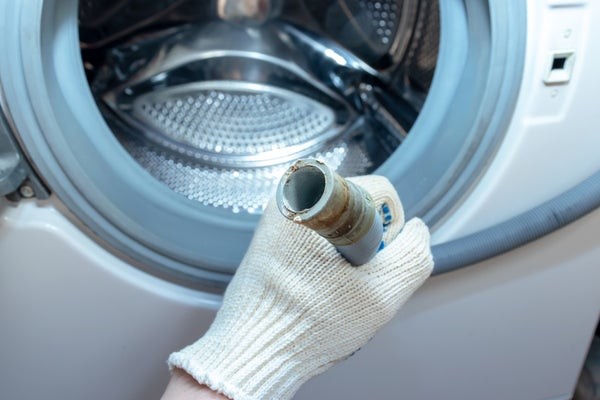
The drain hose is an essential component of your washing machine’s drainage system. It carries the dirty water from the machine to the drainage point. If the hose is clogged or damaged, it can prevent the water from draining properly.
Follow these steps to check the drain hose:
| 1. | Locate the drain hose at the back of the washing machine. It is usually connected to a drain pump or a standpipe. |
| 2. | Inspect the hose for any kinks, twists, or visible damage. A damaged hose may need to be replaced. |
| 3. | Disconnect the hose from the washing machine and check if it is clogged. You can do this by blowing into it or using a long, flexible brush to clear any obstructions. |
| 4. | Check the end of the hose that goes into the drainage point for any blockages. Clear any debris or lint that may be blocking the flow of water. |
| 5. | Once you have inspected and cleaned the drain hose, reconnect it to the washing machine and secure it properly. |
If the drain hose is clear and undamaged, but your washing machine still does not drain or spin, there may be a problem with the drain pump or other components. It is recommended to consult a professional or contact the manufacturer for further troubleshooting or repair.
Clean the Drain Pump Filter

If your washing machine is not draining or spinning, one possible cause could be a clogged drain pump filter. Over time, this filter can become clogged with lint, debris, and other foreign objects, preventing proper drainage and spinning of the machine.
To clean the drain pump filter, follow these steps:
- First, ensure that the washing machine is unplugged and the water supply is turned off.
- Locate the drain pump filter access panel. This is usually located at the front or bottom of the machine.
- Remove any screws or clips that are securing the access panel in place.
- Once the panel is removed, you should see the drain pump filter. Place a shallow pan or towel underneath to catch any water that may still be inside.
- Unscrew the filter cap or pull out the filter, depending on the model of your washing machine. Be prepared for water to come out as you remove the filter.
- Inspect the filter for any clogs or debris. If you see any obstructions, use a brush or your fingers to remove them.
- Rinse the filter under running water to remove any remaining debris.
- Once the filter is clean, reinsert it into the machine, making sure it is properly secured.
- Replace the drain pump filter access panel and secure it with any screws or clips that were removed.
- Plug the washing machine back in and turn on the water supply.
- Test the machine to see if it now drains and spins properly.
If cleaning the drain pump filter does not resolve the issue, there may be other underlying problems with the washing machine that require further inspection or professional repair.
Important Note:
Always refer to the manufacturer’s instructions and safety guidelines when working on your washing machine. If you are unsure or uncomfortable performing any maintenance or repairs, it is always best to seek assistance from a qualified technician.
Inspect the Lid or Door Switch

The lid or door switch plays an important role in ensuring that the washing machine cannot operate when the lid or door is open. If the lid or door switch is faulty, it can prevent the machine from draining or spinning. Here’s how you can inspect the lid or door switch:
- Disconnect the washing machine from the power supply to avoid any potential electrical hazards.
- Locate the lid or door switch, which is usually located near the lid or door opening.
- Inspect the switch for any signs of damage or loose connections.
- Use a multimeter to test the continuity of the switch. Set the multimeter to the ohms or continuity setting and touch the probes to the terminals of the switch.
- If the switch does not show continuity when the lid or door is closed, it is likely faulty and needs to be replaced.
- Consult the washing machine’s manual or the manufacturer’s website for the correct replacement part and installation instructions.
Remember to always follow safety precautions when working on electrical appliances. If you are unsure or uncomfortable performing these steps yourself, it is best to consult a professional technician.
Examine the Belt or Motor Coupler
If your washing machine is not draining or spinning, it is possible that there is an issue with the belt or motor coupler. These components play a crucial role in the operation of the machine, as they help drive the spin cycle and drain the water from the tub.
To examine the belt, you will need to access the back panel of the washing machine. Unplug the machine from the power source before proceeding. Once you have removed the back panel, locate the belt near the motor and drum. Check for any signs of wear or damage, such as fraying or cracking. If the belt appears to be in poor condition, it will need to be replaced.
If your washing machine does not have a belt, it may instead have a motor coupler. The motor coupler connects the motor to the transmission and can wear out or break over time. To check the motor coupler, you will need to remove the cabinet of the washing machine. This typically involves removing a series of screws or clips. Once the cabinet is removed, locate the motor coupler near the bottom of the machine. Inspect it for any signs of damage, such as cracks or breakage. If the motor coupler is faulty, it will need to be replaced.
Replacing the Belt
If you have determined that the belt is the issue, you will need to replace it. Start by finding the correct replacement belt for your specific model of washing machine. You can typically find this information in the owner’s manual or by searching online with the model number of your machine.
To replace the belt, you will need to loosen the tension on the belt by adjusting the motor mounting bolts. Once the tension is released, remove the old belt from the motor and pulley. Install the new belt by threading it through the appropriate pulleys. Make sure the belt is properly aligned and tightened before reassembling the machine.
Replacing the Motor Coupler
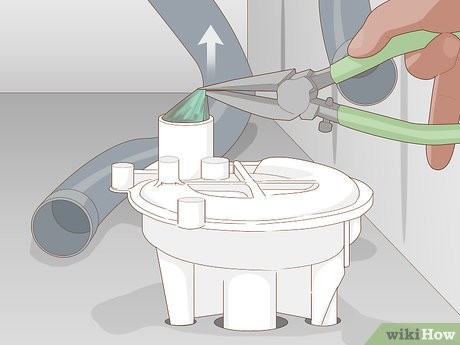
If you have determined that the motor coupler is the issue, you will need to replace it. Start by finding the correct replacement motor coupler for your specific model of washing machine. You can typically find this information in the owner’s manual or by searching online with the model number of your machine.
To replace the motor coupler, you will need to disconnect the power and water supply to the washing machine. Refer to the owner’s manual or manufacturer’s instructions for guidance on how to safely disconnect these connections. Once the power and water supply are disconnected, you can remove the cabinet of the machine to access the motor coupler. Disconnect the wires and remove the old motor coupler. Install the new motor coupler by connecting the wires and securing it in place. Reassemble the machine and restore power and water supply.
After replacing the belt or motor coupler, test the washing machine to ensure it is draining and spinning properly. If the problem persists, it may be necessary to consult a professional repair service.
Video on the topic
Top-Load Washer Won’t Drain — Washing Machine Troubleshooting
Answers to frequently asked questions
Read more practical tips and expert opinions about modern devices at appliances-news.com. Here you will find answers to questions about any technology.


