Having a washing machine that does not drain properly can be frustrating and inconvenient. When water is left standing in the drum, it can cause mold and mildew growth, leave your clothes soaking wet, and prevent you from doing laundry efficiently. However, there are several simple troubleshooting steps you can take to identify and fix the issue with your washing machine’s drainage system. By following these steps, you can save yourself time and money by avoiding the need for a professional repair.
Check the drain hose: The first step in troubleshooting a washing machine that does not drain is to check the drain hose. Make sure the hose is not kinked, twisted, or clogged. It should be securely connected to both the washing machine and the drainage point. If the hose is damaged or blocked, it may prevent water from flowing out of the machine properly. Clear any obstructions and straighten out any kinks or twists to ensure proper drainage.
Inspect the pump filter: Another common cause of a washing machine not draining is a clogged pump filter. The pump filter is designed to catch debris such as lint, coins, and small items that may have been left in your pockets. Over time, the filter can become clogged, preventing water from draining properly. To clean the pump filter, locate it at the bottom of your washing machine and remove any debris or blockages. It’s a good idea to check the pump filter regularly to prevent future drainage issues.
Check for a faulty pump: If neither the drain hose nor the pump filter appears to be the problem, there may be an issue with the pump itself. The pump is responsible for draining water from the washing machine, so if it is not functioning properly, the machine will not drain. To check for a faulty pump, you can listen for any unusual noises coming from the machine during the drain cycle. Additionally, you can try manually rotating the pump impeller to see if it spins freely. If you suspect a faulty pump, it may be necessary to replace it to resolve the drainage issue.
By following these troubleshooting steps, you can often identify and resolve the issue of a washing machine that does not drain. However, if you are unable to troubleshoot the problem on your own or if the issue persists, it is recommended to seek professional assistance. A trained technician will have the necessary knowledge and experience to diagnose and repair any complex issues with your washing machine’s drainage system.
- Common issues with a non-draining washing machine
- 1. Clogged drain hose
- 2. Blocked or kinked drain pump filter
- 3. Faulty drain pump
- 4. Overloaded or unbalanced load
- Clogged drain hose
- 1. Check for blockages
- 2. Clear the hose
- 3. Inspect the drainage system
- Blockage in the drain pump
- 1. Turn off the washing machine
- 2. Locate the drain pump
- 3. Remove any obstructions
- 4. Test the drain pump
- Video on the topic
- Washing Machine Will Not Fill With Water – Keeps Draining – How To Fix?
- Washing Machine Fills Then Stops – Lid ByPass
- Wash Machine Won’t Drain or Spin – EASY 5 Minute Fix!
- Answers to frequently asked questions
Common issues with a non-draining washing machine
When your washing machine is not draining properly, it can be frustrating and inconvenient. There are several common issues that can cause this problem, and knowing what to look for can help you troubleshoot and potentially fix the issue yourself.
1. Clogged drain hose

One of the most common issues is a clogged drain hose. Over time, debris such as lint, hair, and soap residue can build up in the drain hose, restricting the flow of water. To check if the drain hose is clogged, disconnect it from the machine and inspect it for any blockages. If necessary, clean the hose thoroughly and reconnect it properly.
2. Blocked or kinked drain pump filter
The drain pump filter prevents foreign objects from entering the pump and causing a blockage. If the filter is blocked or kinked, it can prevent the water from draining properly. Locate the filter, which is usually at the front or bottom of the machine, and remove any debris or obstructions. Once cleaned, replace the filter and try running the machine again.
3. Faulty drain pump
If the drain hose and filter are clear, but the machine still does not drain, it is possible that the drain pump itself is faulty. The drain pump is responsible for pumping the water out of the machine, and if it is not working correctly, the water will not drain. In this case, it may be necessary to replace the drain pump or seek professional assistance.
4. Overloaded or unbalanced load

An overloaded or unbalanced load can also cause drainage issues. When the machine is overloaded or the load is not balanced properly, it can put strain on the motor and prevent the water from draining effectively. Try redistributing the load evenly and reducing the amount of laundry to see if this resolves the problem.
If these troubleshooting steps do not resolve the issue, it may be best to consult a professional technician to diagnose and fix the problem. They will have the knowledge and expertise to identify any underlying issues and repair the washing machine accordingly.
Clogged drain hose
If your washing machine is not draining, one possible problem could be a clogged drain hose. The drain hose is responsible for carrying the water out of the washing machine and into the drainage system. Over time, the drain hose can become clogged with debris such as lint, hair, or even small articles of clothing. When this happens, water may not be able to flow properly, resulting in poor drainage or no drainage at all.
To troubleshoot this issue, you can follow these steps:
1. Check for blockages
Start by inspecting the drain hose for any visible blockages. Disconnect the hose from the washing machine and the drainage system, and use a flashlight to examine the interior. If you notice any debris or obstructions, remove them carefully using a pair of tweezers or a long brush. Make sure to wear gloves to protect your hands.
2. Clear the hose
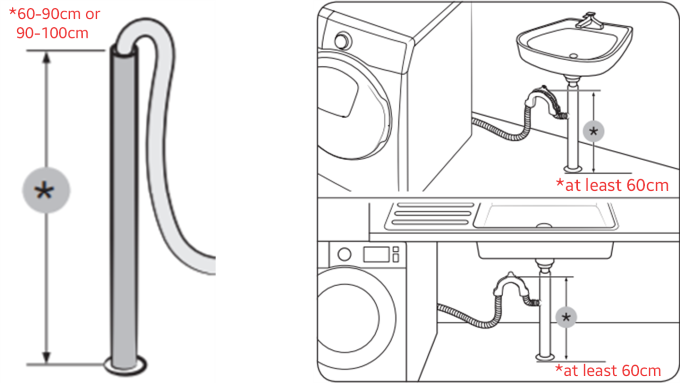
After removing any visible blockages, it’s a good idea to clear the drain hose further. Fill a bucket with warm water mixed with a mild detergent. Place one end of the hose into the bucket and use the other end to suck the water mixture through the hose. This will help flush out any remaining debris that may be blocking the flow of water.
Note: Make sure to hold the end of the hose above the water level in the bucket to prevent backflow.
3. Inspect the drainage system
If clearing the drain hose doesn’t resolve the issue, it’s possible that the blockage is in the drainage system itself. Check the drainage pipes and plumbing for any signs of clogs or blockages. Clear them as necessary using a plunger or a plumber’s snake.
Remember to always refer to the manufacturer’s instructions and safety guidelines when troubleshooting your washing machine. If you’re unsure or uncomfortable performing any of these steps, it’s best to consult a professional technician.
Blockage in the drain pump
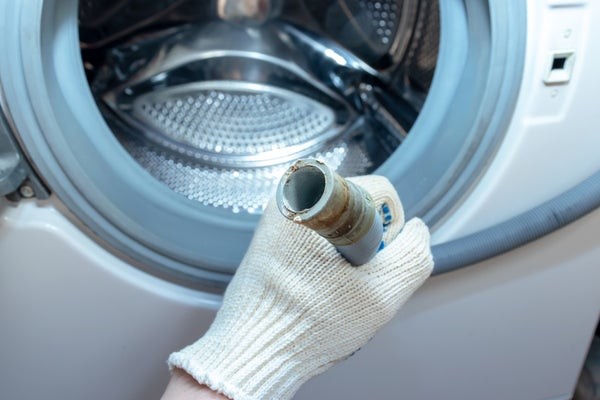
If your washing machine is not draining, there may be a blockage in the drain pump. The drain pump is responsible for removing water from the machine during the drain cycle. A blockage in the drain pump can prevent water from being drained properly, causing it to back up and potentially damage the machine.
To check for a blockage in the drain pump, you will need to access the pump and inspect it for any obstructions. Here are the steps to troubleshoot a blockage in the drain pump:
1. Turn off the washing machine
Before attempting any repairs or inspections, make sure the washing machine is turned off and unplugged from the power source. This will ensure your safety during the troubleshooting process.
2. Locate the drain pump
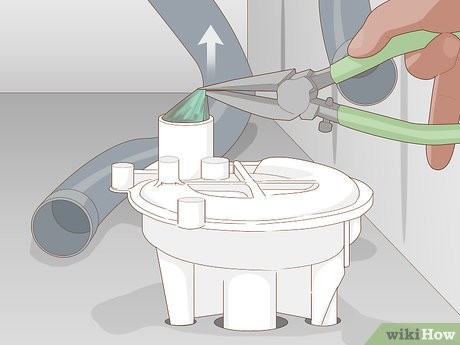
The drain pump is usually located at the bottom of the washing machine, near the front or back. It is typically a small, square or rectangular-shaped component with hoses connected to it. Consult your washing machine’s manual or manufacturer’s website for the exact location of the drain pump in your model.
3. Remove any obstructions
Once you have located the drain pump, carefully inspect it for any blockages. This may include lint, debris, or small objects such as coins or hairpins. Use a pair of pliers or tweezers to remove any obstructions, taking care not to damage the pump or its components.
If the blockage is severe and cannot be easily removed, you may need to disassemble the pump for a more thorough cleaning. Refer to the washing machine’s manual or seek professional assistance for guidance on dismantling the drain pump.
4. Test the drain pump
After removing any blockages, reassemble the drain pump and test it to see if the issue has been resolved. Plug in the machine, turn it on, and run a short wash cycle to check if the water is draining properly. If water is still not draining or you hear unusual noises coming from the pump, there may be a more serious problem that requires professional attention.
Remember to always exercise caution when working with your washing machine. If you are unsure or uncomfortable with performing any troubleshooting steps, it is best to consult a professional technician for assistance.
| Note: | If the blockage persists or if you encounter any other issues with your washing machine, it is recommended to contact the manufacturer or a certified repair service. |
Video on the topic
Washing Machine Will Not Fill With Water – Keeps Draining – How To Fix?
Washing Machine Fills Then Stops – Lid ByPass
Wash Machine Won’t Drain or Spin – EASY 5 Minute Fix!
Answers to frequently asked questions
Read more practical tips and expert opinions about modern devices at appliances-news.com. Here you will find answers to questions about any technology.