
When it comes to washing baby clothes, parents want to ensure that they are doing everything they can to keep their little ones safe and comfortable. One of the questions that often arises is what temperature is best for washing baby clothes. The answer to this question is not as simple as it may seem.
Some parents believe that washing baby clothes in hot water is the best way to kill germs and bacteria that may be present. While it is true that hot water can effectively kill germs and bacteria, it can also cause damage to delicate baby clothes. High temperatures can cause clothes to shrink, fade, and lose their shape, which is not ideal when it comes to clothing for growing babies.
On the other hand, some parents prefer to wash baby clothes in cold water to prevent any damage or shrinking. While this may be a safer option for delicate fabrics, it may not effectively remove stains or kill germs and bacteria that may be present on the clothes.
So, what is the best temperature to wash baby clothes? The general recommendation is to wash baby clothes in warm water, around 30-40 degrees Celsius (86-104 degrees Fahrenheit). This temperature is warm enough to effectively remove stains and kill most germs and bacteria, while still being gentle enough to prevent damage to the clothes. However, it is important to always check the care labels on the clothes for specific washing instructions, as some fabrics may require different temperatures.
- The Importance of Washing Baby Clothes at the Right Temperature
- Understanding the Delicate Nature of Baby Clothes
- Choosing the Right Detergent
- Temperature Matters
- The Role of Temperature in Killing Germs and Bacteria
- The Best Temperature Range for Washing Baby Clothes
- Recommended Temperatures
- Benefits of Washing in the Recommended Temperature Range
- Additional Tips
- Video on the topic
- How to Wash Baby’s Clothes – Important Tips and Precautions
- Best Baby Detergent for Newborns 2026
- How to wash baby clothes
- How to Wash Baby Clothes
- Answers to frequently asked questions
The Importance of Washing Baby Clothes at the Right Temperature
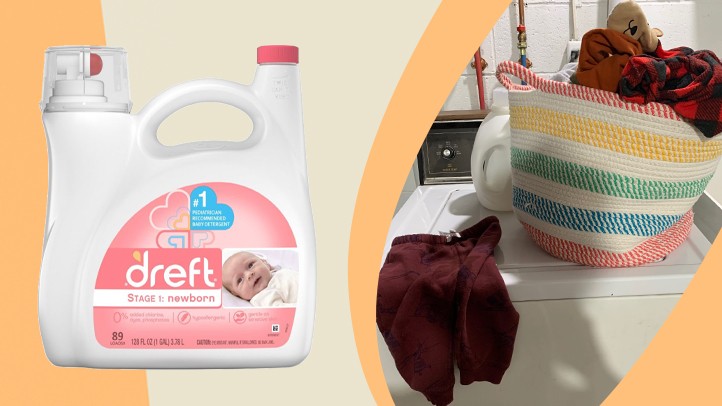
When it comes to washing baby clothes, temperature plays a crucial role in ensuring that they are clean, germ-free, and safe for your little one’s delicate skin. Properly washing baby clothes at the right temperature can help remove dirt, stains, bacteria, and other allergens that can potentially harm your baby.
1. Cleaning and Hygiene
Washing baby clothes at the right temperature helps to effectively clean and remove any dirt, food stains, or bodily fluids that may be present on the fabric. Higher temperatures, such as hot water, can kill bacteria and germs that may have accumulated on the clothes. This is particularly important for clothes that have been soiled with urine or feces, as these can harbor harmful bacteria.
2. Allergen Removal
Using the appropriate temperature to wash baby clothes can help remove common allergens such as dust mites, pet dander, and pollen that may be present on the fabric. These allergens can cause discomfort and irritation to your baby’s sensitive skin, leading to conditions like eczema or allergic reactions.
3. Preservation of Fabric
Washing baby clothes at the right temperature can also help preserve the quality of the fabric. Using high temperatures unnecessarily can cause shrinkage, color fading, and damage to delicate fabrics. On the other hand, washing at lower temperatures may not effectively remove stains and bacteria, compromising the cleanliness and hygiene of the clothes.
4. Energy Efficiency
Choosing the right temperature to wash baby clothes can also have environmental and cost benefits. Using lower temperatures or cold water can help conserve energy and reduce your utility bills. However, it is important to strike a balance between energy efficiency and proper hygiene when washing baby clothes. Opt for warmer temperatures when dealing with heavily soiled items or clothes that require thorough cleaning.
Remember to always check the care labels on the baby clothes for specific washing instructions. Some fabrics may require special treatment or be more sensitive to temperature changes.
In conclusion, washing baby clothes at the right temperature is essential for maintaining cleanliness, hygiene, and the overall well-being of your little one. By choosing the appropriate temperature, you can ensure that your baby’s clothes are fresh, germ-free, and comfortable for their sensitive skin.
Understanding the Delicate Nature of Baby Clothes
When it comes to washing baby clothes, it is important to understand the delicate nature of these garments. Baby clothes are typically made from soft, delicate fabrics that are gentle on a baby’s sensitive skin. These fabrics can easily be damaged if not properly cared for during the washing process.
Choosing the Right Detergent
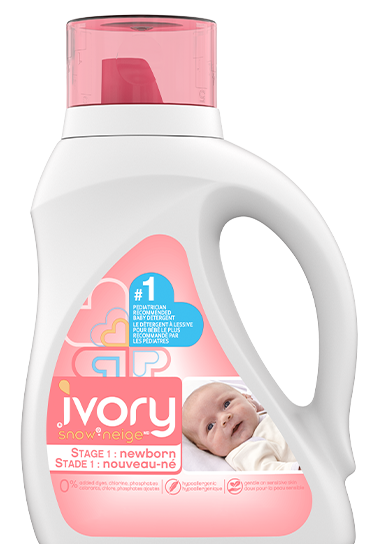
One of the first considerations when washing baby clothes is choosing the right detergent. It is recommended to use a mild, hypoallergenic detergent that is specially formulated for baby clothes. Regular detergents may contain harsh chemicals that can irritate a baby’s skin. Using a gentle detergent will help to preserve the softness and integrity of the fabric.
Temperature Matters
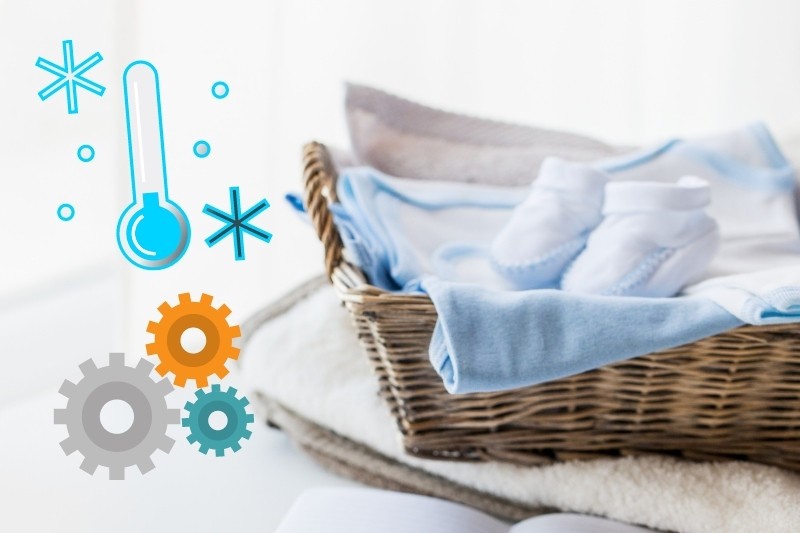
The temperature at which you wash baby clothes is also important. While it may be tempting to use hot water to ensure a thorough clean, this can actually be harmful to baby clothes. Hot water can cause shrinkage, fading, and damage to delicate fabrics. It is best to wash baby clothes in cold or warm water to avoid these issues.
In addition to the temperature, it is recommended to use a gentle or delicate cycle when washing baby clothes. This cycle is designed to minimize agitation and reduce the risk of damage to the garments. Avoid using harsh cycles such as heavy-duty or extended wash cycles.
It is also worth noting that certain stains, such as formula or baby food, may require pre-treating before washing. Using a stain remover specifically formulated for baby clothes can help to remove these stubborn stains without damaging the fabric.
Extra Care for Delicate Fabrics
Some baby clothes may be made from extra delicate fabrics, such as lace or silk. These fabrics require even more gentle care during the washing process. It is recommended to wash delicate baby clothes by hand using a mild detergent and lukewarm water. Gently swirl the garments in the soapy water, rinse thoroughly, and then gently squeeze out the excess water. Avoid wringing or twisting delicate fabrics, as this can cause damage.
In conclusion, understanding the delicate nature of baby clothes is crucial when it comes to washing them. Choosing the right detergent, using the appropriate temperature, and providing extra care for delicate fabrics will help to preserve the quality and longevity of your baby’s clothing.
The Role of Temperature in Killing Germs and Bacteria
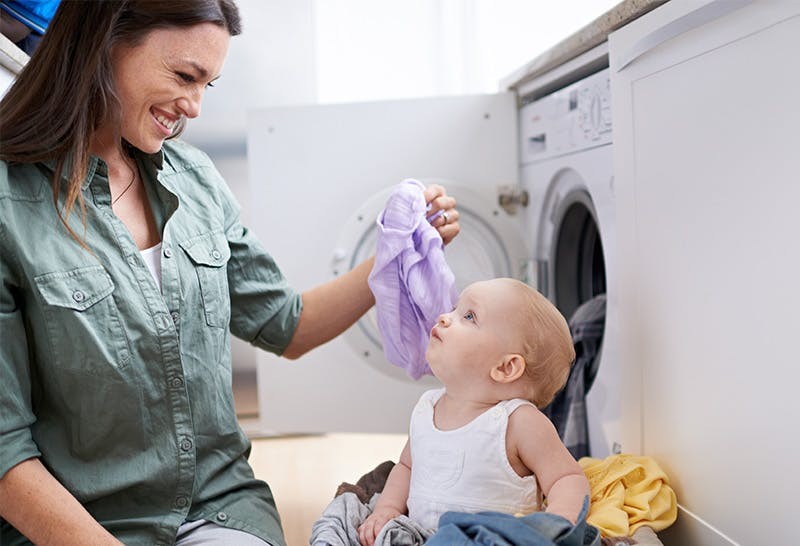
When it comes to washing baby clothes, one of the most important factors to consider is the temperature at which the clothes are washed. The temperature plays a crucial role in killing germs and bacteria that may be present on the clothes.
Germs and bacteria can thrive on dirty clothes, especially those that have come into contact with bodily fluids, like diapers or spit-up. These microorganisms can potentially cause infections or illnesses in babies with their weakened immune systems.
Hot water is often associated with killing germs and bacteria effectively. High temperatures can denature the proteins and enzymes present in these microorganisms, rendering them inactive or killing them altogether. The use of hot water, especially in combination with a detergent, helps to remove stains and kill any remaining germs or bacteria.
However, it is important to note that not all fabrics can withstand high temperatures, especially delicate baby clothes and items made of sensitive materials. In such cases, using warm or cold water with an appropriate detergent can still be effective in removing most germs and bacteria.
It is recommended to wash baby clothes at a temperature of at least 140°F (60°C) to ensure the thorough elimination of germs and bacteria. This temperature range is known to be effective in killing most common pathogens. However, always refer to the manufacturer’s instructions for washing temperature recommendations.
In addition to temperature, it is crucial to also consider the duration of the wash cycle. A longer wash cycle allows for more agitation, which helps to dislodge and remove germs and bacteria from the fabric.
In conclusion, the temperature at which baby clothes are washed plays a vital role in killing germs and bacteria. While hot water is generally recommended for thorough sanitation, it is important to consider the fabric type and follow manufacturer instructions. By washing baby clothes with the appropriate temperature and detergent, parents can help ensure that their little ones are protected from harmful microorganisms.
The Best Temperature Range for Washing Baby Clothes
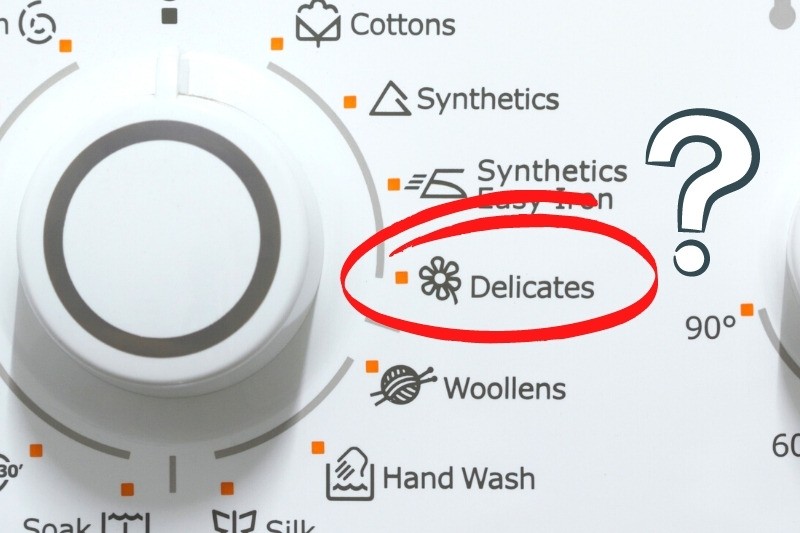
When it comes to washing baby clothes, it is important to choose the right temperature. Babies have delicate skin that is more sensitive to hot water and harsh detergents. Therefore, it is recommended to wash their clothes in a temperature range that is gentle and safe.
Recommended Temperatures
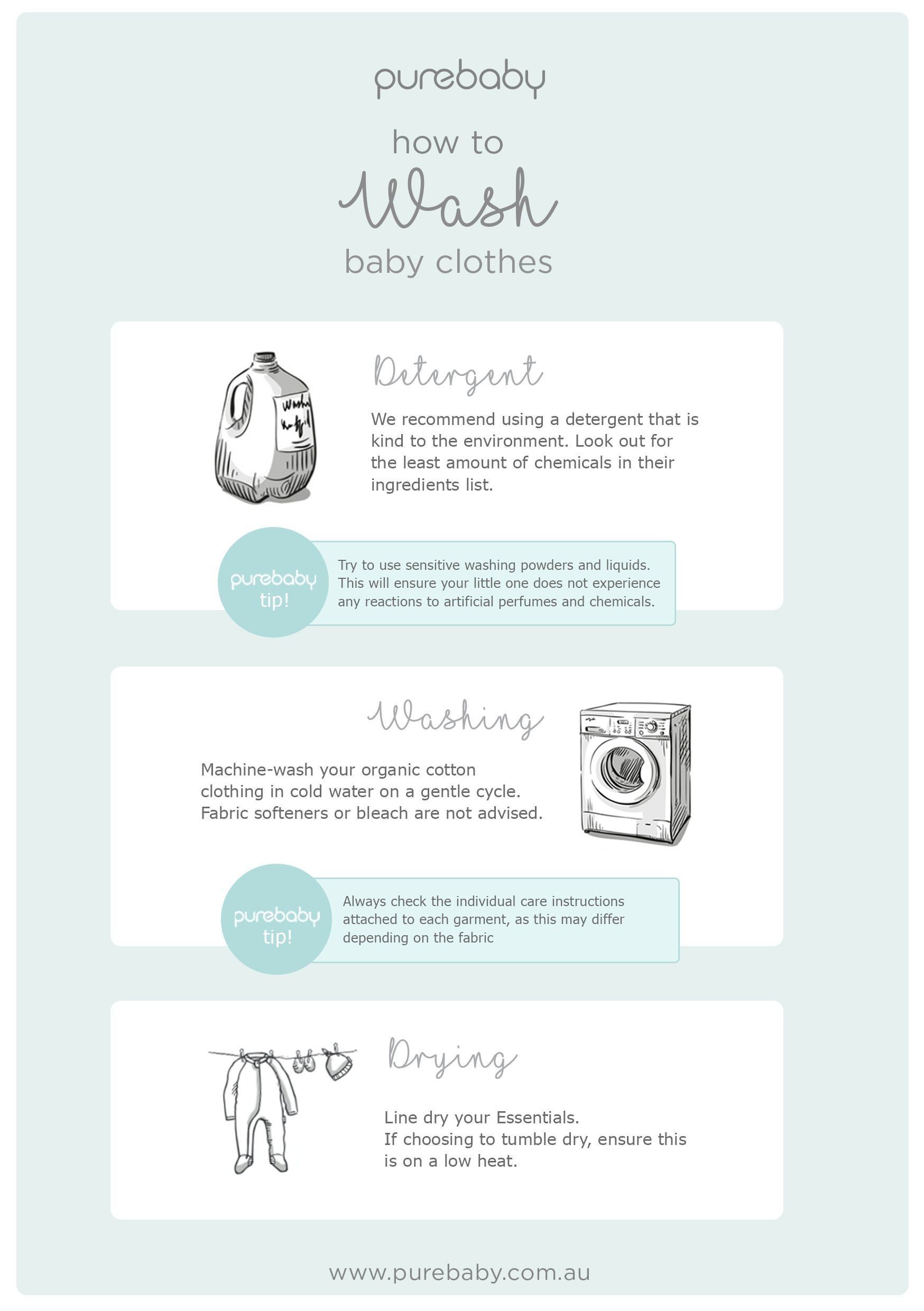
The ideal temperature range for washing baby clothes is between 30°C (86°F) and 40°C (104°F). This range is warm enough to effectively clean the clothes, but not too hot to irritate the baby’s skin or damage the fabric.
For heavily soiled clothes, it may be necessary to wash at a slightly higher temperature. However, it is important to avoid using hot water above 40°C (104°F) as it can cause shrinkage and color fading.
Benefits of Washing in the Recommended Temperature Range
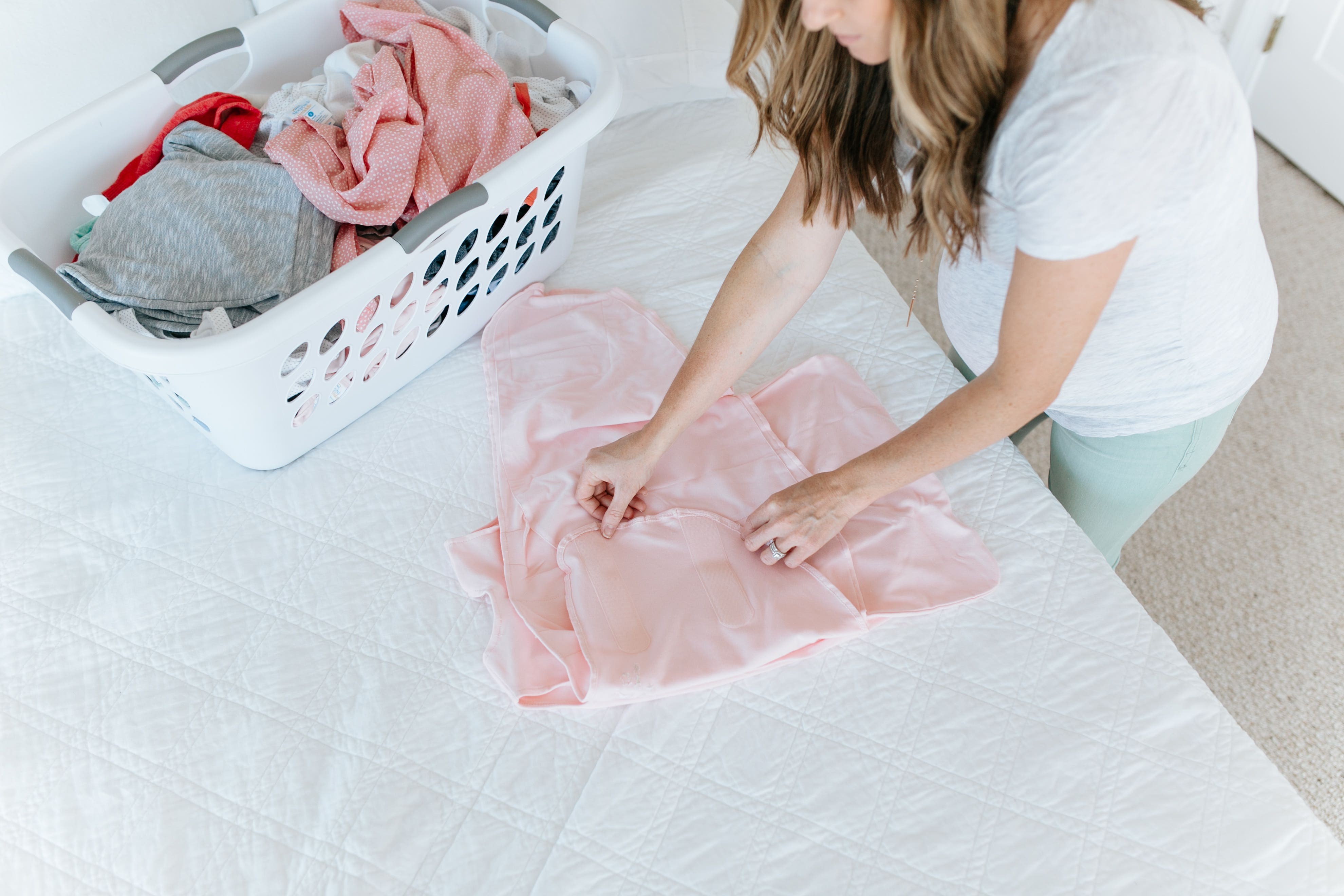
Washing baby clothes in the recommended temperature range offers several benefits:
Gentle on the Baby’s Skin:
Washing clothes in warm water helps to remove dirt and bacteria without causing irritation or dryness to the baby’s sensitive skin.
Effective Cleaning:
Even at lower temperatures, modern detergents are designed to effectively clean clothes. Washing baby clothes in the recommended range ensures thorough cleaning while being gentle.
Preserves Fabric Quality:
Using the right temperature range helps to preserve the quality of baby clothes. Excessive heat can damage the fibers and cause them to wear out more quickly.
Additional Tips
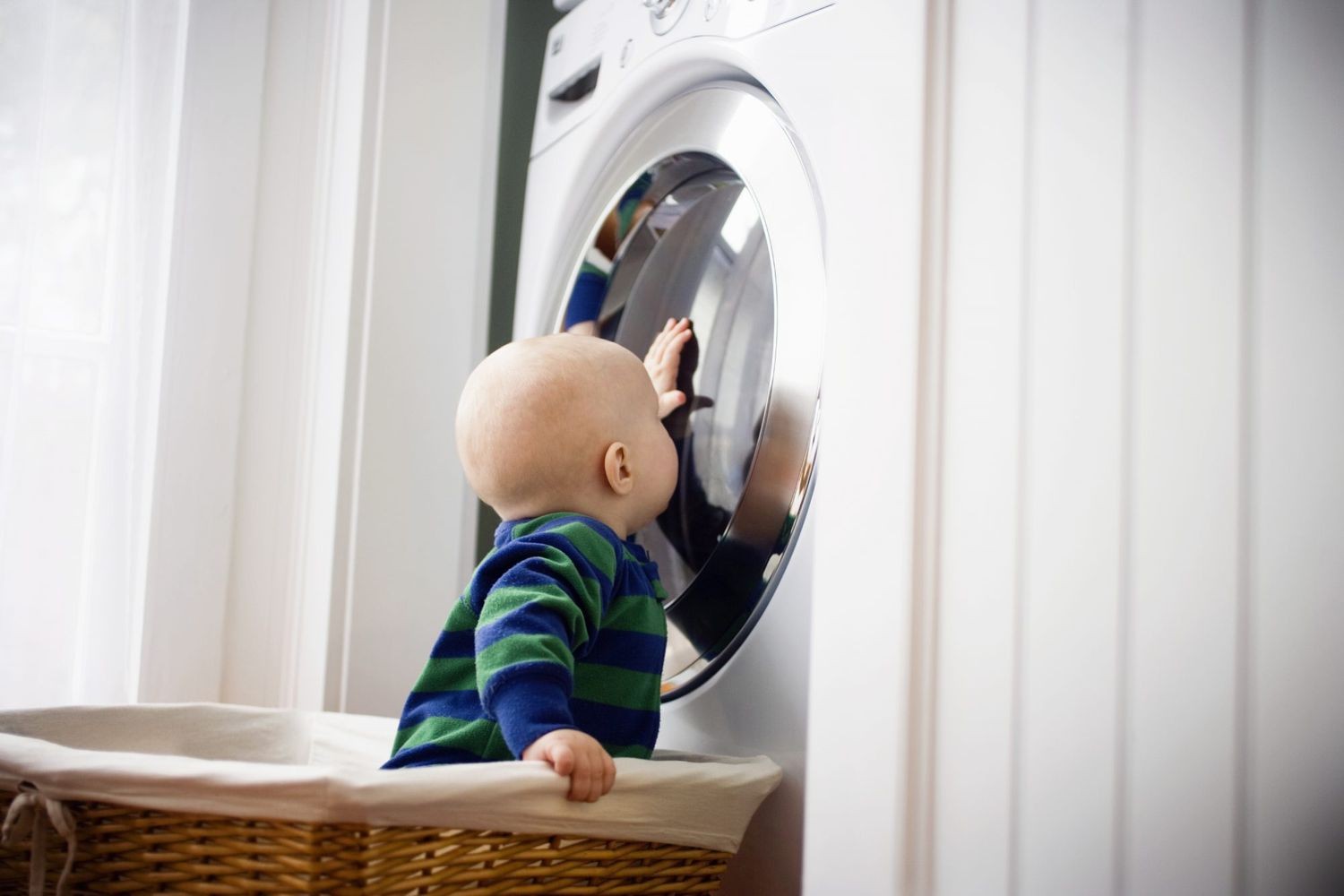
Here are a few additional tips to keep in mind when washing baby clothes:
Separate Clothes:
Wash baby clothes separately from adult clothes to avoid cross-contamination and to ensure gentle washing.
Choose Mild Detergents:
Opt for detergents that are specifically formulated for baby clothes. These detergents are usually milder and free of harsh chemicals.
Avoid Fabric Softeners:
Fabric softeners may contain chemicals that can be harsh on a baby’s sensitive skin. It is best to avoid using them when washing baby clothes.
By following these guidelines and washing baby clothes in the recommended temperature range, you can ensure that your baby’s clothes are clean, safe, and comfortable.
Video on the topic
How to Wash Baby’s Clothes – Important Tips and Precautions
Best Baby Detergent for Newborns 2026
How to wash baby clothes
How to Wash Baby Clothes
Answers to frequently asked questions
Read more practical tips and expert opinions about modern devices at appliances-news.com. Here you will find answers to questions about any technology.


