
When it comes to doing laundry, having a reliable and efficient washing machine is essential. However, one common issue that many homeowners face is clogs and leaks in the water trap of their washing machine. This can not only cause inconvenience but can also lead to costly repairs if left unchecked.
The water trap, also known as the drain trap or p-trap, is a vital component of your washing machine’s plumbing system. It is designed to prevent sewer gases from entering your home while allowing wastewater to flow out. However, over time, debris, lint, and other particles can accumulate in the trap, leading to clogs and leaks.
To prevent clogs and leaks in the water trap, regular maintenance is crucial. Start by inspecting the trap and removing any visible debris or buildup. Use a snake or a plumbing brush to clean the trap thoroughly. Additionally, consider using a drain cleaner regularly to dissolve any trapped soap scum or grease.
Another effective way to prevent clogs and leaks is by using a lint trap or filter. This accessory attaches to your washing machine’s discharge hose and captures lint and other particles before they enter the water trap. Cleaning the lint trap regularly will help maintain good water flow and prevent clogs.
In addition to regular maintenance, it is essential to be mindful of what goes into your washing machine. Avoid washing items that can easily shed lint, such as rugs or heavily linted clothing, without first shaking or rinsing them off. By taking these precautions, you can help minimize the amount of debris that enters the water trap and prevent clogs and leaks from occurring.
In conclusion, caring for the water trap of your washing machine is essential to prevent clogs and leaks. Regular maintenance, the use of a lint trap or filter, and being mindful of what goes into your washing machine can all contribute to a trouble-free laundry experience. By following these tips, you can ensure that your washing machine operates smoothly and efficiently for years to come.
- Understanding the importance of a water trap
- Tips to prevent clogs in your water trap
- How to fix a clogged water trap
- Preventing leaks in your water trap
- Regular cleaning and inspection
- Using the right detergents
- Video on the topic
- Unblocking a Urinal �� The WORST type of Blocked Drain
- How to Diagnose Plumbing Drain Problems | Ask This Old House
- Why do you need a dishwasher drain loop and how do you fix it?
- Well Water So Dirty!! | How to Flush a Well and Install a Well Screen
- Answers to frequently asked questions
Understanding the importance of a water trap
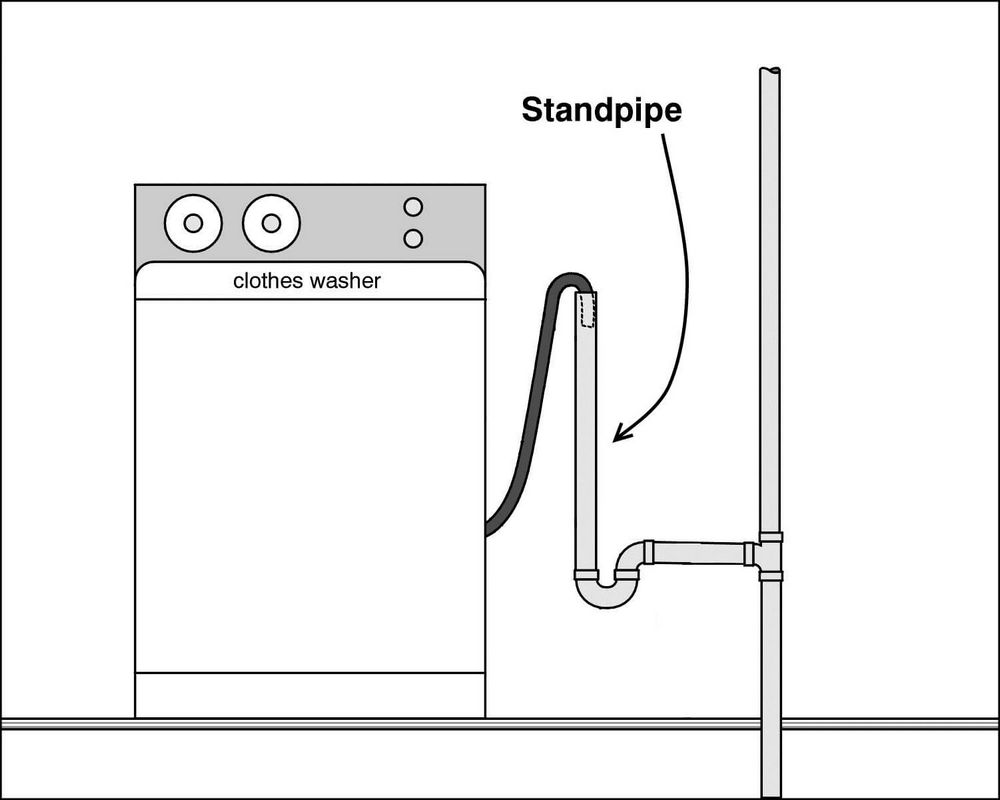
A water trap, also known as a p-trap, is a crucial component in a washing machine’s plumbing system. It is designed to prevent clogs and leaks by creating a barrier of water that blocks sewer gases from entering the home and stops debris from flowing back into the machine.
The water trap is typically placed beneath the wall drain where the washing machine’s drain hose connects. It consists of a curved pipe that retains a small amount of water, which acts as a seal. This water seal prevents odors from the sewage system from entering the home and provides a physical barrier against debris and pests.
In addition to preventing foul odors, the water trap also plays a significant role in preventing clogs and leaks. When the washing machine is in use, wastewater and debris flow through the drain hose and into the water trap. The curved shape of the trap slows down the water flow, allowing sediment and larger particles to settle at the bottom.
By capturing these particles, the water trap reduces the risk of clogs forming in the plumbing system. If these particles were to flow back into the washing machine, they could cause blockages in the drain hose or the machine’s internal components. These blockages can lead to leaks, water damage, and costly repairs.
Regular maintenance of the water trap is essential to ensure its proper functioning. Over time, the water trap may accumulate sediment and debris, which can compromise its effectiveness. It is recommended to clean the trap periodically by removing and rinsing it with hot water or using a mild cleaning solution.
| Benefits of a water trap for a washing machine: |
|---|
| Prevents foul odors from entering the home |
| Acts as a barrier against debris and pests |
| Reduces the risk of clogs in the plumbing system |
| Prevents leaks and water damage |
| Ensures proper functioning of the washing machine |
In conclusion, a water trap is a vital component in a washing machine’s plumbing system. It serves as a barrier against foul odors, debris, and pests, while also preventing clogs, leaks, and water damage. Regular maintenance and cleaning of the water trap are essential to ensure its optimal performance and longevity.
Tips to prevent clogs in your water trap

If you want to avoid clogs in your washing machine’s water trap, there are several simple steps you can take to ensure proper maintenance. By following these tips, you can prevent unnecessary blockages and keep your machine running smoothly.
1. Clean the lint filter regularly: The lint filter of your washing machine plays a crucial role in trapping the lint and debris that can potentially clog the water trap. Cleaning it regularly will help prevent blockages and keep the water flowing freely.
2. Use a mesh laundry bag: Placing delicate items, such as socks or underwear, in a mesh laundry bag can prevent small fibers or threads from entering the water trap and causing clogs. This simple step can go a long way in maintaining the efficiency of your machine.
3. Empty pockets before washing: Before loading your clothes into the washing machine, make sure to check and empty all pockets. Coins, paper clips, or other small objects can find their way into the water trap and cause obstructions.
4. Avoid overloading the machine: Overloading the washing machine can put excessive strain on the water trap and increase the likelihood of clogs. Be mindful of the recommended capacity and avoid exceeding it to prevent blockages.
5. Use proper detergents: Using excessive amounts of detergent or using the wrong type can lead to the accumulation of soap residue in the water trap, resulting in clogs. Follow the manufacturer’s recommendations for detergent usage to prevent this issue.
6. Regularly inspect and clean the water trap: It is a good practice to inspect the water trap periodically and clean it if necessary. This will help you identify any potential clogs early on and address them before they cause any significant damage.
Conclusion: By implementing these tips, you can greatly reduce the risk of clogs in your washing machine’s water trap. Regular maintenance and proper usage will not only extend the life of your machine but also ensure that it operates effectively, minimizing any potential leaks or disruption in your laundry routine.
How to fix a clogged water trap
If your washing machine’s water trap gets clogged, it can cause water to back up and potentially lead to leaks. Here are some steps you can take to fix a clogged water trap:
- Turn off and unplug the washing machine.
- Locate the water trap, which is usually located near the bottom of the washing machine.
- Use a wrench or pliers to remove the cap or cover of the water trap.
- Inspect the trap for any visible clogs, such as lint or debris. If you can see a clog, use a small brush or toothbrush to gently remove it.
- If the trap appears clean, but the water is still not draining properly, you may need to use a plumbing snake or drain auger to remove the clog. Insert the snake into the trap and rotate it gently to dislodge the clog.
- After removing the clog, replace the cap or cover of the water trap and make sure it is tightly secured.
- Turn on the washing machine and run a test cycle to ensure that the water is draining properly.
- If the problem persists, it may be a sign of a more serious issue with the plumbing or drainage system. In this case, it is recommended to contact a professional plumber for further assistance.
By following these steps, you can fix a clogged water trap and prevent any further issues with your washing machine’s drainage system.
Preventing leaks in your water trap

A water trap is an essential component of a washing machine’s plumbing system. It is designed to prevent water from flowing backward into the machine and causing leaks. However, if not properly maintained, the water trap can become clogged or damaged, leading to leaks and potential water damage to your home.
Regular cleaning and inspection

To prevent leaks in your water trap, it is important to regularly clean and inspect it. Remove any debris or build-up that may have accumulated in the trap. Inspect the trap for any cracks or signs of damage that could potentially cause leaks.
Additionally, check the connections between the trap and the washing machine’s plumbing system. Ensure that the connections are tight and secure to prevent any water from leaking out.
Using the right detergents
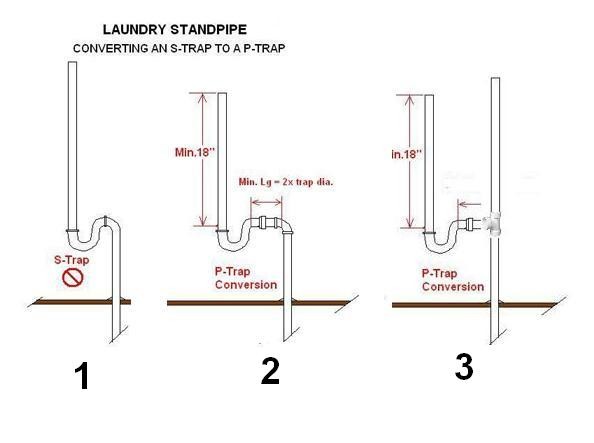
The type of detergent you use in your washing machine can also affect the performance of the water trap. Some detergents can leave behind residue that may clog the trap over time. It is important to use detergents that are compatible with your machine and do not leave behind excessive residue.
When using powder detergents, make sure they completely dissolve in the water before starting the wash cycle. This will help prevent any residue from accumulating in the water trap and potentially causing leaks.
Tip: Avoid using excessive amounts of detergent as this can also lead to build-up and clogging in the water trap.
In conclusion, by regularly cleaning and inspecting your water trap and using the right detergents, you can prevent leaks and maintain the efficiency of your washing machine. Proper maintenance of the water trap will not only help prevent water damage to your home but also prolong the lifespan of your machine.
Video on the topic
Unblocking a Urinal �� The WORST type of Blocked Drain
How to Diagnose Plumbing Drain Problems | Ask This Old House
Why do you need a dishwasher drain loop and how do you fix it?
Well Water So Dirty!! | How to Flush a Well and Install a Well Screen
Answers to frequently asked questions
Read more practical tips and expert opinions about modern devices at appliances-news.com. Here you will find answers to questions about any technology.


