
When your washing machine displays the error code E1, it indicates that there is a problem that needs to be resolved before you can continue with your laundry. This error code can be frustrating, but don’t worry – it’s typically a simple issue with an easy solution.
Reasons for the E1 Error Code
The E1 error code on your washing machine can be triggered by a variety of factors. One possible cause is an unbalanced load. If your machine is overloaded or if the clothes are not distributed evenly, it can cause the machine to become unbalanced and display the E1 error code. Another possible reason for the E1 error is a problem with the water supply. If there is a blockage in the water inlet pipe or if the water pressure is too low, the machine may not be receiving enough water to properly function. Additionally, a malfunctioning sensor or control board can also trigger the E1 error code.
Troubleshooting and Solutions
If you encounter the E1 error code on your washing machine, try these troubleshooting steps to resolve the issue. First, check the load and make sure it is balanced. If the load is too heavy or if the clothes are not evenly distributed, redistribute the load and try running the machine again. If the error persists, check the water supply. Ensure that the water inlet pipe is not blocked and that the water pressure is sufficient. You can also try cleaning the water inlet filter and checking for any kinks or bends in the pipe.
If the above steps do not resolve the E1 error, it may be necessary to examine the sensor or control board. Carefully inspect the sensor for any signs of damage or malfunction. If necessary, replace the sensor. Similarly, check the control board for any visible issues and consider replacing it if needed. If you are unsure about these steps, it is recommended to consult a professional technician or contact the manufacturer for further assistance.
Remember, the E1 error code on your washing machine is typically not a major issue and can be easily resolved with some basic troubleshooting. By following these steps and addressing the possible causes of the error, you can get your washing machine back up and running smoothly.
- Common Causes of Washing Machine Error E1
- Faulty Water Inlet Valves
- Clogged Filters or Hoses
- Malfunctioning Temperature Sensors
- Signs of Malfunctioning Temperature Sensors
- Troubleshooting Steps
- Video on the topic
- Tech Tips: How to Resolve E1 and E2 Error Codes (L)
- F3E1 Error Troubleshoot | Whirlpool Duet Washer
- Answers to frequently asked questions
Common Causes of Washing Machine Error E1

Error E1 is a common issue that can occur with washing machines. Understanding the causes of this error can help troubleshoot and solve the problem more effectively. Here are a few common causes to consider:
1. Water Supply Issues:
One of the most common causes of Error E1 is water supply issues. This can include a problem with the water inlet valve or a blockage in the water supply line. Check the water supply connection and ensure that there is a steady flow of water reaching the washing machine.
2. Drainage Problems:
If the washing machine is unable to drain properly, it can trigger Error E1. This can be caused by a clogged drain hose or a malfunctioning drain pump. Inspect the drain hose for any obstructions and clean it thoroughly. If the issue persists, the drain pump may need to be replaced.
3. Overloaded Machine:
Overloading the washing machine can put excessive pressure on the components, leading to Error E1. Ensure that you are not exceeding the recommended load capacity for your machine. Distribute the clothes evenly in the drum to prevent imbalance and strain on the motor.
4. Faulty Sensor:
Some washing machines have sensors that can detect issues such as an imbalance or water level problems. If the sensor is faulty, it may incorrectly trigger Error E1. Contact a professional technician to diagnose and replace the faulty sensor if necessary.
5. Power Supply Problems:
In some cases, Error E1 can be caused by power supply issues. Check the power cord and ensure that it is properly connected to a functioning outlet. It is also worth checking the circuit breaker to ensure that the washing machine is receiving adequate power.
By considering these common causes, you can effectively troubleshoot and solve Error E1 on your washing machine. If the problem persists, it is recommended to consult the manufacturer’s manual or contact a professional technician for further assistance.
Faulty Water Inlet Valves

One possible cause for an E1 error on a washing machine is faulty water inlet valves. The water inlet valves are responsible for controlling the flow of water into the washing machine. If these valves become faulty or start malfunctioning, it can lead to the E1 error.
Here are some troubleshooting steps to determine if the water inlet valves are the problem:
- Check for any visible signs of damage or wear on the water inlet valves. If you notice any cracks or signs of leakage, it is likely that the valves need to be replaced.
- Ensure that the water supply to the washing machine is turned on and that there are no obstructions or kinks in the water hoses. Sometimes, a blocked or kinked hose can prevent water from flowing properly, causing the E1 error.
- If the water inlet valves appear to be in good condition and the water supply is not obstructed, you can try cleaning the valves to remove any debris or mineral buildup that may be affecting their functionality. Use a vinegar solution or a specific cleaning product recommended by the manufacturer.
- If cleaning the water inlet valves does not resolve the issue, it is advisable to contact a professional technician or the manufacturer for further assistance. They can help diagnose the problem accurately and guide you on the best course of action, whether it involves repairing or replacing the water inlet valves.
Remember to always refer to the washing machine’s user manual or contact the manufacturer for specific instructions and recommendations regarding troubleshooting and repairs.
By following these steps and addressing any issues with the water inlet valves, you can potentially resolve the E1 error on your washing machine and ensure it operates smoothly.
Clogged Filters or Hoses
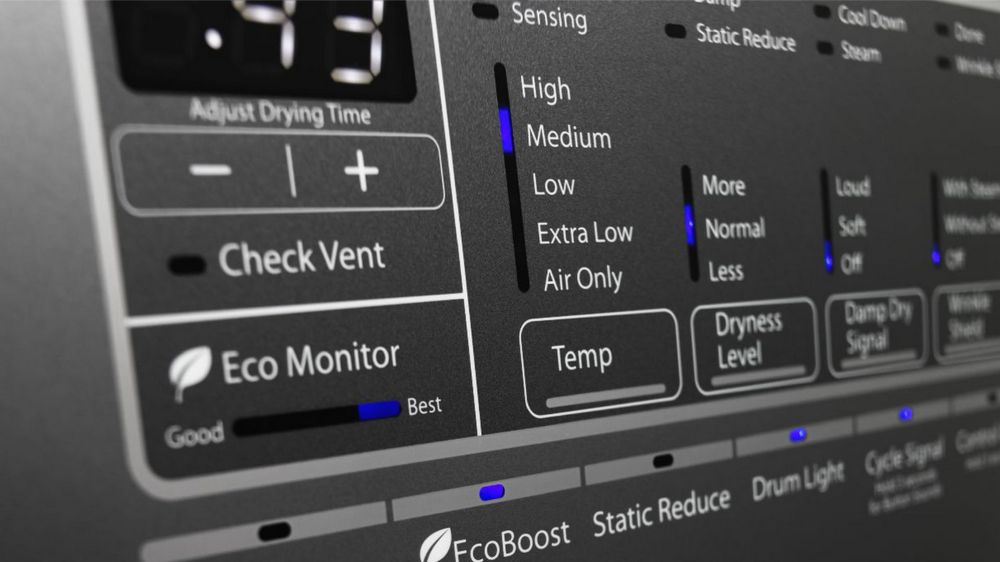
If you encounter an E1 error on your washing machine, it may be due to clogged filters or hoses. Over time, dirt, lint, and debris can accumulate in the filters and hoses, obstructing the flow of water and causing the error code to appear.
To troubleshoot this issue, follow these steps:
- Turn off the washing machine and unplug it from the power source.
- Locate the filters. These are typically found at the bottom front of the machine, behind a small panel.
- Carefully remove the panel and check the filters for any visible clogs or blockages. If you see any debris, carefully clean it out.
- Next, check the hoses connected to the washing machine. These are usually located at the back. Ensure that they are not kinked or twisted, as this can restrict water flow.
- If the filters or hoses are excessively dirty or clogged, it is recommended to remove them and clean them thoroughly. Use a brush or soft cloth to remove any buildup.
- After cleaning, reinsert the filters and reattach the hoses securely.
- Plug in the washing machine and turn it on. Run a quick test cycle to check if the E1 error has been resolved.
If the error persists after cleaning the filters and hoses, there may be an issue with the washing machine’s pump or control panel. In this case, it is advisable to contact a professional technician for further assistance.
Regular maintenance of your washing machine, including cleaning the filters and hoses, can help prevent future E1 errors and keep your machine running smoothly.
Malfunctioning Temperature Sensors

If you are getting the E1 error message on your washing machine, it could indicate a problem with the temperature sensors. The temperature sensors in a washing machine play a crucial role in maintaining the right temperature for each wash cycle. When they malfunction, the machine may not be able to accurately detect and regulate the water temperature, which can lead to various issues.
Signs of Malfunctioning Temperature Sensors

Here are some common signs that your washing machine’s temperature sensors may be malfunctioning:
- Unexpected temperature changes during the wash cycle
- Water that is either too hot or too cold for the set temperature
- Longer than usual wash cycles
- Inconsistent or erratic temperature readings
Troubleshooting Steps

If you suspect that the temperature sensors are malfunctioning, there are a few steps you can take to troubleshoot the issue:
- Check for any physical damage or corrosion on the temperature sensor wiring or connectors. Clean or replace them if necessary.
- Inspect the temperature sensor itself for any signs of damage or wear. A faulty sensor may need to be replaced.
- Reset the washing machine by unplugging it from the power source for a few minutes, then plugging it back in.
- Run a diagnostic test program if your machine has one. This can help identify any specific issues with the temperature sensors.
If these troubleshooting steps do not resolve the E1 error and you are still experiencing temperature-related issues with your washing machine, it may be best to contact a professional technician for further assistance. They will be able to diagnose the problem accurately and recommend the appropriate repairs or replacements.
Video on the topic
Tech Tips: How to Resolve E1 and E2 Error Codes (L)
F3E1 Error Troubleshoot | Whirlpool Duet Washer
Answers to frequently asked questions
Read more practical tips and expert opinions about modern devices at appliances-news.com. Here you will find answers to questions about any technology.


