
A washing machine drain trap is a crucial component that prevents debris from clogging your plumbing system. It is a small device located near your washer’s wastewater outlet and plays a key role in maintaining the efficiency of your machine. Understanding how the drain trap works and ensuring regular maintenance can help you avoid potential plumbing issues and costly repairs.
The drain trap acts as a filter, capturing larger objects and preventing them from flowing into your pipes. It consists of a U-shaped or P-shaped pipe with a removable cap, allowing you to access and clean it easily. Over time, lint, hair, small objects, and other debris can accumulate in the trap, leading to slow drainage, foul odors, and even complete blockages.
Regular maintenance of the washing machine drain trap is essential to prevent potential plumbing problems. It is recommended to clean the trap at least once every few months or whenever you notice a decrease in your machine’s performance. By removing the accumulated debris, you can maintain proper water flow, prevent clogs, and prolong the lifespan of your washer.
- Purpose of washing machine drain trap
- How does a washing machine drain trap work?
- Benefits of a washing machine drain trap
- Importance of a washing machine drain trap
- Types of washing machine drain traps
- How a washing machine drain trap works
- Signs of a clogged washing machine drain trap
- 1. Slow draining
- 2. Standing water
- 3. Foul odor
- How to clean a washing machine drain trap
- Step 1: Preparation
- Step 2: Locate the drain trap
- Step 3: Empty the drain trap
- Step 4: Clean the drain trap
- Step 5: Reinstall the drain trap
- Step 6: Test the washing machine
- Video on the topic
- How to Clear a Clog in Your Plumbing – How a $12 Tool Can Save you Hundreds of Dollars
- Washing machine drain trap cleaning
- Answers to frequently asked questions
Purpose of washing machine drain trap

A washing machine drain trap is an important component of the plumbing system that is designed to prevent debris, lint, and small objects from clogging the drain pipe. It is typically located near the bottom of the washing machine and is connected to the drain hose.
The main purpose of a washing machine drain trap is to catch and collect any foreign material that may be present in the water being drained from the machine. This includes things like lint, hair, small pieces of fabric, coins, and other objects that can easily be washed away with the water.
Without a drain trap, these materials can accumulate in the drain pipe over time, causing blockages and potentially leading to costly plumbing repairs. The drain trap acts as a barrier, catching these materials before they can enter the pipe and cause damage.
How does a washing machine drain trap work?

A typical washing machine drain trap consists of a removable cover or cap, a body, and a removable trap insert. The removable cover or cap allows for easy access to the trap, making it convenient for cleaning and maintenance.
When water is drained from the washing machine, it flows into the drain trap through the drain hose. As the water enters the trap, any debris and objects that are heavier than water sink to the bottom and are collected in the trap insert.
The trap insert can be easily removed and cleaned, preventing any buildup of debris that may impede the flow of water. Regular cleaning of the drain trap is recommended to ensure its proper functioning and to prevent any potential clogging.
Benefits of a washing machine drain trap
The presence of a washing machine drain trap offers several benefits:
| Better drainage | The drain trap prevents the accumulation of debris in the drain pipe, ensuring a smooth and unobstructed flow of water. |
|---|---|
| Prevention of clogs | By catching lint, hair, and other materials, the drain trap helps prevent clogs in the plumbing system, reducing the risk of costly repairs. |
| Easier maintenance | The removable trap insert allows for easy cleaning, ensuring that the trap remains free from debris and continues to function effectively. |
| Extend the lifespan of the washing machine | By preventing debris from entering the drain pipe, a drain trap helps protect the washing machine from potential damage, extending its lifespan. |
In conclusion, a washing machine drain trap serves a crucial role in maintaining the proper functioning of the plumbing system and preventing potential issues caused by debris and clogs. Regular cleaning and maintenance of the drain trap are essential to ensure its continued effectiveness.
Importance of a washing machine drain trap
A washing machine drain trap is an essential component of your washing machine’s plumbing system. It is a crucial tool that helps to prevent clogs and blockages in the drain line.
When you use a washing machine, dirt, lint, and other debris get washed away along with the water. Without a drain trap, these particles can easily accumulate in the drain line and cause a blockage. This can lead to water backing up in your machine or even flooding your laundry area.
By installing a drain trap, you can prevent these issues from occurring. The drain trap acts as a filter, capturing the debris and preventing it from entering the drain line. This ensures that the water can flow freely and prevents clogs from forming.
In addition to preventing clogs, a washing machine drain trap also helps to protect your plumbing system. The trapped debris can cause damage to your pipes over time, leading to leaks or other costly repairs. By using a drain trap, you can extend the lifespan of your plumbing system and save money on repairs.
Regular maintenance of the drain trap is important to ensure its effectiveness. Over time, the trap can become clogged with debris, reducing its ability to filter the water effectively. It is recommended to clean the drain trap regularly to remove any accumulated debris and keep it functioning optimally.
Overall, a washing machine drain trap plays a crucial role in maintaining the efficiency and longevity of your washing machine and plumbing system. It helps to prevent clogs, protect your pipes, and ensure the proper functioning of your machine. Investing in a quality drain trap is a wise decision that can save you from unnecessary headaches and expenses in the long run.
Types of washing machine drain traps
There are several types of drain traps that are commonly used in washing machines to prevent debris from clogging the drain and causing damage. These traps are designed to catch lint, hair, and other particles that can build up over time and prevent them from reaching the main drain.
Here are some of the most common types of washing machine drain traps:
| Type | Description |
|---|---|
| P-trap | This is the most common type of drain trap used in washing machines. It has a curved shape that creates a water seal to prevent sewer gas from entering your home. The P-trap is easy to install and clean, making it a popular choice. |
| T-trap | Similar to the P-trap, the T-trap also has a curved shape but features an additional horizontal leg. This design makes it more effective at catching debris and preventing clogs. However, T-traps can be more difficult to install and clean compared to P-traps. |
| Bottle trap | This type of drain trap is shaped like a bottle and is commonly used in smaller spaces. The bottle trap is compact and can be easily installed in tight areas. It is also relatively easy to clean, making maintenance simpler. |
| Drain hose filter | Some washing machines come with built-in drain hose filters. These filters are located at the end of the drain hose and are designed to catch lint and other debris before it enters the drain. Drain hose filters are easy to clean and can be a convenient option if your washing machine has this feature. |
When choosing a washing machine drain trap, it’s important to consider factors such as ease of installation, cleaning, and the space available for the trap. Regular maintenance and cleaning of the drain trap will help keep your washing machine running smoothly and prevent clogs in the plumbing system.
How a washing machine drain trap works
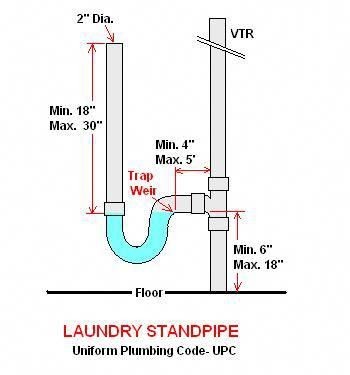
A washing machine drain trap is a crucial component of the drain system that helps to prevent clogs and protect your plumbing. It is a small device that is usually located near the bottom of the washing machine, between the machine and the main drain line.
The drain trap works by catching solid debris, such as lint, hair, and small objects that may be present in the wash water. It uses a combination of gravity and water flow to trap and hold these particles, preventing them from entering the drain pipe and causing blockages further down the line.
Typically, a washing machine drain trap consists of a tall cylinder or bucket-shaped container that is connected to the washing machine drain hose. Inside the trap, there is a screen or mesh filter that captures the debris while allowing the water to pass through.
As the wash water drains, it flows through the drain hose and into the drain trap. The debris in the water becomes trapped in the filter, while the water continues to flow into the main drain line. When the washing machine is done draining, the debris can be easily removed by emptying the trap and cleaning the filter.
Regular maintenance of the washing machine drain trap is essential to ensure its proper functioning. Over time, the trap can become clogged with an accumulation of debris, which can reduce its efficiency and lead to blockages. It is recommended to clean the trap and filter at least once every few months, or more frequently if you notice any signs of a drainage problem.
In conclusion, a washing machine drain trap plays a vital role in keeping your plumbing system running smoothly. By capturing solid debris and preventing it from entering the drain pipe, it helps to prevent clogs and maintain the efficiency of your washing machine.
Signs of a clogged washing machine drain trap
One of the common issues with washing machines is a clogged drain trap. The drain trap is responsible for preventing large objects and debris from entering the plumbing system. When the drain trap becomes clogged, it can cause a range of problems with the washing machine and the overall plumbing system.
Here are some signs that indicate a clogged washing machine drain trap:
1. Slow draining
If you notice that the water is taking longer than usual to drain from the washing machine, it could be a sign of a clogged drain trap. The clog restricts the flow of water, leading to slow draining.
2. Standing water
Another sign of a clogged drain trap is standing water in the washing machine or the laundry room floor. The clog prevents water from flowing out properly, causing it to accumulate in the machine or spill onto the floor.
3. Foul odor
A clogged drain trap can also cause a foul odor to emanate from the washing machine. When debris accumulates in the trap, it can lead to bacterial growth and the release of unpleasant odors.
It is important to address a clogged washing machine drain trap promptly to avoid further damage to the machine and the plumbing system. If you notice any of these signs, it is recommended to contact a professional plumber to clean or replace the drain trap.
How to clean a washing machine drain trap
Regular maintenance of your washing machine drain trap is crucial to prevent clogs and maintain optimal performance. Here are the steps to clean a washing machine drain trap:
Step 1: Preparation
Before you begin, make sure you have the necessary tools and materials. You will need a bucket, a pair of gloves, a flashlight, and a screwdriver.
Step 2: Locate the drain trap

The drain trap is typically located at the bottom of your washing machine, behind a small access panel. Use the flashlight to locate the panel and remove it using the screwdriver.
Step 3: Empty the drain trap
Place the bucket under the drain trap to catch any water that may spill out. Slowly unscrew the drain trap using the screwdriver, being mindful of the water. Once the trap is loose, remove it carefully and empty any debris and residue into the bucket.
Step 4: Clean the drain trap
Thoroughly clean the drain trap using warm water and a mild detergent. Use a brush or a toothbrush to scrub away any stubborn debris or buildup. Rinse the trap thoroughly to remove any cleaning solution residue.
Step 5: Reinstall the drain trap

Once the trap is clean and completely dry, reinstall it in its original position. Tighten the screws to ensure a secure fit.
Step 6: Test the washing machine
Before using your washing machine again, run a test cycle to ensure everything is working properly. Check for any leaks or abnormal noises during the cycle.
By following these steps regularly, you can prevent clogs and maintain the efficiency of your washing machine drain trap. Cleaning the drain trap every few months will help prolong the lifespan of your machine and save you from potential costly repairs.
Video on the topic
How to Clear a Clog in Your Plumbing – How a $12 Tool Can Save you Hundreds of Dollars
Washing machine drain trap cleaning
Answers to frequently asked questions
Read more practical tips and expert opinions about modern devices at appliances-news.com. Here you will find answers to questions about any technology.


