
Having a washing machine that does not heat water can be frustrating and inconvenient. It can result in clothes not being properly cleaned and sanitized, which defeats the purpose of using a washing machine in the first place. There can be several reasons why your washing machine is not heating water, and understanding these reasons can help you troubleshoot the issue and potentially fix it yourself.
One common reason for a washing machine not heating water is a faulty heating element. The heating element is responsible for heating up the water in the machine, and if it is not functioning properly, the water will not reach the desired temperature. Another possible reason could be a malfunctioning thermostat, which regulates the temperature of the water. If the thermostat is not working correctly, it may not signal the heating element to heat up the water, resulting in cold water during the washing cycle.
Additionally, a clogged inlet hose or a defective water inlet valve can also prevent the washing machine from heating water. The inlet hose is responsible for bringing water into the machine, and if it is clogged with debris or minerals, it can restrict the flow of hot water. Similarly, if the water inlet valve is defective or malfunctioning, it may not allow hot water to enter the machine, resulting in cold water during the wash cycle.
It is important to note that some washing machines have a feature that allows you to select cold water or hot water cycles. If you have selected the cold water cycle, then it is normal for the machine not to heat the water. However, if you have selected the hot water cycle and the machine is still not heating the water, it is likely that there is an underlying issue that needs to be addressed.
In conclusion, there can be several reasons why your washing machine is not heating water, including a faulty heating element, a malfunctioning thermostat, a clogged inlet hose, or a defective water inlet valve. It is recommended to consult the user manual for your specific washing machine model and try to troubleshoot the issue yourself. However, if you are not comfortable with DIY repairs or if the issue persists, it is best to seek professional help to avoid further damage to your washing machine.
- Common Problems with Heating Element
- Burnt Out Heating Element
- Faulty Thermostat
- Faulty Thermostat Causes
- Malfunctioning Timer and Control Board
- Damaged Heating Coil
- Clogged Water Inlet Valve
- Electrical Issues and Wiring Problems
- Video on the topic
- GE Washer Troubleshooting – How to Find Error Codes, and Reset a GE Washer
- Top Nine Reasons Your Older Style Washer Is Not Spinning!
- Answers to frequently asked questions
Common Problems with Heating Element
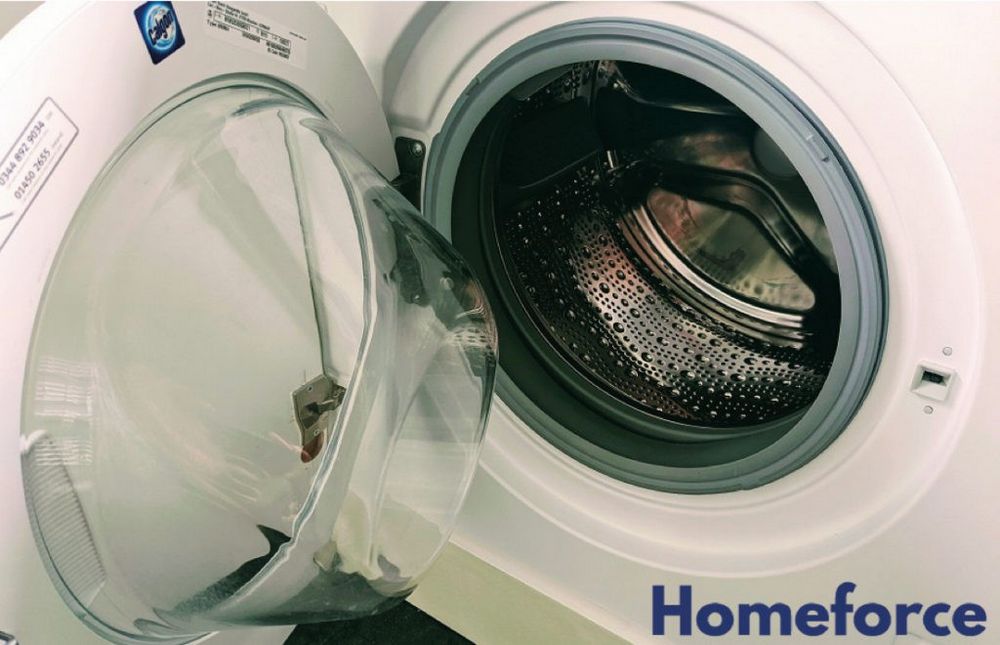
While there may be several reasons why your washing machine is not heating water, one common problem could be with the heating element. The heating element is a crucial component that is responsible for heating the water in your machine. If it becomes faulty or damaged, it can result in a lack of hot water during the wash cycle.
Burnt Out Heating Element

One common issue with the heating element is that it may burn out over time. This can happen due to a buildup of limescale or sediment on the element, which can cause it to overheat and eventually fail. Additionally, power surges or electrical issues can also cause the heating element to burn out.
Faulty Thermostat
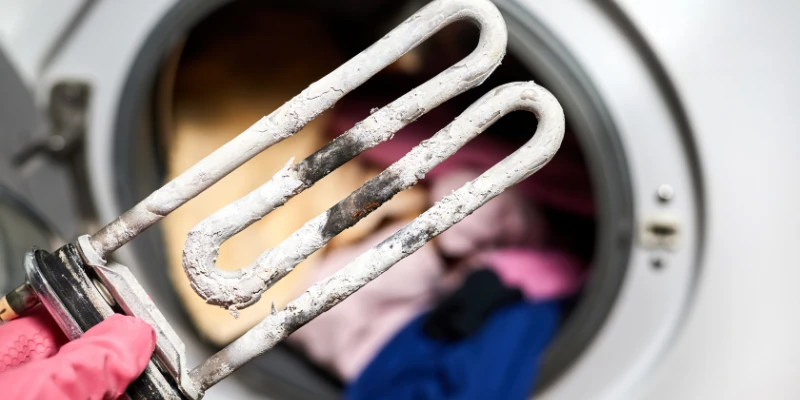
Another common problem that could affect the heating element is a faulty thermostat. The thermostat is responsible for regulating the temperature of the water, and if it malfunctions, it can prevent the heating element from turning on or off as needed. This can result in inconsistent heating or no heating at all.
If you suspect that the heating element or thermostat is the cause of your washing machine’s heating issues, it is recommended to consult a professional technician for further diagnosis and repair. They will be able to accurately identify the problem and provide a suitable solution.
Remember, attempting to fix or replace the heating element or thermostat yourself can be dangerous and may void any warranty on your washing machine. It is always best to seek professional help to ensure a safe and effective repair.
Faulty Thermostat Causes
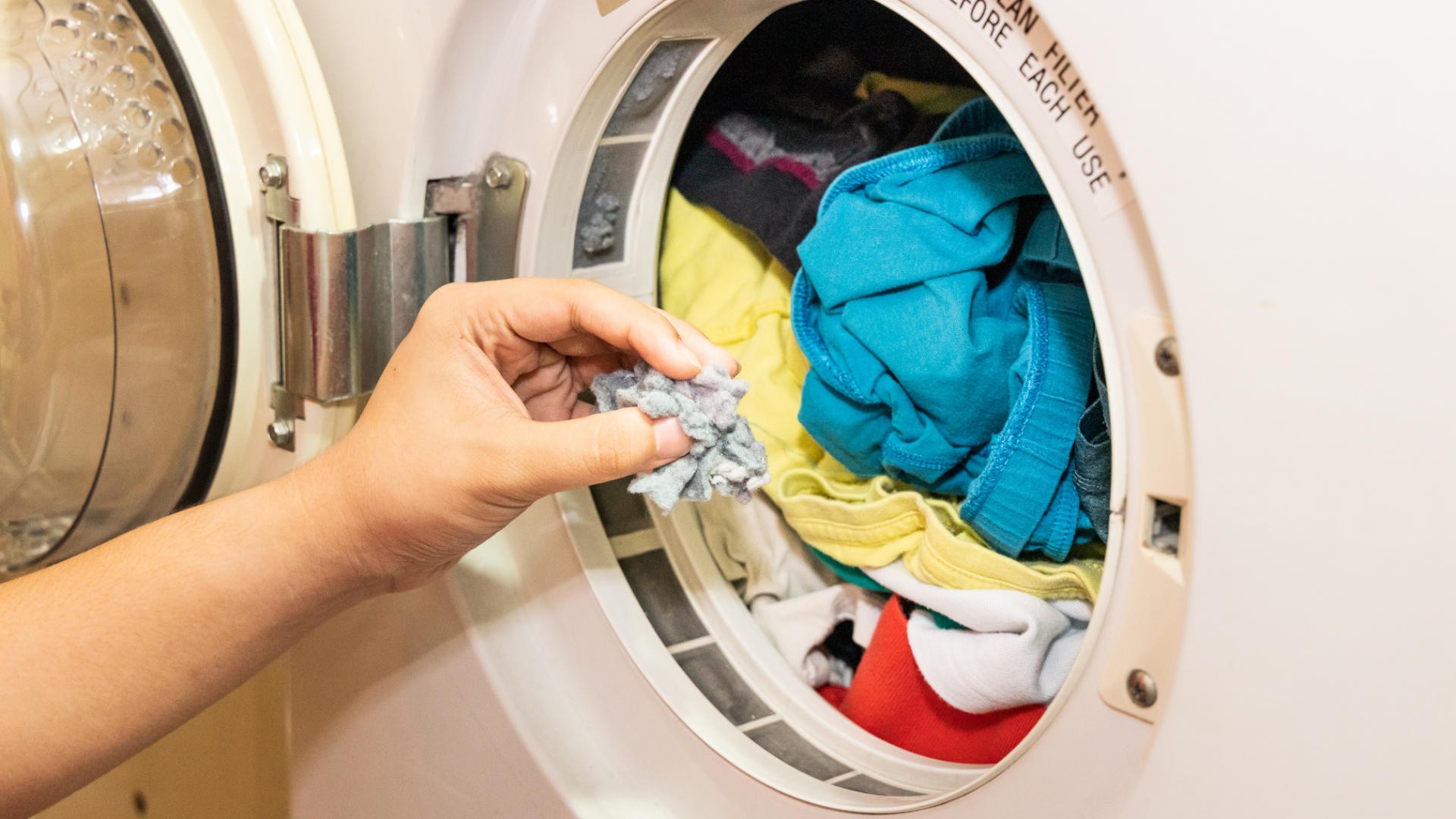
A faulty thermostat is one of the common causes of a washing machine failing to heat water properly. The thermostat is responsible for regulating the temperature of the water during the washing process. If the thermostat is not functioning correctly, it may not be able to accurately gauge the temperature, causing the heating element to either overheat or not heat up at all.
There are a few reasons why a thermostat may become faulty, including:
1. Wear and Tear: Over time, the thermostat can become worn out or damaged, leading to a malfunction. This is especially true if the washing machine is used frequently or subjected to high heat levels.
2. Faulty Wiring: Poor wiring connections or damaged wires can disrupt the proper functioning of the thermostat. When the electrical connections are not secure, it can affect the thermostat’s ability to regulate the temperature accurately.
3. Calibration Issues: If the thermostat is not calibrated correctly, it may not accurately detect the water temperature. This can lead to the heating element not activating when it should or overheating the water.
4. Defective Thermostat: In some cases, the thermostat may have a manufacturing defect, which causes it to malfunction. This can happen even with new washing machines.
If you suspect that your washing machine’s thermostat is the cause of the heating issue, it is recommended to consult a professional technician to diagnose and repair the problem. They will be able to determine if the thermostat needs to be replaced or if there are any other underlying issues causing the malfunction.
Malfunctioning Timer and Control Board
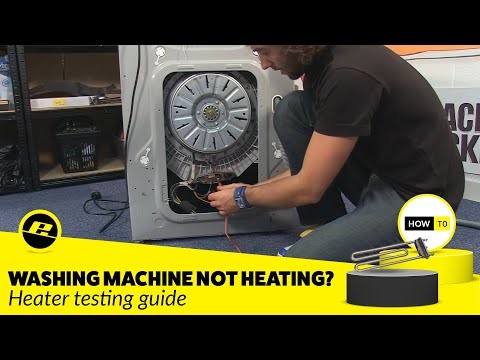
If your washing machine is not heating water, a malfunctioning timer or control board could be the culprit. The timer and control board are responsible for regulating the various functions of the washing machine, including the temperature of the water. If either of these components is not working properly, it could prevent the machine from heating the water.
To check if the timer is the issue, you can manually advance it to the heating portion of the cycle. If the water starts to heat up when you manually advance the timer, then the timer is likely the problem. In this case, replacing the timer should solve the issue.
The control board, on the other hand, is a more complex component that requires professional testing and potentially replacement. A malfunctioning control board can prevent the heating element from receiving power, resulting in no hot water. If you suspect a faulty control board, it is best to call a technician to diagnose and repair the issue.
It is also worth noting that a malfunctioning timer or control board could be caused by other factors, such as power surges or electrical issues. If you have recently experienced a power outage or surge, it is possible that it caused damage to these components. In this case, it is recommended to consult a professional for further troubleshooting and repairs.
| Signs of a malfunctioning timer or control board: |
|---|
| The water does not get hot even when the heating element is in good condition. |
| The machine does not advance through the cycle properly, including the heating portion. |
| The machine does not respond to temperature selections on the control panel. |
If you suspect that a malfunctioning timer or control board is the reason why your washing machine does not heat water, it is advisable to consult a professional technician to diagnose and resolve the issue. Attempting to repair or replace these components without proper knowledge and experience can be dangerous and may cause further damage to the machine.
Damaged Heating Coil
One of the common reasons why your washing machine may not be heating water is a damaged heating coil. The heating coil is responsible for heating the water in your machine, and if it becomes damaged or faulty, it won’t be able to do its job effectively.
You can check if the heating coil is damaged by inspecting it for any signs of wear and tear or any visible damage. Also, you should check the connectors and wires connected to the heating coil to make sure they are intact and properly connected.
If you find that the heating coil is damaged, you will need to replace it. You can get a replacement heating coil from the manufacturer or a local appliance repair shop. Make sure to follow the manufacturer’s instructions when replacing the heating coil to ensure proper installation.
It’s also important to note that a damaged heating coil may be a result of other issues with your washing machine, such as a malfunctioning thermostat or a faulty control board. If you have checked the heating coil and it appears to be in good condition, it’s recommended to seek professional help to diagnose and fix the problem.
In conclusion, a damaged heating coil can prevent your washing machine from heating water. Make sure to inspect the heating coil for any signs of damage and replace it if necessary. If the heating coil is not the issue, consider seeking professional assistance to identify and fix the underlying problem.
Clogged Water Inlet Valve

If your washing machine is not heating water, one possible reason could be a clogged water inlet valve. The water inlet valve is responsible for allowing hot water to flow into the washing machine when needed.
Over time, mineral deposits, dirt, and debris can accumulate in the water inlet valve, obstructing the flow of hot water. This can result in your washing machine not being able to heat the water properly.
To check if the water inlet valve is clogged, you can perform a simple test. Start by turning off the water supply to the washing machine and unplugging it from the power outlet. Then, carefully disconnect the hot water hose from the back of the machine. Slowly open the valve in a bucket or sink to see if water flows freely. If the water flow is restricted or there is no flow at all, it indicates a clog in the water inlet valve.
To fix a clogged water inlet valve, you will need to clean it. Start by referring to the manufacturer’s instructions for your specific washing machine model. Depending on the make and model, you may need to remove the valve to clean it thoroughly. Use a soft brush or toothbrush and warm soapy water to clean the valve and remove any dirt or debris. Ensure that all the small openings and passages are clear.
Once you have cleaned the water inlet valve, reassemble it according to the manufacturer’s instructions. Reconnect the hot water hose and turn on the water supply. Plug the washing machine back into the power outlet and run a test cycle to see if the water heats up properly.
Regularly checking and cleaning the water inlet valve can help prevent clogs and ensure that your washing machine heats water efficiently.
Electrical Issues and Wiring Problems

If your washing machine is not heating water, it could be due to electrical issues or wiring problems. There are several components in your washing machine that are responsible for heating the water, and if any of these components are faulty or if there are problems with the wiring, the water may not heat up properly.
One possible electrical issue is a malfunctioning heating element. The heating element in your washing machine is responsible for heating the water to the desired temperature. If the heating element is faulty or burned out, it will need to be replaced. You can test the heating element with a multimeter to check for continuity. If there is no continuity, it is a sign that the heating element is defective.
Another potential electrical issue is a faulty thermostat. The thermostat regulates the temperature of the water in your washing machine. If the thermostat is not working correctly, it may not send the signal to heat up the water. You can test the thermostat with a multimeter to see if it is functioning properly. If it is not, you will need to replace it.
In addition to electrical issues, wiring problems can also cause the water in your washing machine not to heat up. Faulty wiring connections or damaged wiring can prevent the electrical current from flowing to the heating components. It is essential to check the wiring harness for any loose connections or signs of damage. If you find any issues, you may need to repair or replace the wiring.
It is important to note that dealing with electrical components and wiring can be dangerous if you are not experienced. If you are unsure about how to diagnose or fix electrical issues in your washing machine, it is best to contact a professional technician for assistance.
In conclusion, if your washing machine is not heating water, electrical issues or wiring problems may be the cause. Checking the heating element, thermostat, and wiring connections can help identify and resolve these issues. Remember to exercise caution and seek professional help when dealing with electrical components.
Video on the topic
GE Washer Troubleshooting – How to Find Error Codes, and Reset a GE Washer
Top Nine Reasons Your Older Style Washer Is Not Spinning!
Answers to frequently asked questions
Read more practical tips and expert opinions about modern devices at appliances-news.com. Here you will find answers to questions about any technology.


