Having a washing machine that won’t drain or spin can be incredibly frustrating. It can disrupt your daily routine, leaving you with piles of dirty laundry and a malfunctioning appliance. However, before you panic and call for professional help or rush to replace the machine, there are a few troubleshooting steps you can take to try and fix the issue yourself.
Check for obstructions: One of the most common causes of a washing machine not draining or spinning is a clogged drain hose or pump. Start by disconnecting the machine from the power source and pulling it out from the wall. Look for any obstacles such as lint, small clothing items, or foreign objects that may be blocking the drain hose or pump. Clearing these obstructions may solve the problem.
Inspect the lid switch: If the lid switch is faulty, it can prevent the machine from draining or spinning. This switch is typically located near the door latch on the top or front of the machine. Ensure that the switch is not damaged or loose. You can test the switch using a multimeter to determine if it is functioning properly. If the switch is defective, it will need to be replaced.
Check the drainage pump: The drainage pump is responsible for removing the water from the machine. If it is clogged or damaged, the machine won’t drain. Locate the pump, which is usually at the bottom of the machine, and inspect it for any debris or signs of damage. Clean out any blockages and ensure that the pump impeller is not broken or jammed. If the pump is beyond repair, it will need to be replaced.
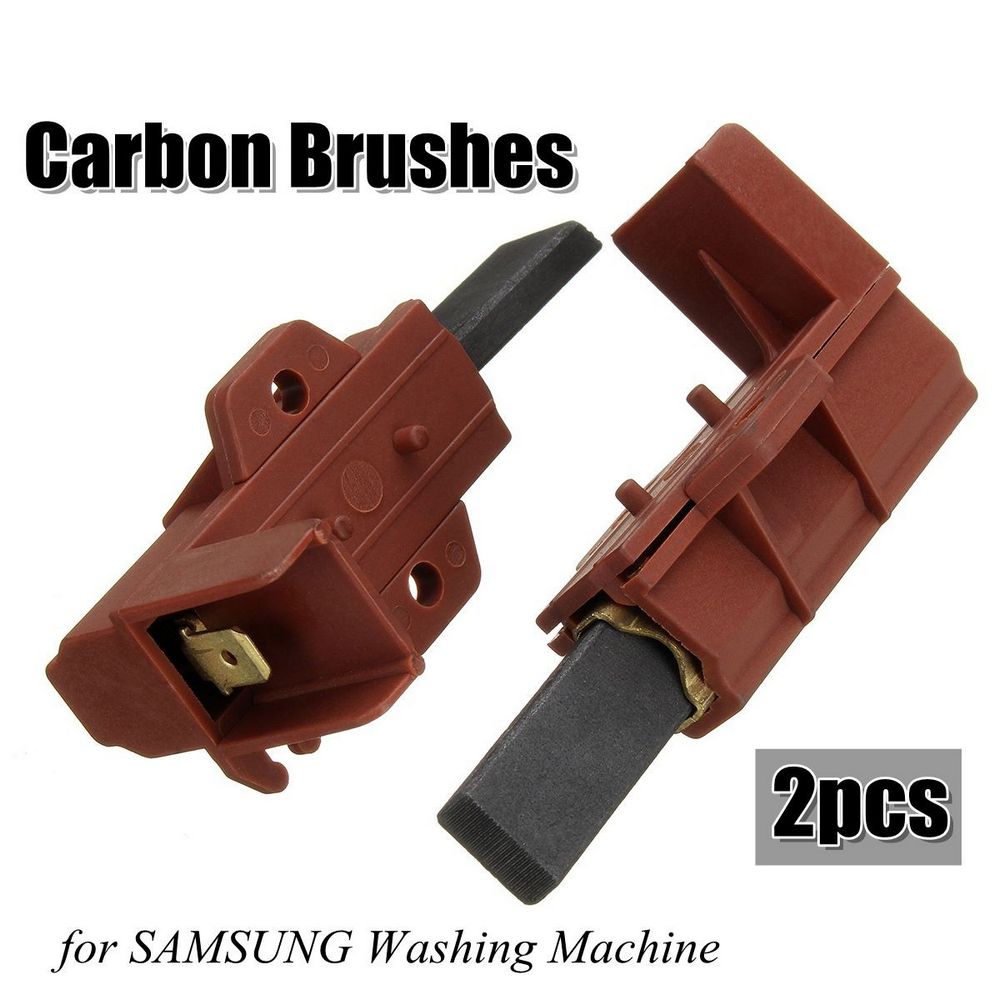
Verify the belt and motor: A broken or worn-out belt can prevent the machine from spinning. Inspect the belt for any signs of damage, such as cracks or excessive wear. Replace the belt if necessary. Additionally, check the motor to ensure it is functioning properly. You may need to refer to the machine’s manual or seek professional assistance to inspect and repair the motor.
Call for professional help: If you have gone through these troubleshooting steps and your washing machine still won’t drain or spin, it may be time to call in a professional. They will be able to accurately diagnose and fix the issue, ensuring that your machine is back up and running smoothly.
Dealing with a washing machine that won’t drain or spin can be frustrating, but sometimes a simple solution is all that’s needed. By following these troubleshooting steps, you may be able to save yourself time, money, and headaches by resolving the issue on your own.
- Common problems with washing machines
- 1. The washing machine won’t start
- 2. The washing machine won’t drain or spin
- Washing machine won’t drain or spin
- Possible causes for a non-draining or non-spinning washing machine
- Steps to troubleshoot a washing machine that doesn’t drain or spin
- 1. Check the power
- 2. Check the drain hose
- 3. Check the pump filter
- 4. Check the drain pump
- 5. Check the lid switch
- 6. Check the motor coupling or belt
- How to clean the drain pump filter
- Signs that the drain pump may need to be replaced
- Video on the topic
- Washer Won’t Drain — Washing Machine Troubleshooting
- Wash Machine Won’t Drain or Spin – EASY 5 Minute Fix!
- My washing machine stops at Rinse – Does not DRAIN or SPIN
- Top-Load Washer Won’t Spin — Washing Machine Troubleshooting
- Answers to frequently asked questions
Common problems with washing machines

Washing machines are convenient appliances that make our lives easier by handling our laundry needs. However, like any other machine, washing machines can encounter problems from time to time. Here are some common issues that you may experience with your washing machine:
1. The washing machine won’t start
If your washing machine doesn’t start when you press the power button, there could be a few reasons for this. First, check if the machine is properly plugged in and if the circuit breaker hasn’t tripped. You should also ensure that the door or lid of the machine is closed securely as some models won’t start if the door is not fully closed.
2. The washing machine won’t drain or spin
If your washing machine is not draining or spinning, it is likely due to a clog or blockage. Start by checking the drainage hose for any kinks or clogs. You can also inspect the pump filter for any debris or foreign objects that may be preventing proper draining. In some cases, the issue may be with the drain pump itself, in which case you may need to replace it.
These are just a couple of common problems that can occur with washing machines. If you are unsure about how to troubleshoot or fix the issue, it is always best to consult the user manual or seek the help of a professional technician.
Washing machine won’t drain or spin

If your washing machine won’t drain or spin, it can be a frustrating issue to deal with. However, there are a few steps you can take to troubleshoot and potentially fix the problem yourself.
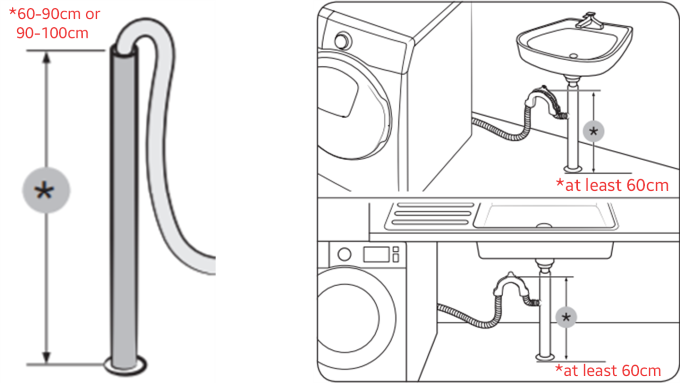
1. Check the drain hose: Start by inspecting the drain hose for any clogs or kinks. A clogged or kinked hose can prevent water from draining properly. Remove any clogs and straighten out any kinks in the hose.
2. Clean the filter: Some washing machines have a filter that can become clogged with lint, debris, or small items. Locate the filter and remove it to clean it thoroughly. This can help improve drainage and prevent spinning issues.
3. Reset the machine: In some cases, a simple reset can solve the problem. Unplug the washing machine from the power source for a few minutes, then plug it back in. This can reset the machine’s motor and control board, potentially resolving any issues.
4. Check the pump: The drain pump is responsible for removing water from the washing machine. Inspect the pump for any blockages or debris. You can use a small tool or a piece of wire to remove any clogs. If the pump is damaged or not working properly, it may need to be replaced.
5. Call a professional: If you have tried the above steps and your washing machine still won’t drain or spin, it may be time to call a professional repair technician. They have the experience and knowledge to diagnose and fix more complex issues with your washing machine.
Remember to always follow safety guidelines and disconnect the washing machine from the power source before attempting any repairs or inspections.
By following these troubleshooting steps, you may be able to identify and fix the issue with your washing machine not draining or spinning.
Possible causes for a non-draining or non-spinning washing machine
When your washing machine refuses to drain or spin, there could be several reasons for this issue. It is important to troubleshoot the problem to determine the cause and find a solution. Here are some possible causes for a non-draining or non-spinning washing machine:
| Clogged drain hose: | If the drain hose is clogged or blocked, the water will not be able to flow out of the machine. Check for any obstructions such as lint, debris, or small objects that may be blocking the hose. |
| Faulty drain pump: | The drain pump is responsible for removing the water from the machine. If it is not functioning properly, the water will not drain out. Inspect the drain pump for any signs of damage or wear and consider replacing it if necessary. |
| Broken lid switch: | The lid switch is a safety feature that prevents the machine from spinning or draining when the lid is open. If the lid switch is broken or malfunctioning, it may need to be replaced to restore proper functionality. |
| Malfunctioning motor: | If the motor is not working correctly, it may prevent the machine from draining or spinning. Check for any signs of a faulty motor, such as strange noises or a burning smell, and consider calling a professional technician to diagnose and fix the issue. |
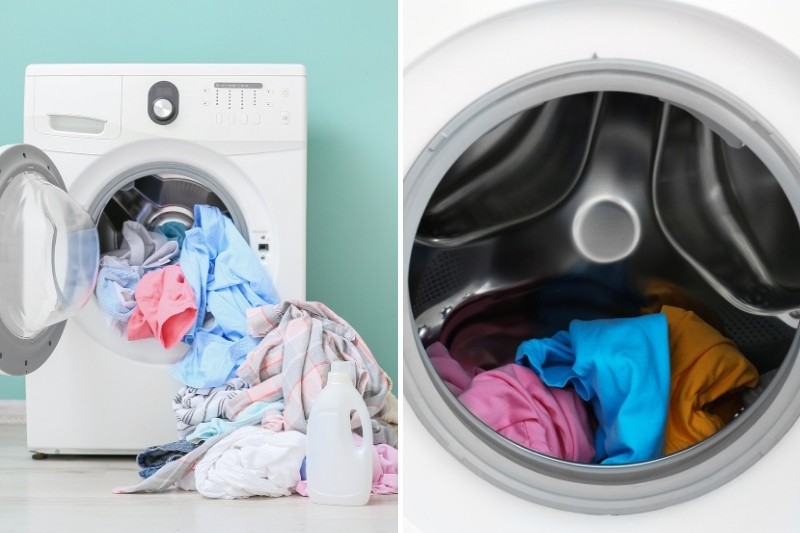
| Overloaded machine: | If you have overloaded the washing machine with too many clothes, it may not be able to drain or spin properly. Make sure to follow the manufacturer’s guidelines for the maximum load capacity of your machine to prevent this issue. |
Remember to always unplug the machine before attempting any troubleshooting or repairs. If you are unsure of how to fix the issue, it is recommended to seek assistance from a qualified technician to avoid further damage to your washing machine.
Steps to troubleshoot a washing machine that doesn’t drain or spin

If your washing machine is not draining or spinning, there are a few steps you can take to troubleshoot the problem before calling a technician. Follow these steps to identify and potentially fix the issue:
1. Check the power
Make sure your washing machine is properly plugged in and that the power outlet is working. Verify that there are no tripped circuit breakers and that the machine is getting power.
2. Check the drain hose

Inspect the drain hose for any kinks, clogs, or blockages. Ensure that the hose is properly connected to both the machine and the drain system. Straighten out any kinks and remove any debris or obstructions.
3. Check the pump filter
Many washing machines have a pump filter that can get clogged with lint, coins, or other small objects. Locate the pump filter, usually located at the bottom front or back of the machine, and clean it out. Refer to your machine’s manual for instructions on how to remove and clean the pump filter.
4. Check the drain pump

If the drain hose and pump filter are clear, the issue may lie with the drain pump. Remove the pump and inspect it for any clogs or damage. If necessary, clean or replace the pump to restore proper drainage.
5. Check the lid switch

Some washing machines have a lid switch that prevents the machine from draining or spinning if the lid is open. Ensure that the lid is securely closed and that the lid switch is functioning properly. You may need to replace the lid switch if it is faulty.
6. Check the motor coupling or belt
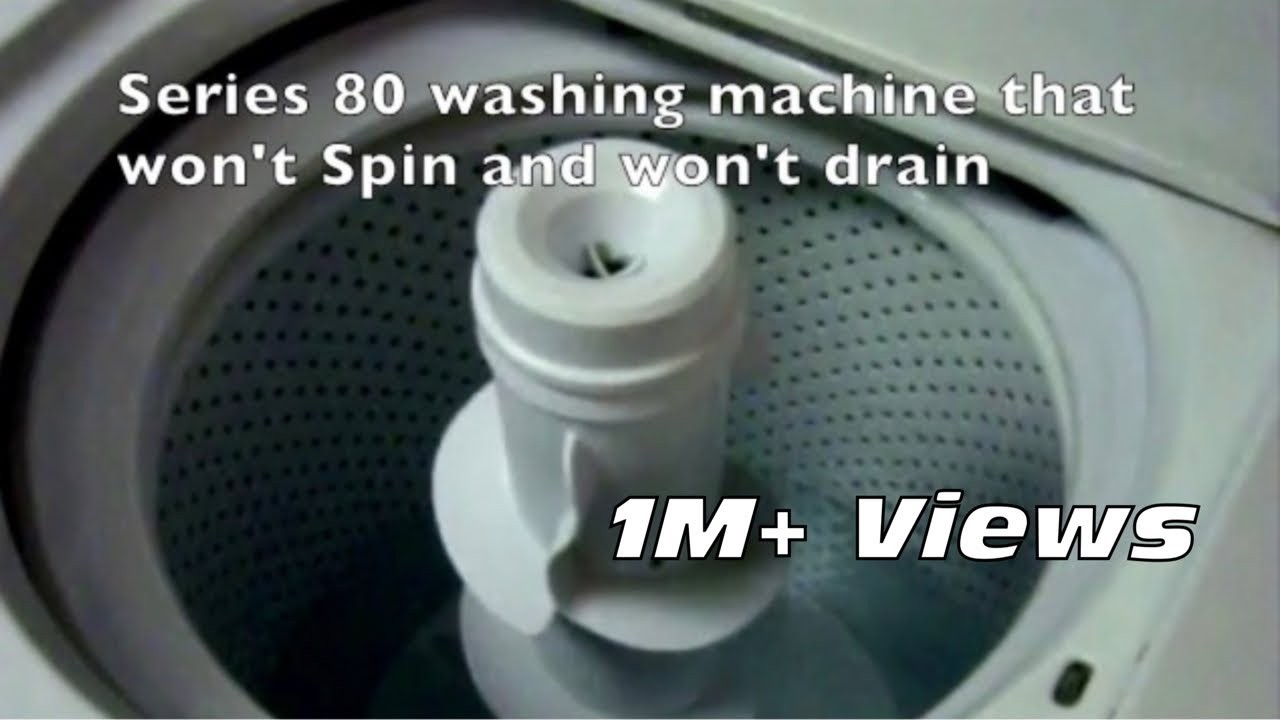
If the machine is not spinning, the motor coupling or belt may be worn or broken. Inspect the coupling or belt for any signs of damage and replace if necessary. Refer to your machine’s manual or manufacturer for instructions on how to replace the motor coupling or belt.
If none of these steps resolve the issue, it is recommended to contact a professional washing machine repair technician to diagnose and fix the problem. Attempting repairs without proper knowledge and expertise can further damage the machine and exacerbate the issue.
How to clean the drain pump filter

If your washing machine is not draining properly, it may be due to a clogged drain pump filter. Follow these steps to clean the drain pump filter:
- Turn off the washing machine and unplug it from the power source.
- Locate the drain pump filter. It is typically located at the front or bottom of the machine behind a small access panel or a kickplate.
- Place a towel or a bucket underneath the filter to catch any water that may spill out.
- Remove the access panel or kickplate, and use a screwdriver or a coin to loosen the screws or clips that secure it in place.
- Gently pull the panel or kickplate away to reveal the drain pump filter.
- Unscrew the drain pump filter by turning it counterclockwise. Be prepared for some water to come out, so make sure you have the towel or bucket in place.
- Carefully inspect the filter for any debris or foreign objects, such as lint, coins, or small items of clothing.
- Clean the filter by rinsing it under running water or using a soft brush to remove any buildup.
- Once the filter is clean, screw it back into place by turning it clockwise.
- Replace the access panel or kickplate and secure it with the screws or clips.
- Plug the washing machine back into the power source and turn it on to check if the issue has been resolved.
If the washing machine still does not drain or spin properly after cleaning the drain pump filter, there may be a different issue that needs to be addressed. In such cases, it is recommended to consult the manufacturer’s guide or contact a professional repair service.
Signs that the drain pump may need to be replaced

If your washing machine is not draining or spinning properly, it could be due to a faulty drain pump. Here are some signs that indicate the drain pump may need to be replaced:
1. Excessive noise: If the drain pump is making loud grinding or humming noises, it may be a sign of a malfunctioning pump. This could be due to a worn-out motor or a damaged impeller.
2. Water not draining: If the water is not draining from the drum, even though the pump is running, it could be an indication that the drain pump is not working properly. This could be caused by a clogged pump or a faulty pump motor.
3. Burning smell: If you notice a burning smell coming from your washing machine, it could indicate that the drain pump motor is overheating. This could be due to a faulty motor or a blocked impeller.
4. Leaks: Any visible water leaks around the drain pump area could suggest a faulty drain pump. This could be caused by a cracked pump housing or worn-out seals.
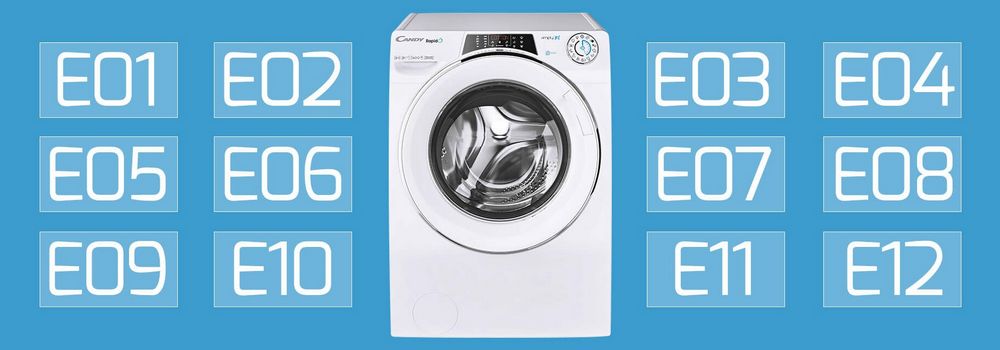
5. Error codes: If your washing machine displays error codes related to the drain pump, such as “E10” or “E20,” it is likely that the drain pump is experiencing issues and needs to be replaced.
If you notice any of these signs, it is recommended to consult a professional technician to diagnose and replace the drain pump if necessary. Attempting to replace the drain pump yourself without proper knowledge and experience can result in further damage to your washing machine.
Video on the topic
Washer Won’t Drain — Washing Machine Troubleshooting
Wash Machine Won’t Drain or Spin – EASY 5 Minute Fix!
My washing machine stops at Rinse – Does not DRAIN or SPIN
Top-Load Washer Won’t Spin — Washing Machine Troubleshooting
Answers to frequently asked questions
Read more practical tips and expert opinions about modern devices at appliances-news.com. Here you will find answers to questions about any technology.