
When it comes to keeping your clothes fresh and clean, having a reliable washing machine is essential. However, many people overlook the importance of maintaining and cleaning their washing machine filters. These filters play a crucial role in ensuring that your machine functions at its best and that your clothes come out as clean as possible.
Washing machine filters are designed to trap and remove any dirt, lint, or debris that may accumulate during the wash cycle. Over time, these filters can become clogged, leading to reduced water flow and poor washing performance. Regularly cleaning and replacing these filters is vital in order to maintain the efficiency and longevity of your washing machine.
There are different types of washing machine filters, including lint filters, pump filters, and water inlet filters. Lint filters are typically located inside the machine and should be cleaned after every use. Pump filters, on the other hand, are found at the bottom of the machine and should be checked and cleaned every few months. Water inlet filters prevent any sediment or particles from entering the machine and should be inspected regularly for any signs of clogging.
So, how can you find the best solutions for your washing machine filter needs? It’s important to consult your machine’s manufacturer’s manual for specific instructions and guidelines. Additionally, you can consider purchasing high-quality filters from trusted brands to ensure optimal performance. Regular maintenance and cleaning of your filters will help to prolong the lifespan of your washing machine and keep your clothes looking their best.
- All you need to know about washing machine filters
- Types of washing machine filters
- 1. Lint filters
- 2. Pump filters
- 3. Water inlet filters
- 4. Self-cleaning filters
- Importance of washing machine filters
- Removes dirt and debris
- Prevents clogging
- Improves washing performance
- Video on the topic
- How to remove and clean filter on Bosch Washing Machine & keep it Hygienically Fresh
- CLEAN your WASHING MACHINE like THIS & Say Bye-bye to Mold, Gunk, Grime, Scum, Brown flakes & Stench
- 11 Things to Consider Before Buying a Washing Machine
- Answers to frequently asked questions
All you need to know about washing machine filters

Washing machine filters play a crucial role in maintaining the performance and longevity of your appliance. These filters help in trapping dirt, debris, lint, and other particles that can clog the machine and affect its efficiency. Understanding how these filters work and why they are important can help you maintain a clean and reliable washing machine.
Types of washing machine filters:
There are primarily two types of filters found in washing machines:
1. Lint filters: These filters are located inside the drum and are designed to trap lint and other small particles that may come off your clothes during the washing cycle. It is important to clean these filters after every wash to prevent lint build-up and to optimize the machine’s performance.
2. Drain filters: Also known as pump filters or coin traps, these filters are located near the drain pump and are responsible for capturing larger debris, such as coins, hairpins, and other foreign objects. Regularly checking and cleaning these filters can prevent blockages in the drain hose, which can lead to water not draining properly.
Importance of cleaning washing machine filters:
Regular maintenance and cleaning of washing machine filters are essential for the following reasons:
1. Efficiency: Clogged filters can hinder water flow, reduce the machine’s efficiency, and prolong the washing cycle. Cleaning the filters ensures a smooth water flow and efficient cleaning performance.
2. Avoiding clogs: Dirty filters can cause blockages in the drain hose or even damage the drain pump. By regularly cleaning the filters, you can prevent clogs and reduce the risk of costly repairs.
3. Odor prevention: When filters are clogged with debris and lint, it can lead to unpleasant odors in your washing machine. Cleaning the filters helps eliminate these odors and keeps your laundry smelling fresh.
How to clean washing machine filters:
To clean the filters, follow these steps:
1. Lint filters: Remove the lint filter from the drum and rinse it under running water to remove any lint or debris. If needed, gently scrub the filter with a soft brush to loosen stubborn particles. Once clean, dry the filter thoroughly before placing it back in the machine.
2. Drain filters: Begin by unplugging the washing machine and locating the drain filter. Use a screwdriver or coin to remove the filter cover and carefully pull out the filter. Rinse it under running water to remove any debris, and if necessary, use a small brush to remove stubborn dirt. Once clean, reinsert the filter, secure the cover, and plug the machine back in.
Conclusion:
Regularly cleaning and maintaining your washing machine filters is integral to its performance and longevity. By understanding the different types of filters, their importance, and how to clean them, you can ensure a clean and efficient washing machine that will keep your clothes fresh and clean for years to come.
Types of washing machine filters

Washing machines are equipped with filters that help prevent dirt, lint, and other debris from entering the machine and causing damage or clogging. There are several types of filters used in washing machines, each with its own purpose and benefits.
1. Lint filters
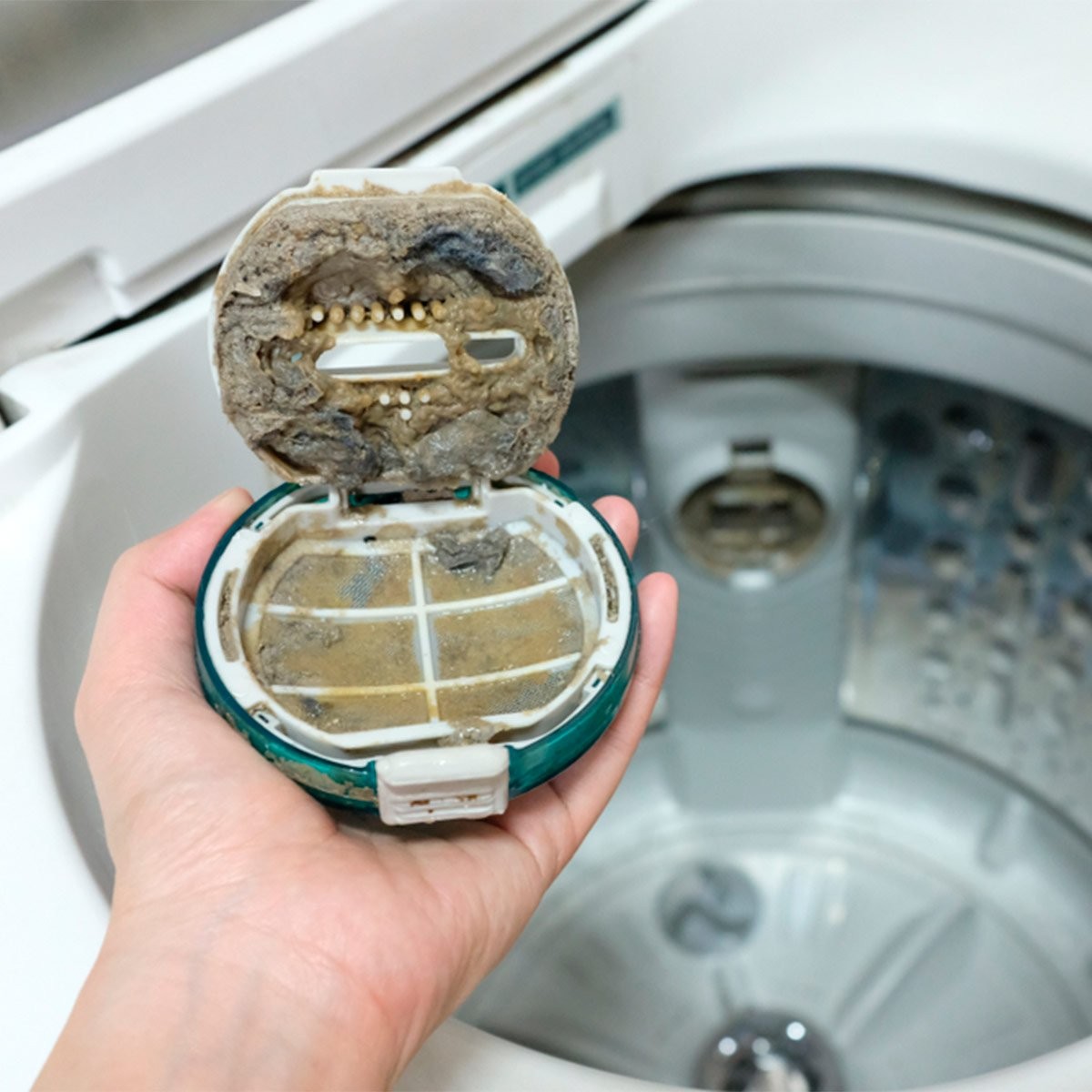
Lint filters are the most common type of filter found in washing machines. They are designed to catch lint, hair, and other small particles that may come off your clothes during the washing cycle. These filters are typically located near the top of the machine, inside the agitator or on the rim of the drum. Regularly cleaning the lint filter can help improve the machine’s efficiency and prevent clogs.
2. Pump filters
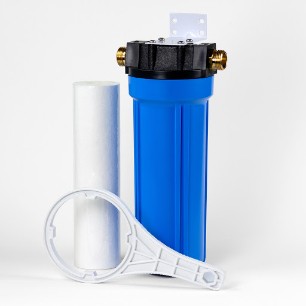
Pump filters, also known as drain filters, are located near the bottom of the washing machine. Their primary function is to capture larger debris such as coins, buttons, and small objects that may have been left in pockets. These filters prevent these items from reaching the pump and causing blockages or damage. It is important to regularly check and clean the pump filter to ensure proper drainage and prevent malfunctions.
3. Water inlet filters

Water inlet filters are responsible for filtering water before it enters the washing machine. Their purpose is to prevent debris, sediment, and hard water minerals from entering the machine and potentially causing damage to the internal components. These filters are usually located at the back of the machine, where the water hoses connect. Cleaning or replacing the water inlet filters periodically can help extend the lifespan of your washing machine.
4. Self-cleaning filters
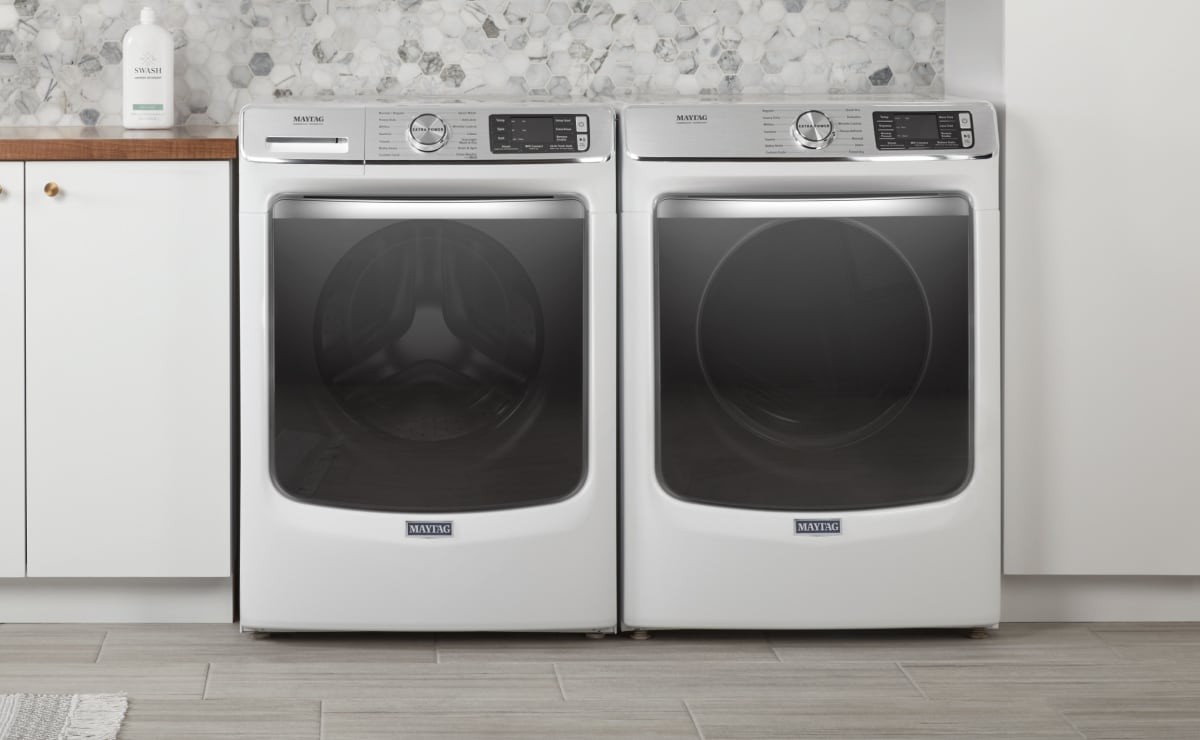
Some modern washing machines are equipped with self-cleaning filters. These filters automatically clean themselves during each washing cycle, eliminating the need for manual cleaning. Self-cleaning filters use a combination of water jets and rotating brushes to remove dirt, lint, and other debris. This type of filter is convenient for those who prefer a low-maintenance approach to washing machine maintenance.
In conclusion, washing machine filters play a vital role in maintaining the efficiency and longevity of your appliance. Regularly cleaning and replacing these filters as needed will help keep your washing machine running smoothly and prevent potential issues from arising.
Importance of washing machine filters
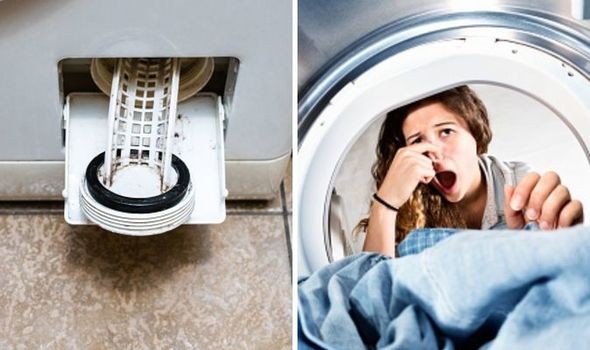
Washing machine filters play a crucial role in maintaining the cleanliness and functionality of your washing machine. These filters are designed to trap and remove dirt, lint, hair, and other particles that can accumulate in your washing machine over time.
Removes dirt and debris

One of the main functions of a washing machine filter is to remove dirt and debris from the water used for washing your clothes. Without a filter, these particles can accumulate in the washing machine’s drum, pipes, and other components, leading to clogging and decreased performance.
By trapping dirt and debris, the filter prevents them from reaching your clothes, ensuring that they come out clean and fresh after each wash.
Prevents clogging

A clogged washing machine can cause a lot of inconvenience and even damage to your machine. When debris and lint accumulate in the pipes and hoses, water flow can be restricted, leading to poor washing results and potential malfunctions.
By regularly cleaning or replacing the filter, you can prevent clogs and keep your washing machine in optimal condition. This will not only extend the lifespan of your machine but also save you from costly repairs or replacements.
Improves washing performance

A clean and efficient washing machine filter ensures that the water used for washing your clothes is clean and free from impurities. This, in turn, improves the washing performance of your machine.
When the water is filtered properly, detergents can work more effectively, resulting in cleaner and brighter clothes. It also reduces the chances of residue or detergent build-up on your clothes, which can affect their appearance and texture.
Additionally, a functional filter helps to maintain the optimum water pressure and temperature, ensuring that your clothes are washed thoroughly and evenly.
Overall, washing machine filters are an integral part of maintaining the cleanliness, efficiency, and longevity of your washing machine. Regularly cleaning or replacing the filter can go a long way in ensuring optimal washing performance and preventing unnecessary breakdowns.
Video on the topic
How to remove and clean filter on Bosch Washing Machine & keep it Hygienically Fresh
CLEAN your WASHING MACHINE like THIS & Say Bye-bye to Mold, Gunk, Grime, Scum, Brown flakes & Stench
11 Things to Consider Before Buying a Washing Machine
Answers to frequently asked questions
Read more practical tips and expert opinions about modern devices at appliances-news.com. Here you will find answers to questions about any technology.


