
Laundry day can be a daunting task, but with the right knowledge and step-by-step instructions, using a washing machine can be a breeze. Whether you’re a first-time user or simply looking for ways to improve your laundry routine, these tips will help you properly use your washing machine to get the best results.
1. Sort your laundry: Before starting the washing machine, it’s important to sort your laundry by color and fabric type. This will prevent colors from bleeding onto other garments and ensure that delicate items are washed gently.
2. Measure the detergent: Using the right amount of detergent is crucial for effective cleaning and avoiding residue on your clothes. Follow the manufacturer’s instructions on the detergent packaging to determine the appropriate amount for your load size.
3. Load the machine: Place your sorted laundry into the washing machine, making sure not to overload it. Overloading can result in inefficient cleaning and possible damage to the machine. Leave enough space in the drum for the garments to move freely.
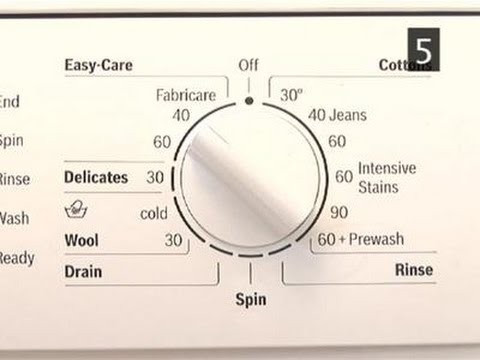
4. Select the appropriate wash cycle: Washing machines come with various wash cycle options, including settings for different fabric types and stain levels. Choose the appropriate cycle for your load to ensure the best cleaning results while treating your clothes gently.
5. Adjust the water temperature: Different fabrics require different water temperatures to be effectively cleaned. Cold water is suitable for delicate items, while hot water is better for removing tough stains. Use the temperature setting that corresponds to your laundry needs.
6. Add fabric softener: If desired, add fabric softener to the designated dispenser or at the appropriate time during the wash cycle. Fabric softener will help keep your clothes soft, reduce static, and leave them smelling fresh.
7. Start the wash cycle: Close the washing machine door or lid, and press the start button. Let the machine do its job, and avoid opening the door or interrupting the cycle unless necessary. Most machines will signal when the cycle is complete.
By following these step-by-step instructions, you can ensure that your laundry is cleaned efficiently and effectively. Properly using your washing machine not only extends its lifespan but also helps you achieve the best results and keep your clothes looking and feeling their best.
- Preparing the Washing Machine
- 1. Read the Instruction Manual
- 2. Check the Water Supply
- 3. Level the Machine
- 4. Clean the Drum
- 5. Remove Transit Bolts
- Checking the Connections
- 1. Water Supply Connection:
- 2. Drainage Connection:
- 3. Power Connection:
- Sorting and Loading the Laundry
- Separating Different Fabrics
- Choosing the Right Detergent
- 1. Consider the Type of Washing Machine
- 2. Read the Labels
- 3. Consider Your Laundry Needs
- 4. Experiment with Different Brands
- 5. Avoid Over-Dosing
- Considering Water Hardness
- Video on the topic
- LG Washer : How to do Laundry | LG
- Answers to frequently asked questions
Preparing the Washing Machine
Before you start using your washing machine, it’s important to prepare it properly to ensure proper operation and cleaning. Follow these steps to get your washing machine ready:
1. Read the Instruction Manual
Every washing machine comes with an instruction manual. Take some time to read it thoroughly before using the machine. The manual will provide you with valuable information about the machine’s features, settings, and maintenance.
2. Check the Water Supply
Make sure that the washing machine is connected to a reliable water source. Check the water supply hoses to ensure they are properly attached and not kinked or damaged. If you notice any issues with the water supply, such as low water pressure, it’s important to address them before starting the machine.
3. Level the Machine
Place a level on top of the machine to check if it is properly leveled. Adjust the feet of the machine if necessary to ensure it is stable and does not rock during operation. Proper leveling is essential to prevent excessive vibration and noise during the washing process.
4. Clean the Drum
Before using the washing machine, it’s a good idea to clean the drum to remove any dust or debris that may have accumulated during storage or transportation. Simply wipe the inside of the drum with a damp cloth to remove any dirt.
5. Remove Transit Bolts

Most washing machines come with transit bolts that are used to stabilize the drum during transportation. It’s important to remove these bolts before using the machine. Failure to do so can cause excessive vibration and damage to the machine.
| Tip: | Keep the transit bolts in a safe place in case you need to transport the washing machine in the future. |
|---|
By following these steps, you can ensure that your washing machine is properly prepared for use. Taking the time to prepare the machine will help prevent any potential issues and allow for effective cleaning of your laundry.
Checking the Connections
Before using your washing machine, it is important to check all the connections to ensure proper functioning.
1. Water Supply Connection:
Make sure that the water supply hose is securely attached to both the washing machine and the water supply valve. It should be tightly screwed on to avoid any leaks during operation. If there are any visible cracks or damages, replace the hose immediately.
2. Drainage Connection:
Check that the drainage hose is properly connected to the washing machine and the drain. Ensure that the hose is not bent or twisted, as this may restrict the flow of water and cause drainage problems. If the hose is damaged, replace it to prevent any water leaks or blockages.
3. Power Connection:
Ensure that the power cord is securely plugged into a grounded electrical outlet. Avoid using extension cords or adapters, as they can pose safety risks. If the power cord is frayed or damaged, do not use the washing machine and get it replaced by a qualified electrician.
By checking these connections regularly, you can prevent any potential issues with your washing machine and ensure its efficient performance.
Sorting and Loading the Laundry
Properly sorting and loading your laundry can help ensure a successful wash cycle and prevent damage to your clothes. Here are some tips to keep in mind:
1. Sort your clothes: Before loading the washing machine, separate your laundry into different piles based on color and fabric type. This will prevent color bleeding and potential damage to delicate items.
2. Separate whites and colors: Keep white clothes separate from colored clothes to avoid any potential color transfer. Washing whites separately can help keep them bright and prevent them from becoming dingy.
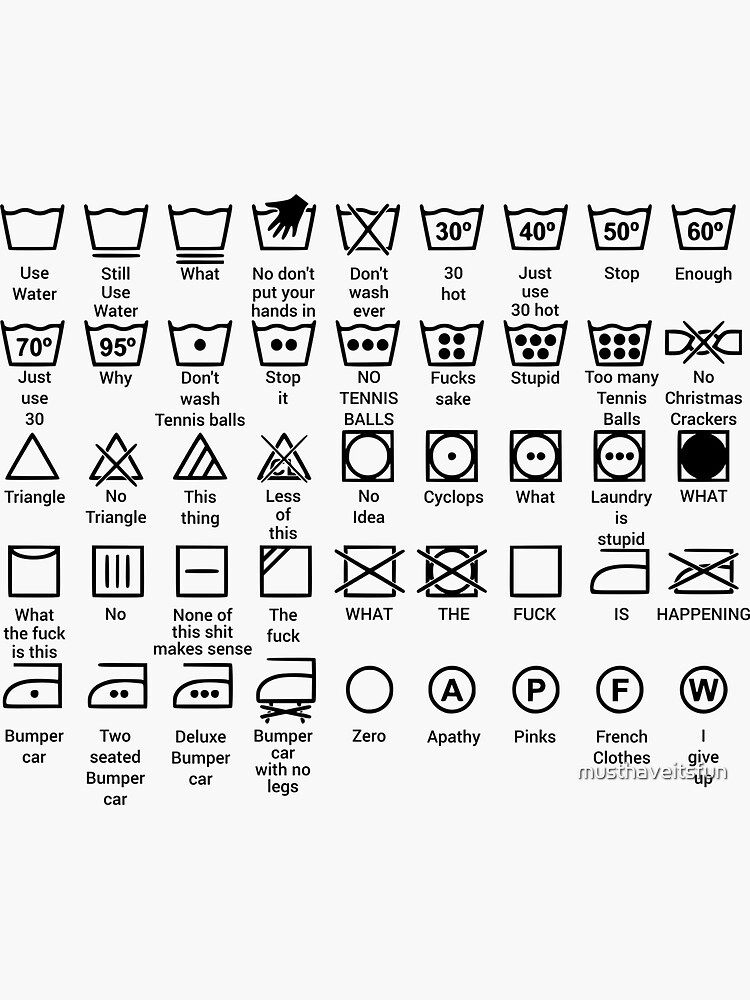
3. Check garment labels: Always read the care labels on your clothes to determine the appropriate water temperature and cycle setting. Some items may require special care and may need to be washed separately or in a delicate cycle.
4. Empty pockets: Check all pockets for any items like coins, keys, tissues, or receipts. These items can cause damage to both your clothes and the washing machine if left inside.
5. Pre-treat stains: For heavily stained items, consider pre-treating the stains before loading them into the machine. Apply a stain remover or detergent directly to the stains and let it sit for a while before washing.
6. Avoid overloading: Do not overload the washing machine as it may affect the cleaning efficiency and cause excessive wear and tear on the machine. Follow the manufacturer’s guidelines for the maximum load capacity.
7. Use mesh laundry bags: For delicate items like lingerie or small accessories, consider using mesh laundry bags to protect them from damage and tangling.
8. Place items evenly: Distribute the clothes evenly in the drum to ensure proper balancing during the wash cycle. Uneven distribution can cause the machine to vibrate excessively and potentially damage both the machine and your clothes.
9. Add detergent and fabric softener: Follow the instructions on your detergent and fabric softener bottles to determine the appropriate amounts to use. Pour the detergents into the designated compartments of the machine.
By following these steps, you can efficiently sort and load your laundry, ensuring a successful and damage-free washing cycle.
Separating Different Fabrics
When it comes to washing clothes, it’s important to separate different fabrics to prevent damage and ensure that each item gets cleaned properly. Here are some tips on how to separate your laundry:
- Sort your clothes into different piles based on their fabric type. This could include separating cotton, synthetic materials, delicate fabrics, and more.
- Avoid washing heavily soiled items with delicate ones. Soil and stains can transfer and ruin delicate fabrics.
- Check the care labels on your clothing. They often give specific instructions on how to wash the fabric, including recommended water temperature and cycle settings.
- Separate light-colored fabrics from dark-colored ones to prevent color bleeding. Washing dark-colored clothes with light-colored clothes can result in staining and discoloration.
- Consider separating items that shed a lot of lint, such as towels or blankets, from your other clothes. This will help prevent lint transfer and keep your clothes looking clean.
- For extra care, you can also separate items by the level of dirtiness. Items that are heavily stained or soiled can be washed separately or pre-treated before washing.
- If you have large items like bedding or curtains, it’s best to wash them separately. These items need more space to move around in the machine for effective cleaning.
- Lastly, be mindful of the weight of the fabrics. Mixing heavy items with lightweight ones can cause damage to the lighter fabrics.
By following these tips, you can ensure that your different fabrics are properly cared for and maintain their quality and appearance over time.
Choosing the Right Detergent
When it comes to washing machines, using the right detergent is essential for getting your clothes clean and maintaining the integrity of your machine. With so many options available, it can be overwhelming to choose the right one. Here are some tips to help you make the best decision:
1. Consider the Type of Washing Machine
The type of washing machine you have may determine the type of detergent you should use. For top-loading machines, regular powder or liquid detergent may be suitable. However, for front-loading machines, it is recommended to use high-efficiency (HE) detergents, as they are specially formulated for these types of machines. Using regular detergent in front-loaders can lead to excessive sudsing and damage the machine.
2. Read the Labels
Before purchasing a detergent, make sure to read the labels carefully. Look for detergents that are labeled as suitable for your specific type of washing machine. Additionally, pay attention to any specific instructions or guidelines provided by the manufacturer.
3. Consider Your Laundry Needs
Take into consideration your laundry needs when selecting a detergent. If you have sensitive skin or allergies, opt for detergents that are fragrance-free and hypoallergenic. For heavily soiled clothes, look for detergents with stain-fighting properties. For delicates, choose a gentle detergent or one specifically designed for delicate fabrics.
4. Experiment with Different Brands
Every brand of detergent is formulated differently, and what works for one person may not work for another. It may take some trial and error to find the detergent that works best for you and your washing machine. Don’t be afraid to experiment with different brands until you find the one that meets your needs.
5. Avoid Over-Dosing
Using too much detergent can lead to soap residue buildup in your washing machine and on your clothes. Follow the manufacturer’s instructions for the recommended amount of detergent to use based on the size of your load. If your clothes aren’t coming out clean, don’t assume that using more detergent will solve the problem. Instead, evaluate other factors such as water temperature or wash cycle duration.
By choosing the right detergent for your washing machine and laundry needs, you can ensure cleaner clothes and a longer lifespan for your machine. Take the time to research and experiment, and soon you’ll find the perfect detergent for your laundry routine.
Considering Water Hardness
When using a washing machine, it’s important to take into account the hardness of the water in your area. Water hardness refers to the concentration of minerals, such as calcium and magnesium, in the water. Hard water can cause several issues with your washing machine and laundry, including:
1. Poor cleaning performance: The minerals in hard water can interfere with the cleaning agents in your detergent, making it less effective at removing stains and dirt from your clothes.
2. Soap scum buildup: Hard water can leave behind a residue on your clothes, known as soap scum. This residue can make your clothes feel stiff and rough, and it can also build up in your washing machine over time, leading to clogs and reduced efficiency.
3. Limescale deposits: Hard water can cause limescale deposits to build up on the heating element, pipes, and other internal parts of your washing machine. This can reduce the lifespan of your machine and lead to costly repairs or replacements.
To prevent these issues, it’s important to consider the water hardness when using your washing machine. One way to determine the hardness of your water is to contact your local water utility or have a water sample tested. Depending on the hardness level, you may need to take the following steps:
1. Adjust the detergent dosage: If you have hard water, you may need to use more detergent to compensate for the mineral content. Check your detergent packaging for guidelines on dosage levels for different water hardness levels.
2. Use a water softener: Water softeners are designed to remove minerals from the water, reducing its hardness. You can install a water softener system for your entire home or use a portable water softener specifically designed for washing machines.
3. Clean your washing machine regularly: Regular maintenance and cleaning of your washing machine can help prevent the buildup of limescale and soap scum. Follow the manufacturer’s instructions for cleaning, and consider using a washing machine cleaner specifically formulated to remove limescale deposits.
By considering the water hardness in your area and taking appropriate steps, you can ensure that your washing machine performs optimally and that your laundry comes out clean and fresh every time.
Video on the topic
LG Washer : How to do Laundry | LG
Answers to frequently asked questions
Read more practical tips and expert opinions about modern devices at appliances-news.com. Here you will find answers to questions about any technology.


